Peru, Potatoes, and Poorly Researched Decisions
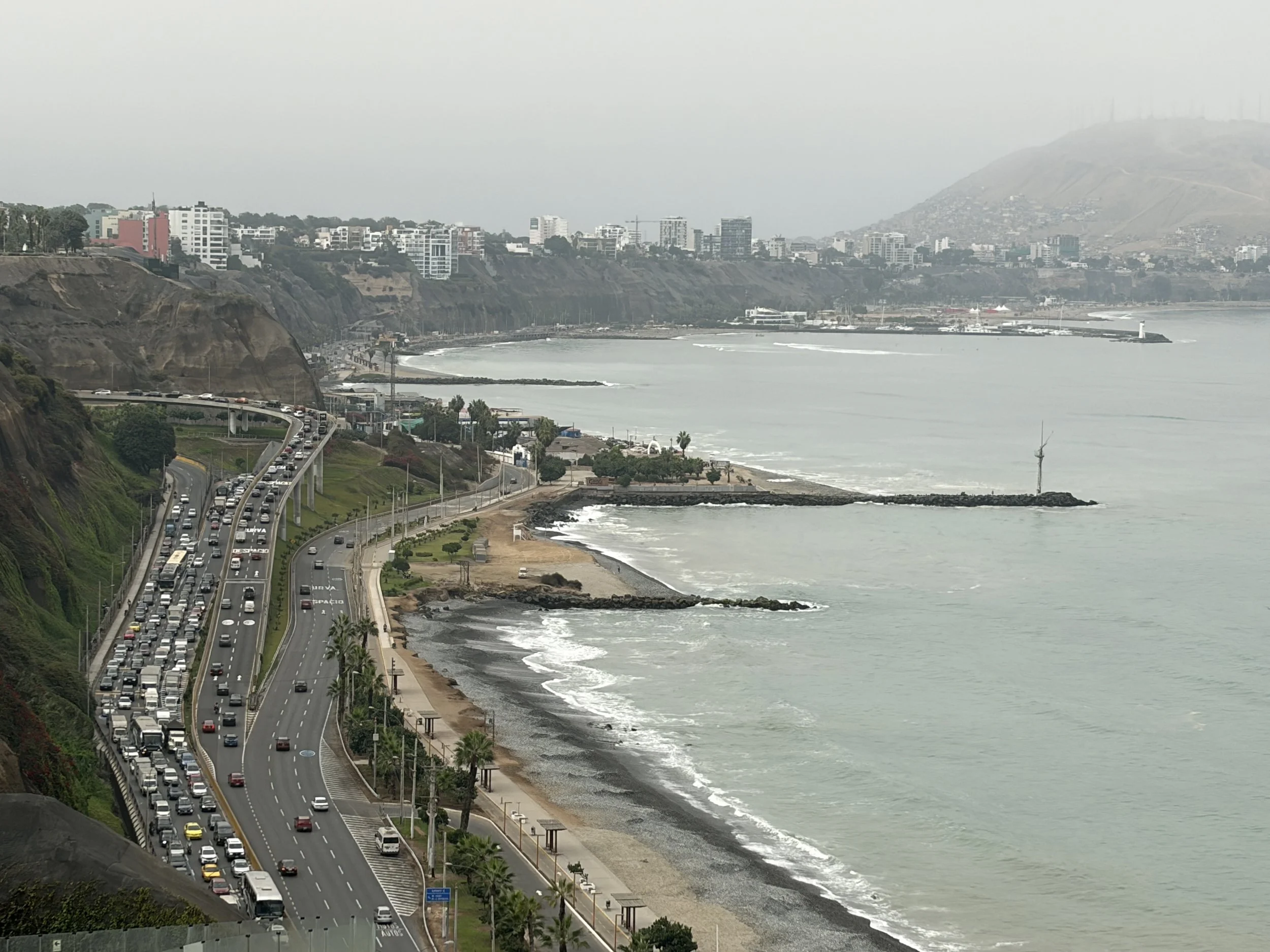
My birthday is four days away from Ripley’s, which essentially means I celebrate whenever there’s an opening in the calendar. This was 39—so not the “big one”—but 40 is looming like a midlife boss battle, so expectations are building. Grant and I agreed I’d push my “real” birthday trip to April, and suddenly the weekend was here. For reasons I still cannot logically explain, I chose Lima, Peru. Booked it about 6–7 weeks ago, did essentially no planning until the week of, and somehow convinced myself that was a solid, mature, well-thought-out strategy.
The trip was short—leave Thursday, back Sunday—so naturally I approached it by trying to cram an entire documentary series worth of experiences into about 48 hours.
Thursday: Arrival, Confusion, and a Mild Stalking Situation
Thursday morning I’m up early—San Diego to LA, then off to Lima. LATAM Airlines, which I think I’ve flown before. Nothing fancy, nothing terrible—Delta’s South American cousin that shows up, does its job, and leaves without much fanfare.
I land, get through security, and immediately get swarmed by taxi drivers like I’m the last Uber on Earth. These guys followed me everywhere—inside, outside, and, most impressively, waited for me outside the bathroom like we had unfinished business. I had already learned Uber works here, so I ordered one and tried to wait it out. Thankfully, my driver literally yelled my name across the crowd like a long-lost relative, saving me from what felt like a very committed taxi courtship.
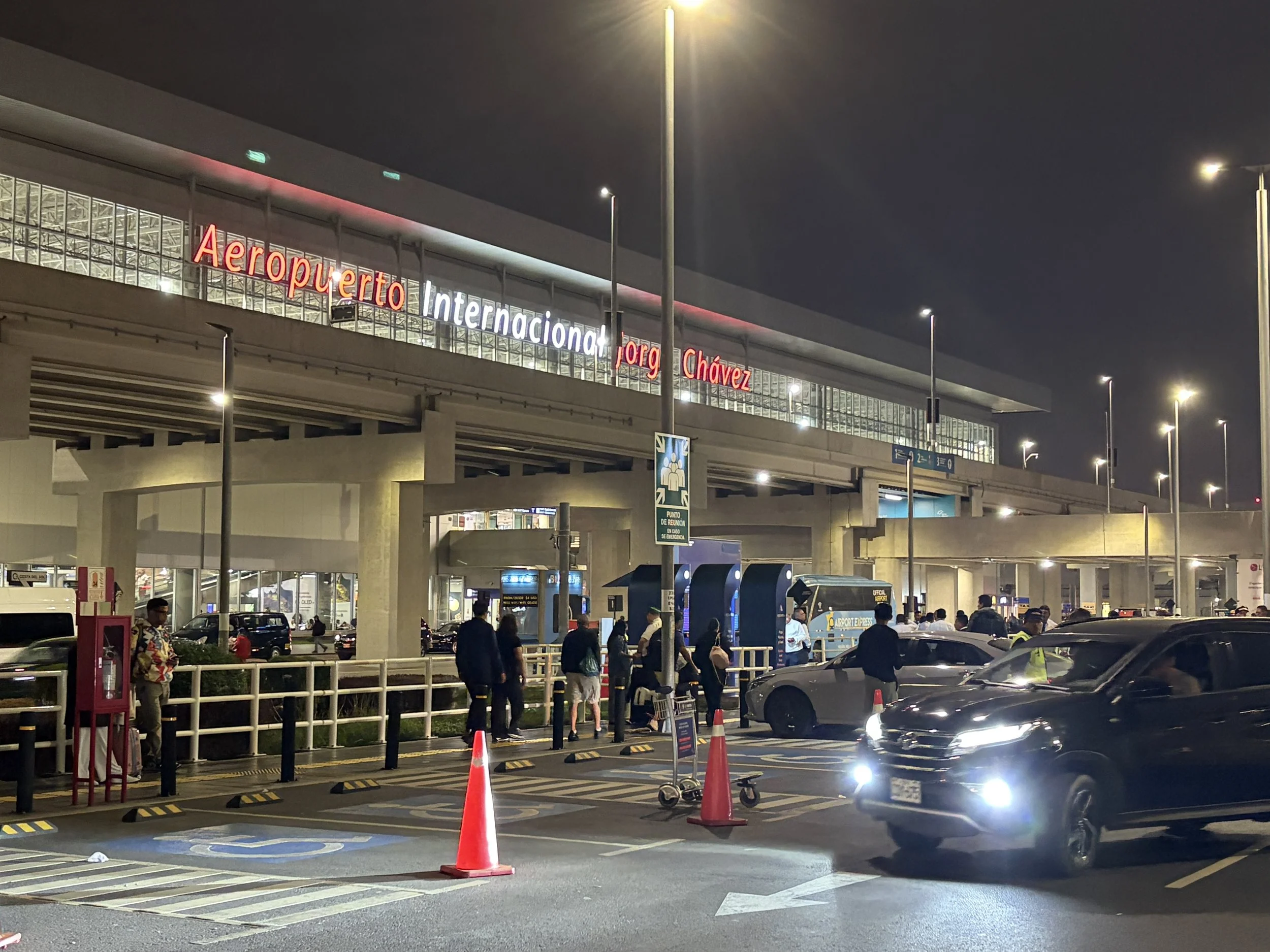
As I write this, Lima feels… paradoxical. The airport? Nicer than LAX. The drive? Lined with shanties. It’s not poor, but it’s not rich—it’s like the city tried to be everything at once and just committed to all of it.
One of my guides later explained that Lima was originally full of Inca people, then the Spanish came in, did what the Spanish historically tend to do, built beautiful European-style architecture, and eventually left. When locals reclaimed the city, instead of the wealth concentrating in those beautiful central areas, the opposite happened. The most architecturally stunning part of the city—Centro—is now considered unsafe at night. Meanwhile, the “safe” tourist areas like Miraflores and Barranco… let’s just say they prioritized functionality over aesthetics. It’s like the city flipped the script on what you’d expect.
Traffic: A Competitive Sport
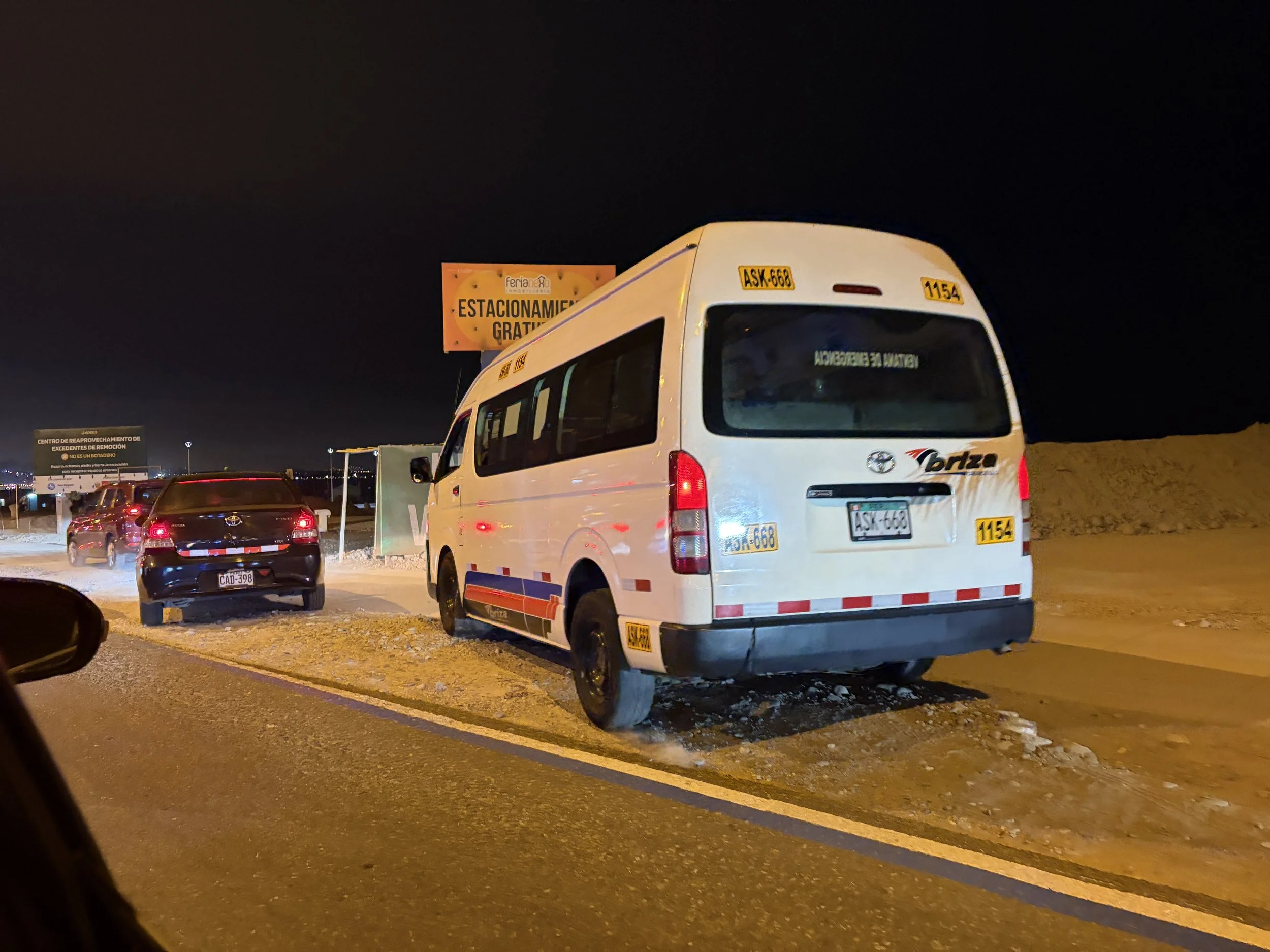
I arrived around 11pm, thinking the drive would be calm. That was adorable. Lima is apparently ranked among the worst traffic cities in the world. I can confirm this with confidence and mild emotional trauma. The “highway” was two lanes in theory, but in practice? Three, sometimes four, depending on how bold your driver felt. Lines existed, but more as artistic suggestions.
Then things escalated. A Megadeth concert had just ended. Cars were jumping curbs, driving on sidewalks, inventing lanes, and communicating exclusively through horns. And not just regular horns—custom horns. Personalized horns. Horns with personality. It was like a symphony of chaos where every car thought it was the soloist. At one point, my driver was literally straddling two lanes, creating a third, while cars passed us on both sides within inches. I stopped questioning things and just leaned into the experience. What should have been a 30-minute drive took 2 hours to go 12 miles.
Hotel: Civilization Restored

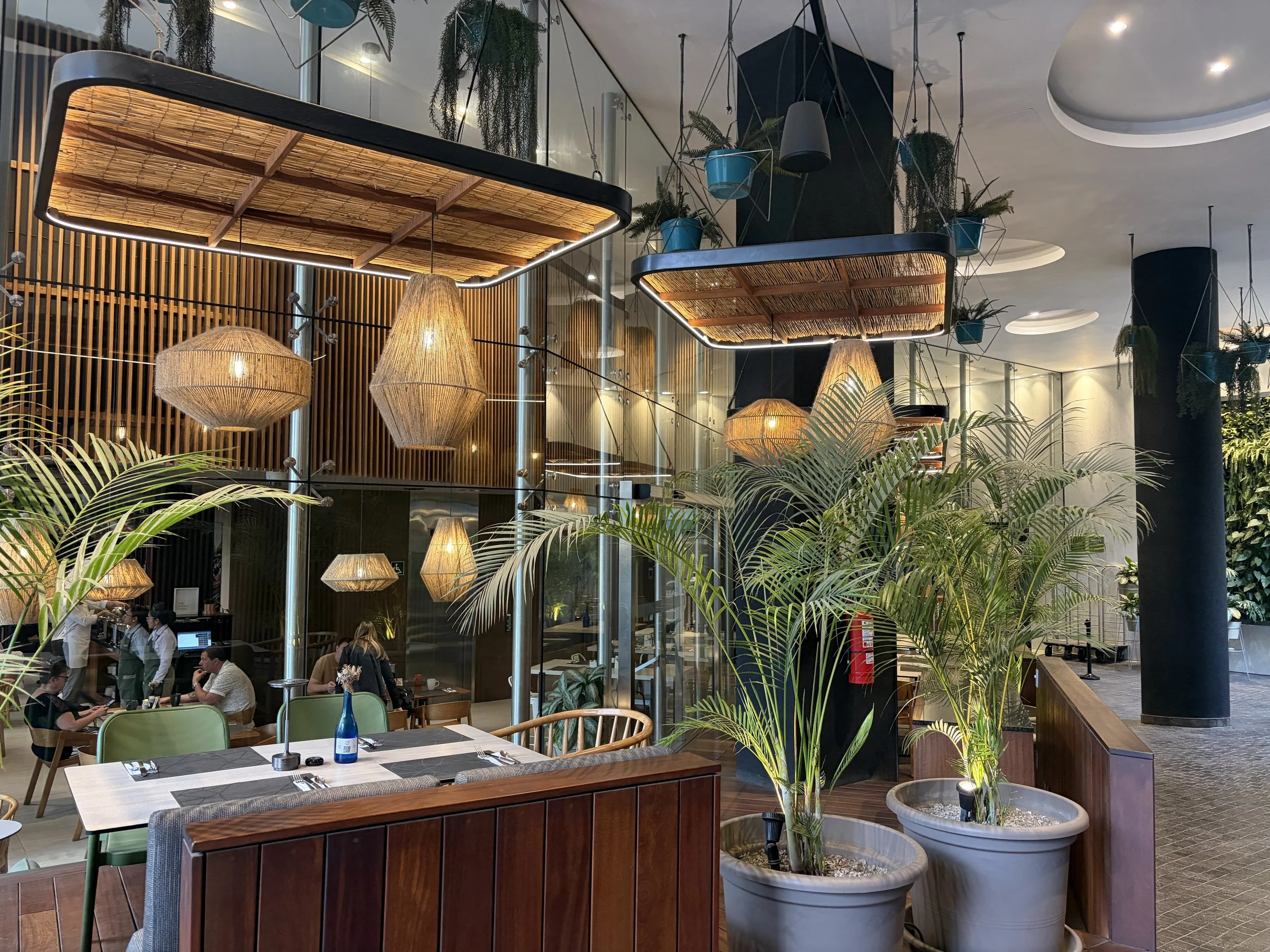
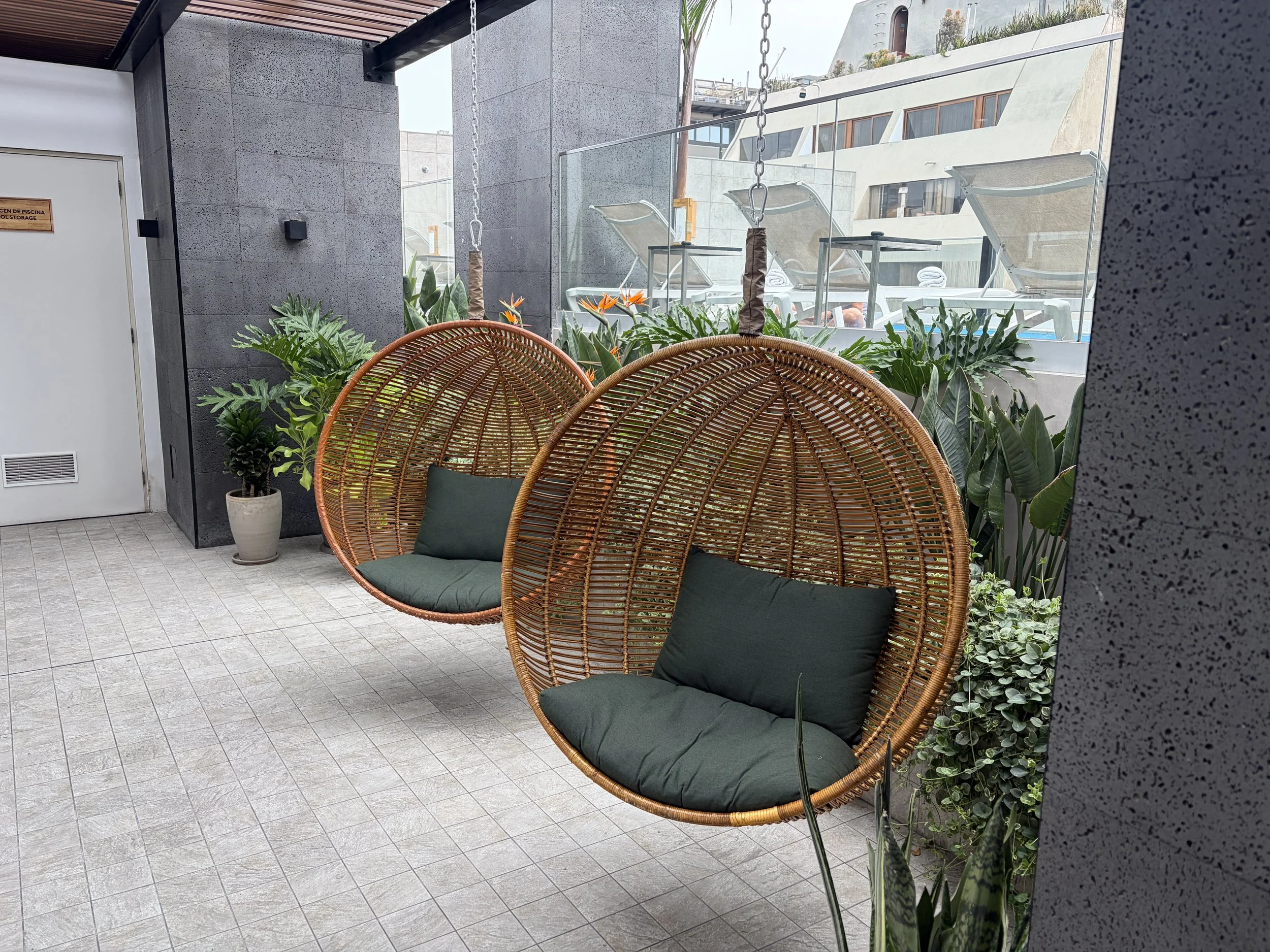
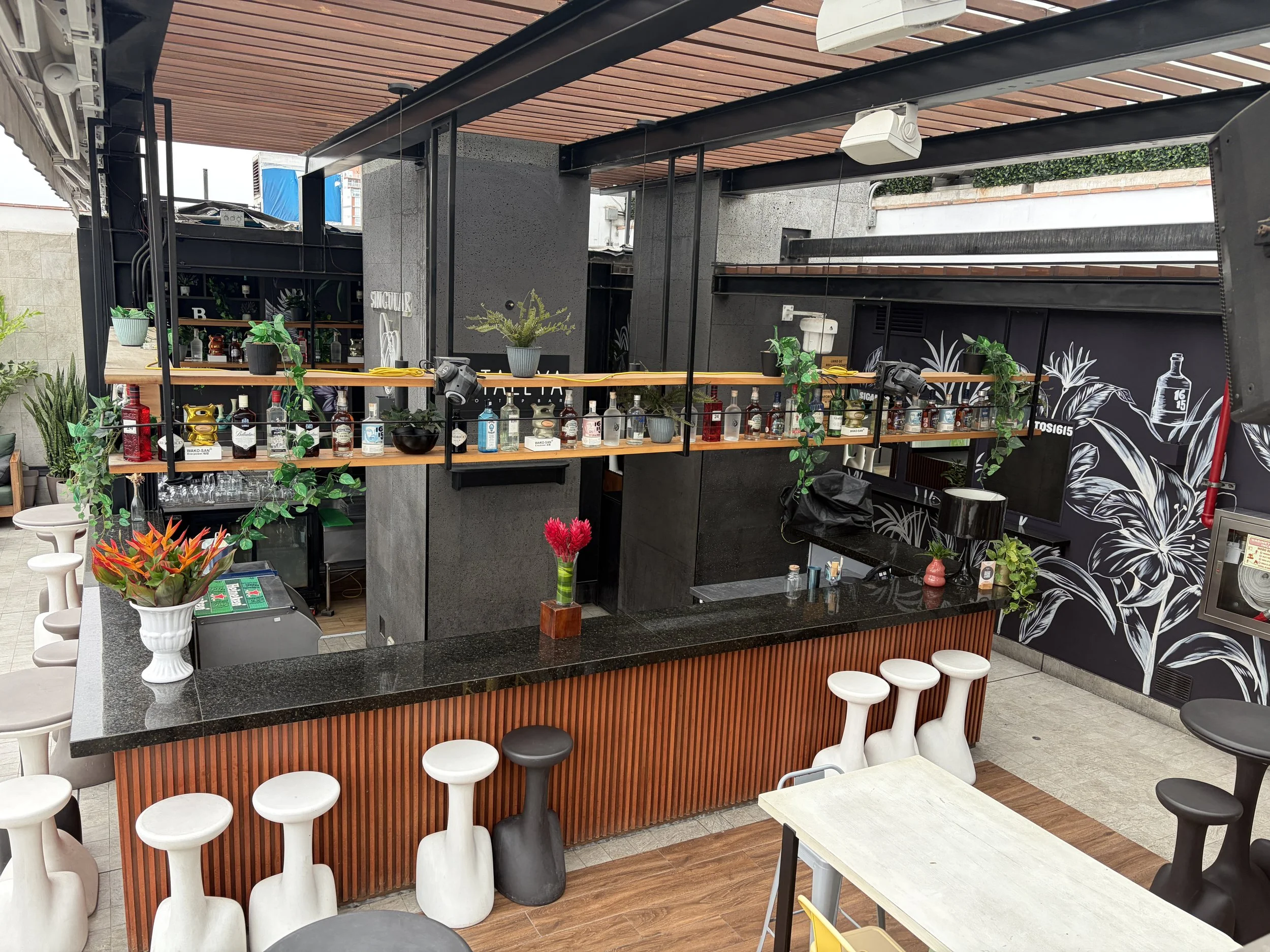
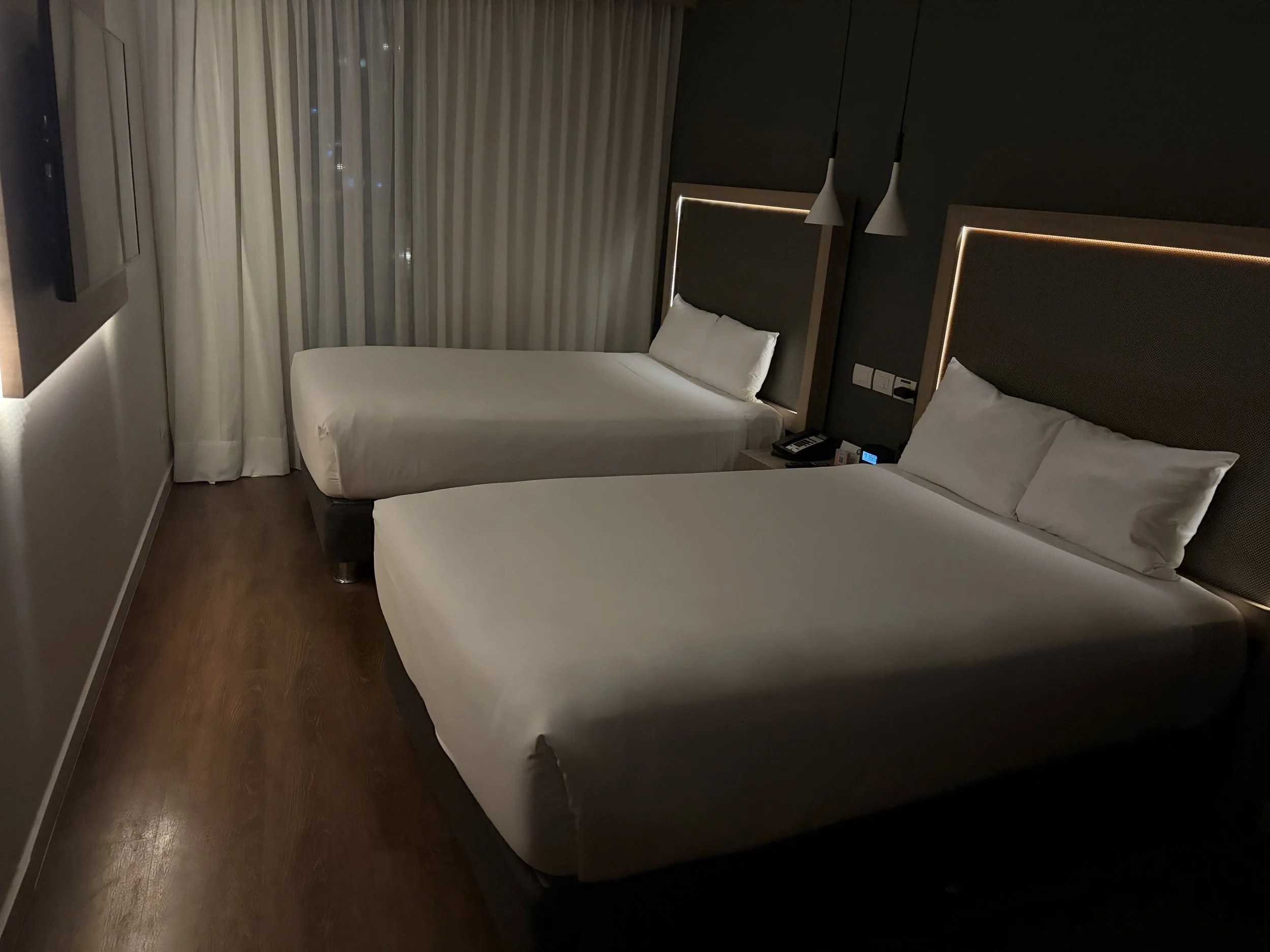
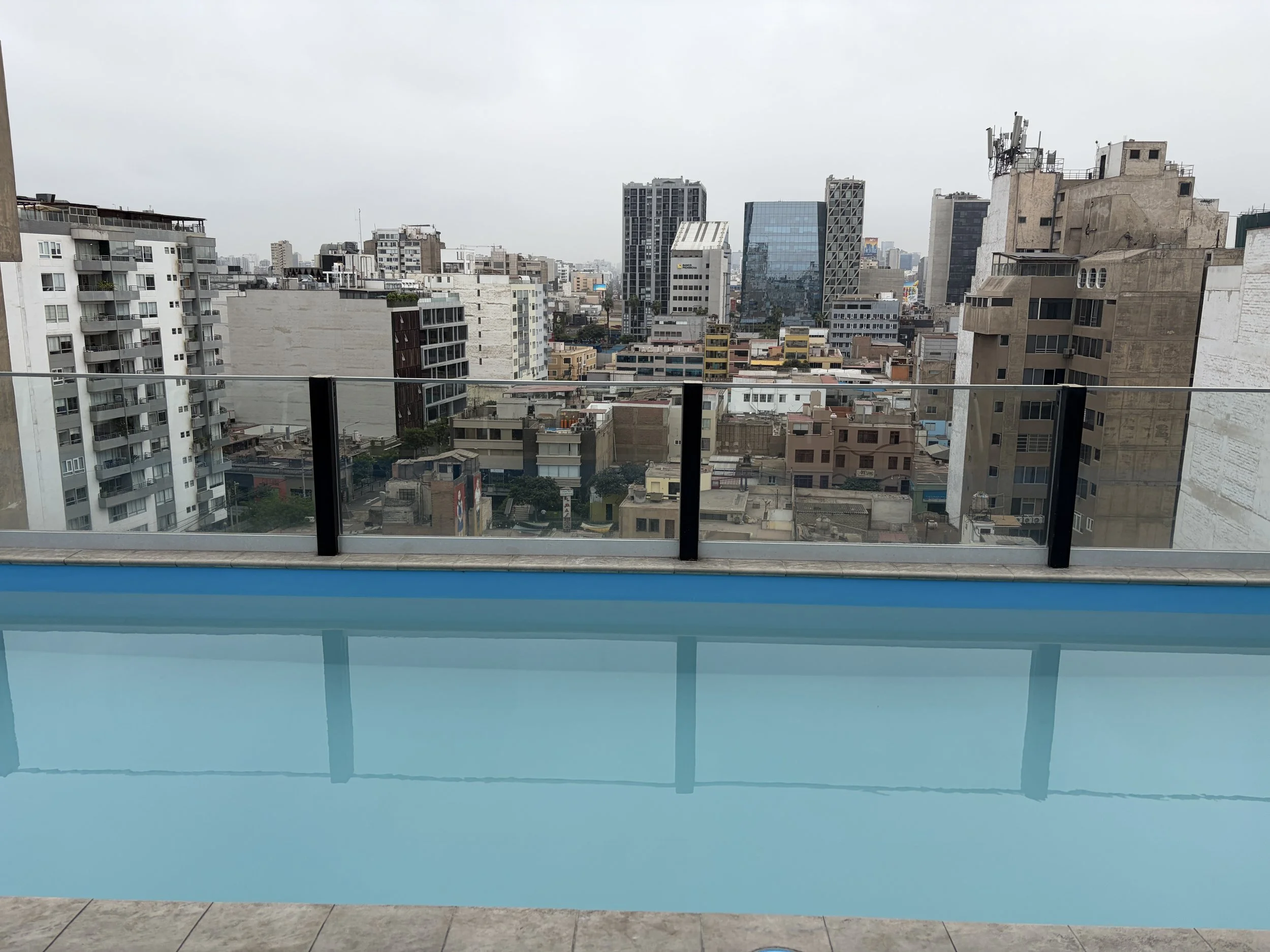
I finally made it to INNSiDE by Meliá Miraflores. Solid hotel. Plenty of bottled water (because drinking tap water is a no-go in Peru), hot water, and a comfortable bed. Within minutes, I was out.
Friday: Cats, Cliffs, and Immediately Lowered Expectations
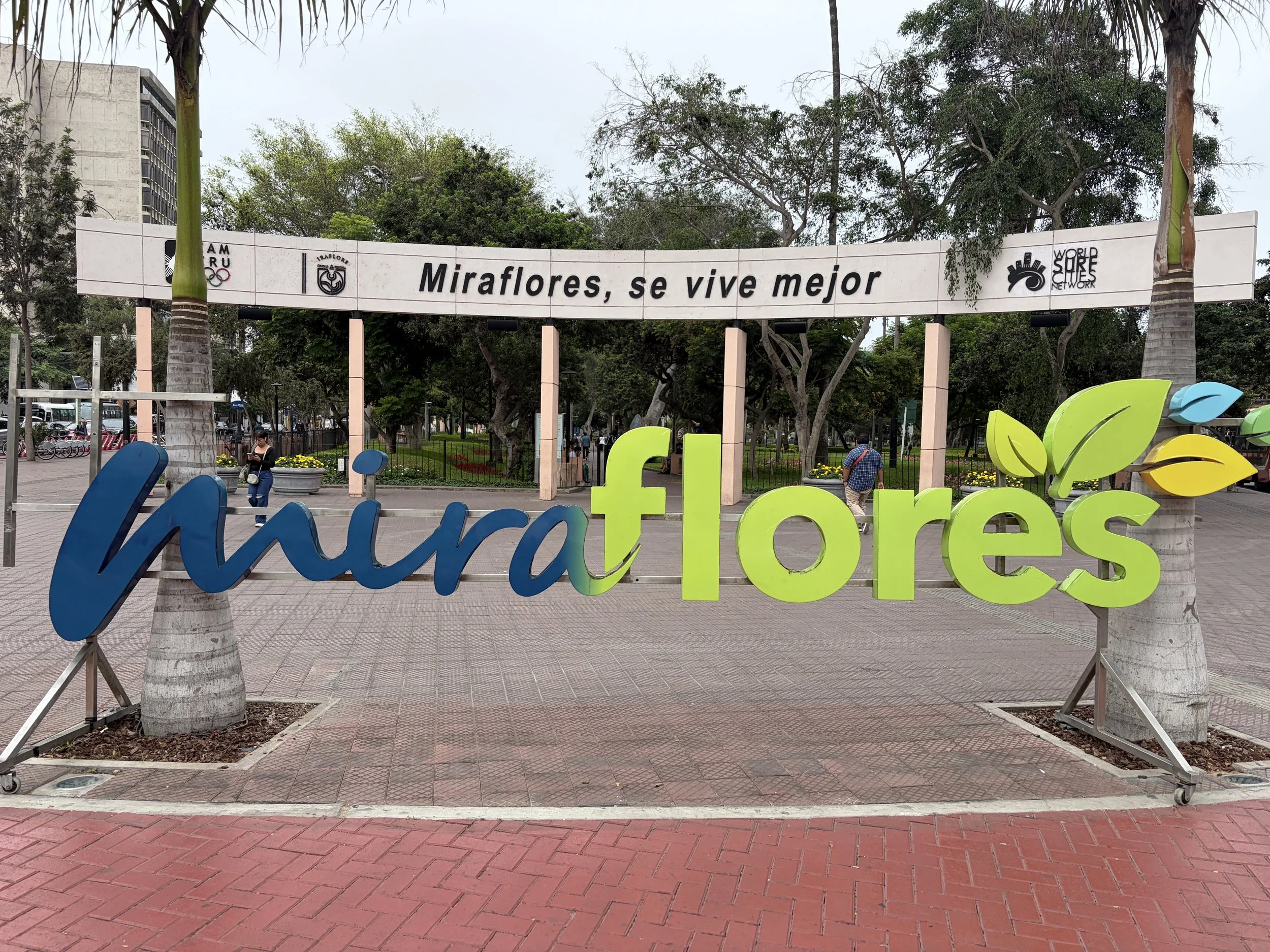
I woke up early, ready to explore. Mistake #1: Nothing opens before 10am.
Not “some places.” Not “most places.” Nothing. It felt like the entire city collectively agreed mornings were optional. So instead of accomplishing anything productive, I wandered.
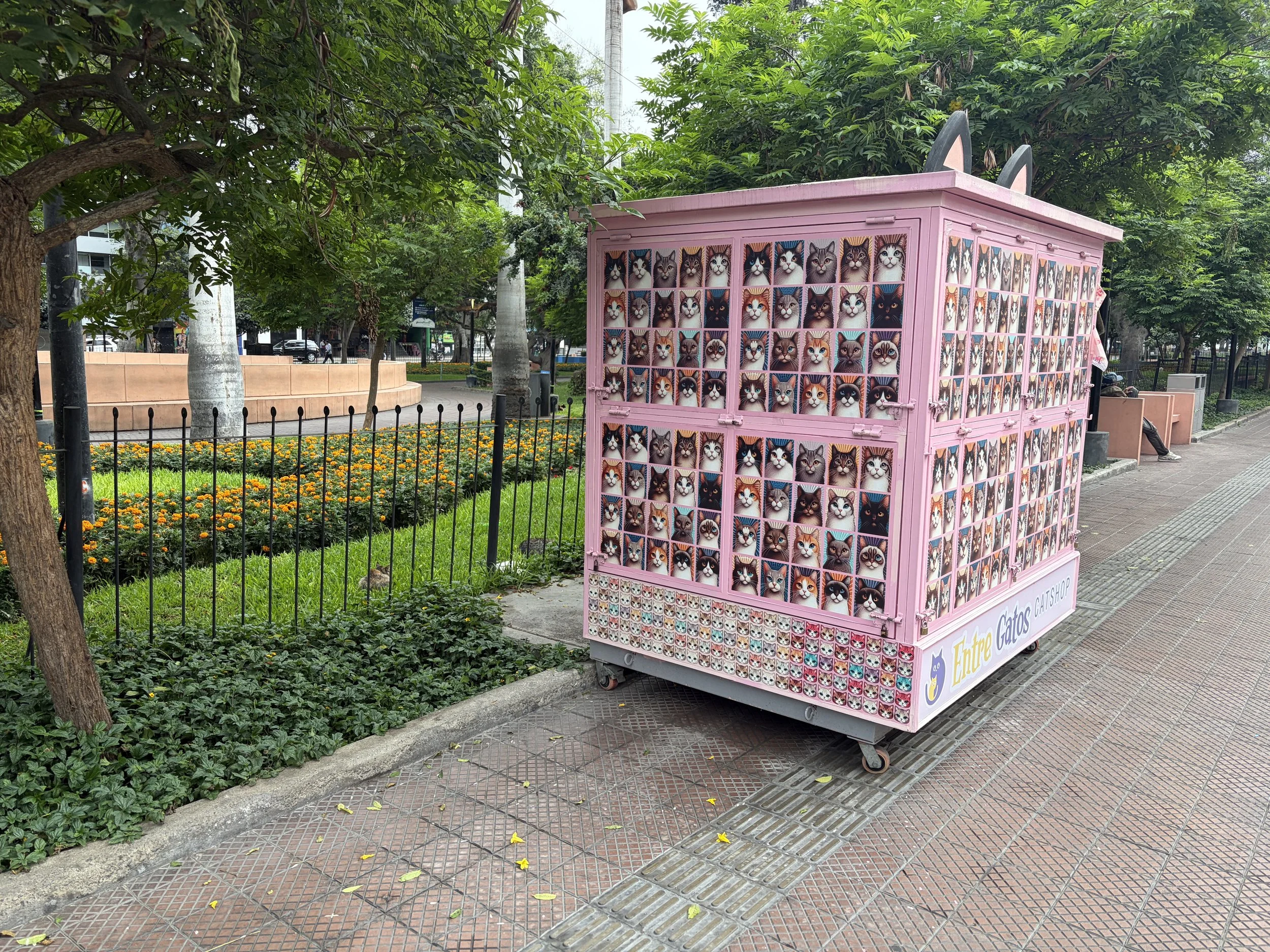
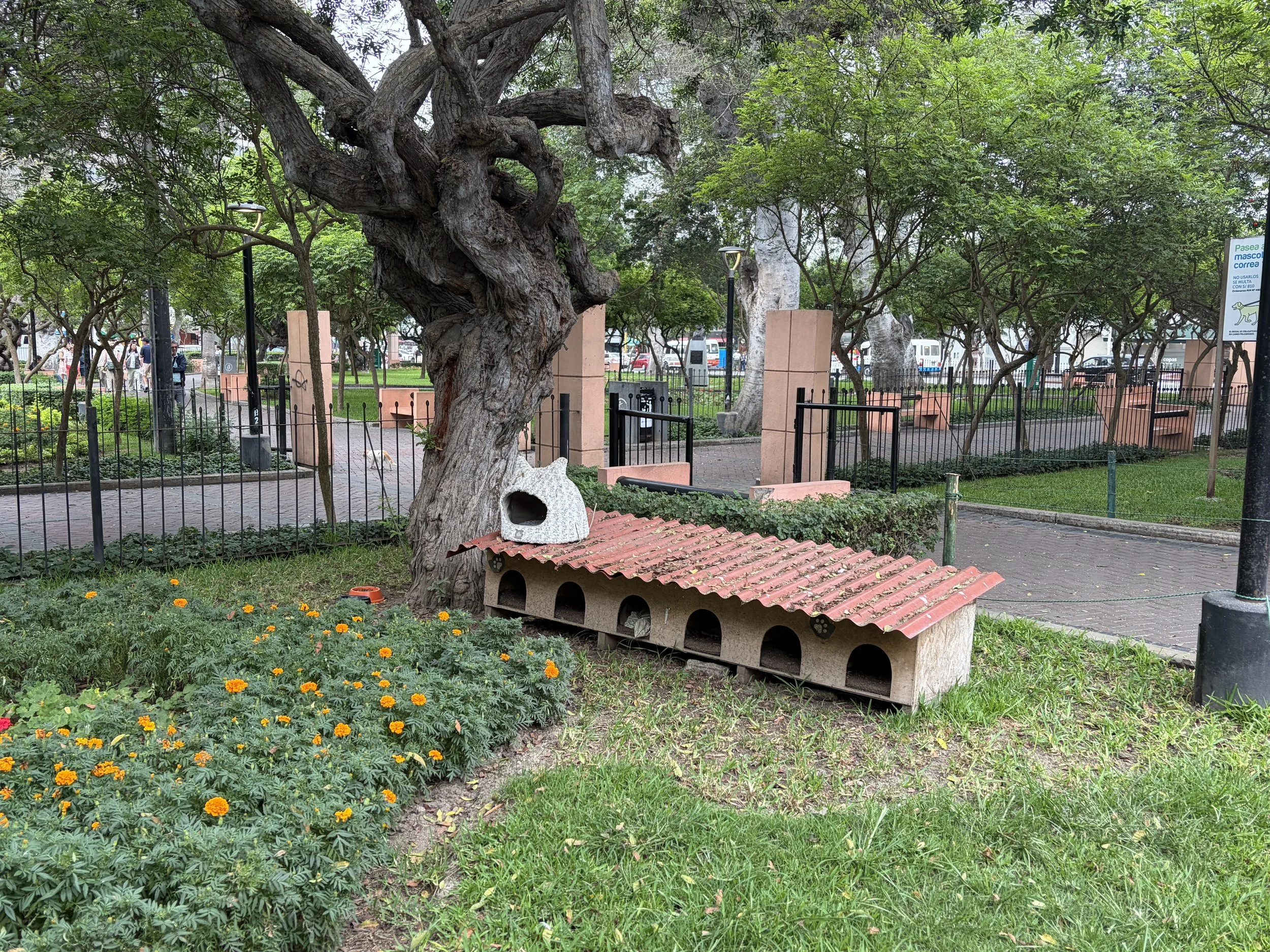
First stop: Kennedy Park—aka Cat Park. And when I say cats everywhere, I mean everywhere. Benches, bushes, rooftops, lounging like they pay rent. They had little houses, feeding stations, toys—it’s basically a cat HOA with better amenities than most apartment complexes in the area. I genuinely stopped and thought, “Grant would last about 90 seconds here before his allergies staged a full rebellion.”
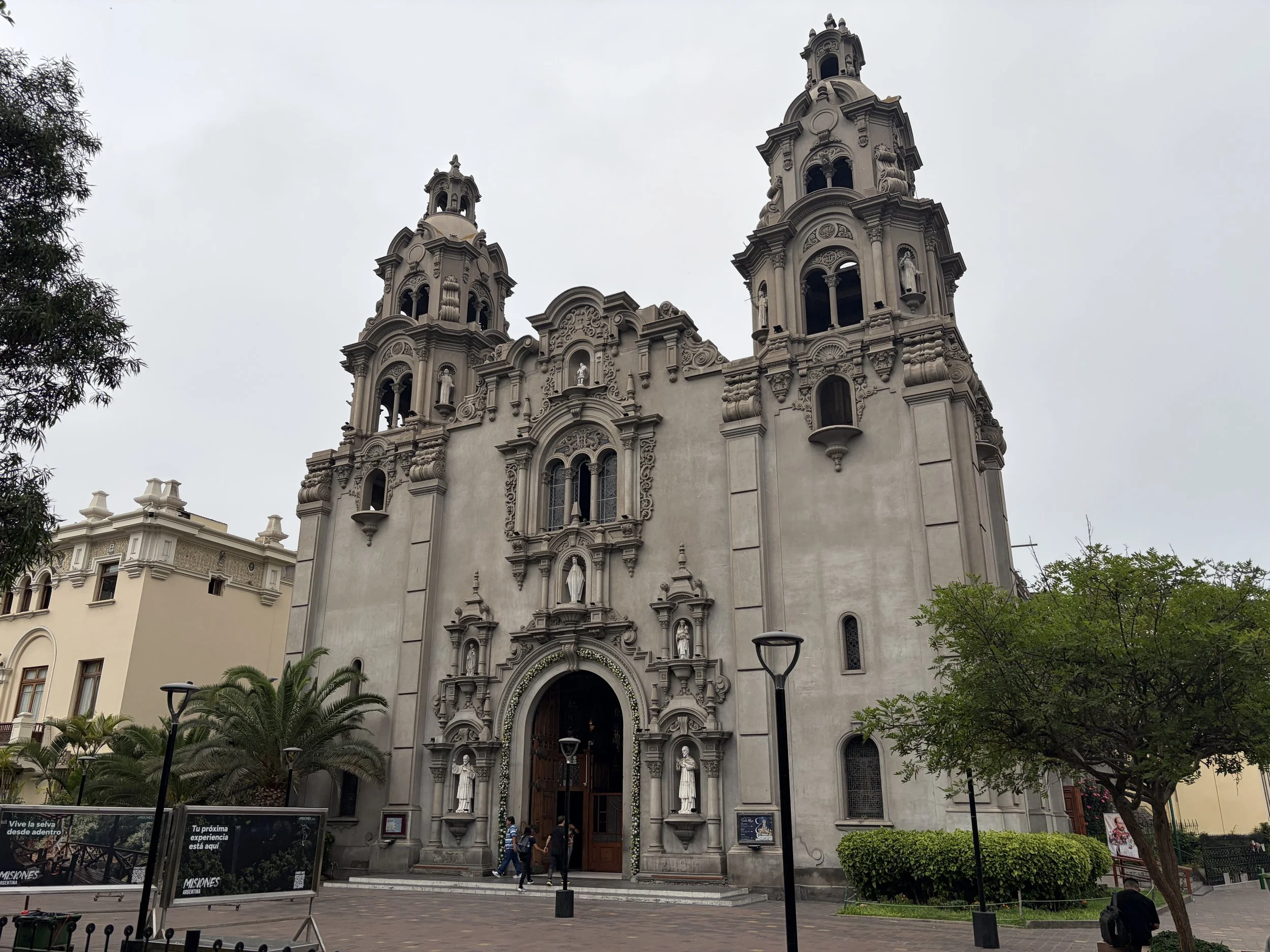
No one really knows where the cats came from. Some say they’ve always been there, others say the nearby church released them. The theory that really resonates is that they had a rat problem, so they dropped off a whole bunch of cats, and they never left. Either way, there are now multiple organizations dedicated to caring for them—and if you see one you like, you can adopt it.
Larcomar: Scenic Views Meets Retail Reality
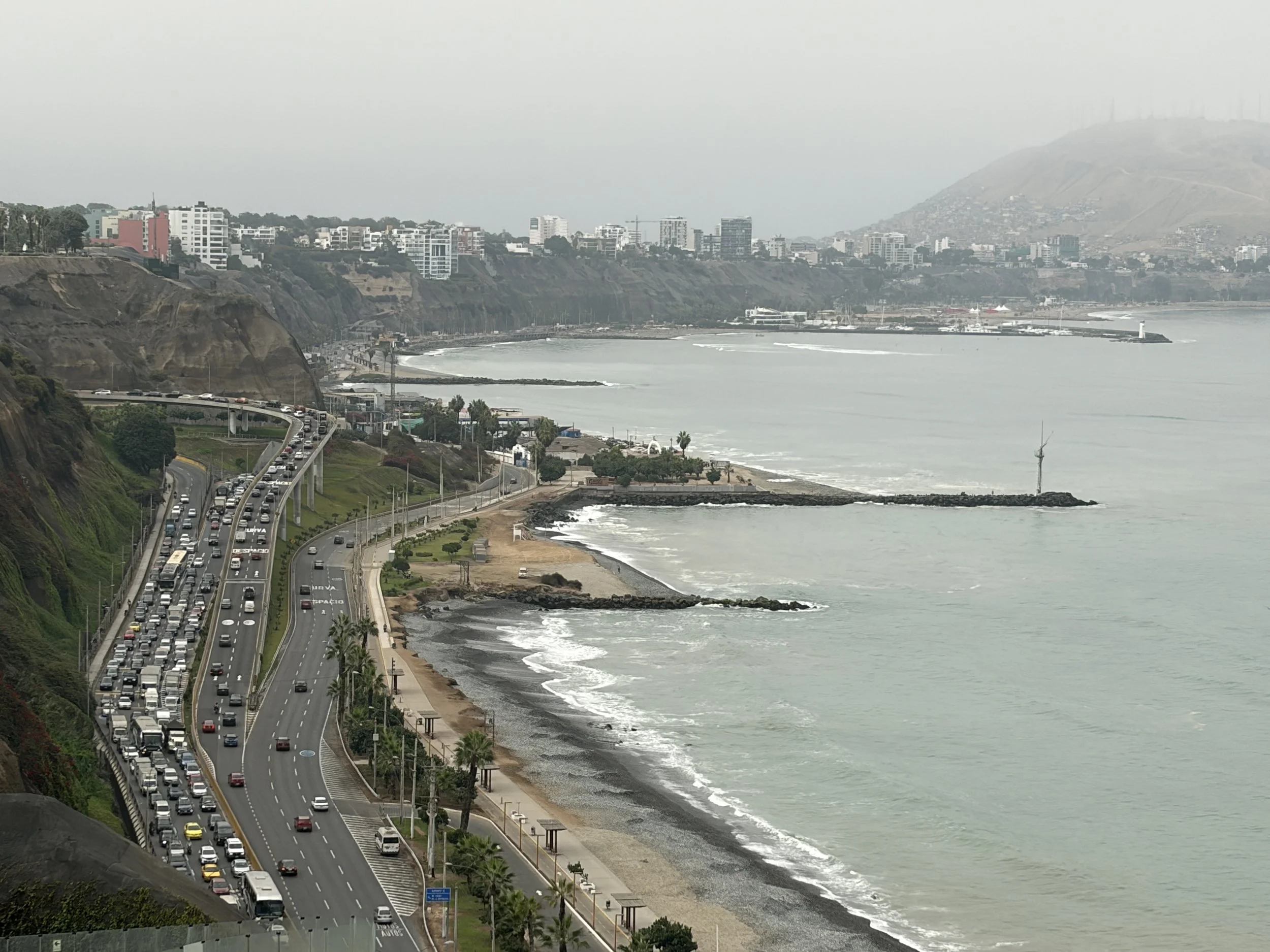
Next was Larcomar, which is essentially a shopping mall carved into the cliffs overlooking the Pacific Ocean. And to be fair—it’s a great setup. You’re walking along, ocean views to your left, shops and restaurants to your right. Lima has that marine layer that keeps everything cool and slightly hazy—very San Diego coastal energy.
I had planned to paraglide here, which felt like a solid “I’m adventurous” moment. But the wind had other plans. Both days. So instead, I stood there looking at the ocean like someone who almost did something cool.
As the employees started arriving, they rolled open the gates and revealed… H&M, Starbucks, and other familiar brands. Nothing quite grounds your international experience like realizing you could’ve bought the same coffee 10 minutes from your house.
The Sea Lion Situation (A.K.A. I Made a Series of Bad Decisions)
My first real activity: “Swim with Sea Lions in their Natural Habitat.”
Again, I cannot stress this enough—I stopped reading the title after “swim with sea lions.” The “in their natural habitat” part was information I chose not to process. I only just now realized it as I am writing this.
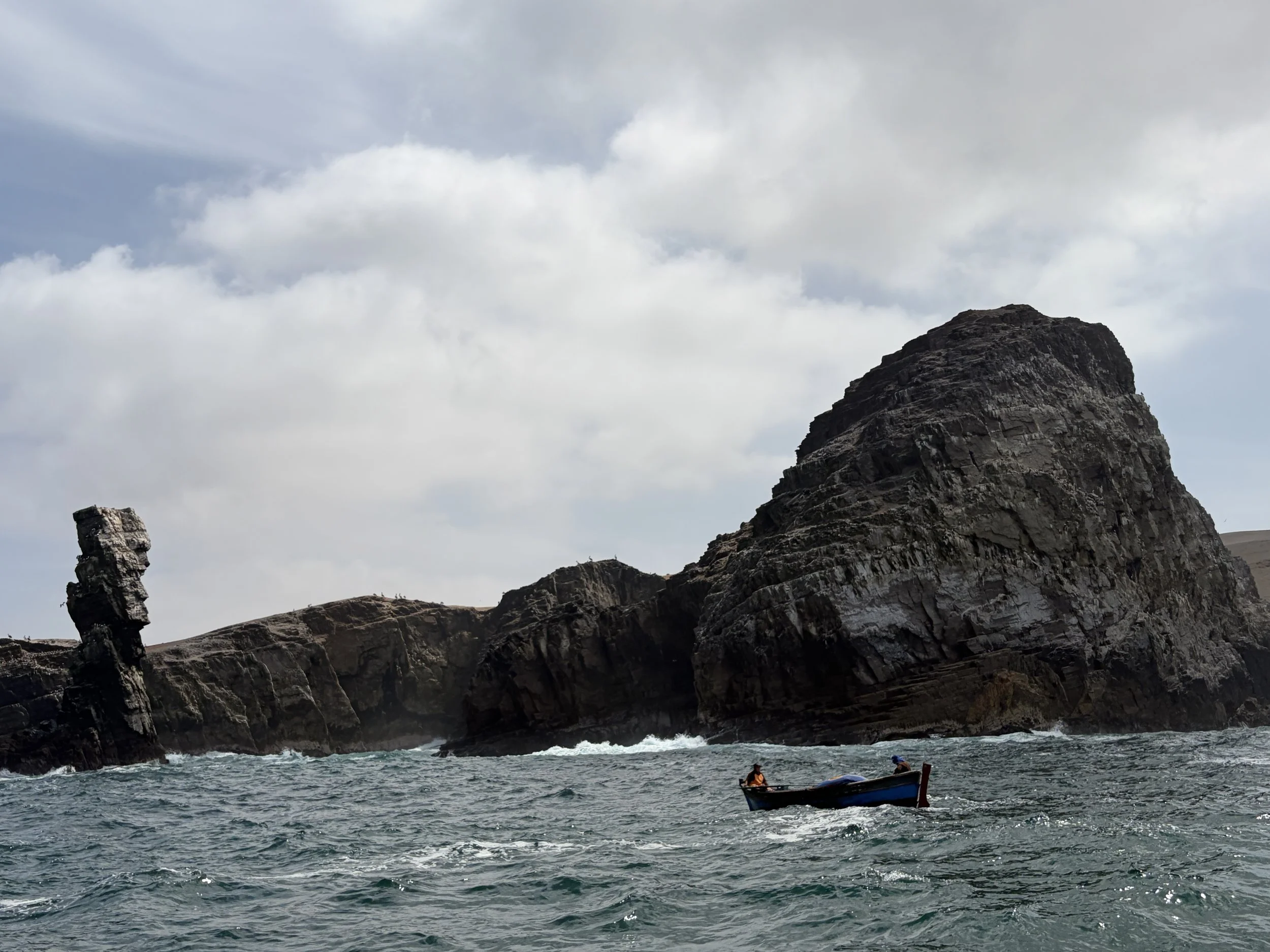
I took a cab to the docks near the Peruvian Navy, met the guide, and about 15 other people. We get on the boat, and within minutes, it’s rocking like we’re in a low-budget storm scene. The guy across from me sprints to the back and starts throwing up. Then two more join him. Meanwhile, the guide is calmly pointing out jellyfish, penguins, birds… and every few minutes, you just hear ugh…splatter.. echoing through the boat. I was laughing way harder than I should have. No one else found it amusing.
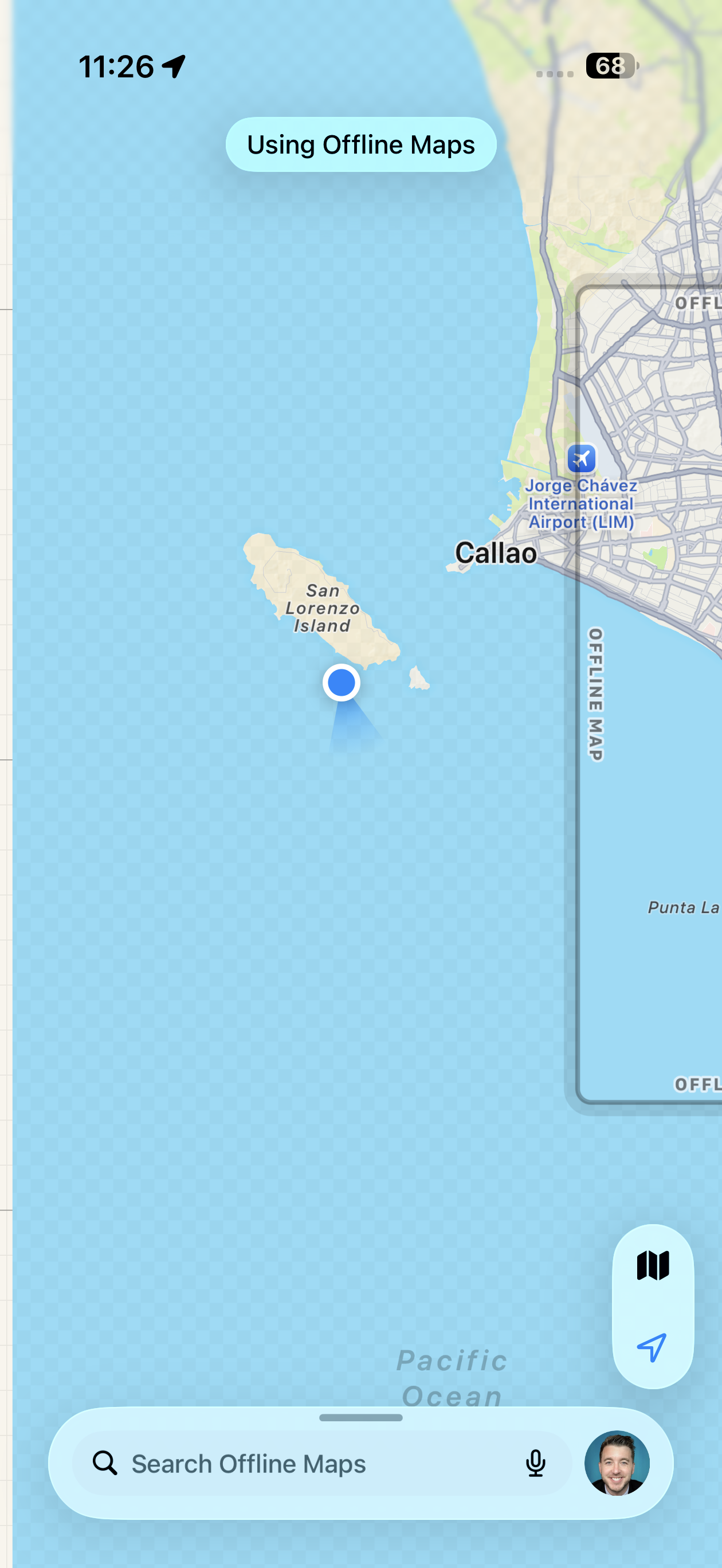
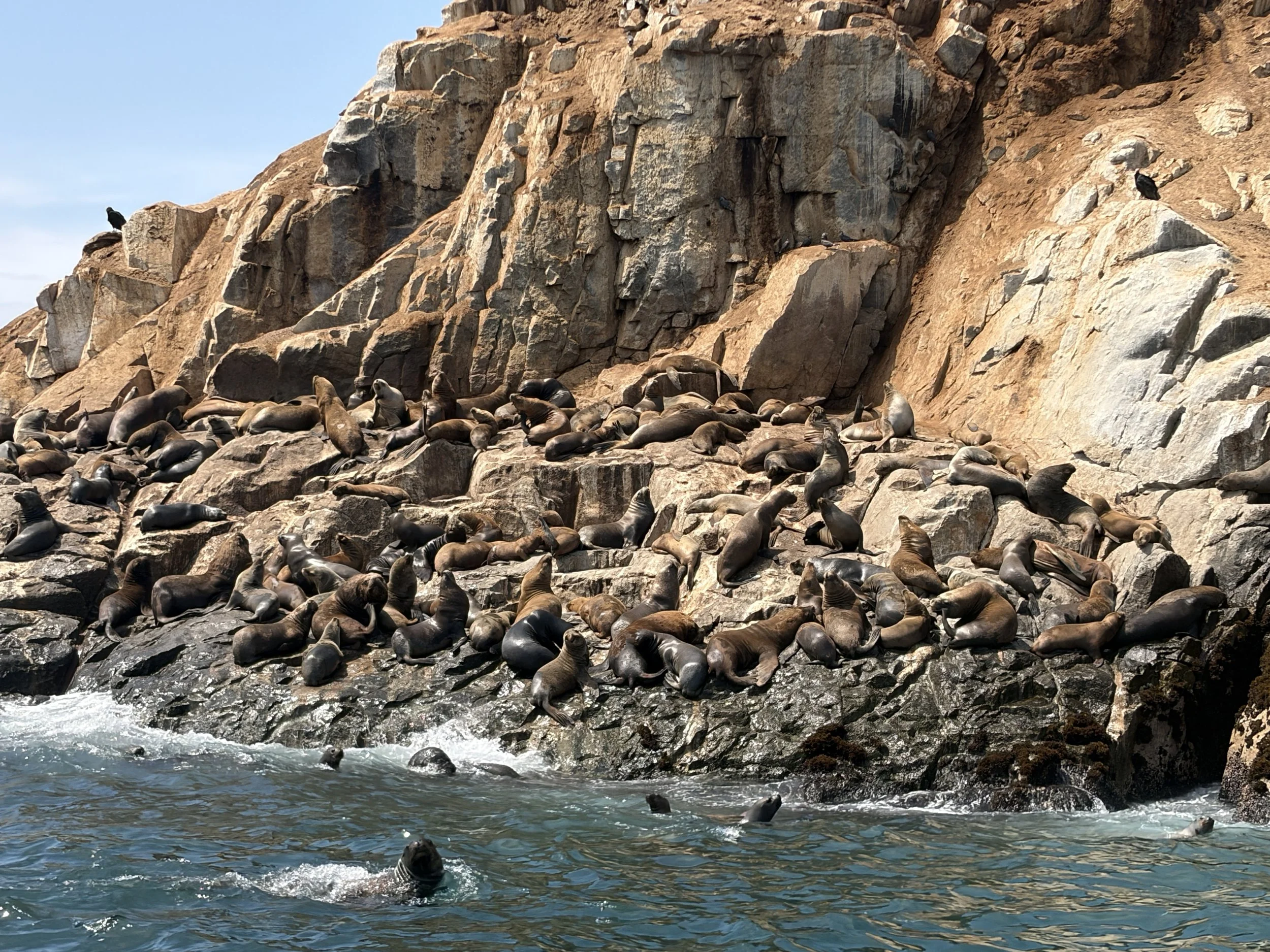
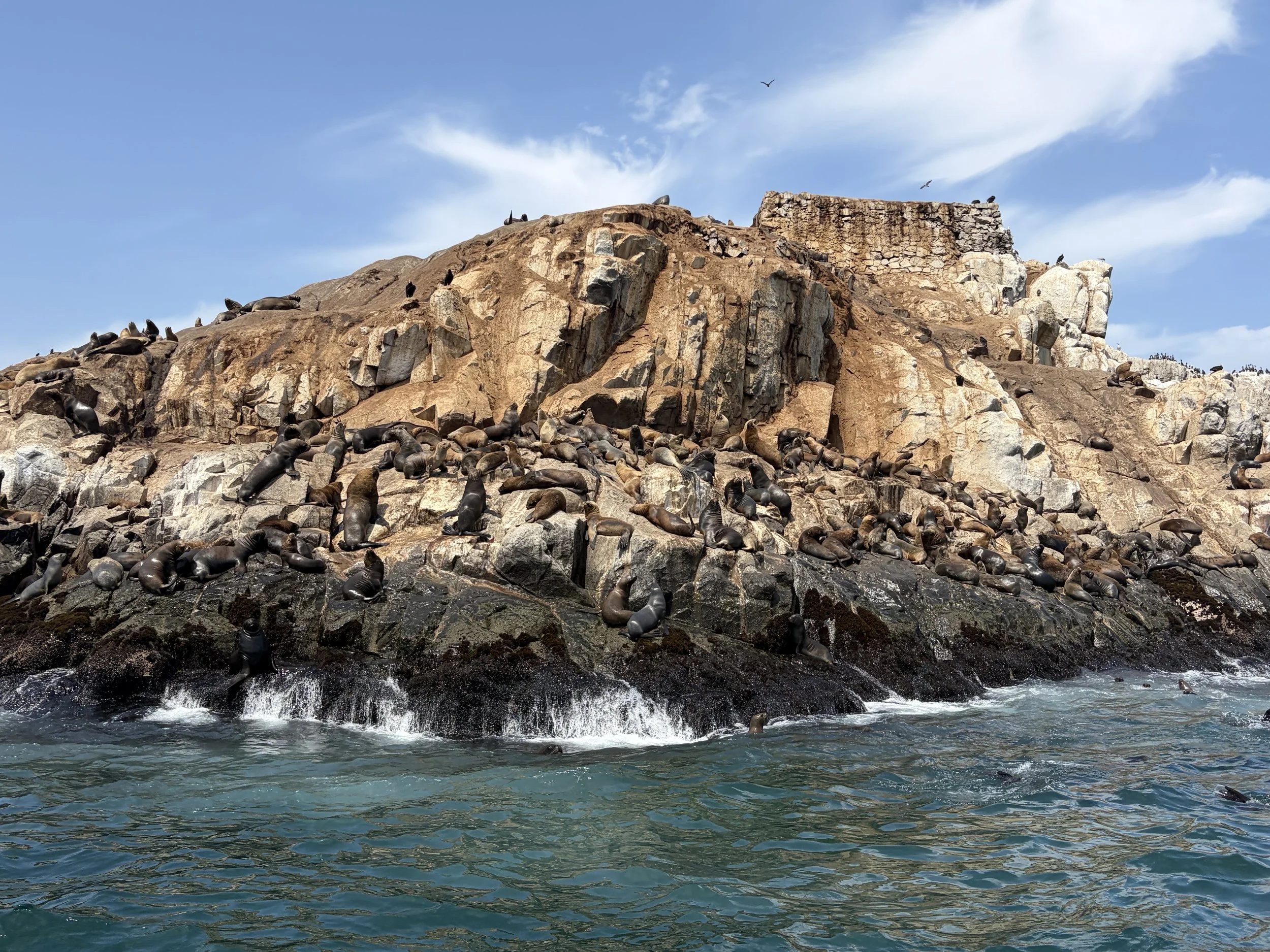
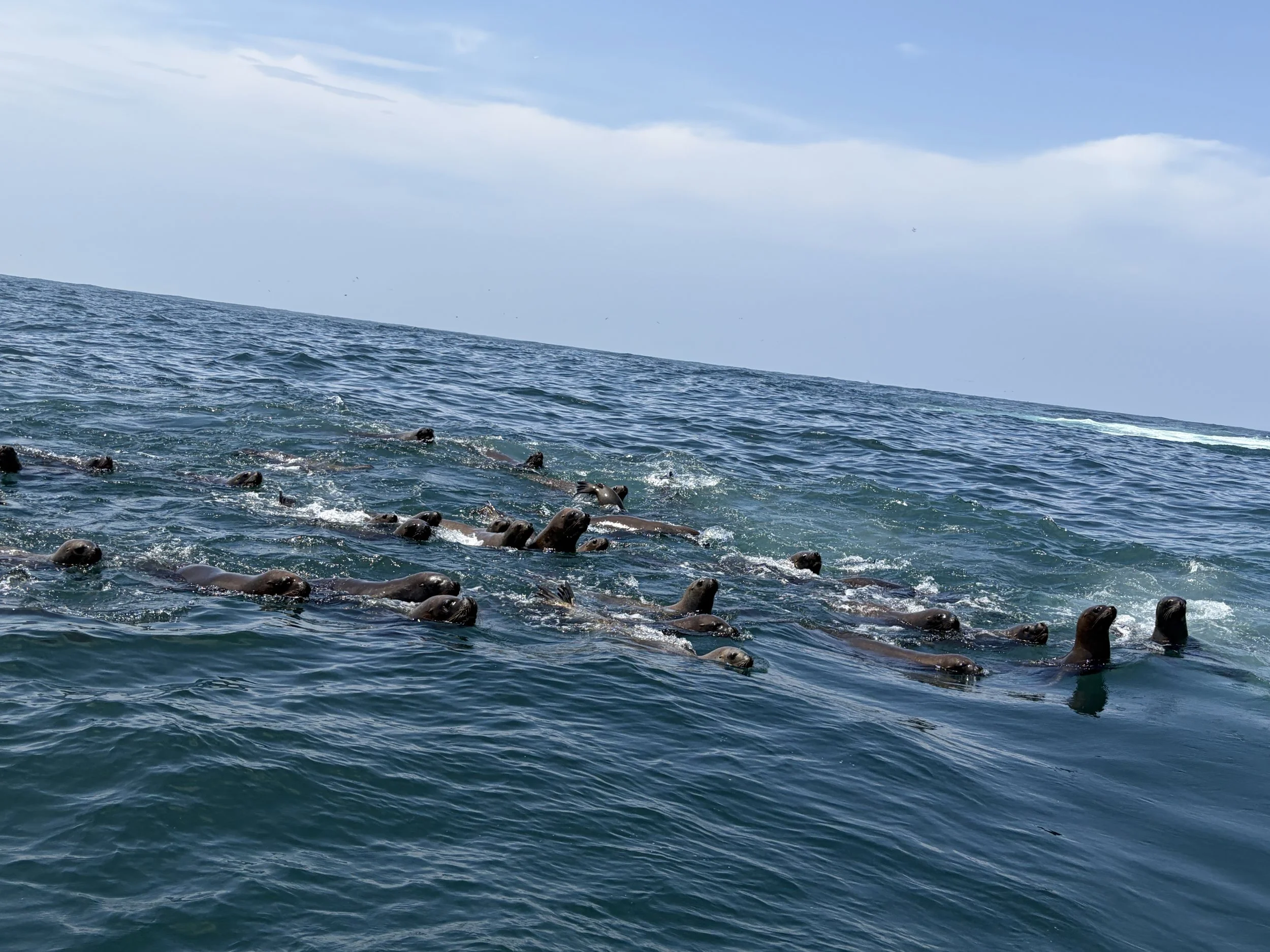
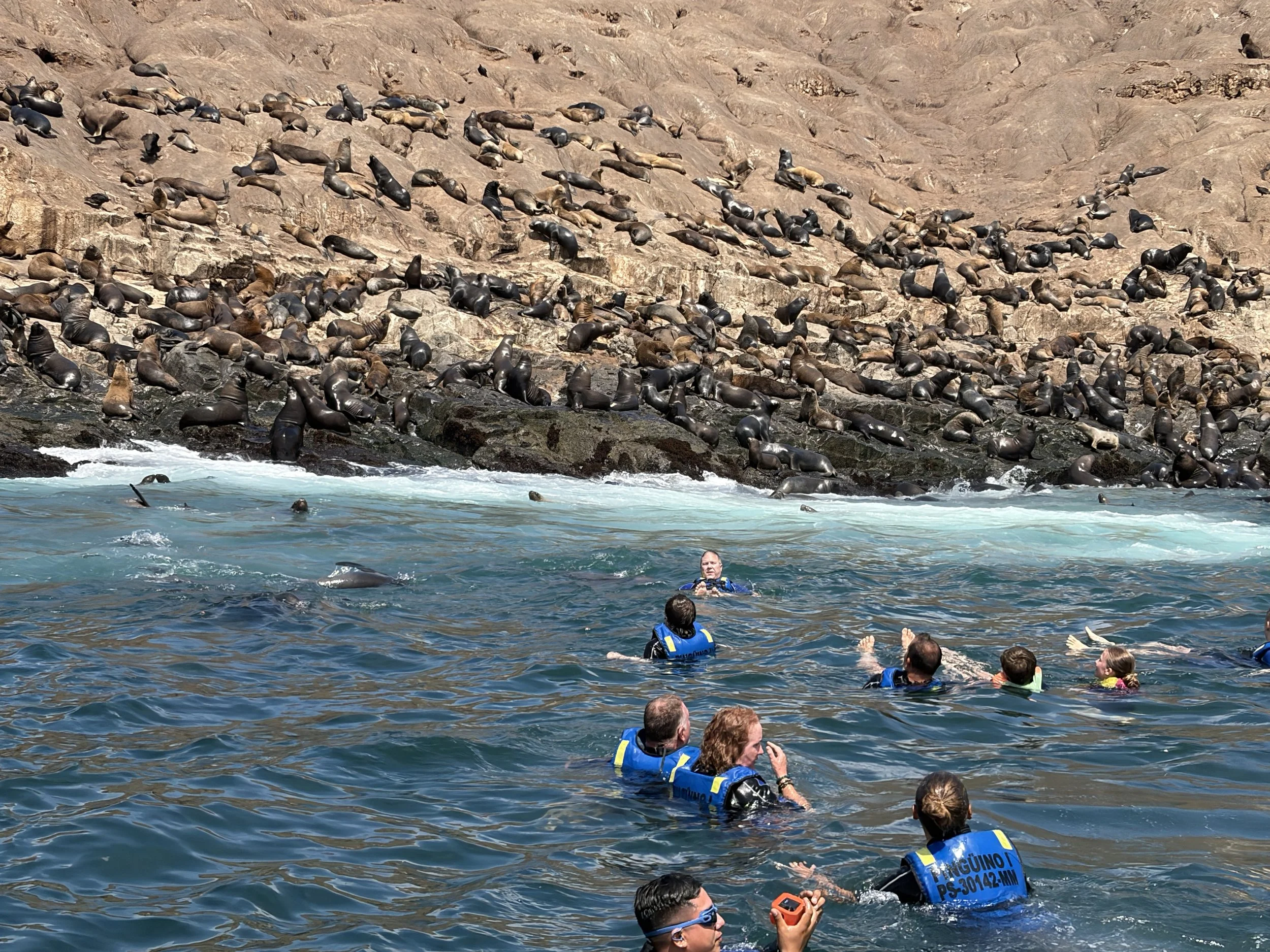
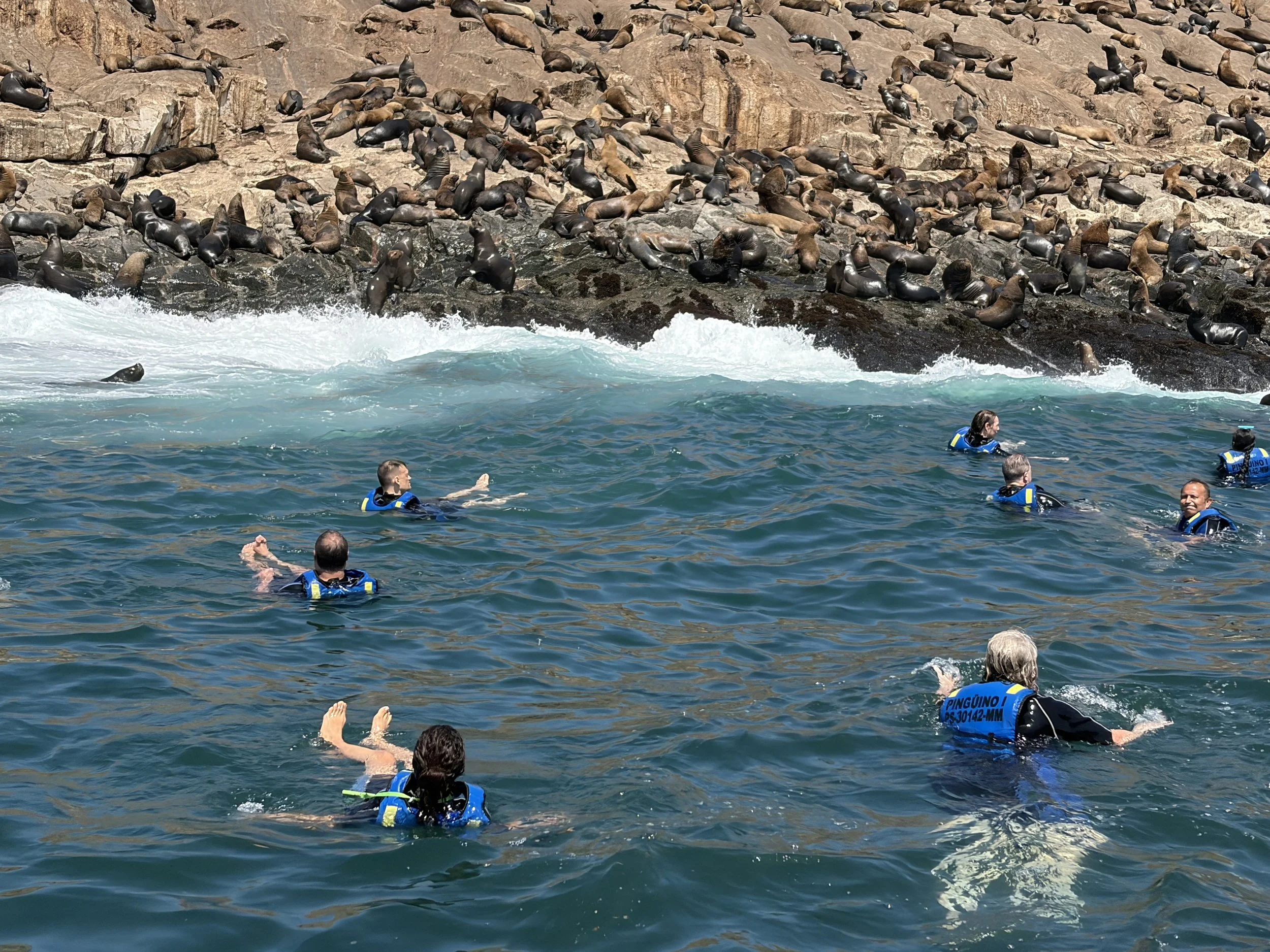
We finally reach what I’m calling Sea Lion Island—hundreds, maybe thousands of them. Massive. Loud. Smelly. Organized chaos. You’ve got alphas (600+ pounds), mates, babies—full society.
As we get closer, they start launching off the rocks and chasing the boat. Everyone is excited. I’m starting to connect dots that I really should have connected earlier. Then the wetsuits come out. And it hits me. We are getting in the water. With them. Here. Where they live. Not a controlled environment. Not a zoo. Not behind glass. Just… us, floating snacks.
The broken English instructions were simply: 1) Swim backwards (apparently freestyle = aggression); and 2) Keep your feet out in front (they like nibbling toes… yes, that was said confidently).
People start jumping in like it’s spring break. I’m still sitting there thinking, “There must be something I am missing. Maybe we’re going somewhere else.” Nope.
I jump in. The cold water hits immediately. But the real shock is realizing I am now surrounded by a mob of sea lions who seem very interested in us. Everyone else is trying to get closer, touch them, and interact. I take the opposite approach: “We acknowledge each other. That’s enough.” They’re circling, darting, brushing past. At one point one comes directly at me full force and nudges me, and I have a very real “this is how it ends” moment.
The final tally from the experience: 3 out of 15 didn’t make it off the boat before throwing up, 5 out of the remaining 12 who did get off the boat were bitten where blood came out, and 1 woman lost a chunk of her toe. I feel like a survivor after that experience.
Lunch: The Potato Awakening
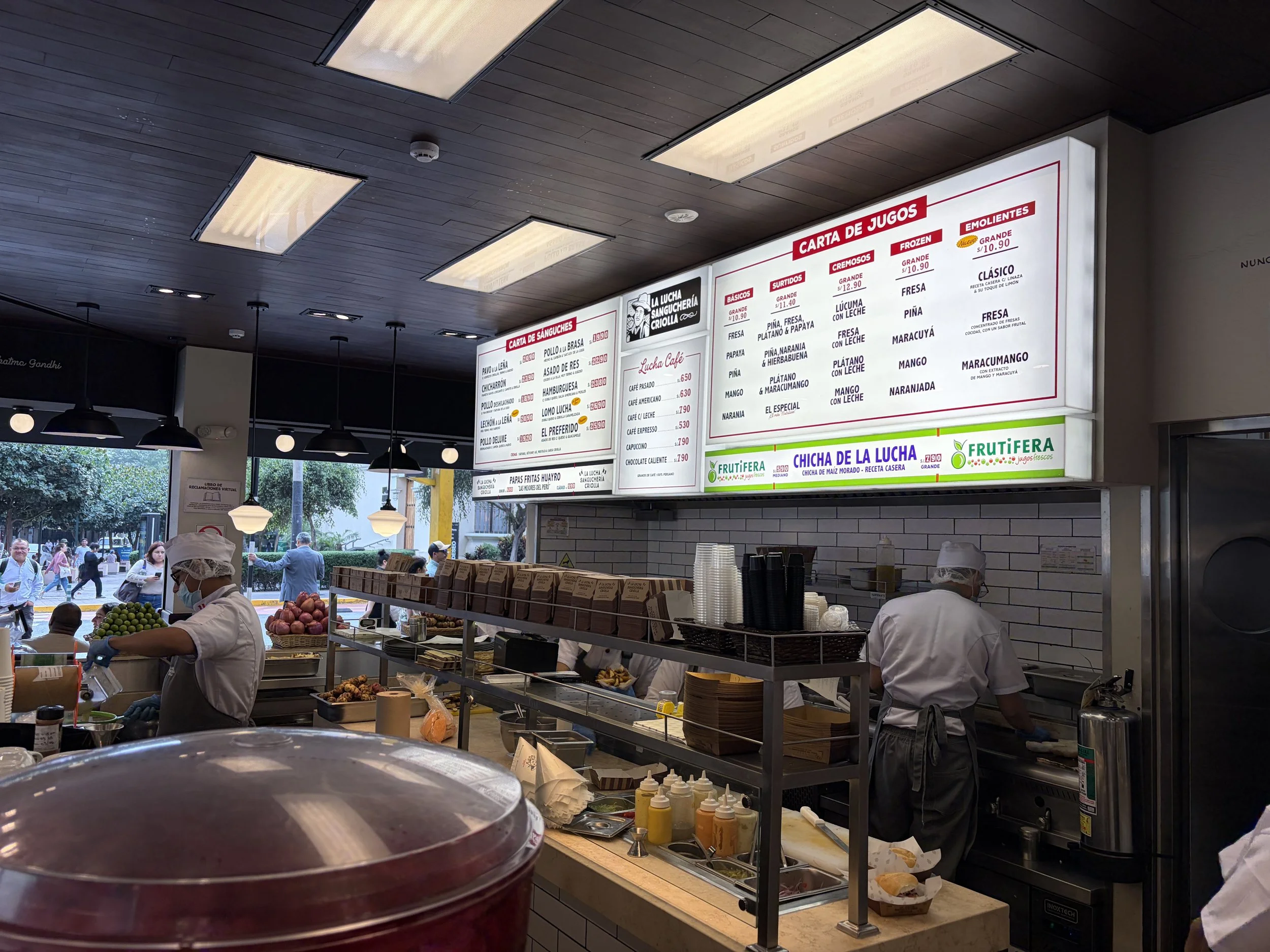
After surviving that, I needed food. I stopped at La Lucha Sanguchería Criolla. Menu in Spanish, but enough overlap to order a roast beef sandwich, fries, and the purple corn drink (maíz morado). The sandwich was solid. But the fries? Elite.
At the time, I couldn’t explain it. Later on the food tour, I learned Peru has over 4,000 varieties of potatoes. Four thousand. At that moment, everything clicked. These weren’t just fries—they were heritage fries. Cultural fries. Fries with a lineage.
Food Tour: A Structured Concept That Immediately Fell Apart
The afternoon tour was a food tour in Barranco, which is easily the coolest neighborhood I visited—artsy, colorful, and with way more personality than Miraflores. If I go back, I’d stay there without question. The group was about ten people, a mix of couples from the U.S., Ireland, Sweden, and one solo traveler from China, which made for a fun dynamic. The theme of the tour was supposed to be “breakfast, lunch, and dinner,” which sounded organized in theory but quickly became more of a loose suggestion than a structured plan.
Stop 1: Breakfast
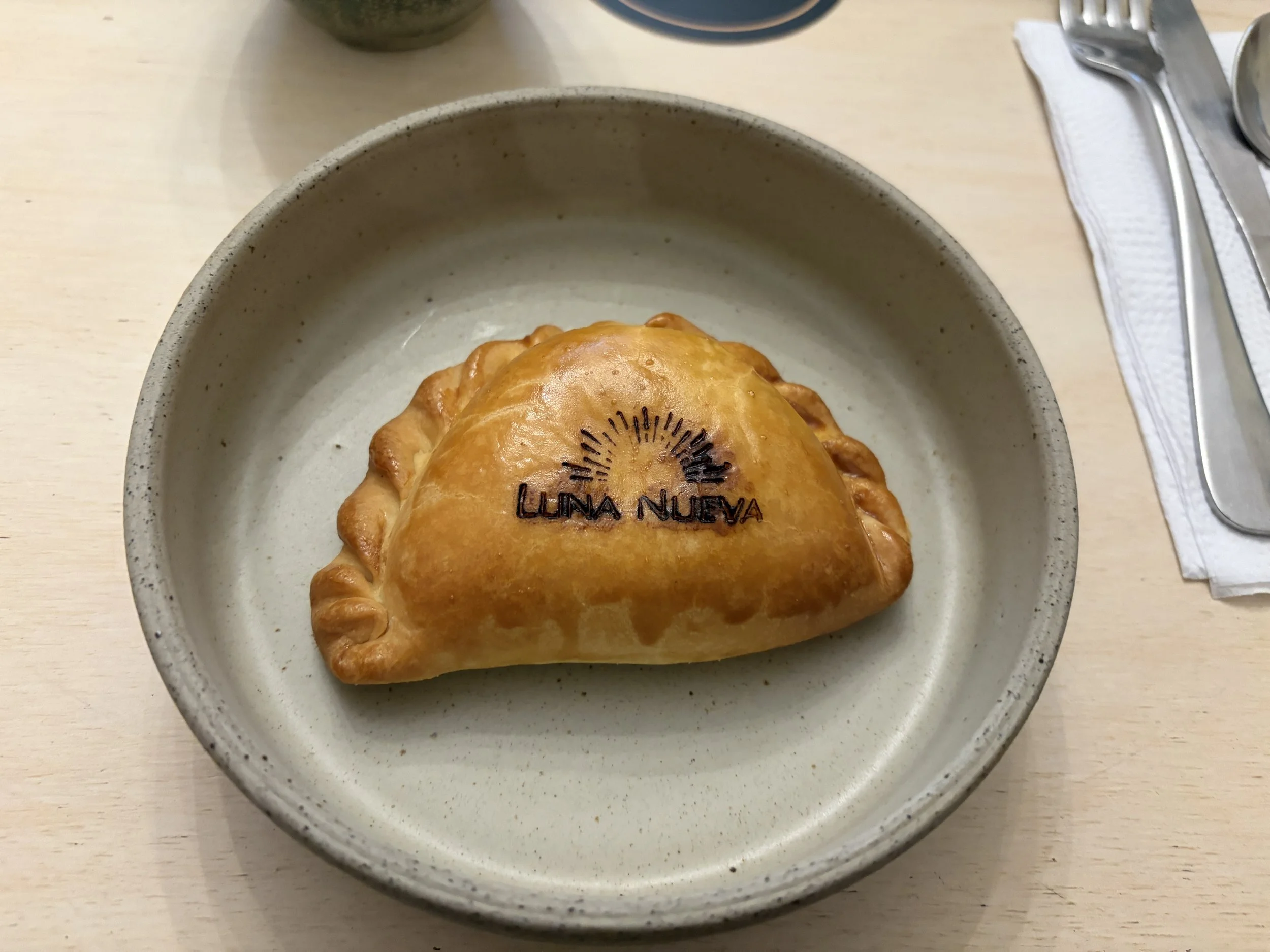
We started with what was labeled “breakfast” at a place called Luna Nuevo, which consisted of coffee and a chicken empanada. The coffee made sense—classic breakfast—but the chicken empanada felt like a bold interpretation of the concept. This was also where I knowingly tried aji amarillo for the first time, the yellow chili pepper that is basically in everything in Peru. It’s hard to describe, but it’s kind of like their version of a mild curry—flavorful, slightly sweet, and not overwhelmingly spicy. As it turns out, I had already eaten it earlier with my fries at lunch and just didn’t realize it at the time.
Stop 2: Fruit Tasting
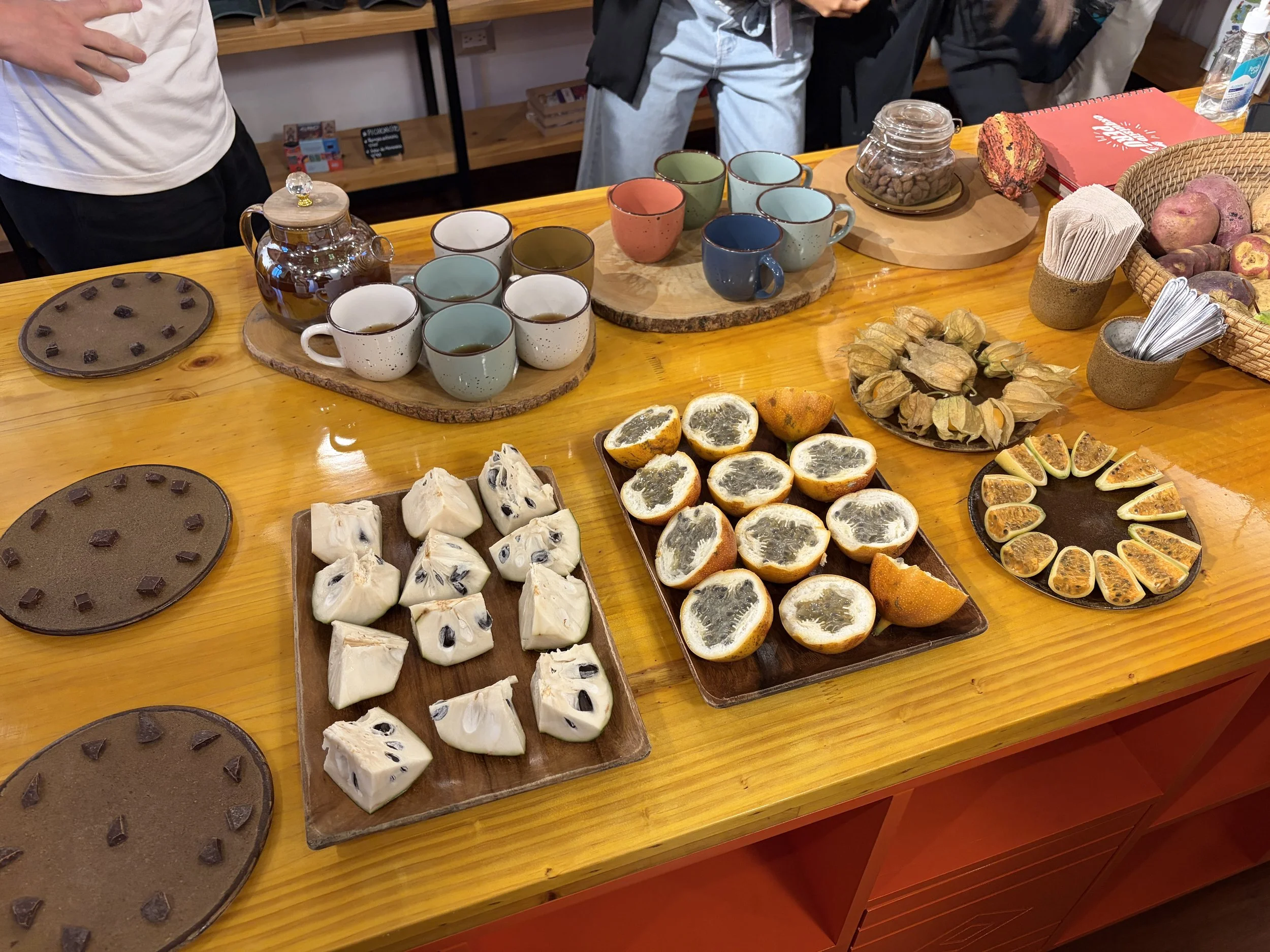
From there, we moved on to a fruit tasting that ranged from interesting to slightly questionable. Some were slimy, some sour, some sweet, but the standout was definitely chirimoya, which they described as a “creamy apple.” It actually lived up to the hype—smooth, sweet, and something I immediately thought Ripley would love. Now I’m on a mission to figure out where to find it in California.
Stop 3: Cooking Demo – Lomo Saltado
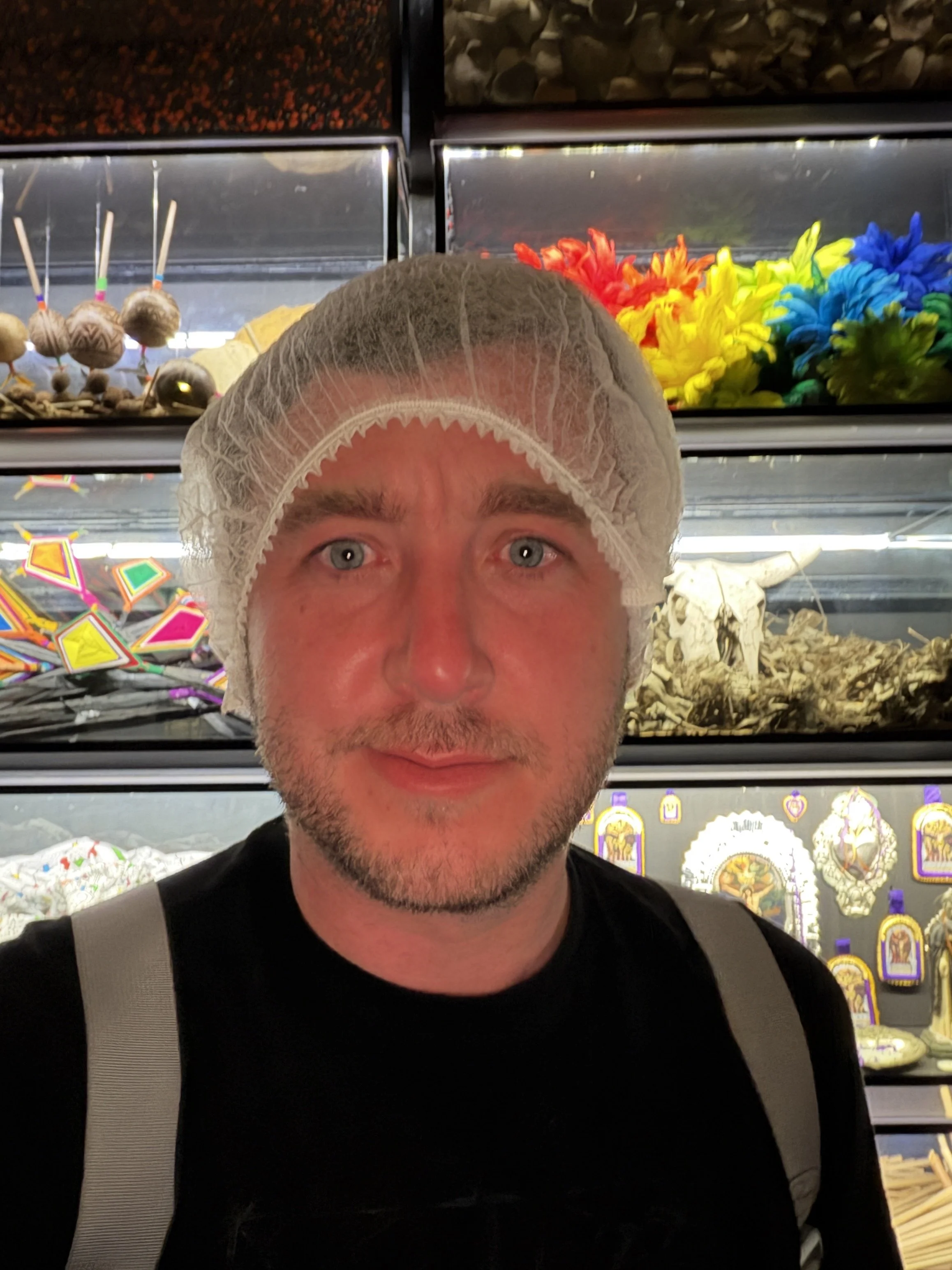
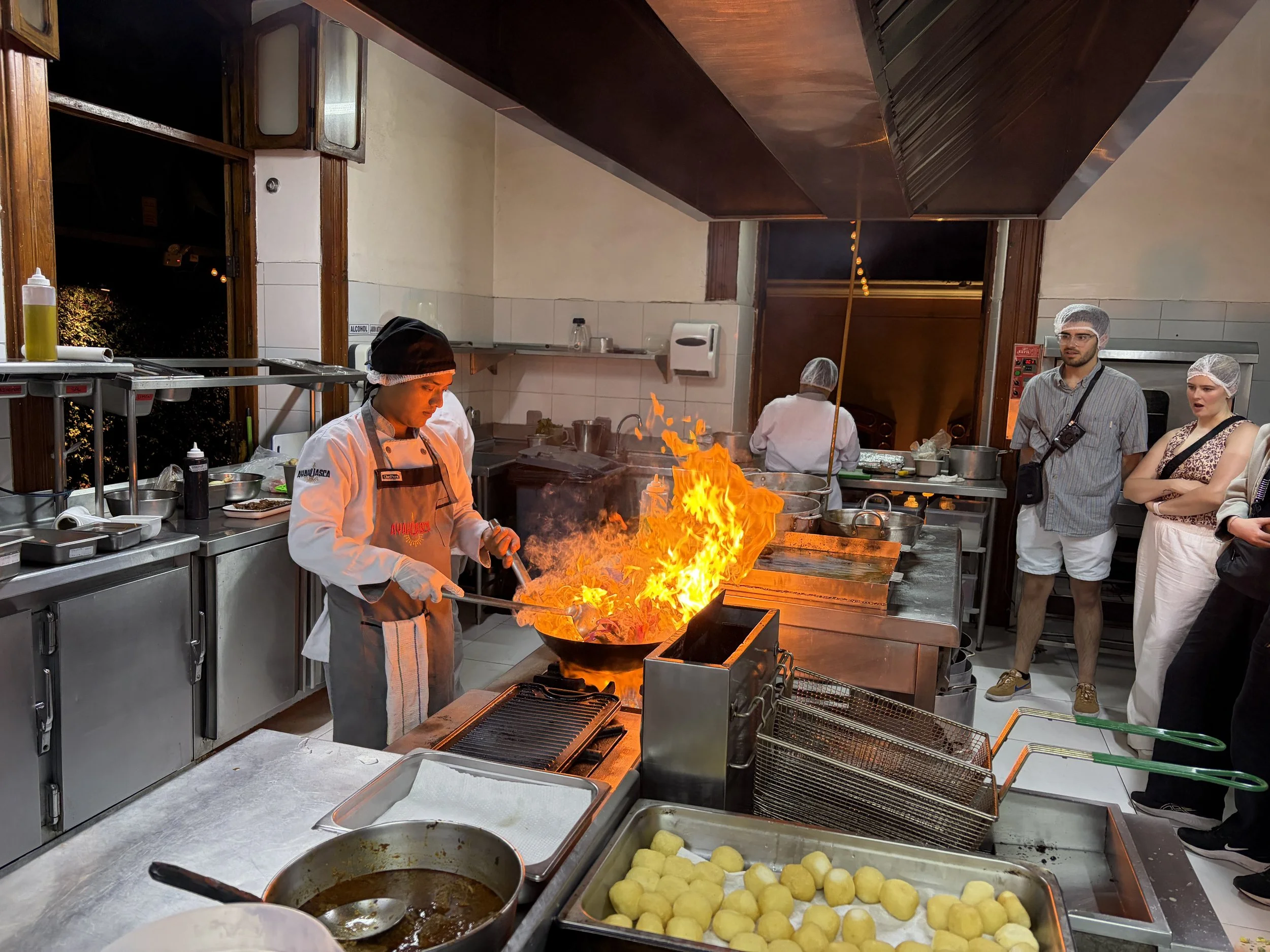
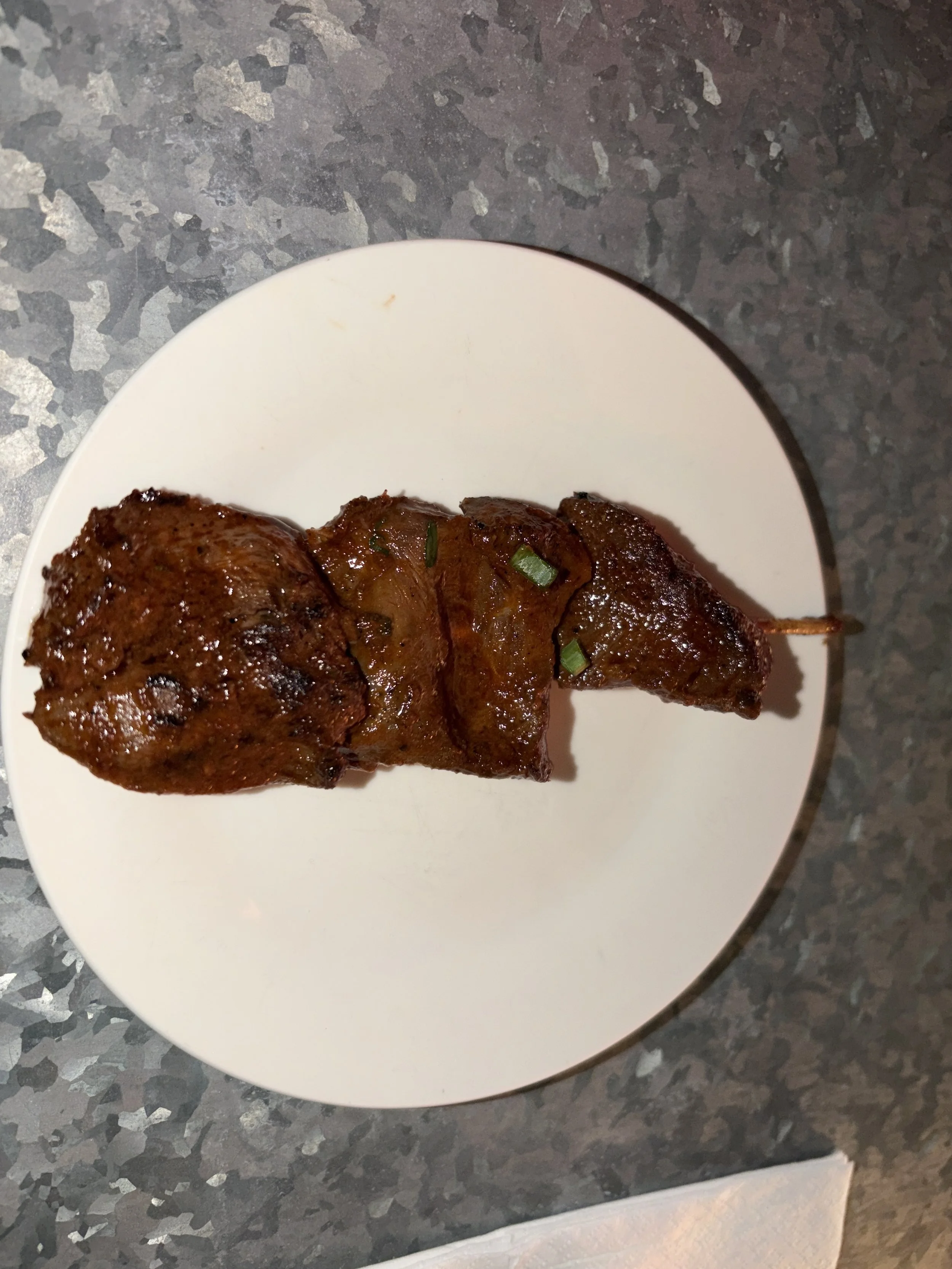
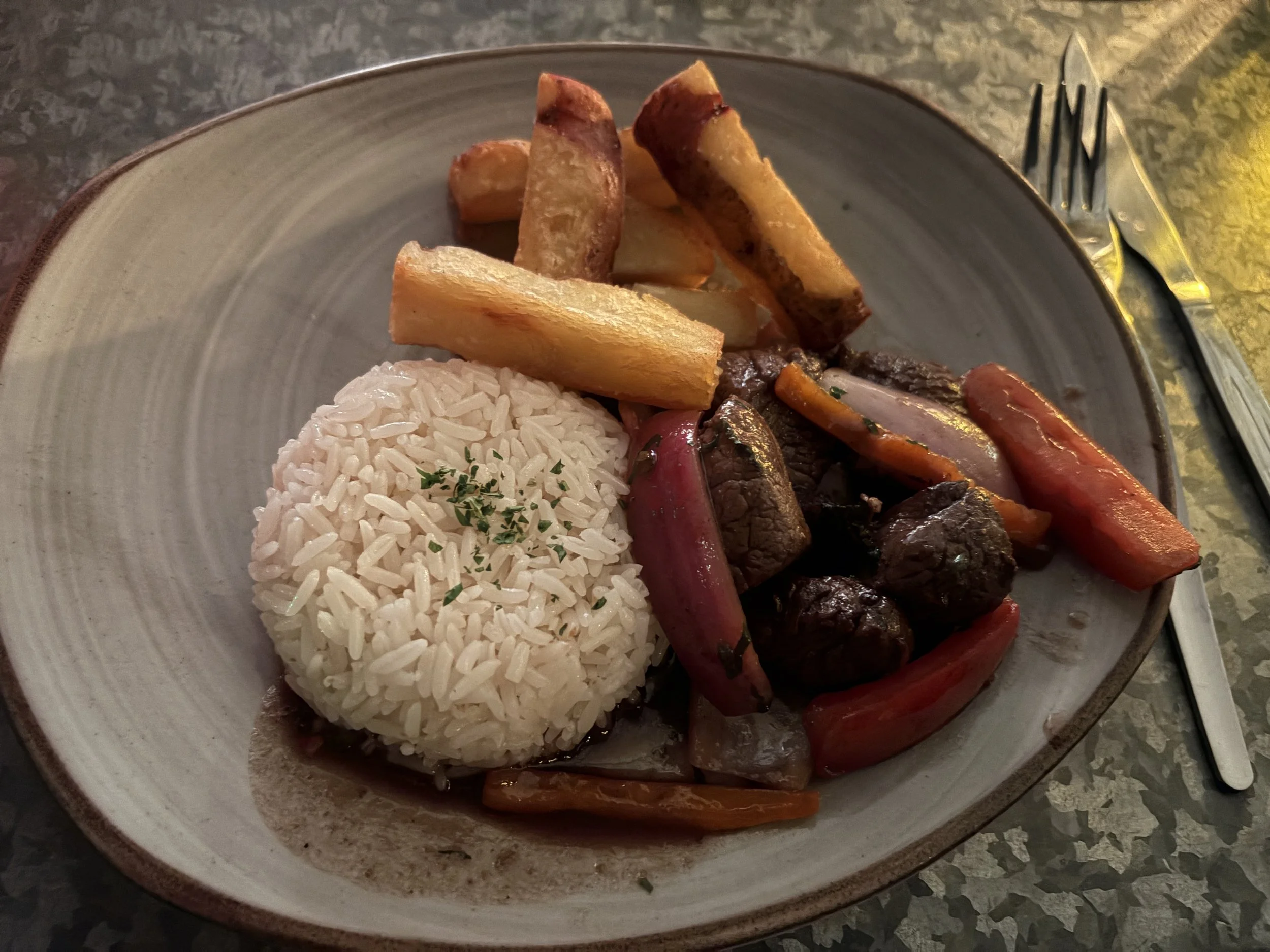
Next came a cooking demonstration focused on lomo saltado, a Chifa dish that blends Peruvian and Chinese influences—steak, rice, fries, soy sauce, and vegetables. It’s basically comfort food engineered for success. I was excited to try it, but that excitement took a sharp turn when they pivoted mid-demonstration and announced we would also be trying beef heart. They brought out large portions like this was completely normal, and everyone else seemed thrilled. I took a bite, and while the flavor wasn’t terrible at first, the texture was what got me—rubbery, chewy, and very hard to mentally commit to swallowing. Meanwhile, everyone else was inhaling it like it was their favorite dish. I was the only one who didn’t finish, and I was completely fine with that decision. Fortunately, they followed it up by serving the lomo saltado we had just watched them prepare, and it was a full, generous portion. At that point, I was starving, so this felt like a much-needed recovery.
Stop 4: Ceviche (or Not for Me)
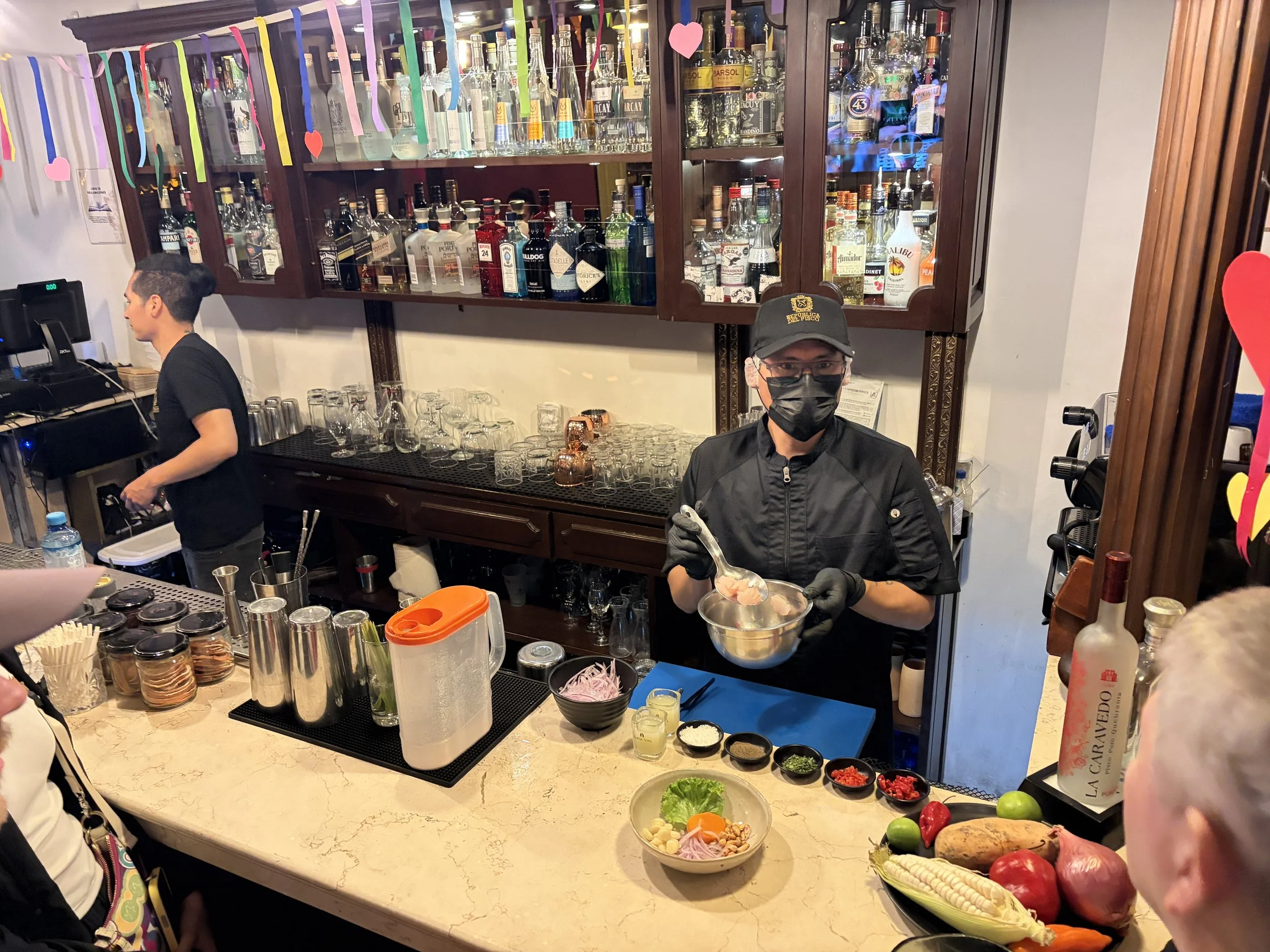
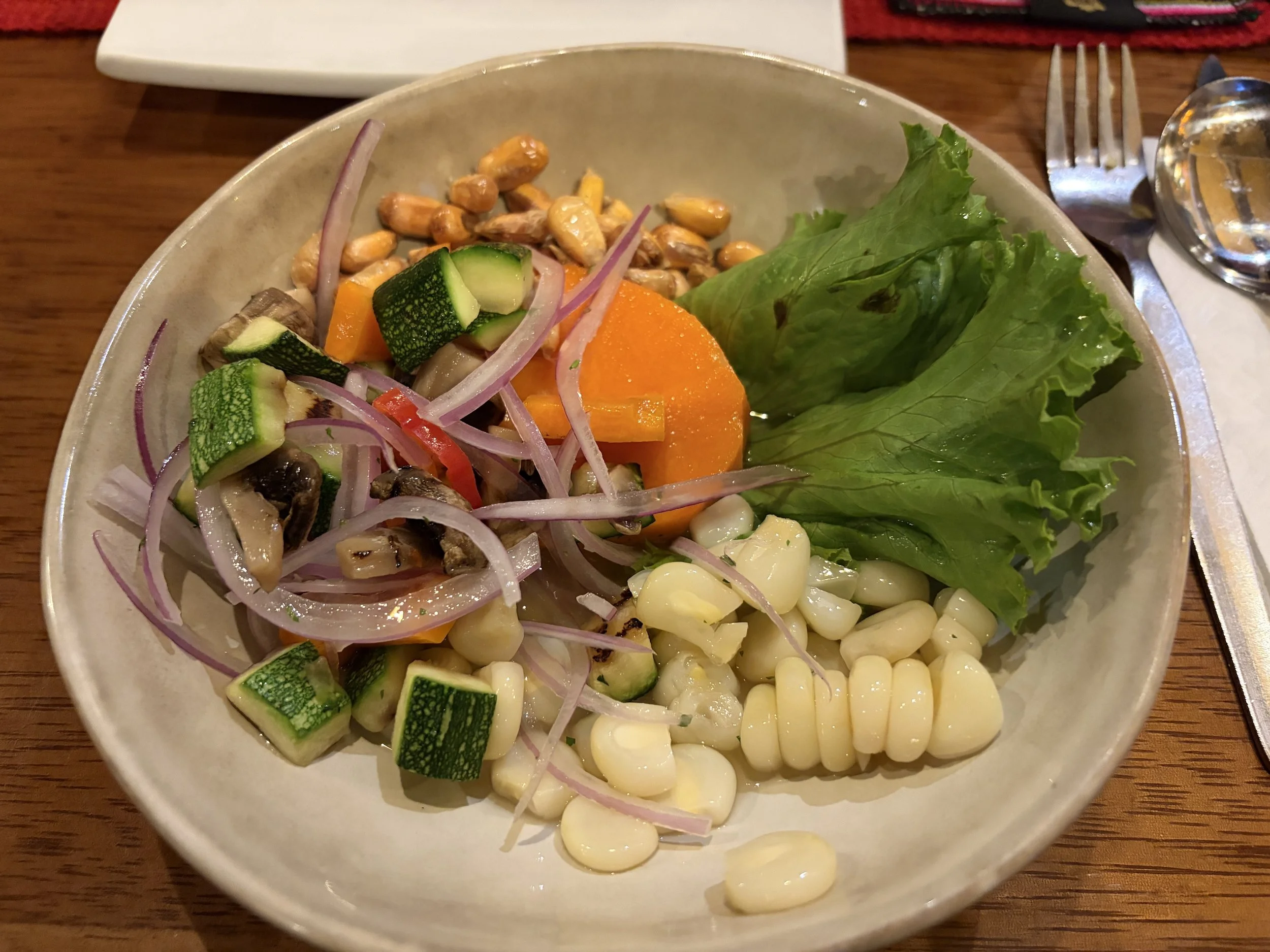
The next stop was ceviche, which required a bit of coordination given my stance on seafood. I had told the tour company ahead of time that I don’t eat seafood, and when we started the tour the guide tried to clarify exactly what that meant. She went through what felt like 30 different fish options, and I kept saying no until I finally simplified it: if it lives in the water, I’m not eating it. By the time we got to the ceviche restaurant, she pulled me aside and told me the chef would make a vegetarian version just for me. I ended up with potatoes, avocado, sweet potato, and corn instead of fish, and honestly, I couldn’t have been happier with that outcome.
Final Stops: Drinks & Dessert
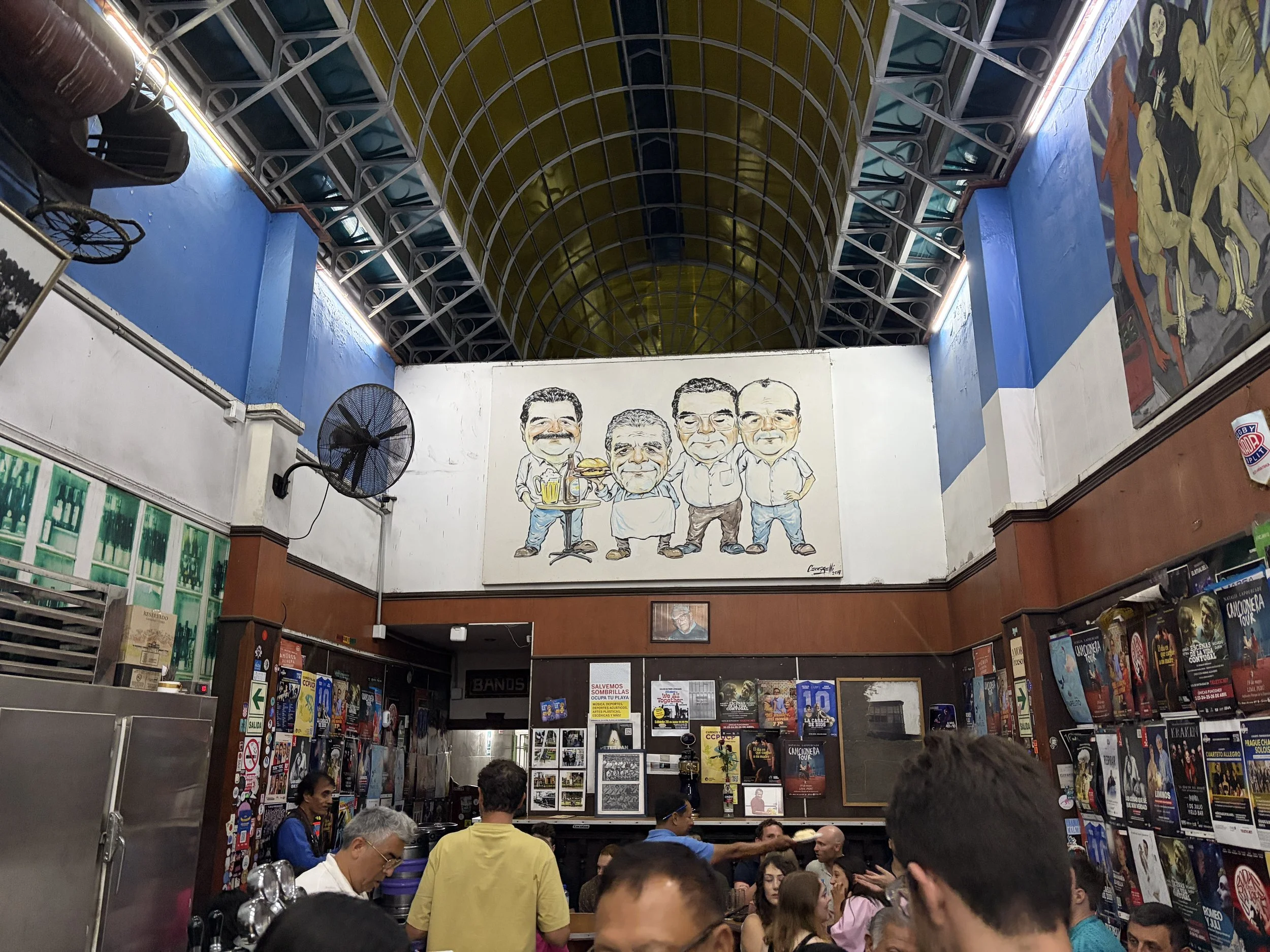
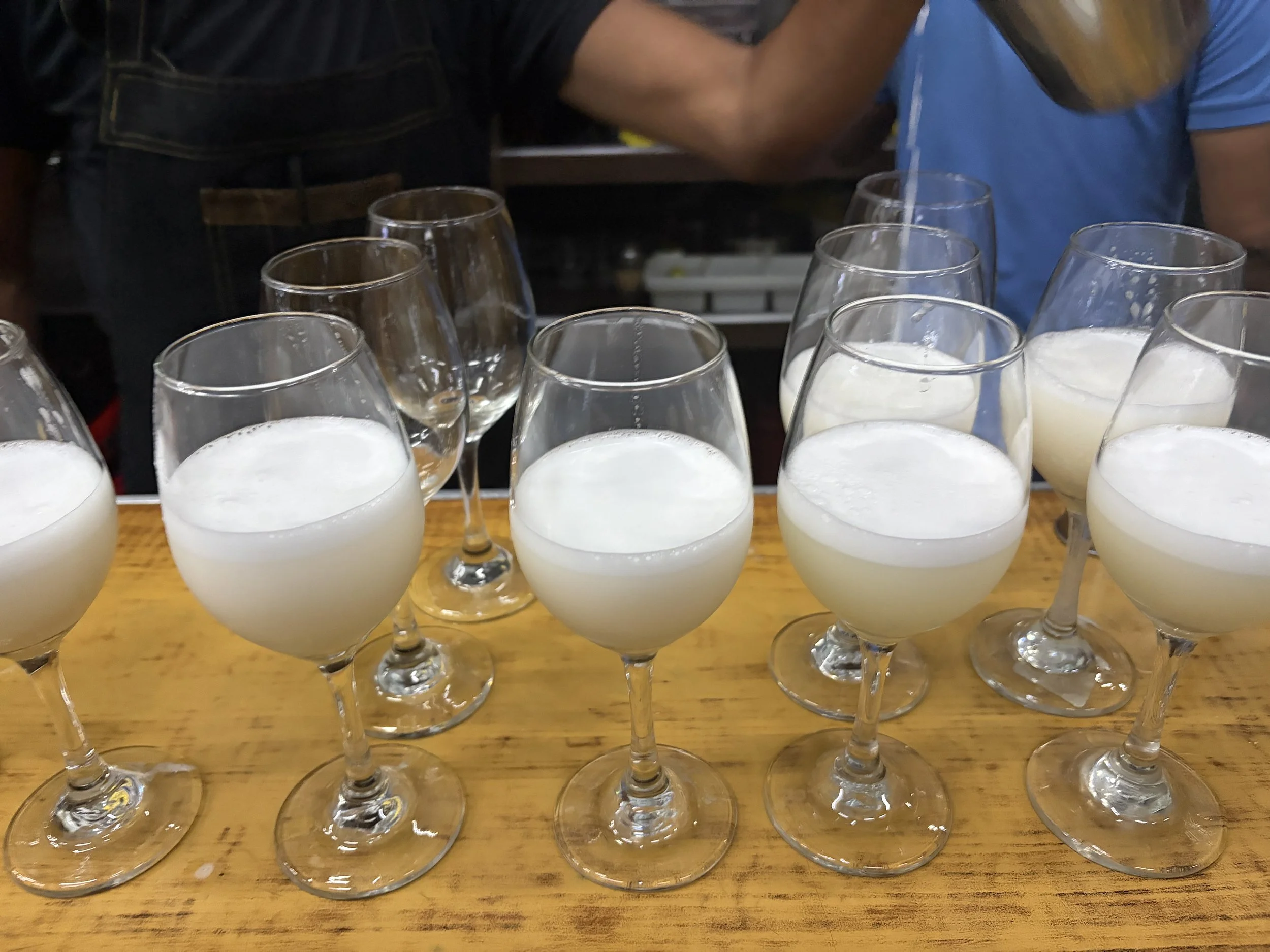
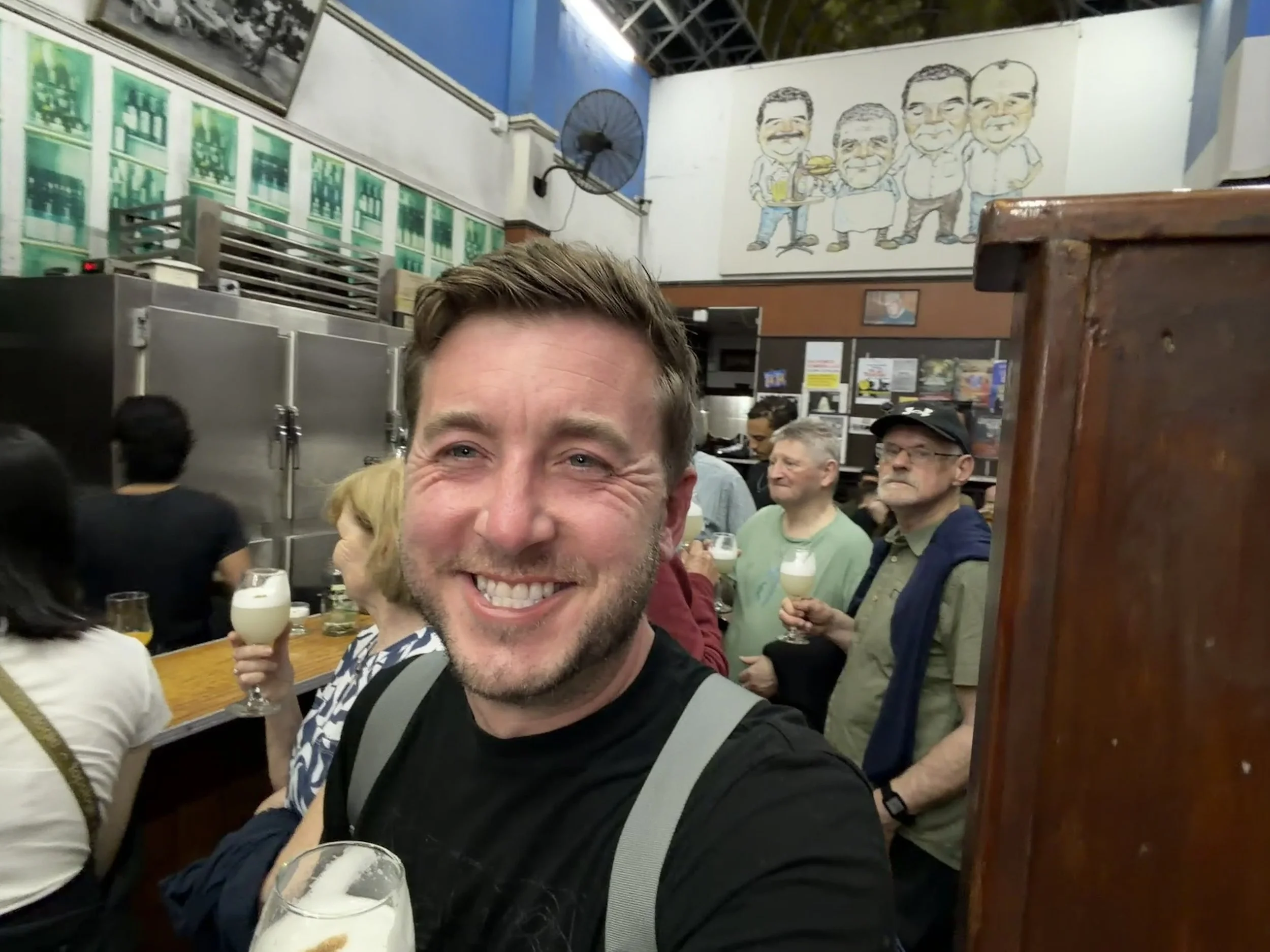
The tour wrapped up with drinks at Juanitos and dessert. Peru is known for its pisco sour, which I’d describe as something close to a margarita without the salt—smooth, slightly tart, and easy to drink. It was good, though not something I’d go out of my way to chase down again. Dessert was gelato, which was fine, but having recently been to Italy, the comparison wasn’t doing it any favors. By the end of the night, everyone said their goodbyes and headed back to their hotels, and I left feeling like I had eaten an entire day’s worth of meals in just a few hours.
Saturday: Culture, Mummies, and Unexpected Erotica
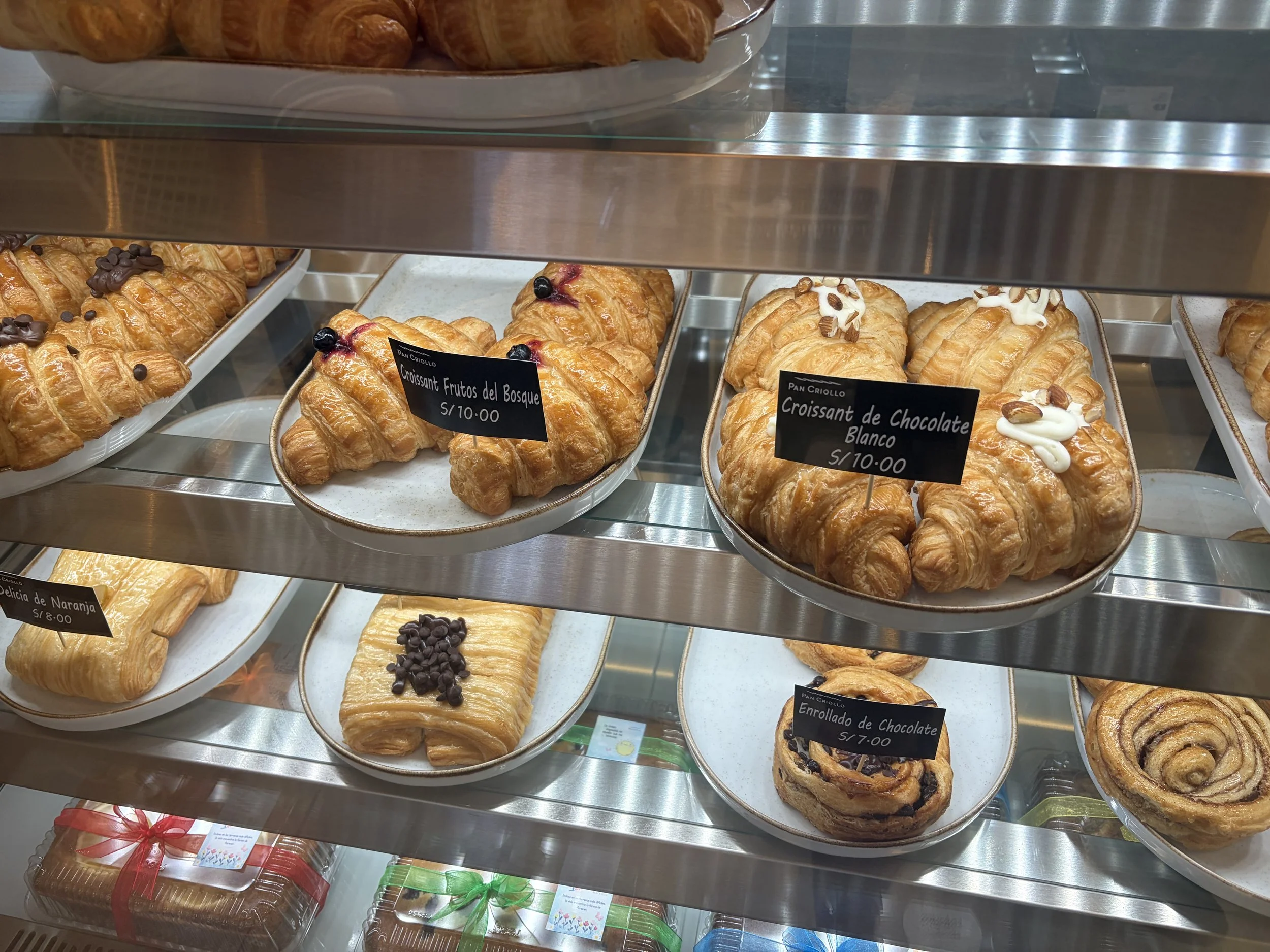
Saturday started with me attempting to sleep in, which for me meant making it to about 8am before giving up and getting ready. I wandered around until I found a bakery that was actually open and grabbed a croissant. It was good, but I still think U.S. bakeries win purely on butter usage alone.
From there, I Ubered to Museo Larco, which is in a different district, and by this point I had learned to double whatever the estimated travel time was. That rule held true again. The museum itself was incredible—a walled-off space filled with one of the largest collections of Inca pottery in the world. One of the most unique aspects is that they actually display their storage, so when you see one jaguar ceramic on display, there are ten more sitting in storage like backups. It really drives home the scale of what they have.
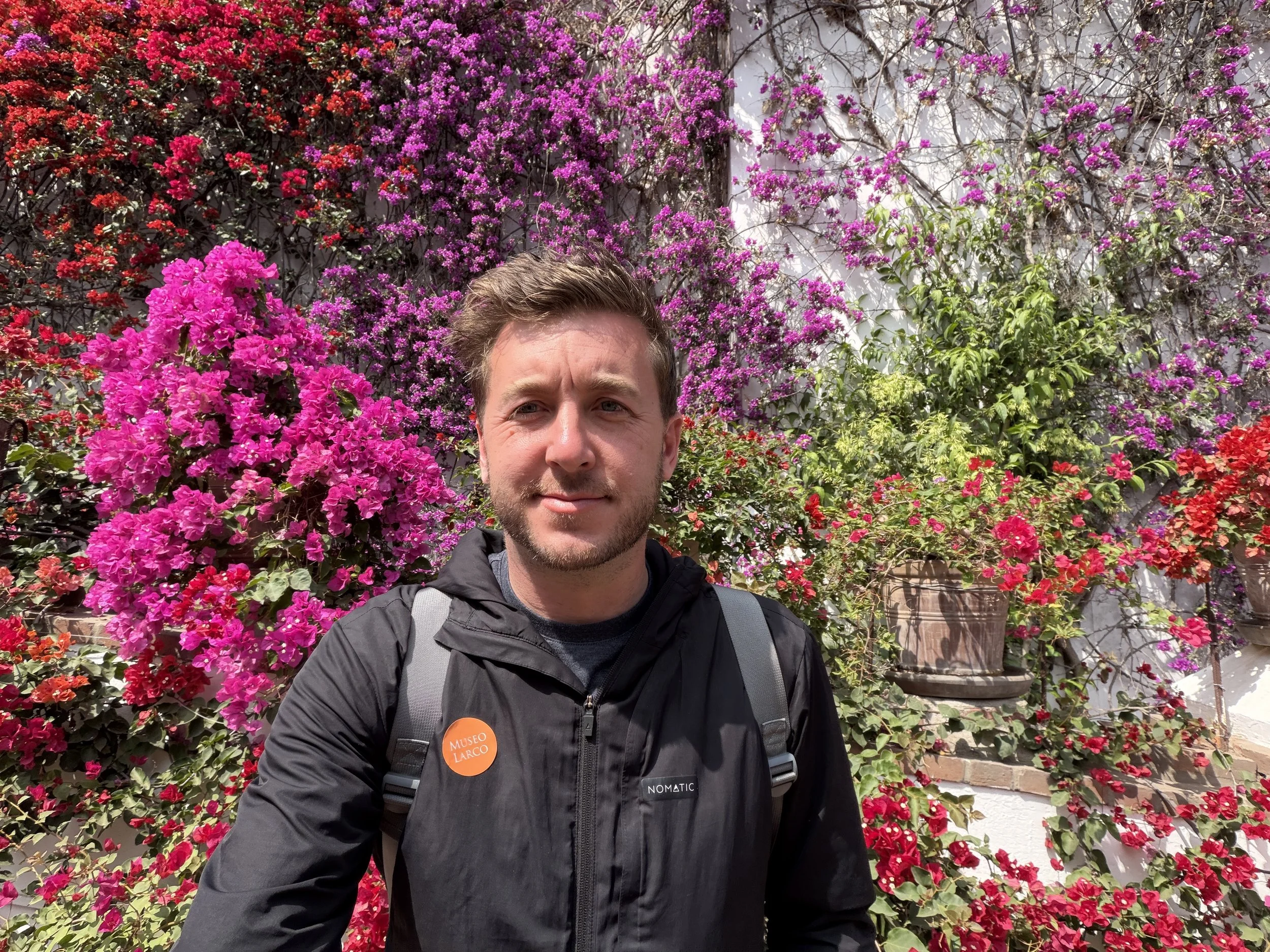
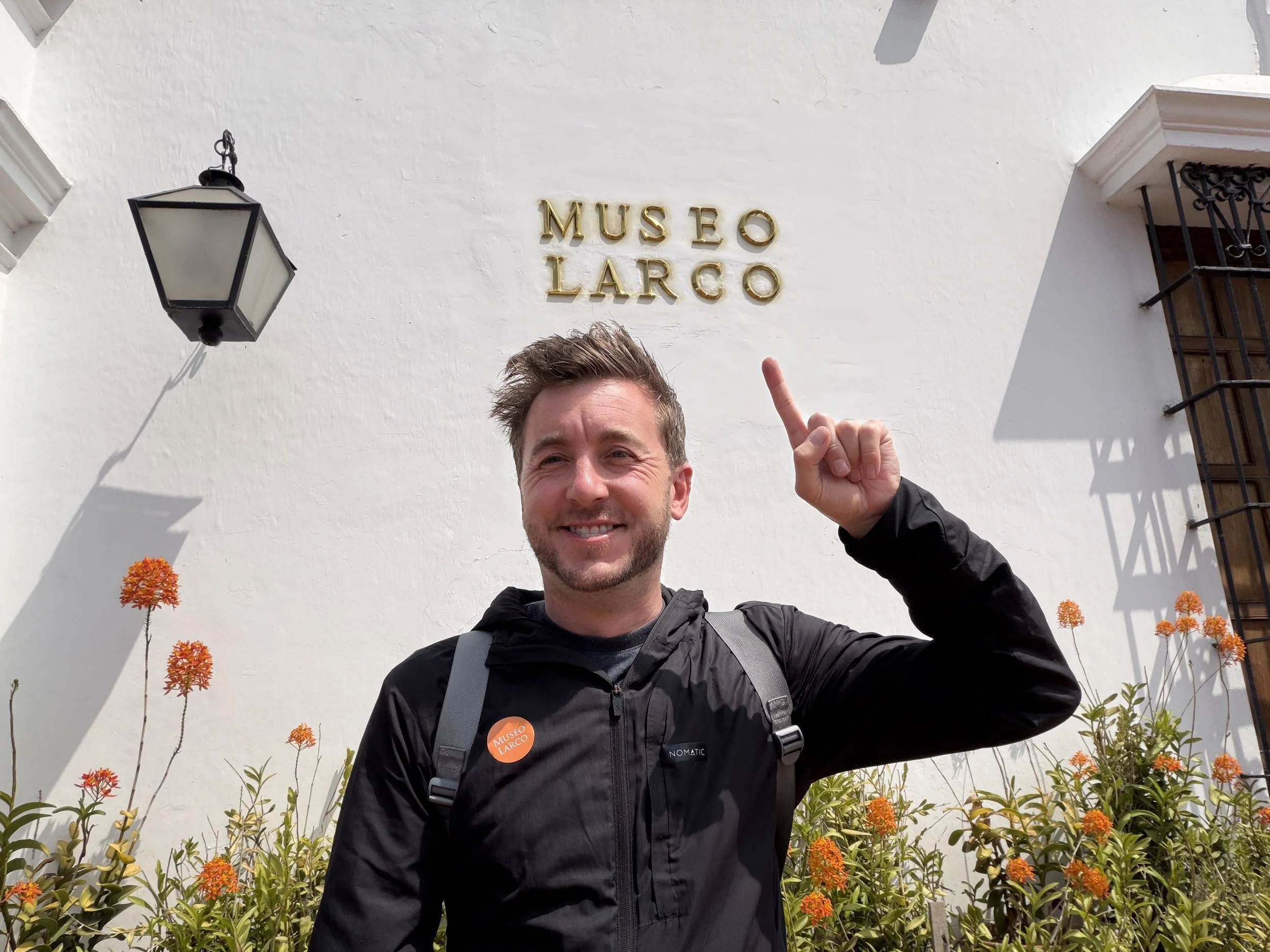
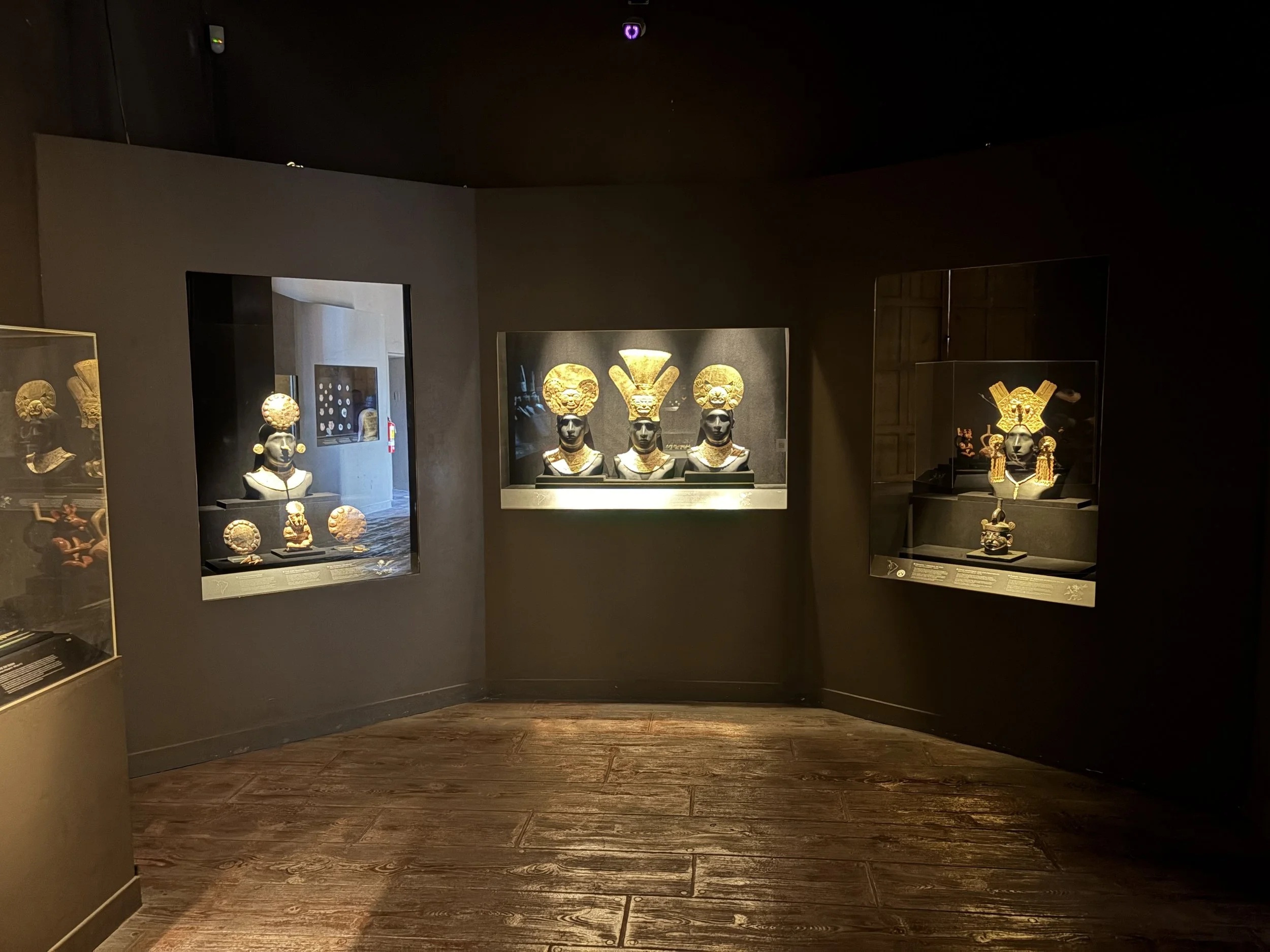
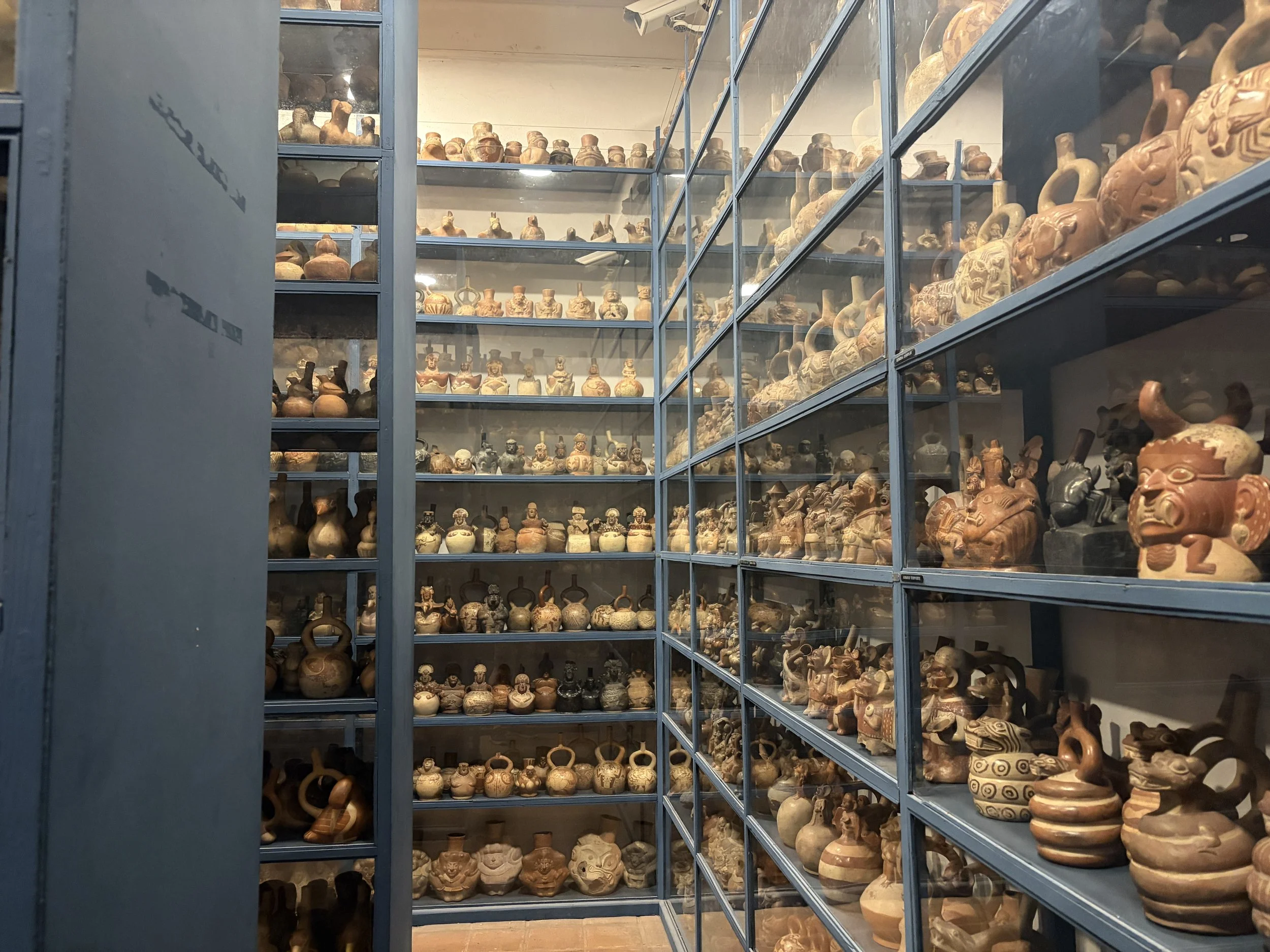
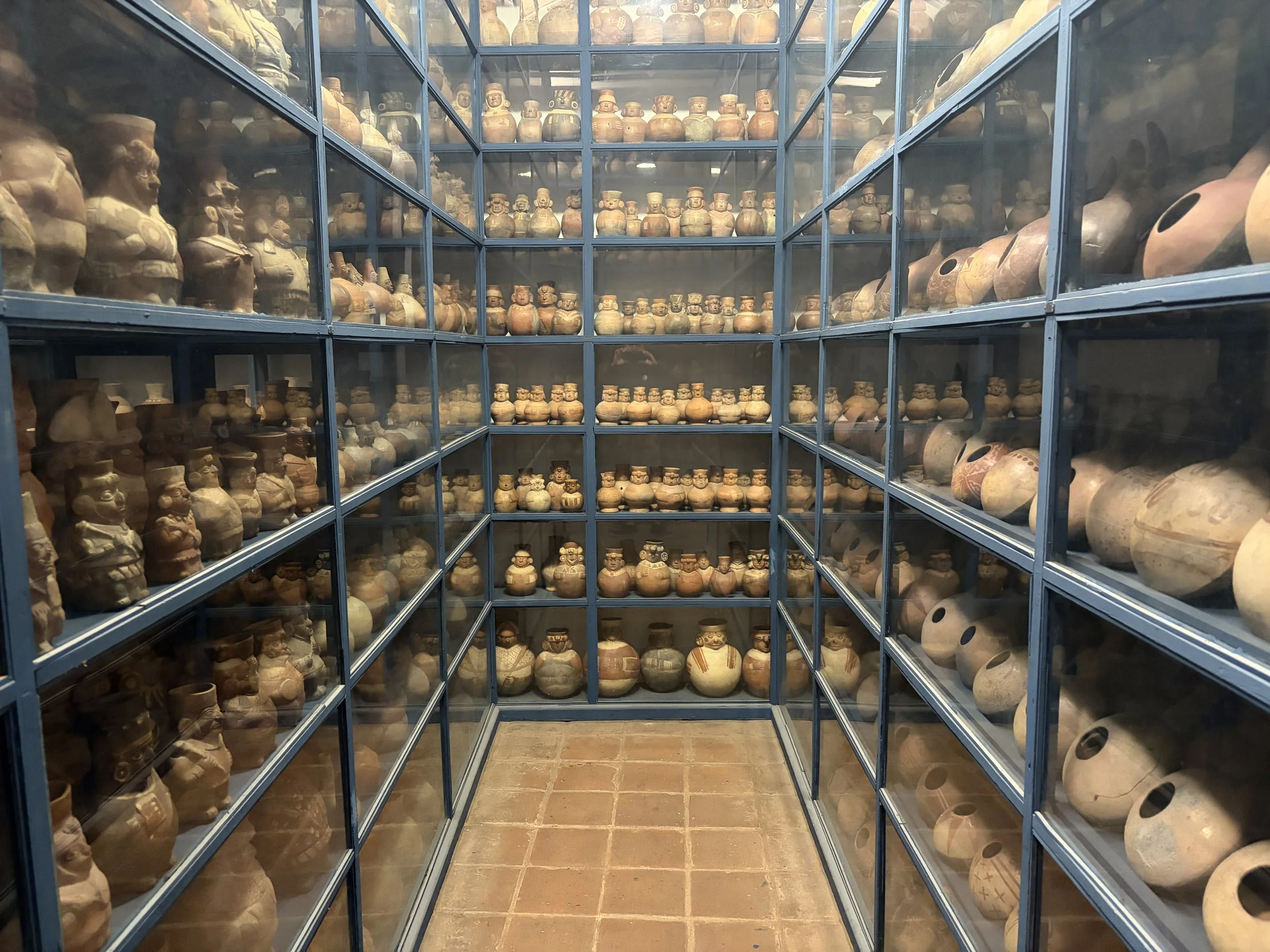
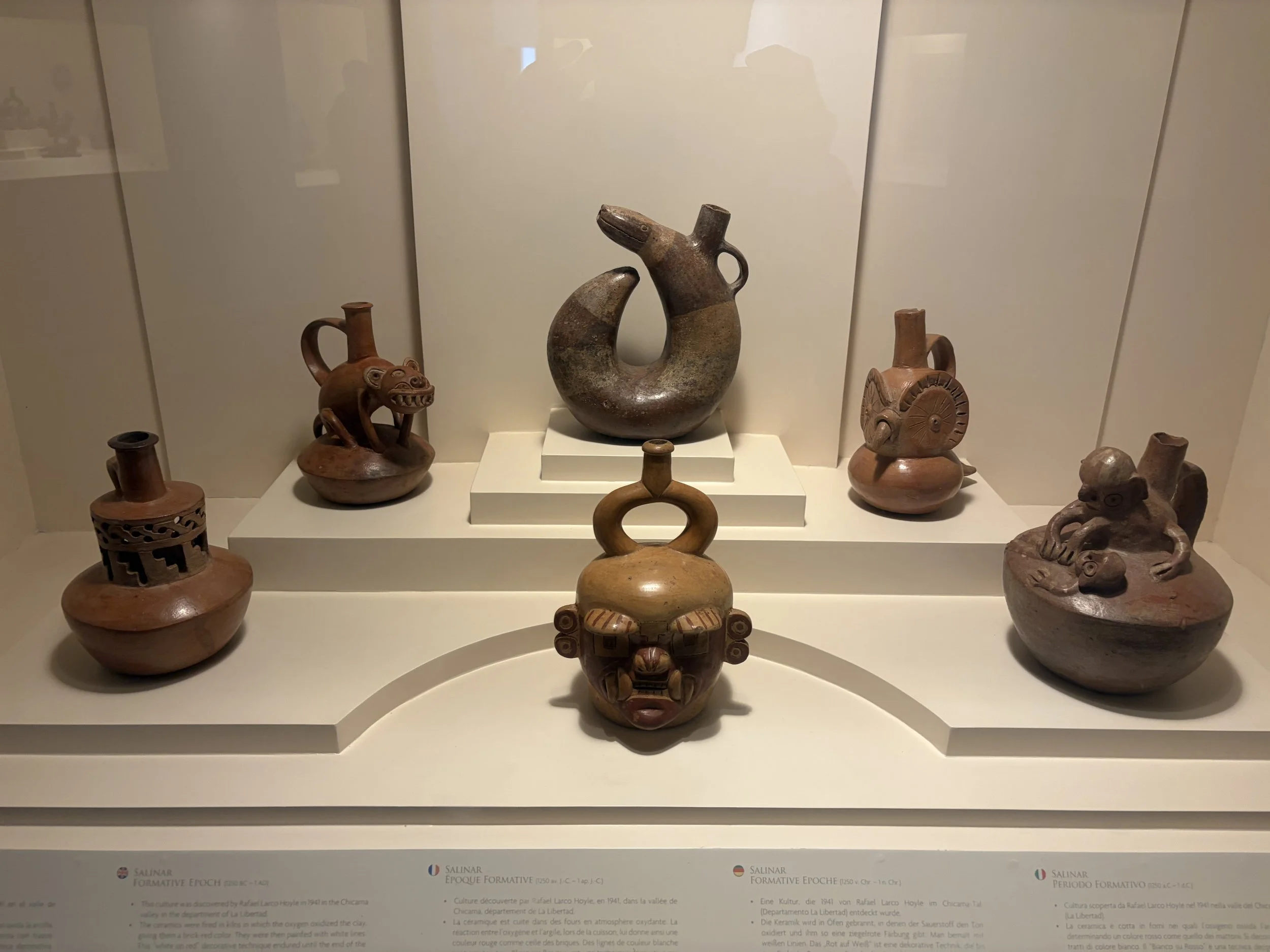
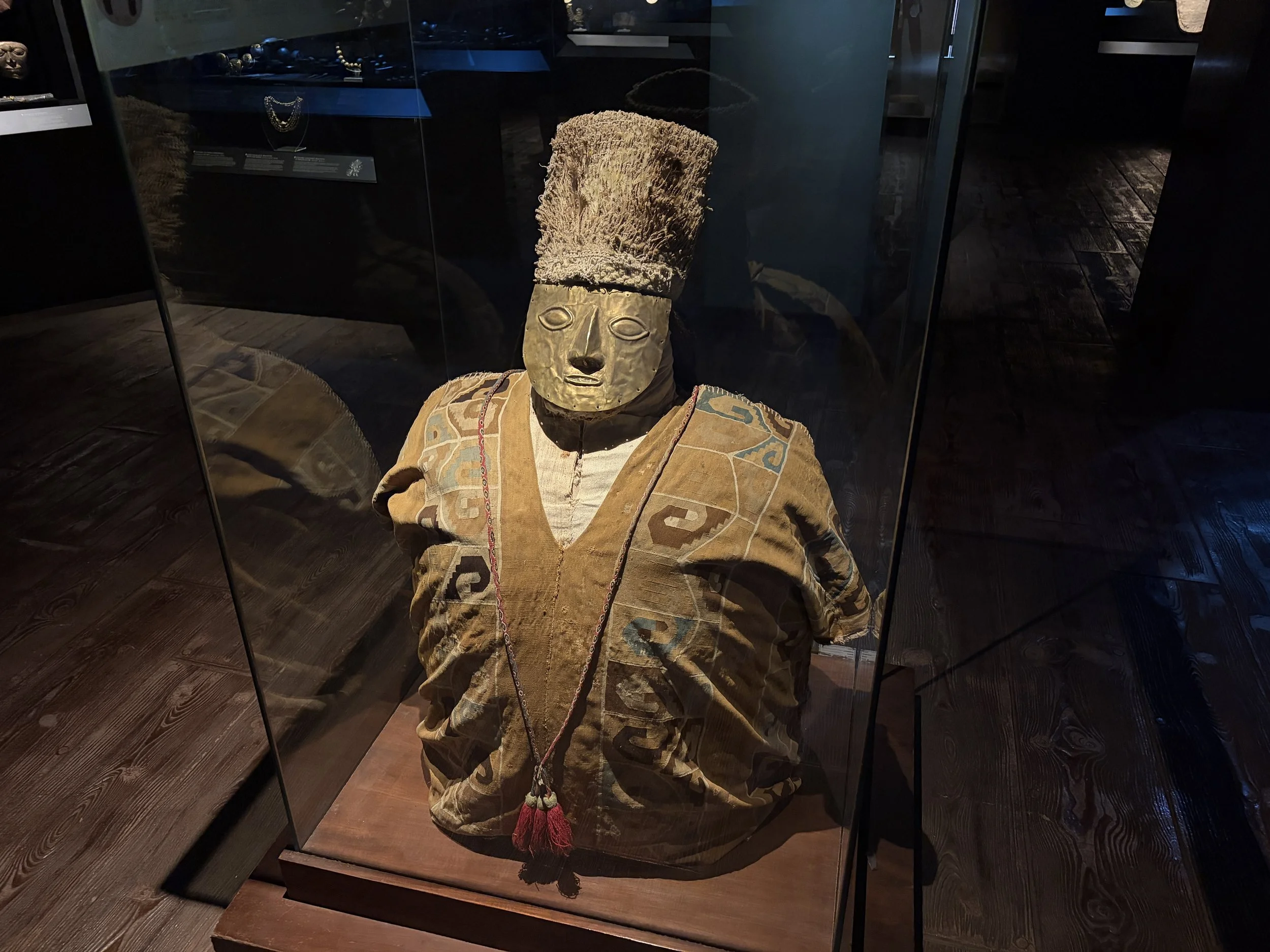
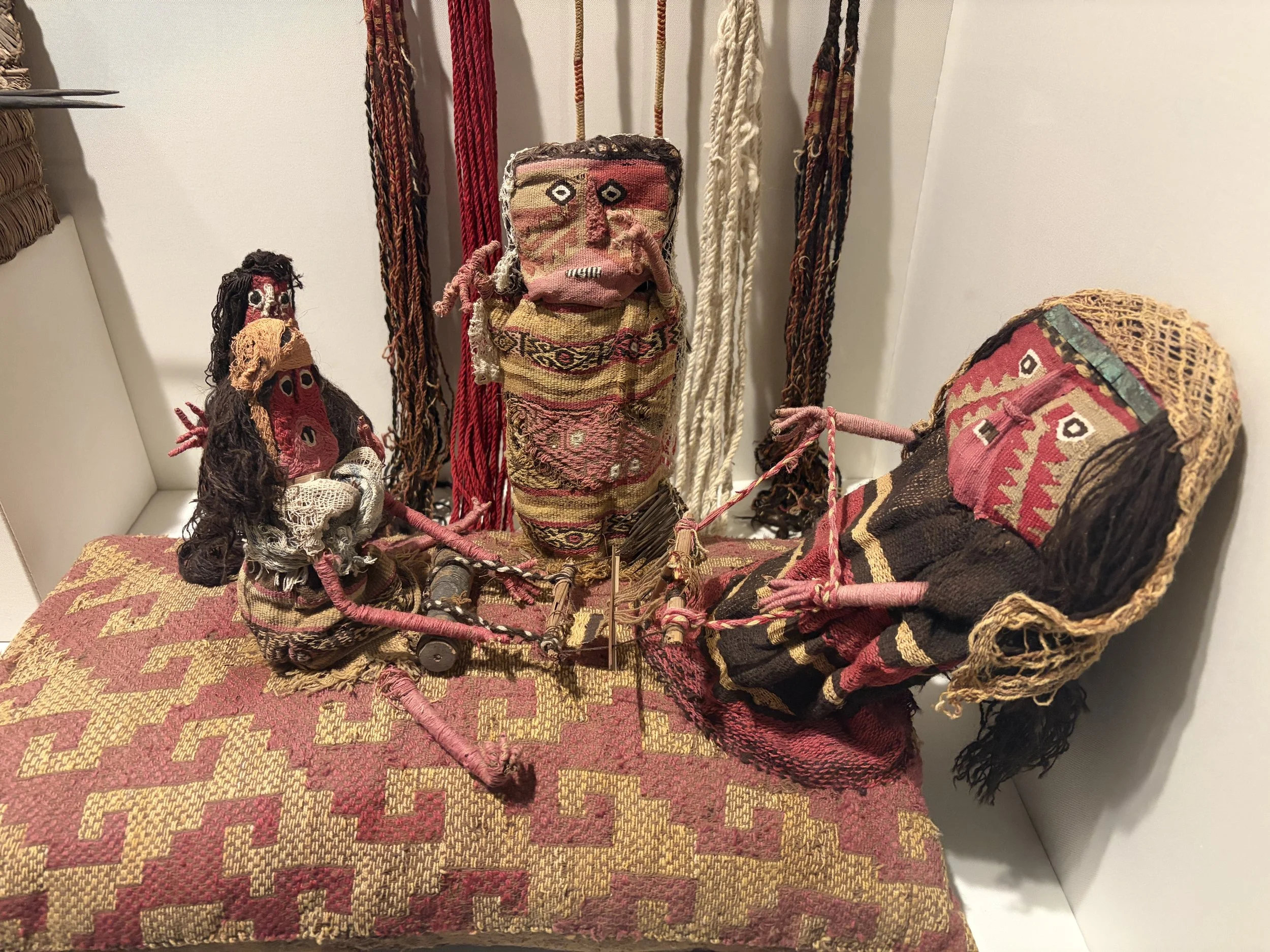
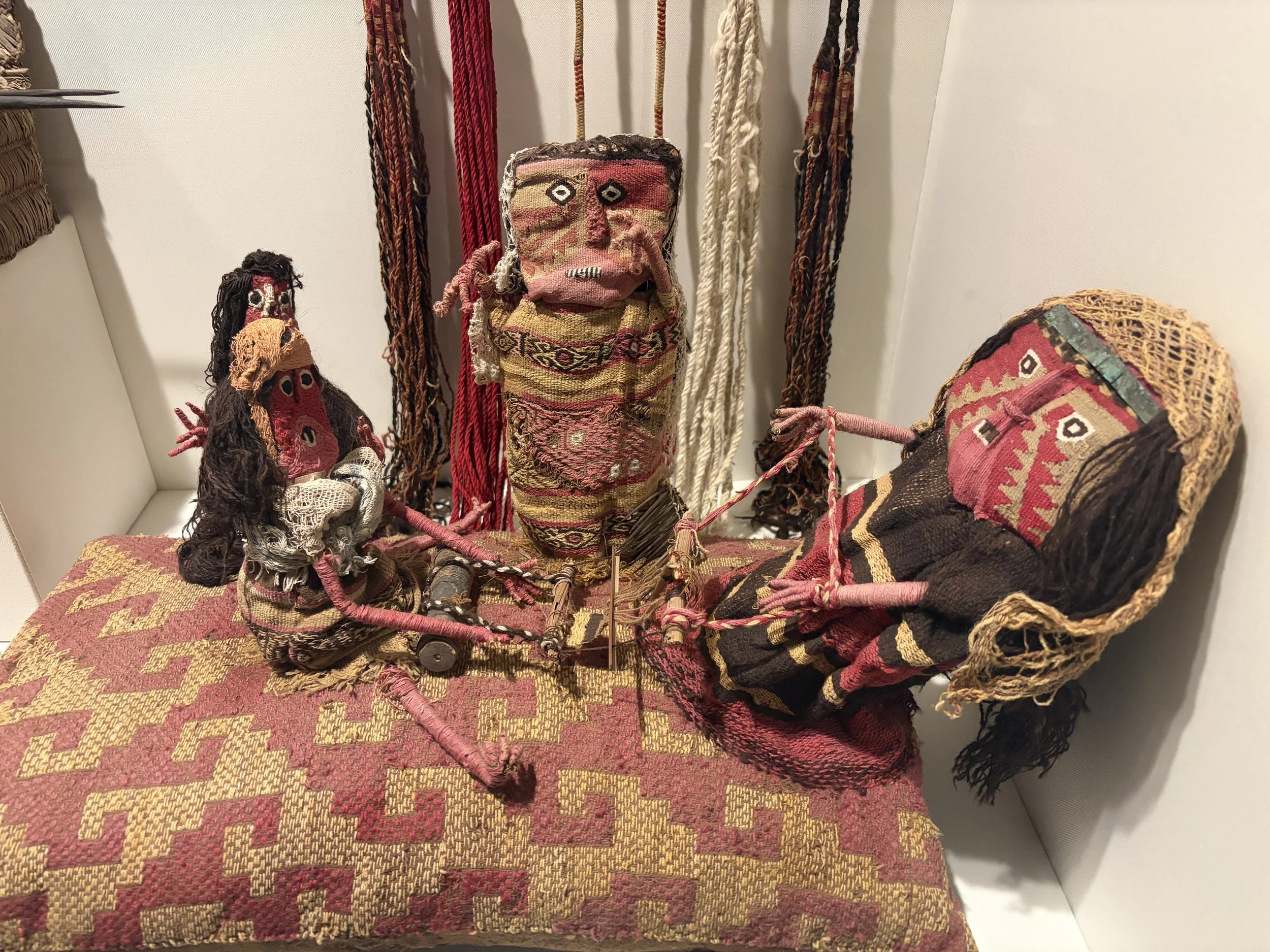
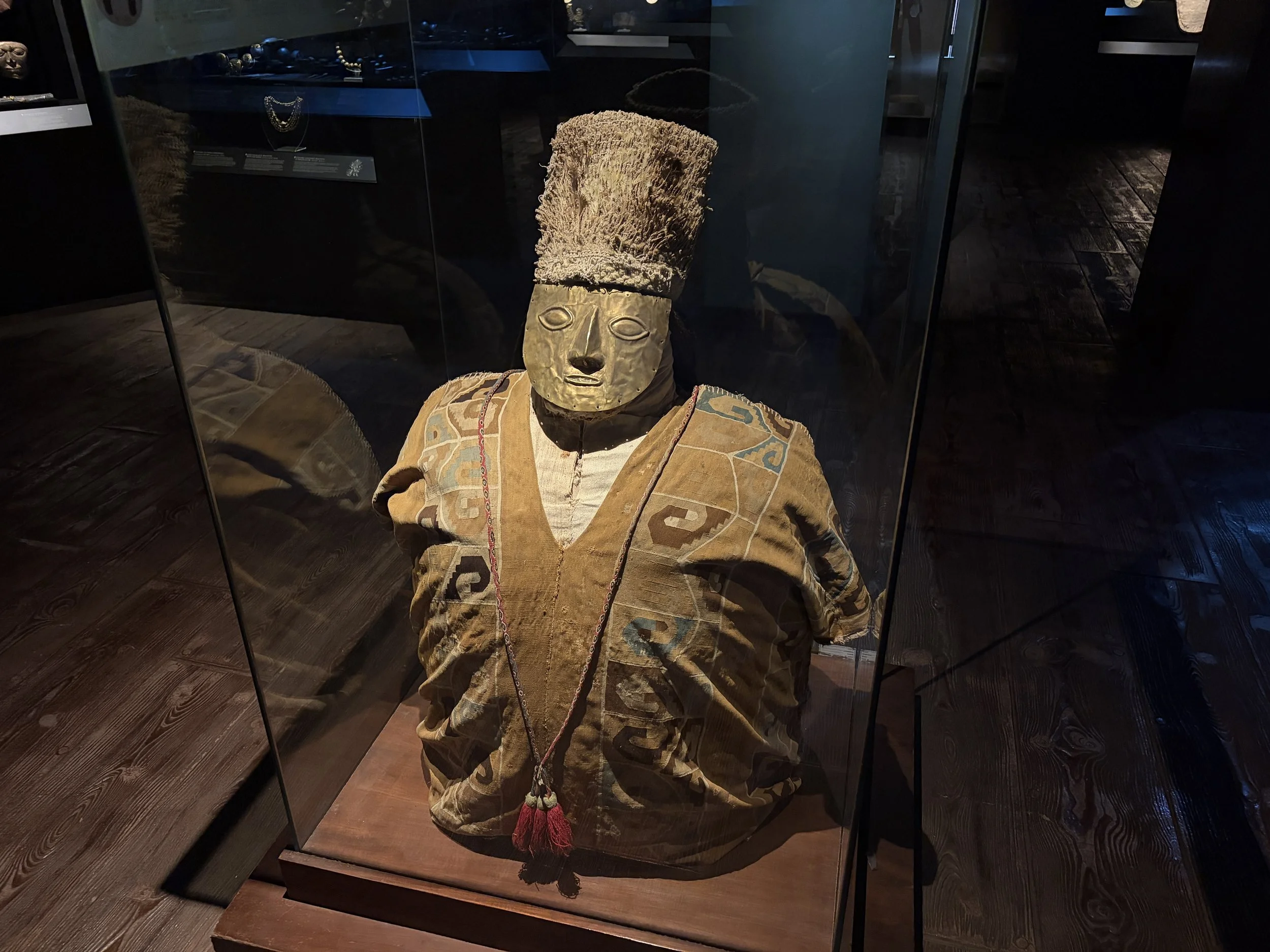
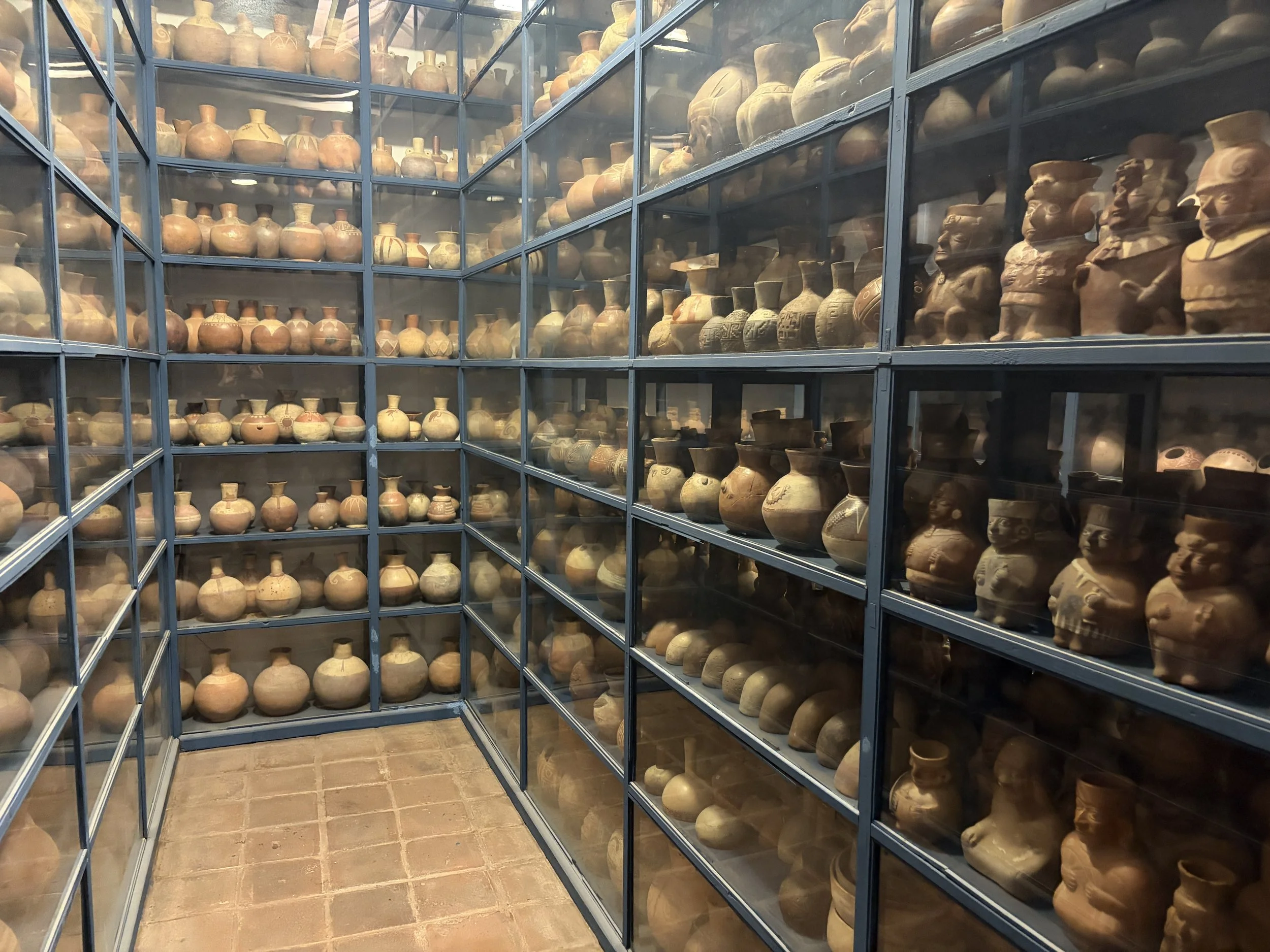
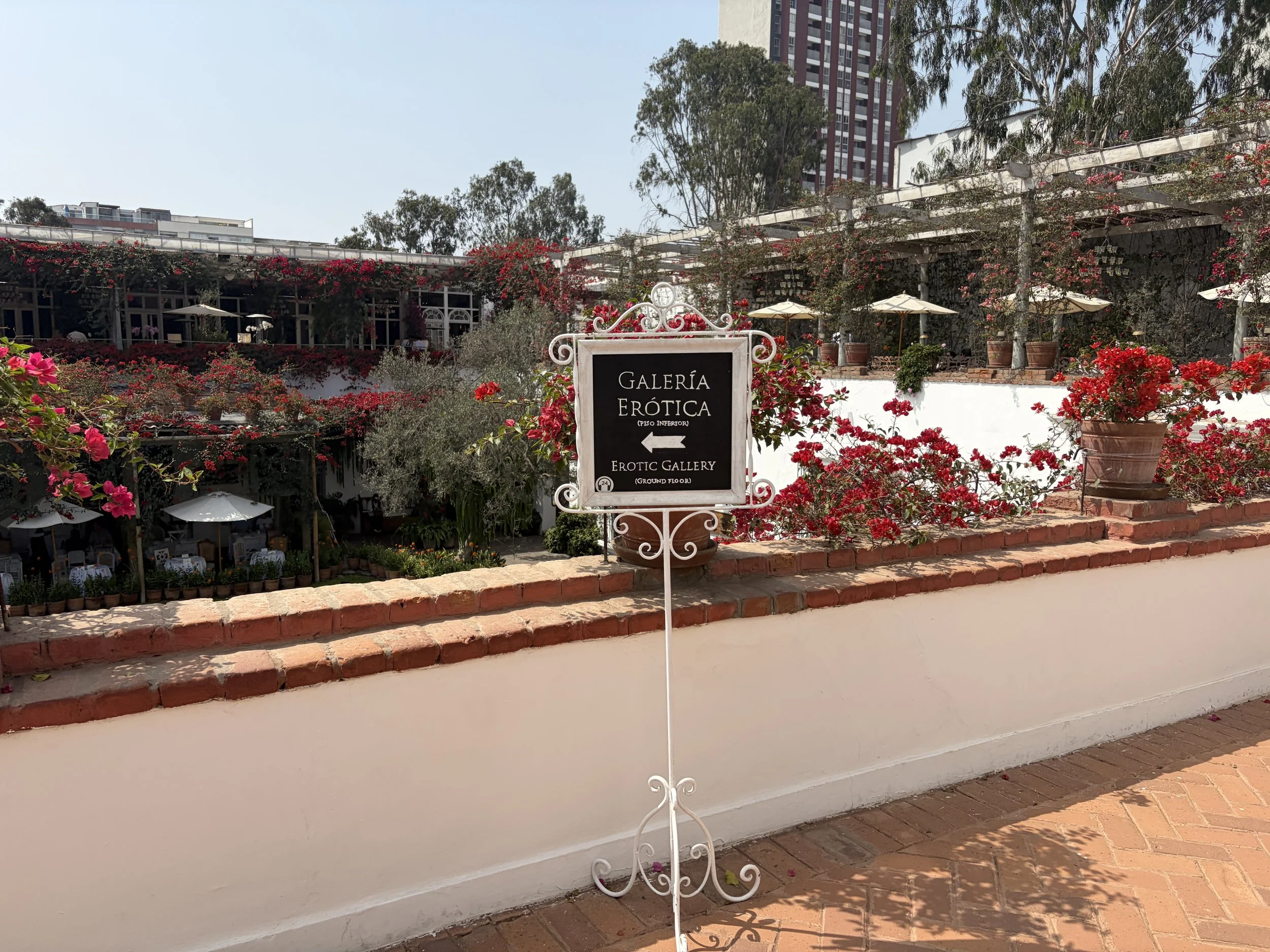
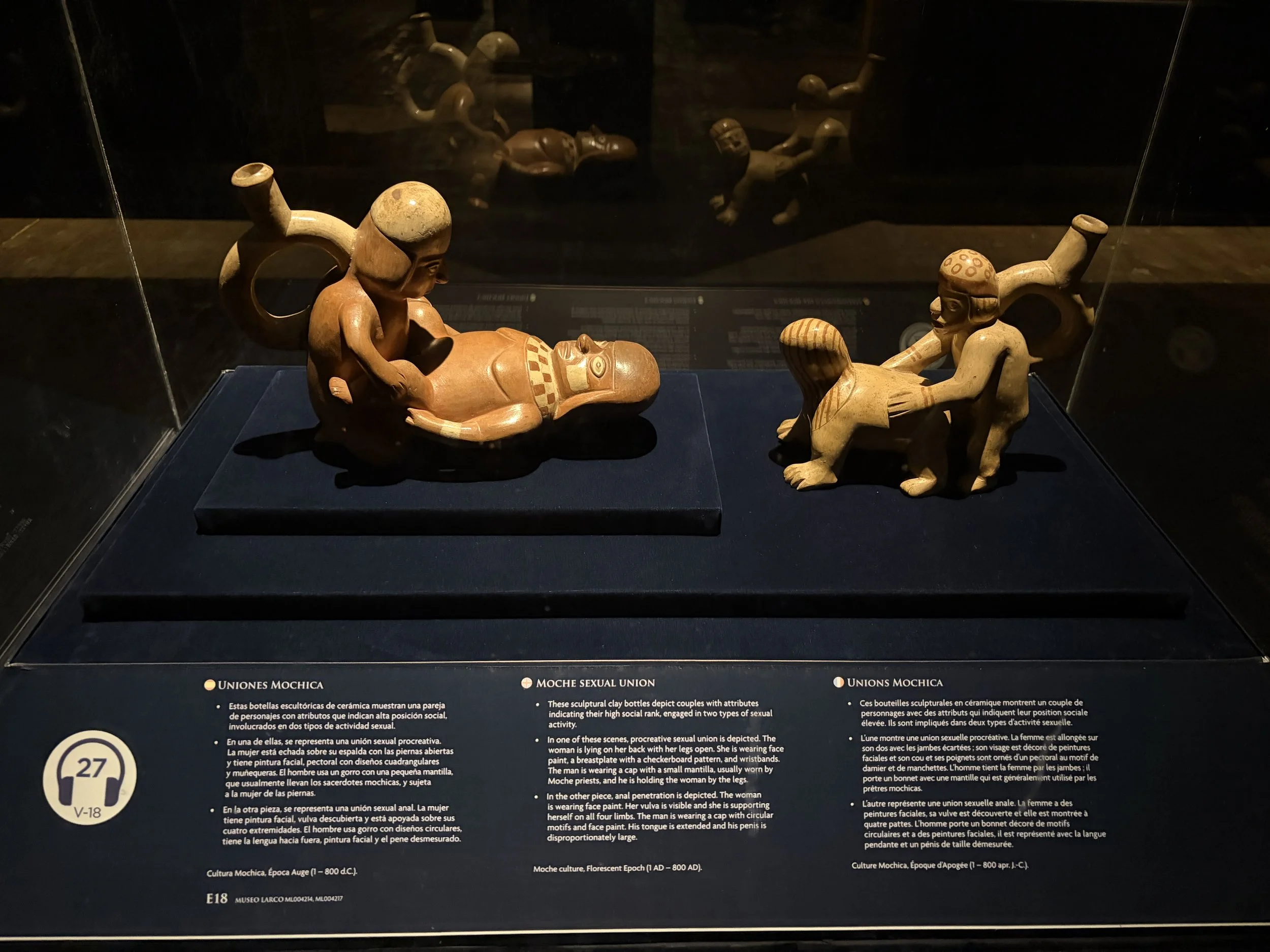
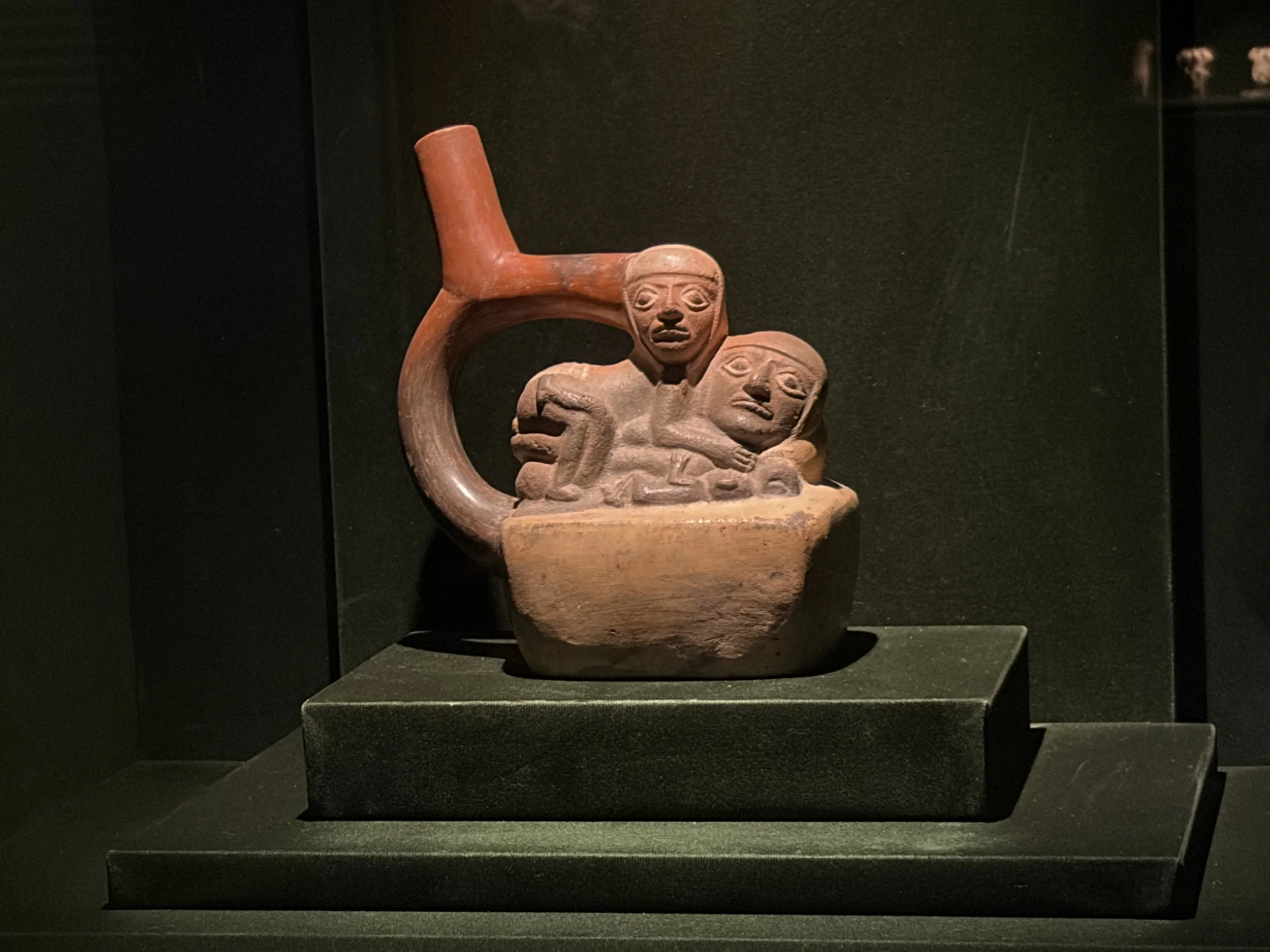
I saw mummies, ceremonial artifacts, and detailed displays that gave a strong sense of their culture. What I was not expecting, however, was an entire gallery dedicated to erotic pottery. The Incas were clearly very expressive, and since they didn’t have a traditional written language, a lot of storytelling happened through these pieces—some of which were extremely detailed.
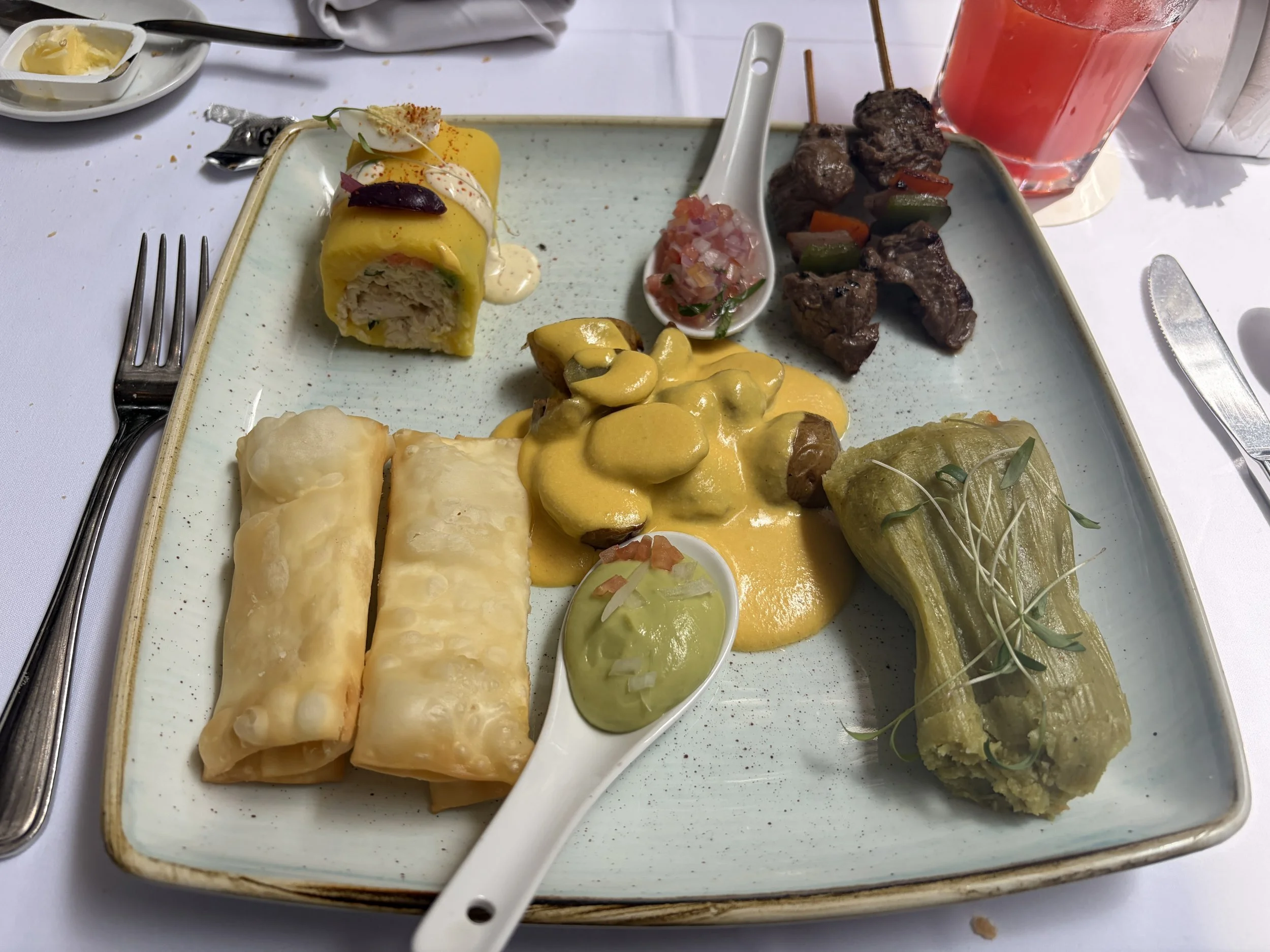
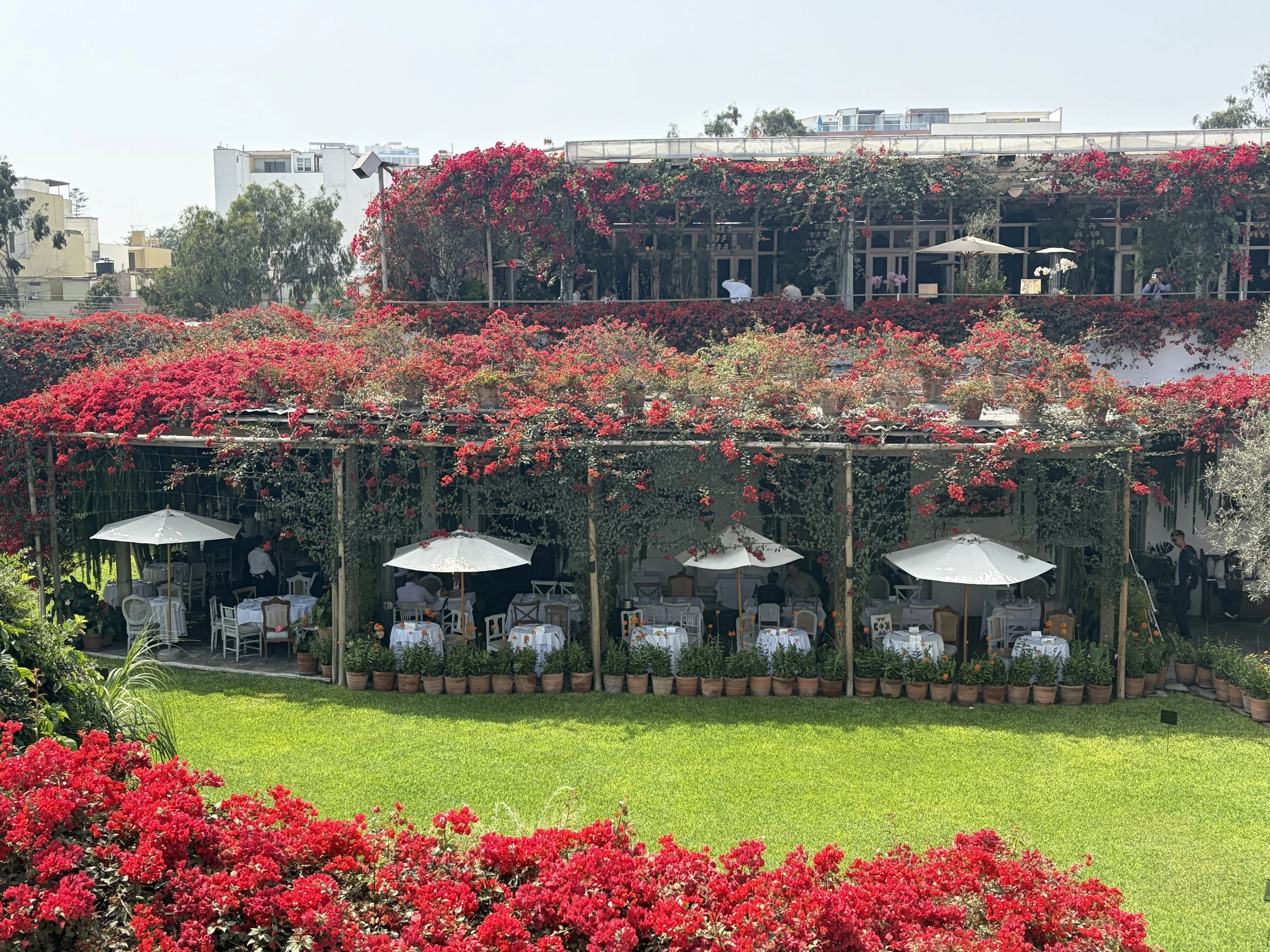
After exploring, I ate lunch at the museum restaurant and once again found myself impressed by the potatoes, especially with the aji pepper sauce. At this point, it was becoming clear that Peru had mastered potatoes in a way I hadn’t fully appreciated before. The service wasn’t amazing—being a party of one apparently lowers your priority—but the food made up for it.
I debated going to see the pyramids scattered throughout the city, but after looking at photos, I decided to skip it. My somewhat controversial take is that once you’ve seen one pyramid—or pile of rocks—you’ve seen most of them. This opinion did not go over well with people I had met who had just come from Machu Picchu.
Catacombs, Churros, and the Peruvian Bellagio
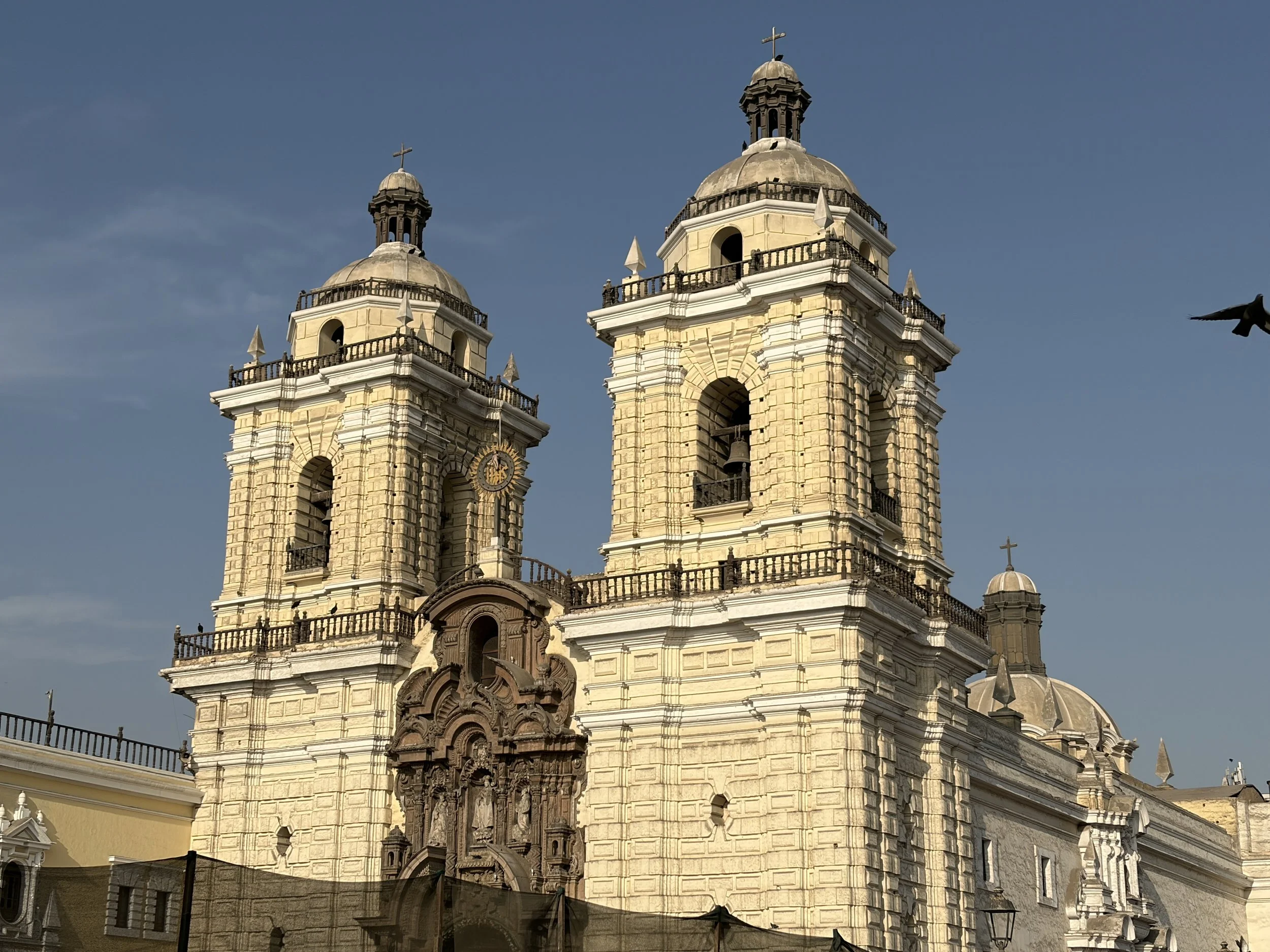
Later that afternoon, I met my guide for a tour of the San Francisco catacombs and the Magic Water Circuit. It ended up being a private tour since the other group wanted it in Spanish, which was great, but also meant I couldn’t just quietly blend into the background. Fortunately, the guide was easy to talk to, and I set expectations early that I wanted highlights with some flexibility.
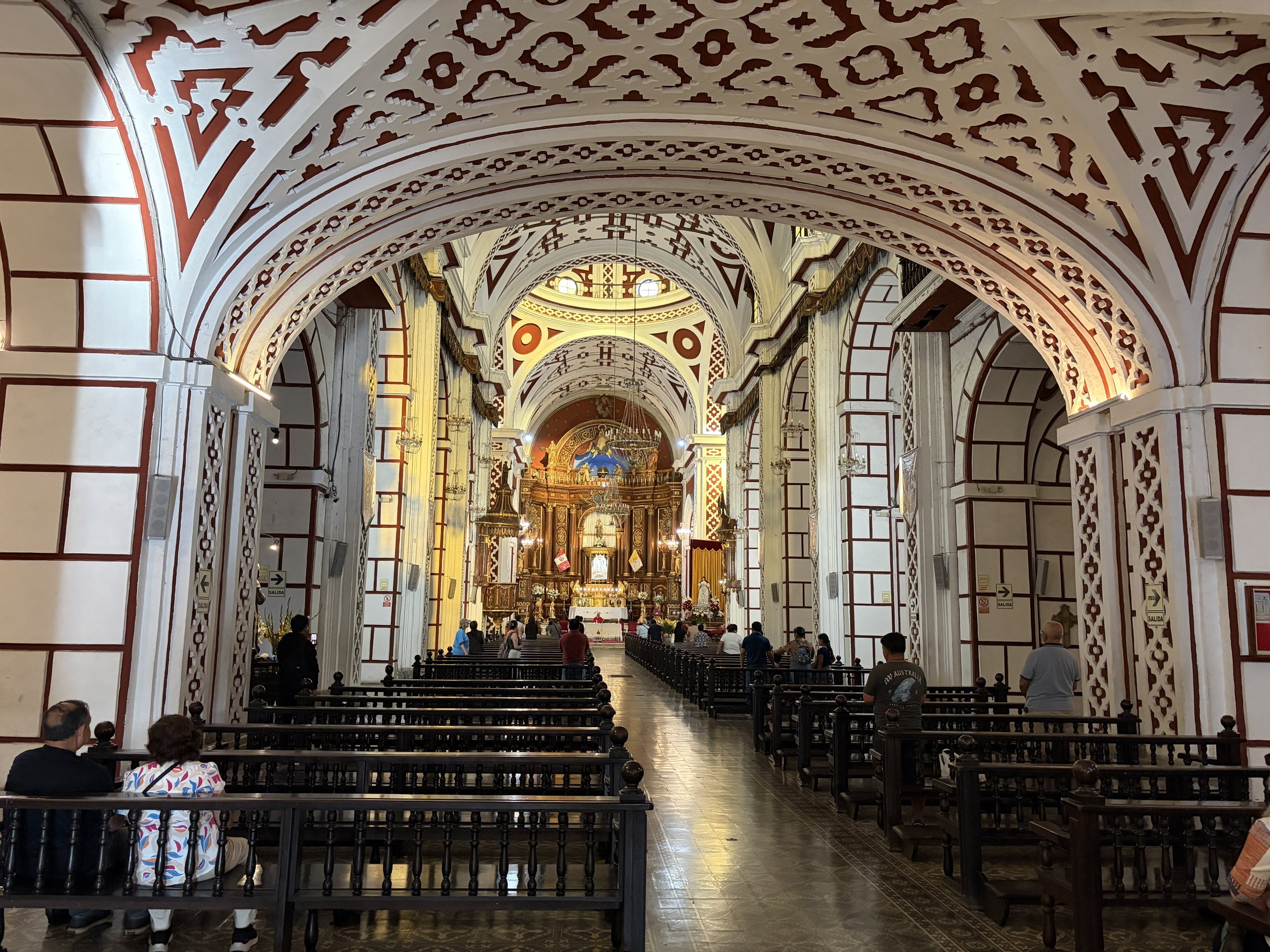
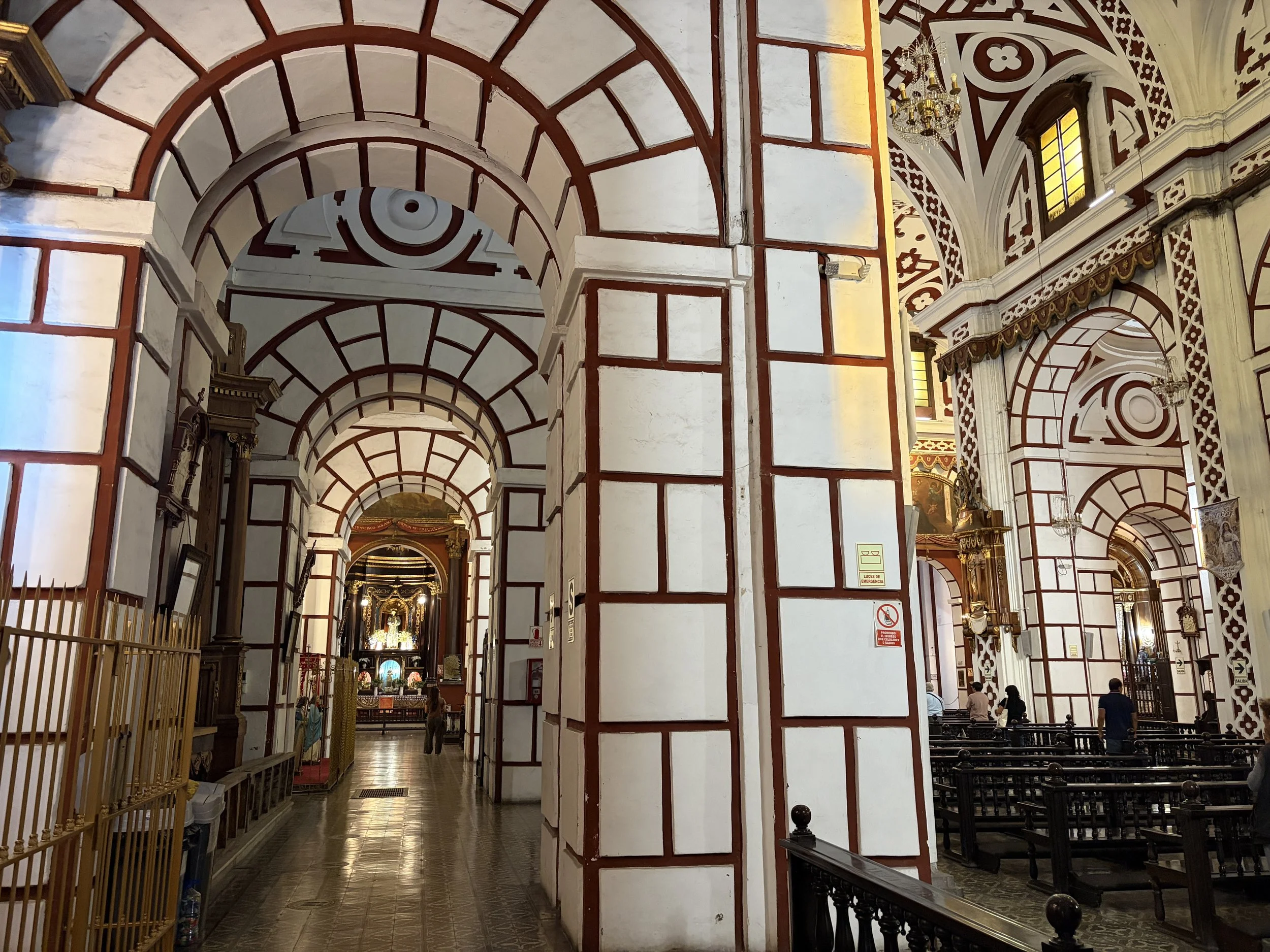
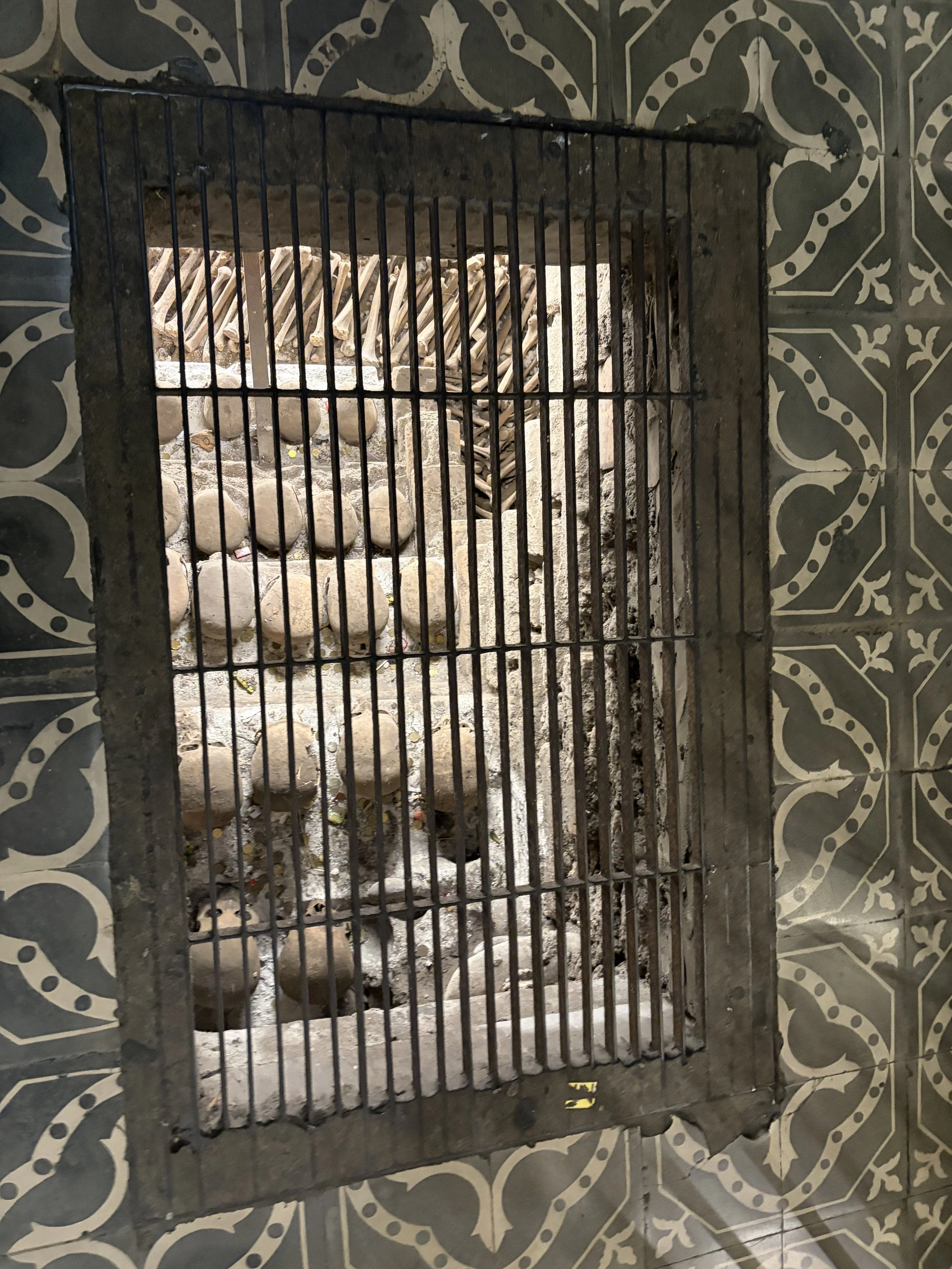
The catacombs were interesting, but also reached a point where you felt like you understood what you were seeing after the first few sections. Thousands of bones arranged in patterns, with many displays curated later rather than left in their original state. One detail that stood out was that, based on bone structure, many of the remains appeared to be European. The guide also explained how history is taught locally, with a strong emphasis on the Spanish period and less focus on indigenous culture early on.
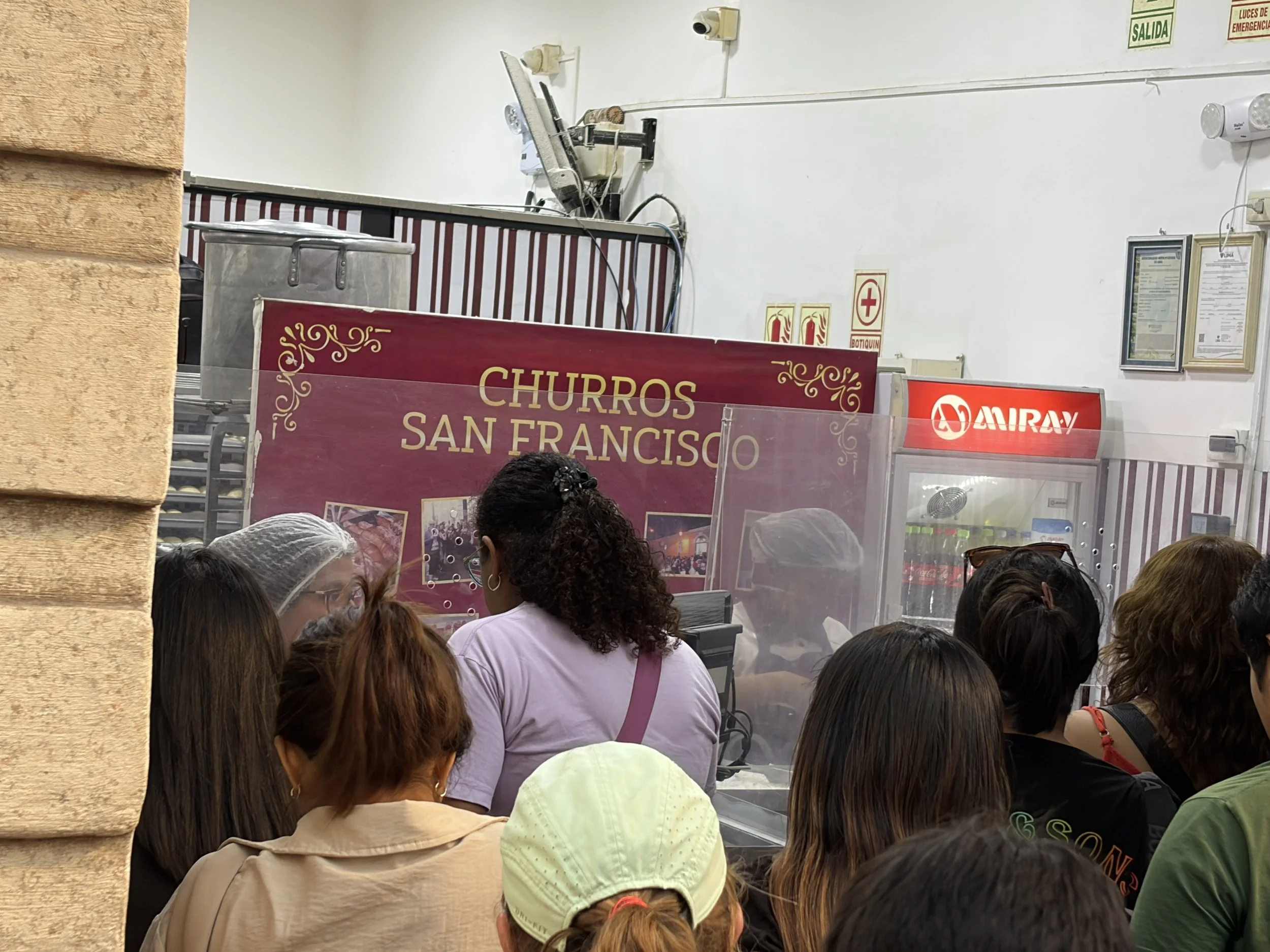
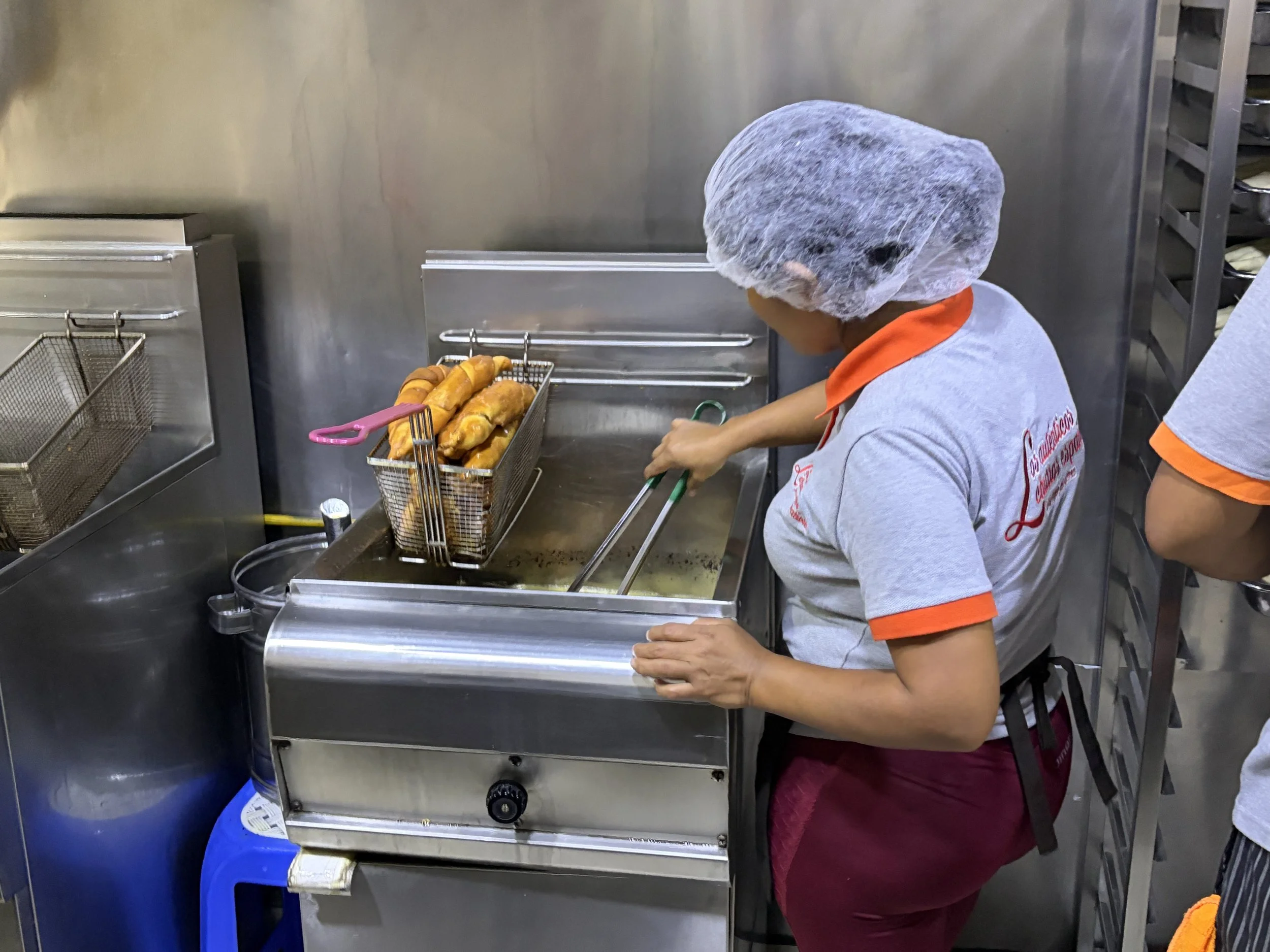
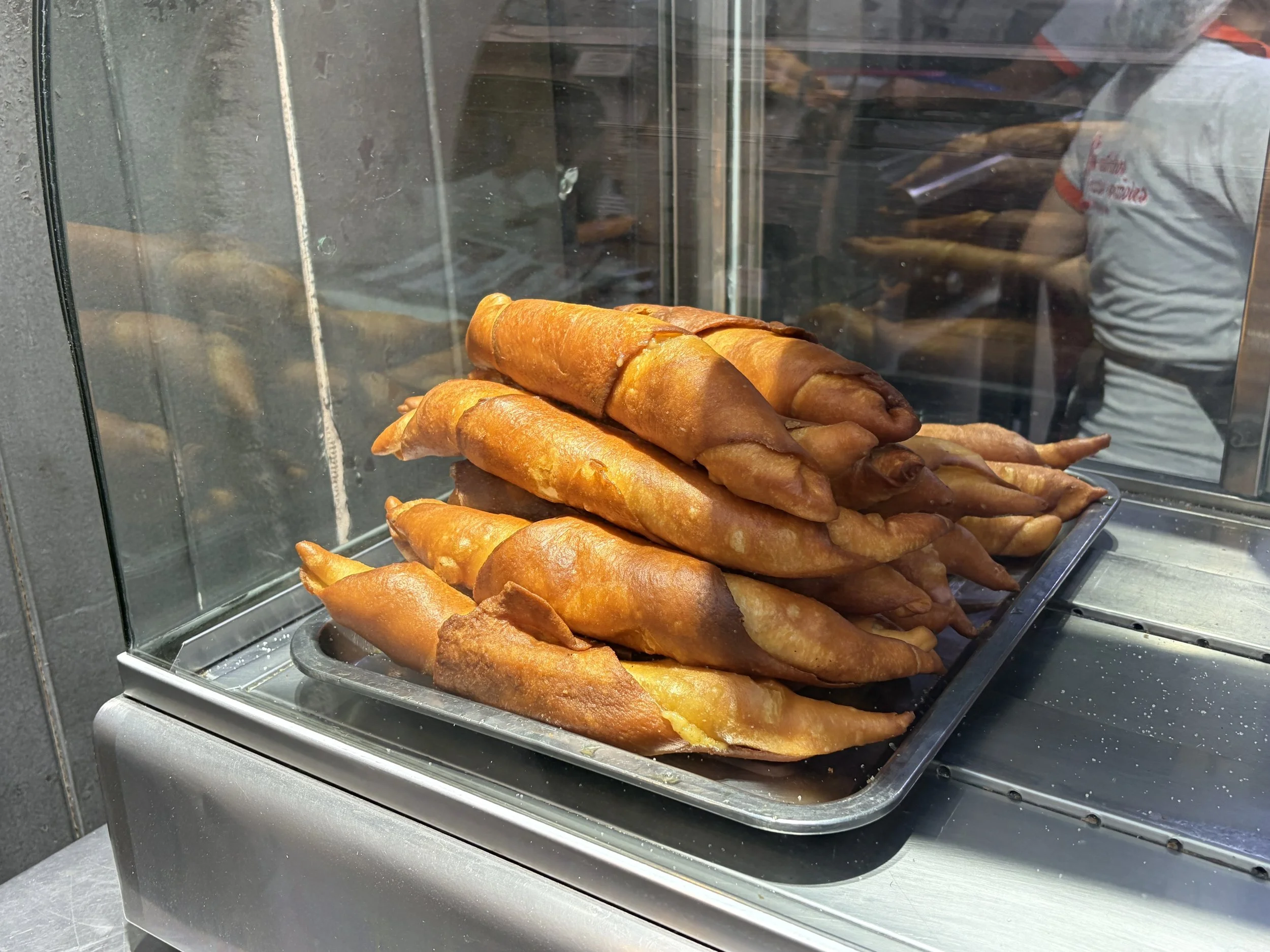
Afterward, we stopped for churros. The famous place had a long line, but my guide pointed out a spot next door with no wait and assured me it was the same churro. He was right. Peruvian churros are more like small stuffed rolls filled with dulce de leche, lightly dusted with sugar but without the cinnamon you typically see in the U.S. They were excellent.
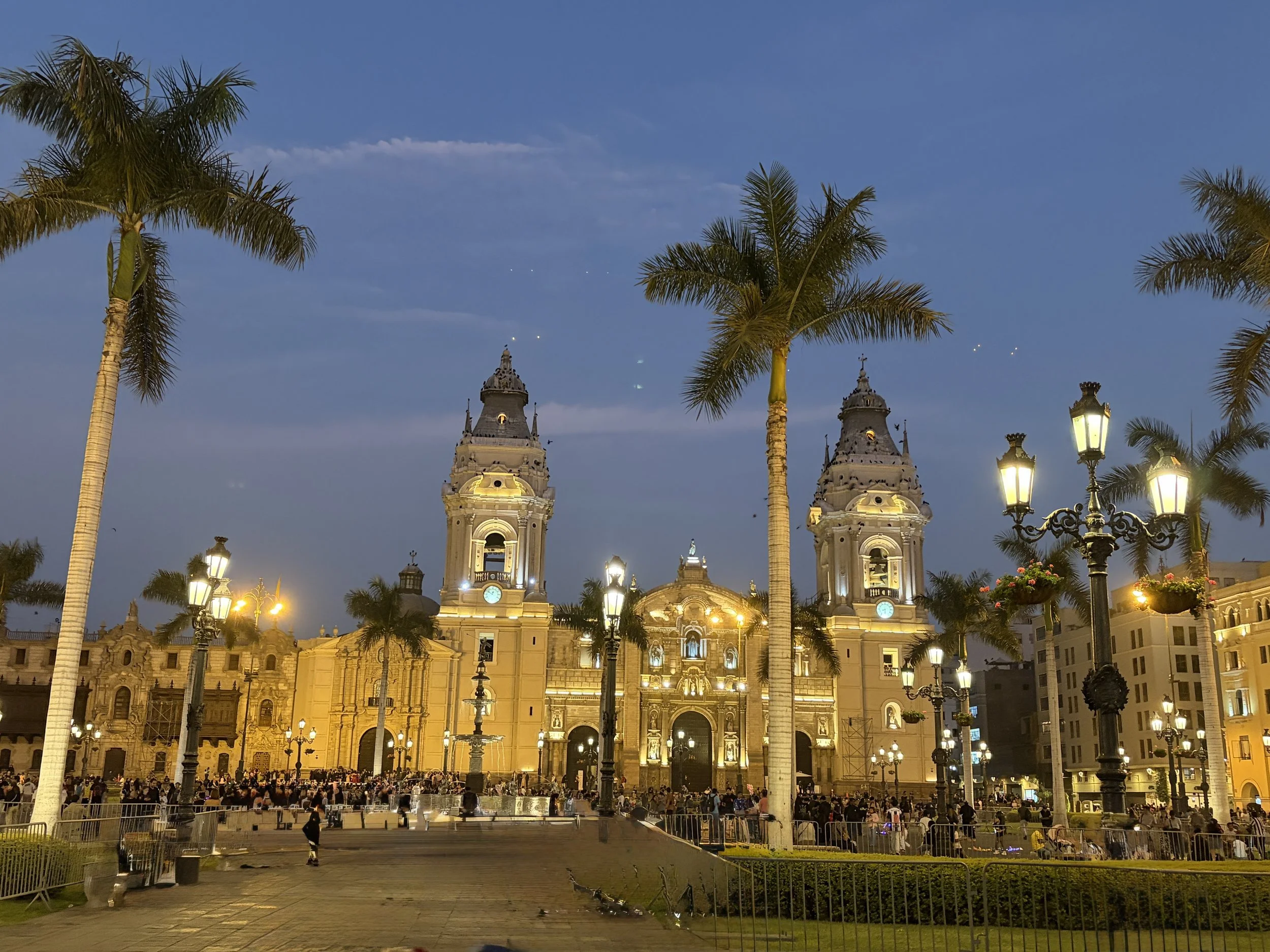
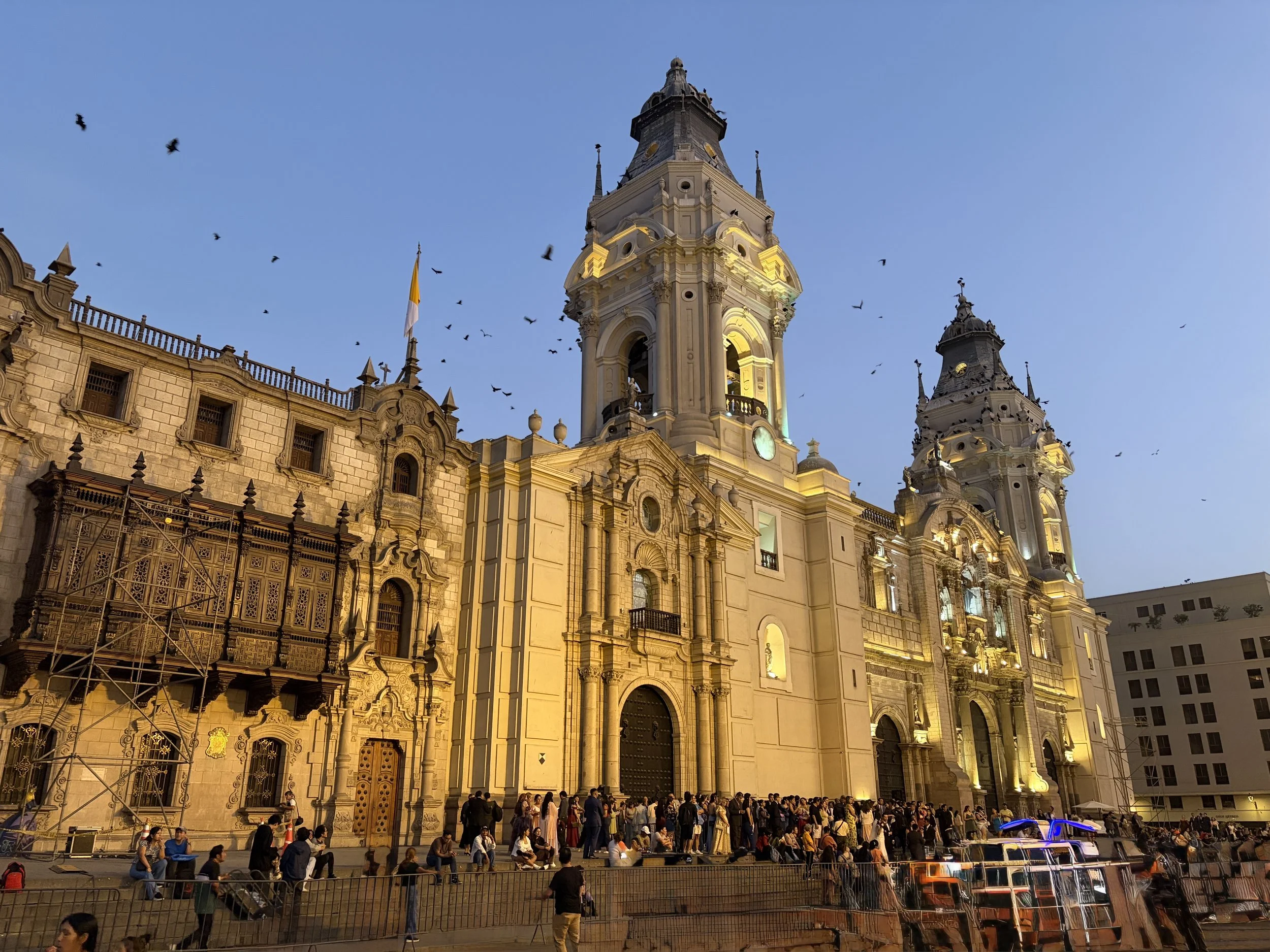
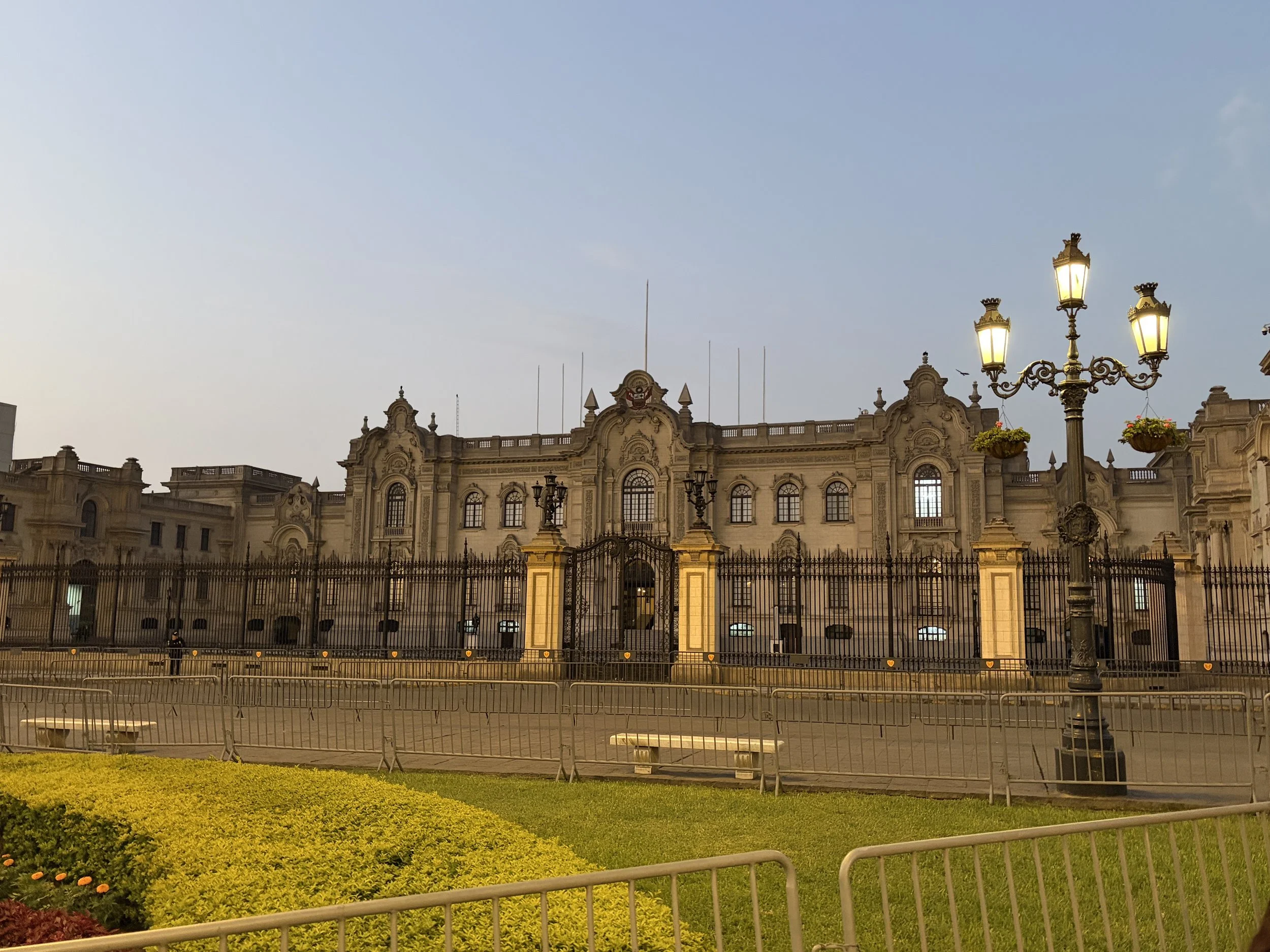
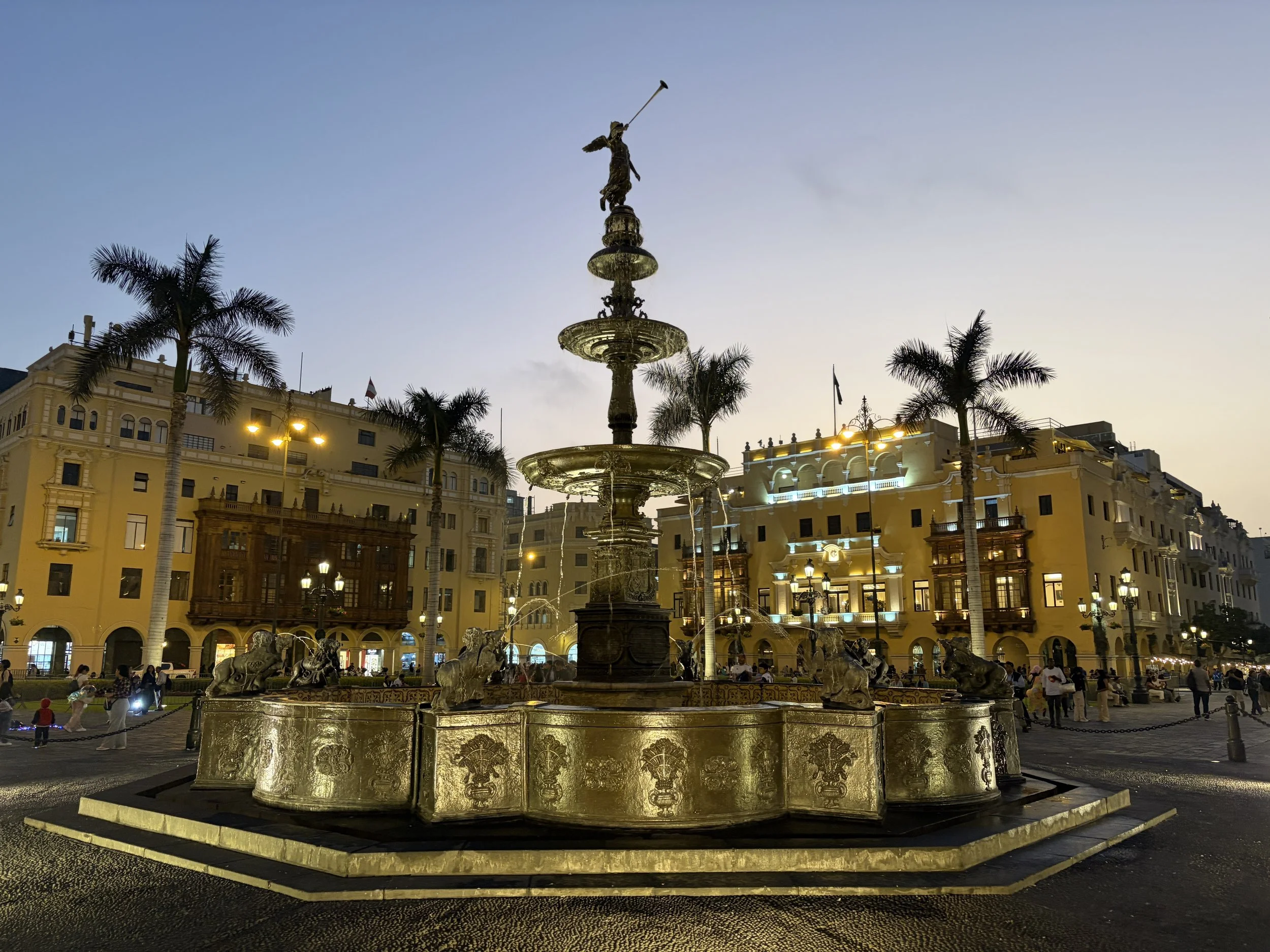
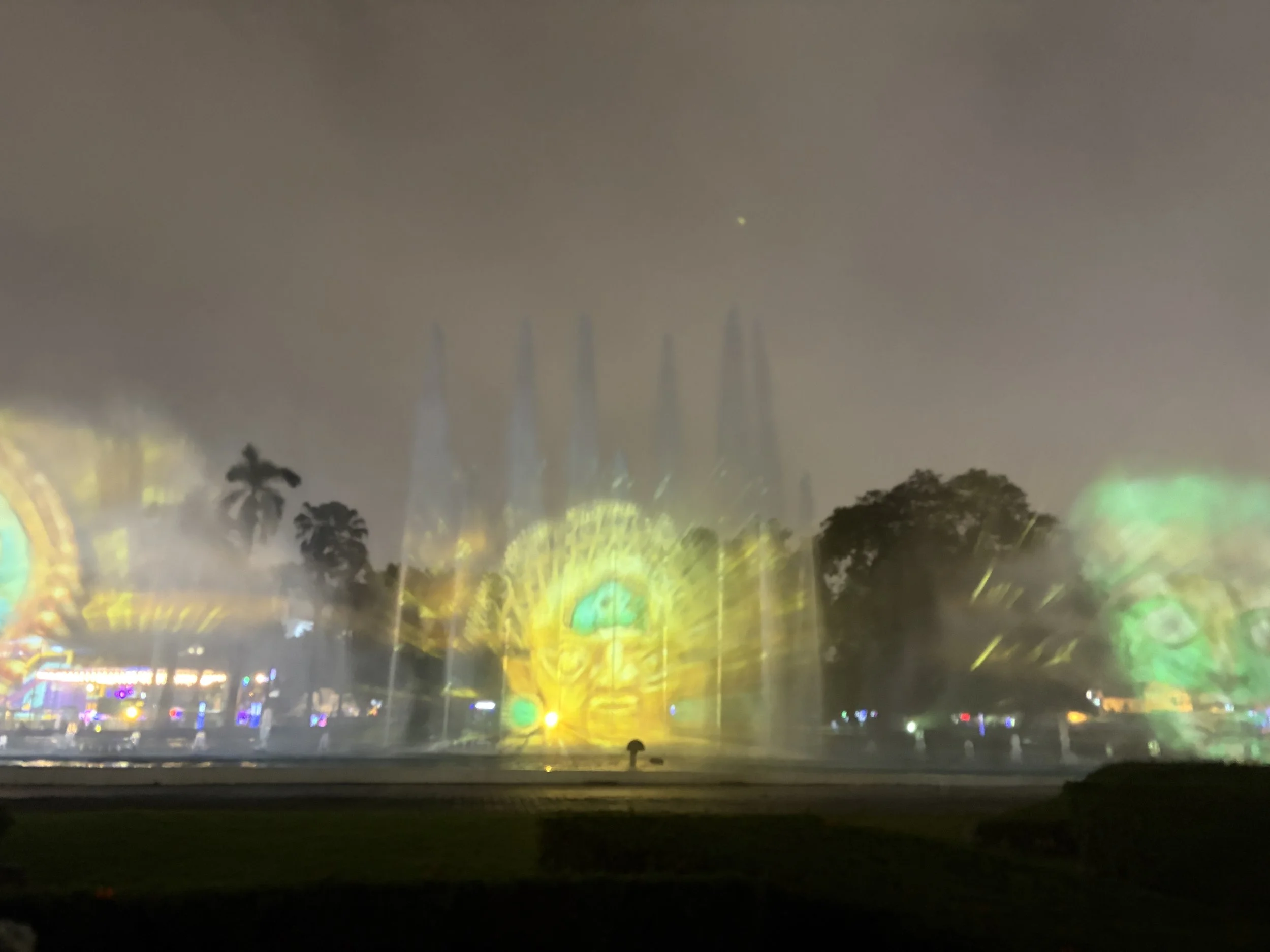
We walked through the Plaza de Armas as the sun started to set, and you could feel the energy shift as people began clearing out. From there, we went to the Magic Water Circuit, which felt like a mix between a park, a small amusement area, and a fountain show. There were go-karts, bounce houses, and families everywhere, and it honestly felt like a place Ripley would love.
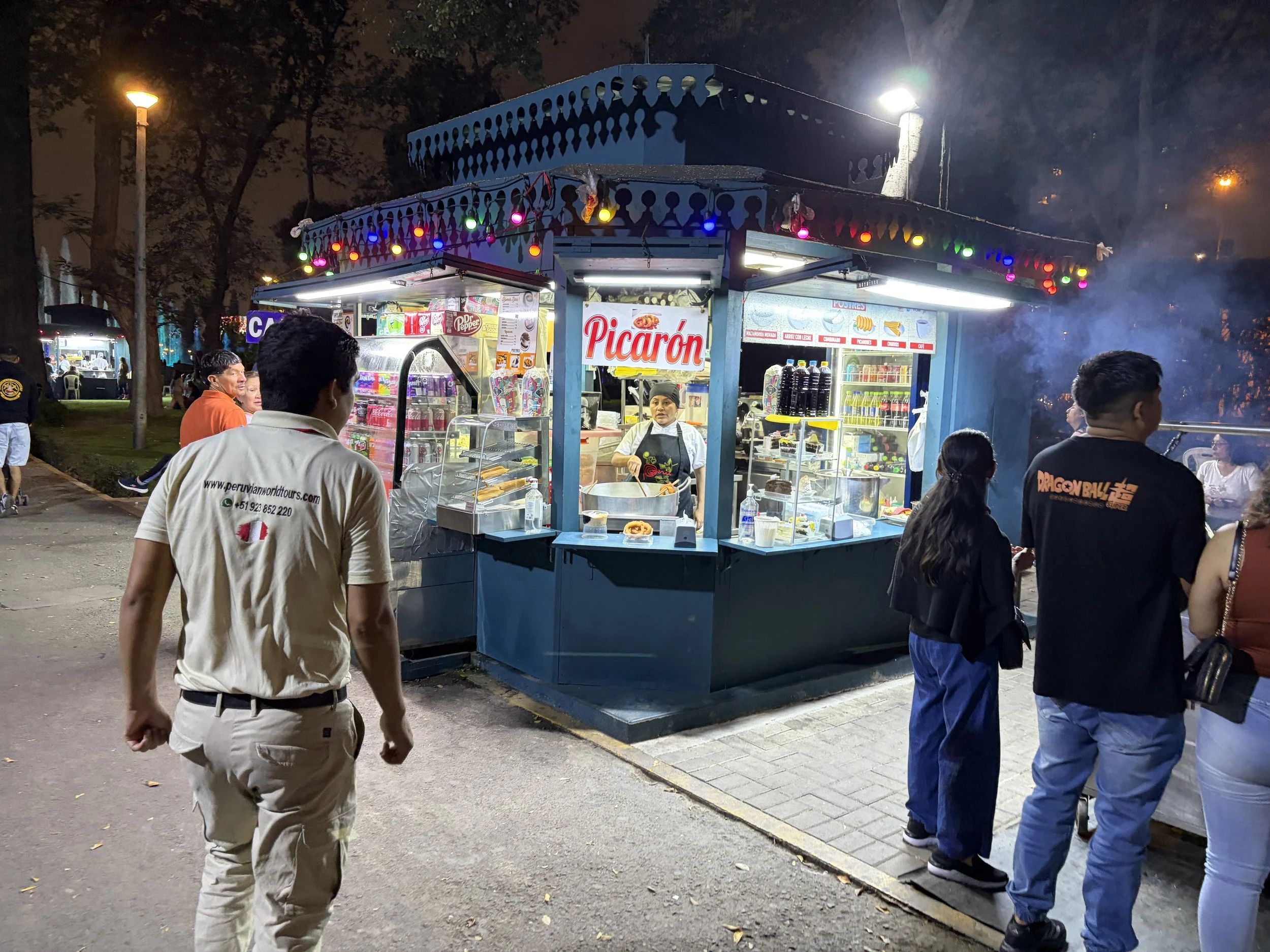
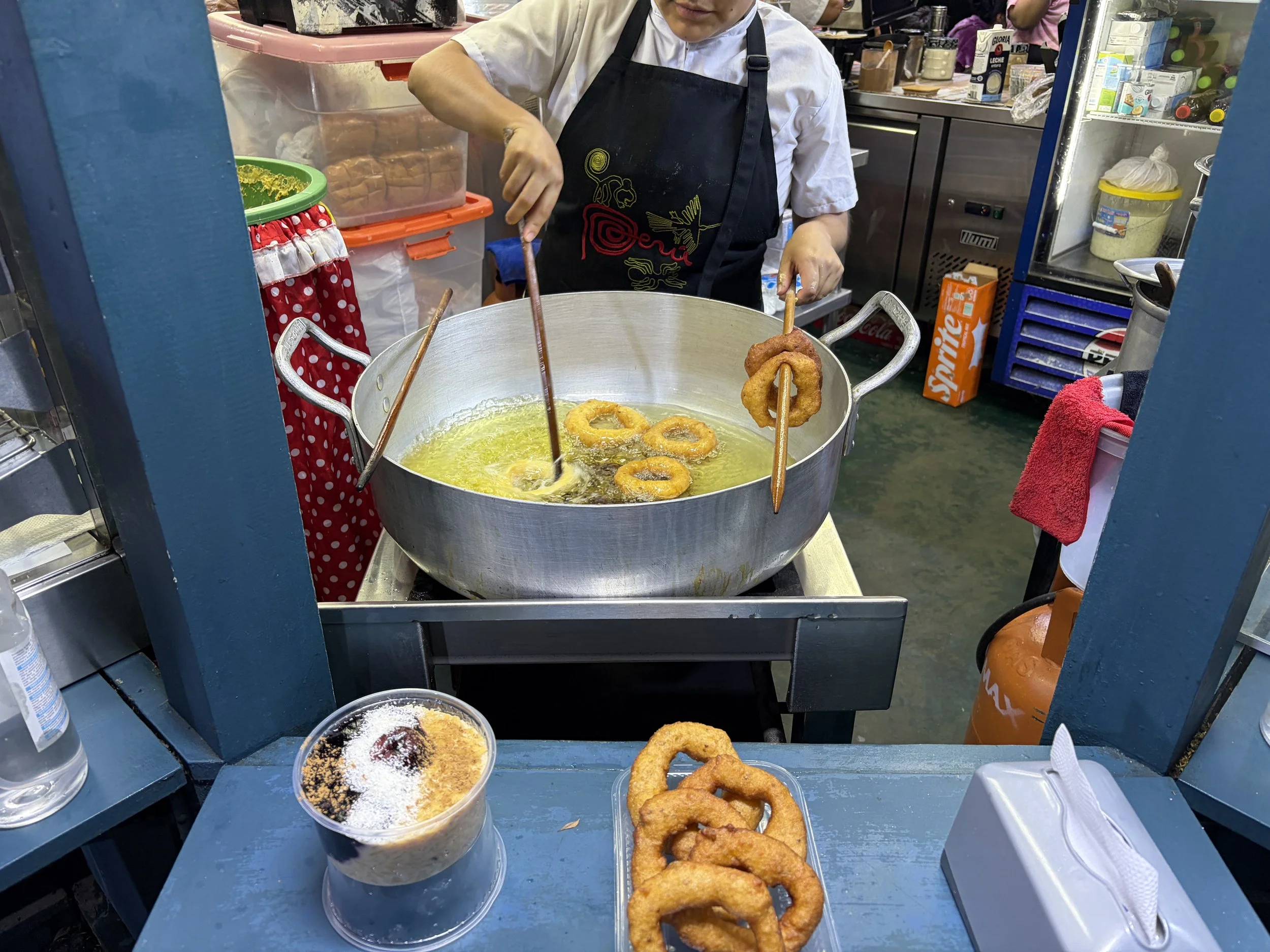
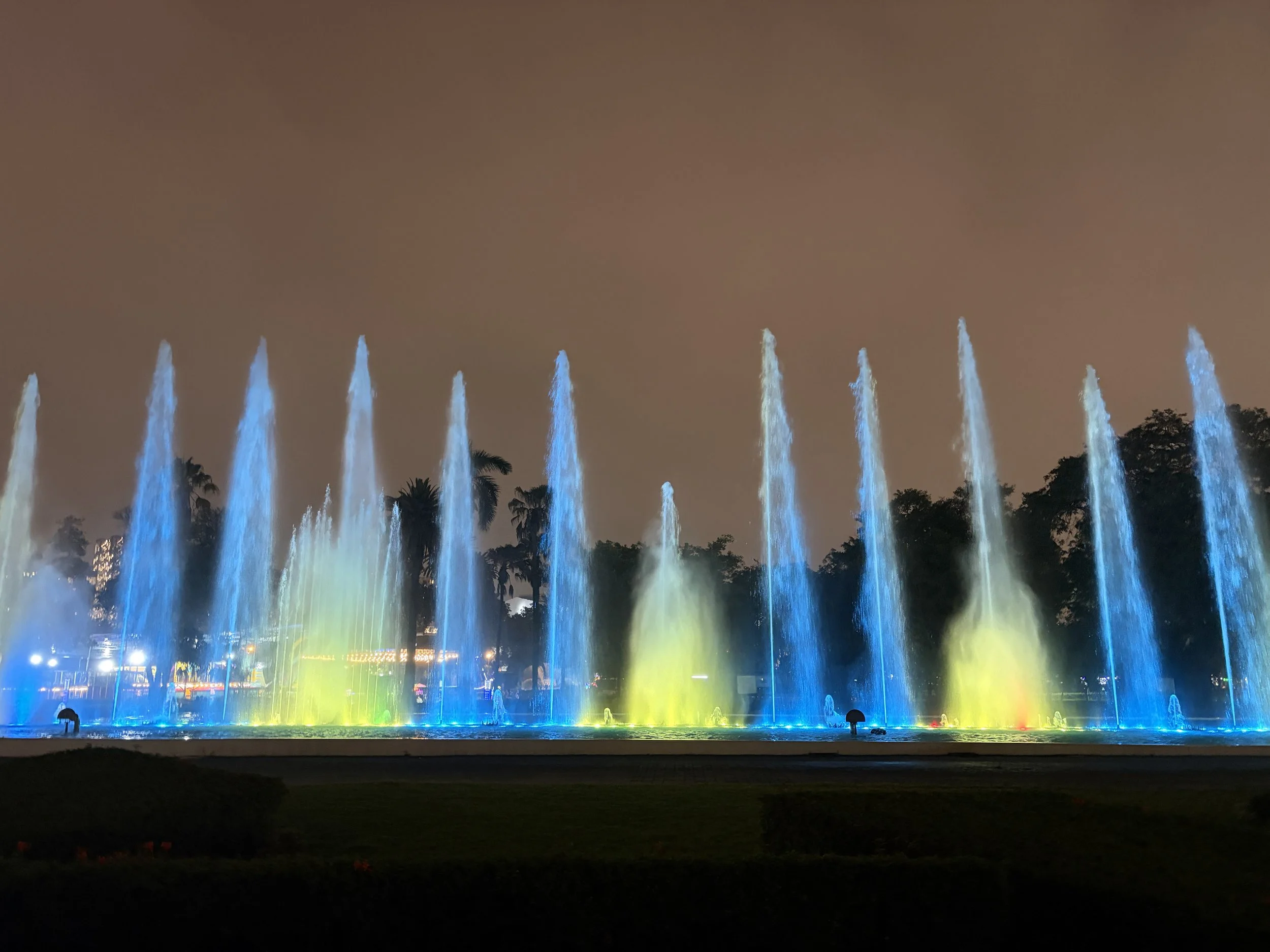
We had just enough time to grab picarones—Peruvian donuts made from squash and sweet potato with a honey drizzle—which were good, though I still preferred the churros. The fountain show itself was surprisingly impressive, set to music and designed as a visual tribute to Peru’s history. It reminded me of the Bellagio fountains, just with more storytelling. After the show, my guide dropped me off at dinner.
Dinner: Fine Dining and Questionable Redemption
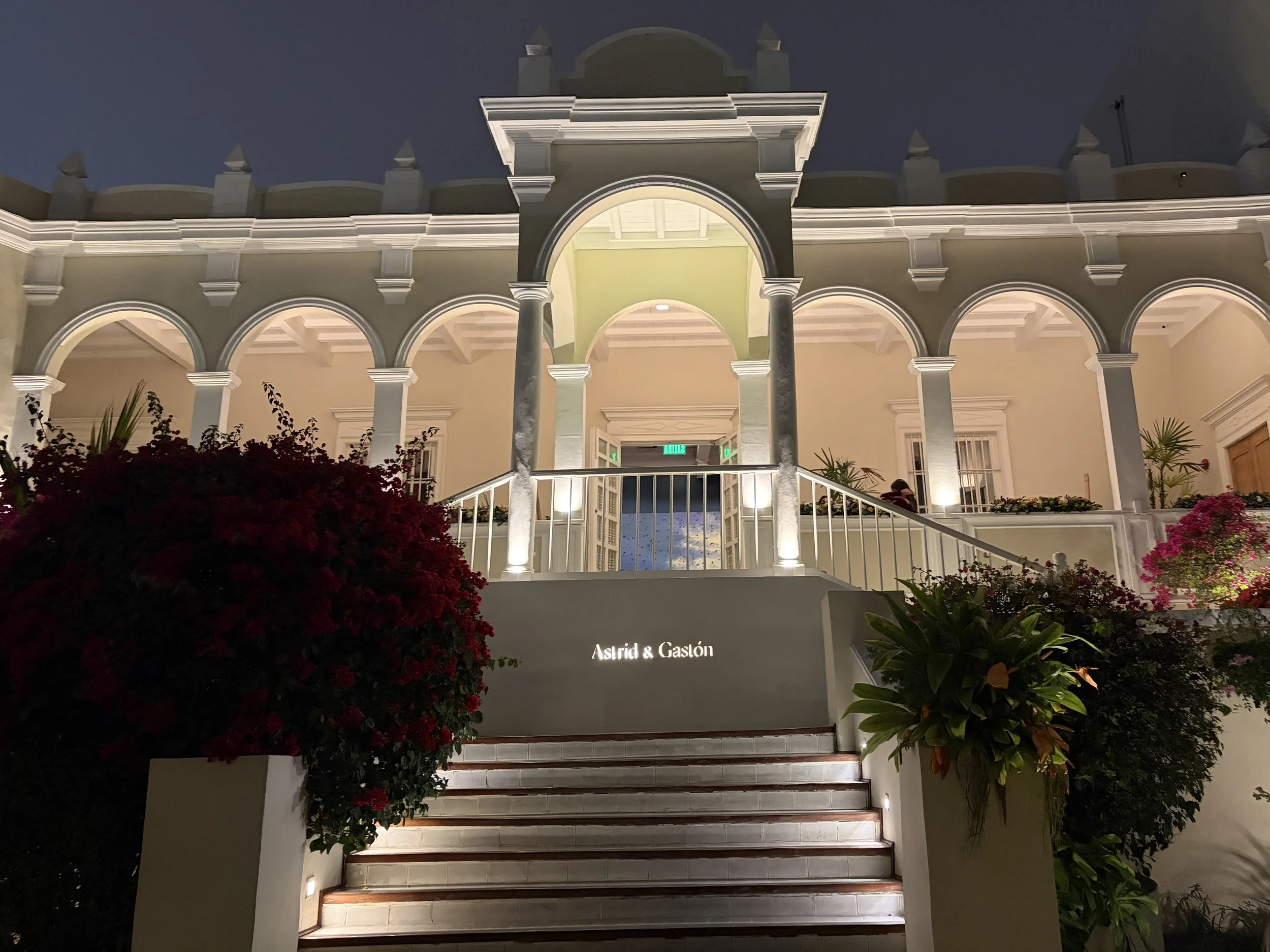
Dinner at Astrid y Gastón was one of the experiences I had been looking forward to most. It’s consistently ranked among the best restaurants in South America and even ranked as being one of the top 15 in the world at one point, and while I couldn’t get the tasting menu, going à la carte ended up being perfect.
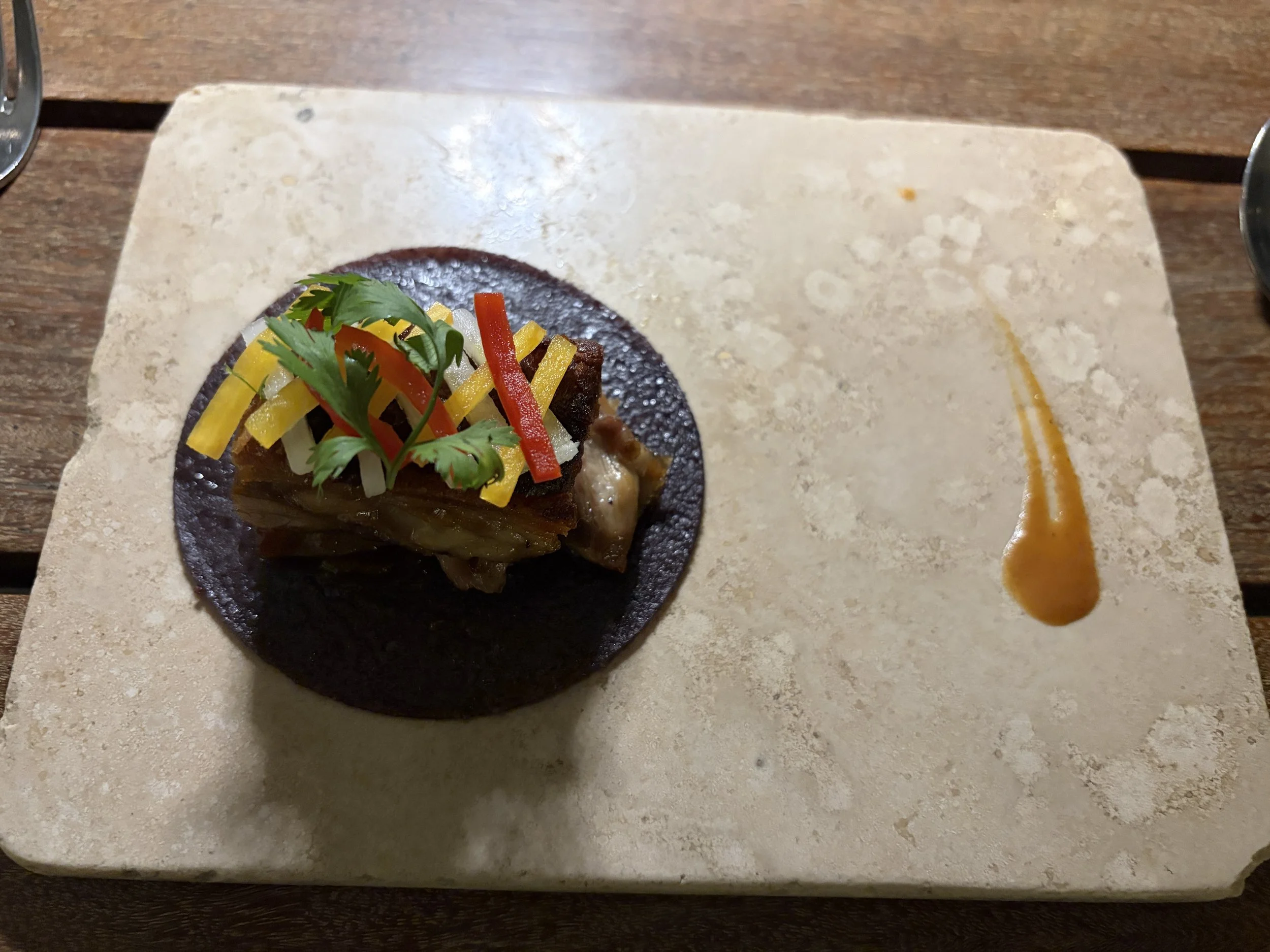
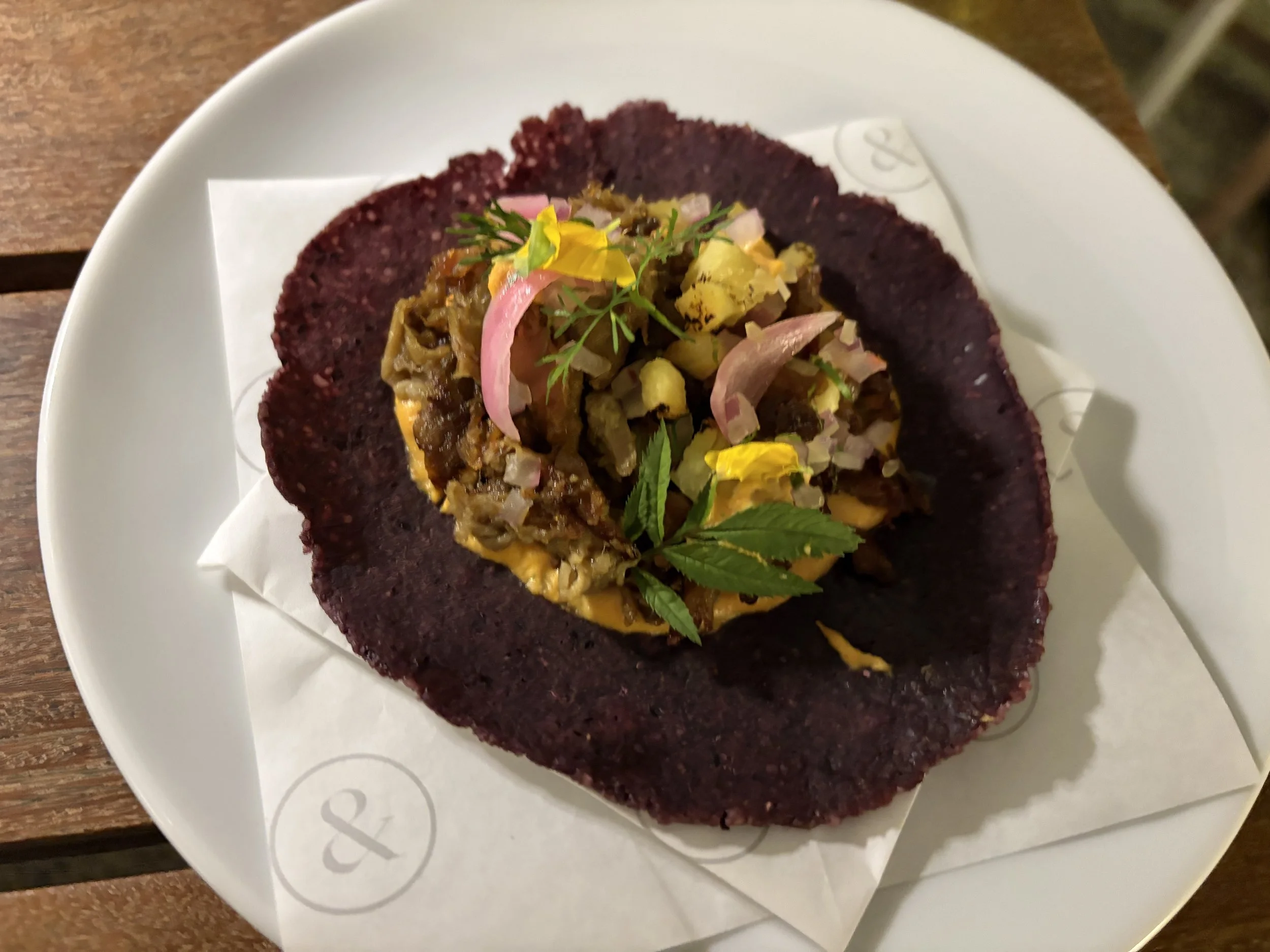
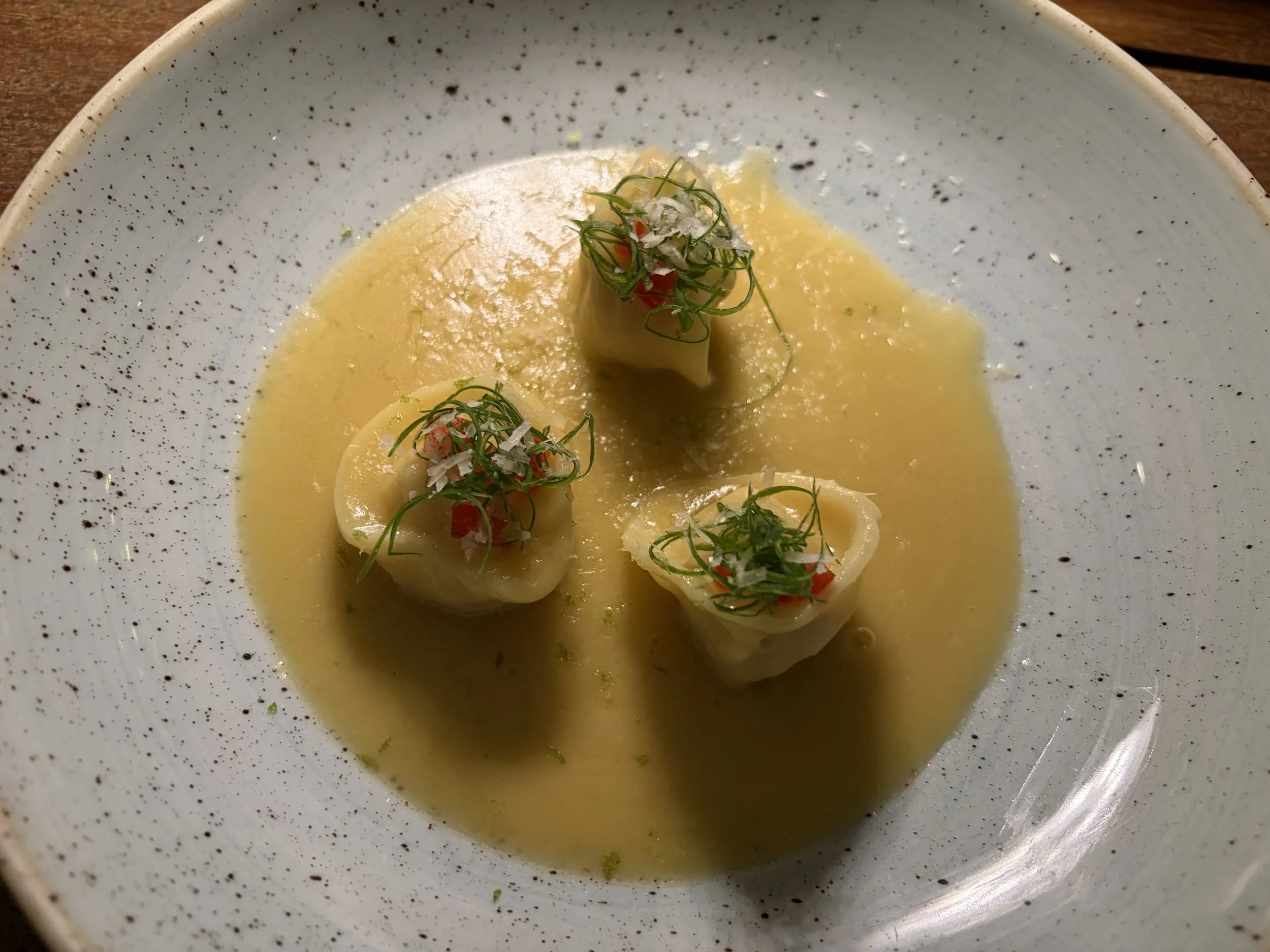
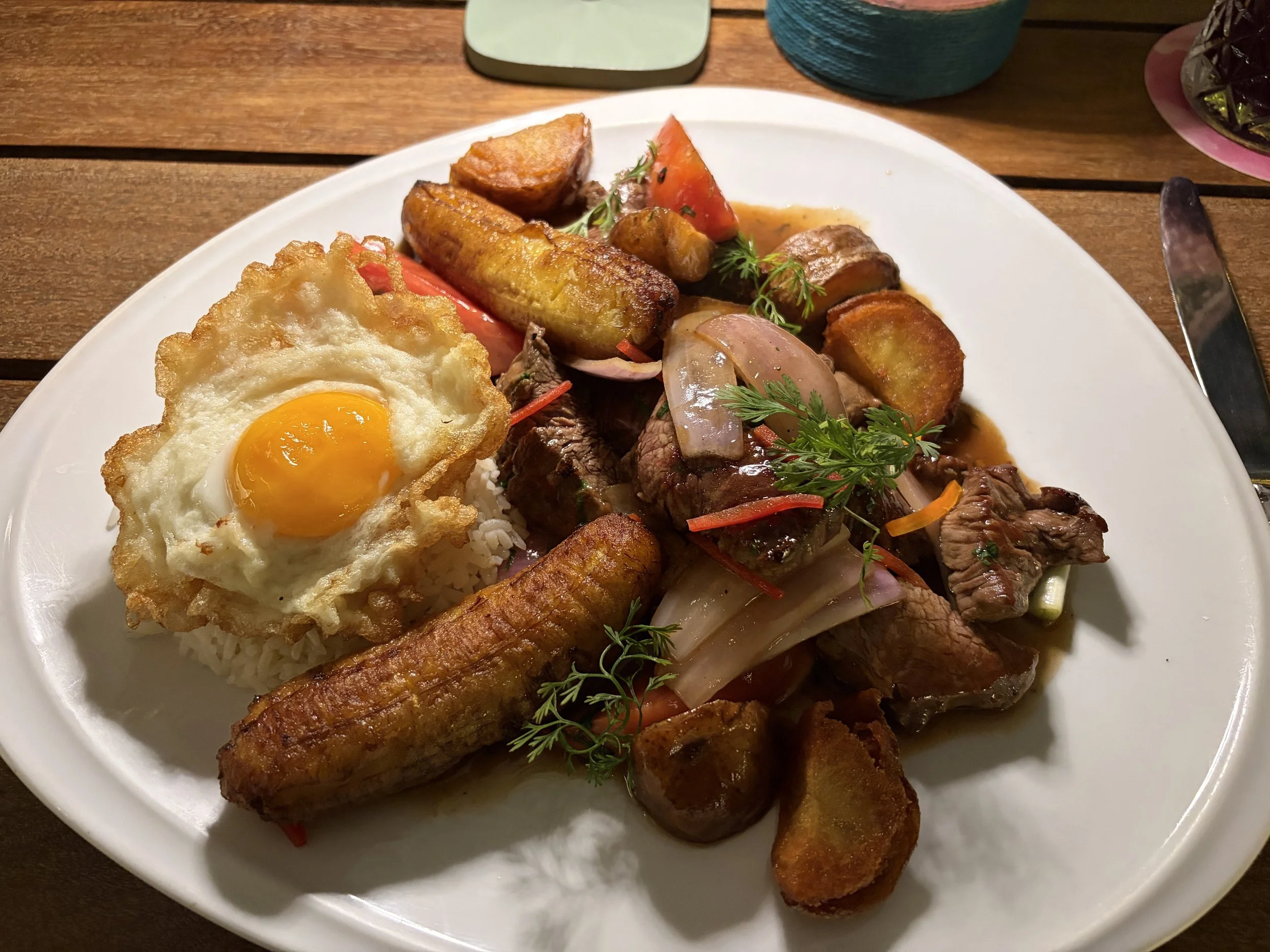
I ordered a mix of small plates and decided to fully commit by trying guinea pig. At first, it tasted somewhat like pork, but midway through eating it, the realization of what I was actually eating hit me, and it became more of a mental challenge than a culinary one. I powered through, partly to redeem myself for not finishing the beef heart earlier, but it’s not something I feel the need to revisit.
What I would absolutely revisit, however, were the potatoes, which once again stole the show—perfectly crispy and easily one of the best things I ate the entire trip.
Sunday: Departure, Denial, and One Last Potato
Sunday morning was all about packing and realizing I had bought far more souvenirs than anticipated. Getting my backpack closed felt like a full workout. I left early for the airport, which turned out to be the right call as traffic once again doubled the expected travel time.
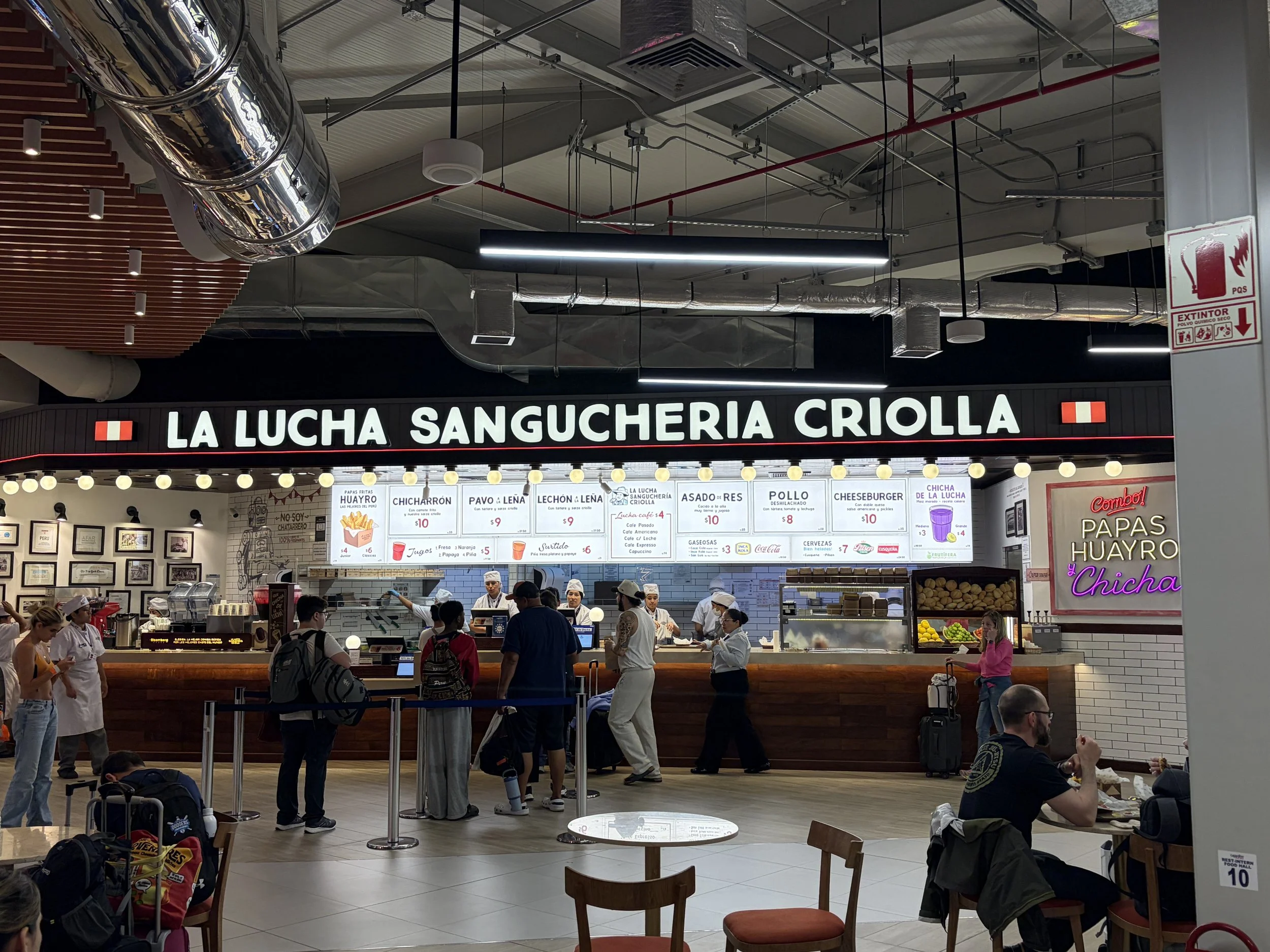
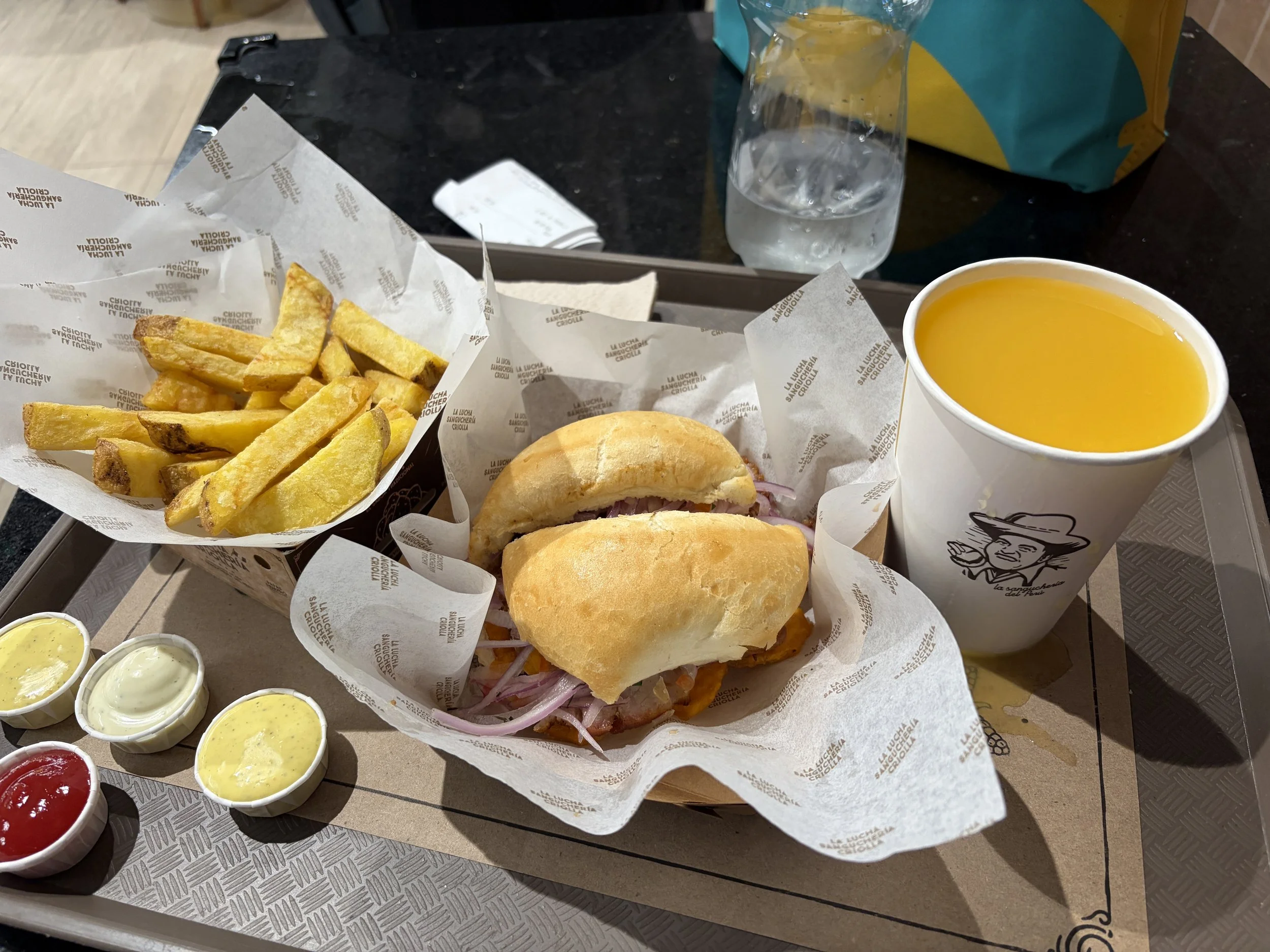
The airport itself was surprisingly nice, and I was amused to find the same sandwich shop I had gone to earlier in the trip. Naturally, I got another sandwich—and more potatoes—before catching my flight back to LA.
Conclusion: Controlled Chaos, Perfectly Done
Lima doesn’t try to be easy—and that’s what makes it memorable. It’s chaotic, contradictory, and occasionally overwhelming, but also incredibly rich in culture, history, and food.
I swam with sea lions (questionable judgment), ate things I probably won’t eat again (definitely guinea pig, maybe beef heart), and developed a borderline obsession with Peruvian potatoes.
If there’s a theme to this trip, it’s this: the best moments came from the things I didn’t fully think through. The chaos, the surprises, even the uncomfortable parts—they’re what made the trip stick. Would I go back? Probably not. But on my next trip, I plan a little more and maybe read the full titles of the tours I book.