Rome Is Old — and It Got Old Quick
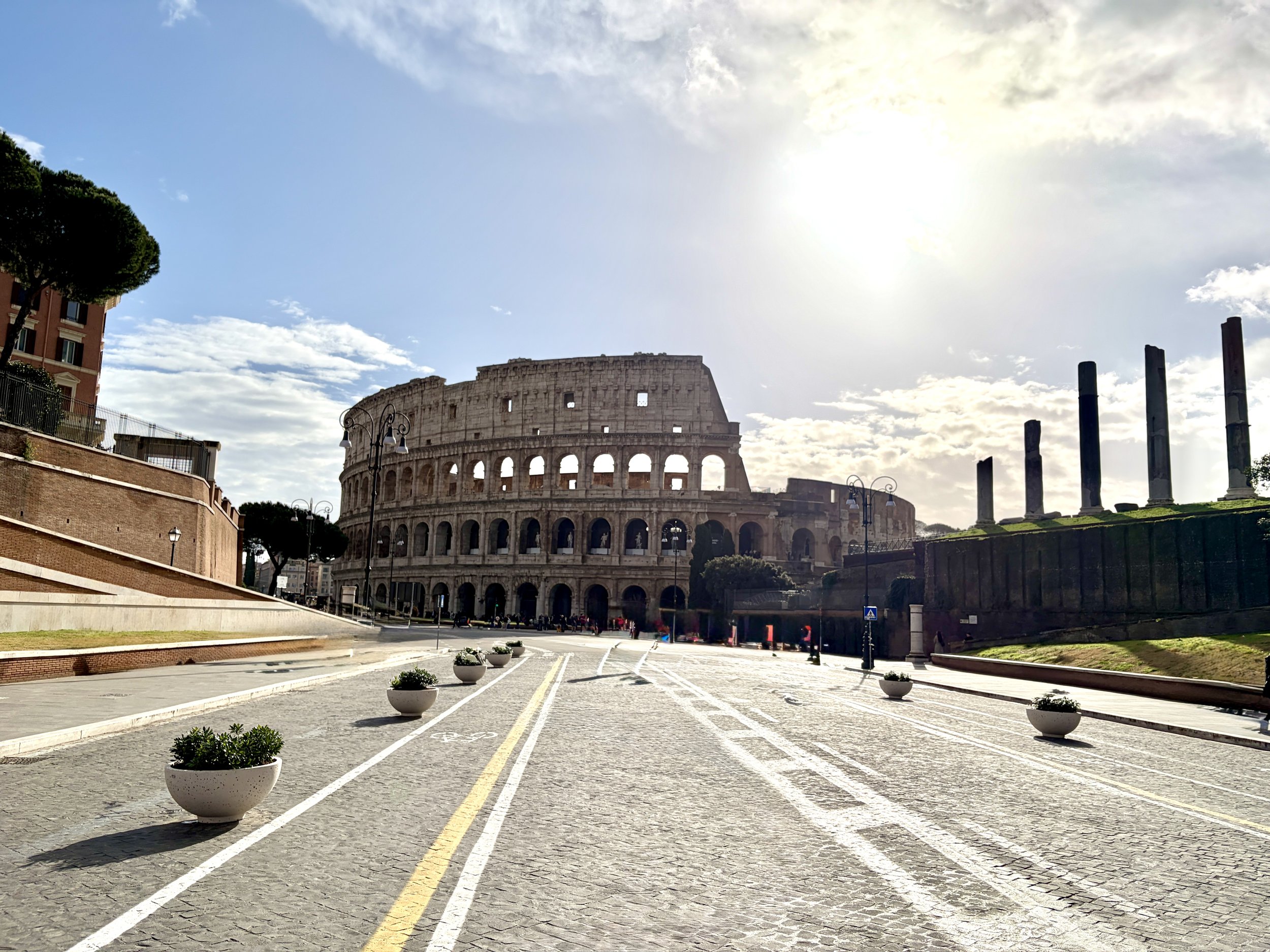
There are so many movies about Rome. So many sweeping shots, golden-hour ruins, Vespa montages, and romanticized piazzas that make it feel like this mythical, timeless place you’re supposed to fall in love with instantly.
But appearances are deceiving.
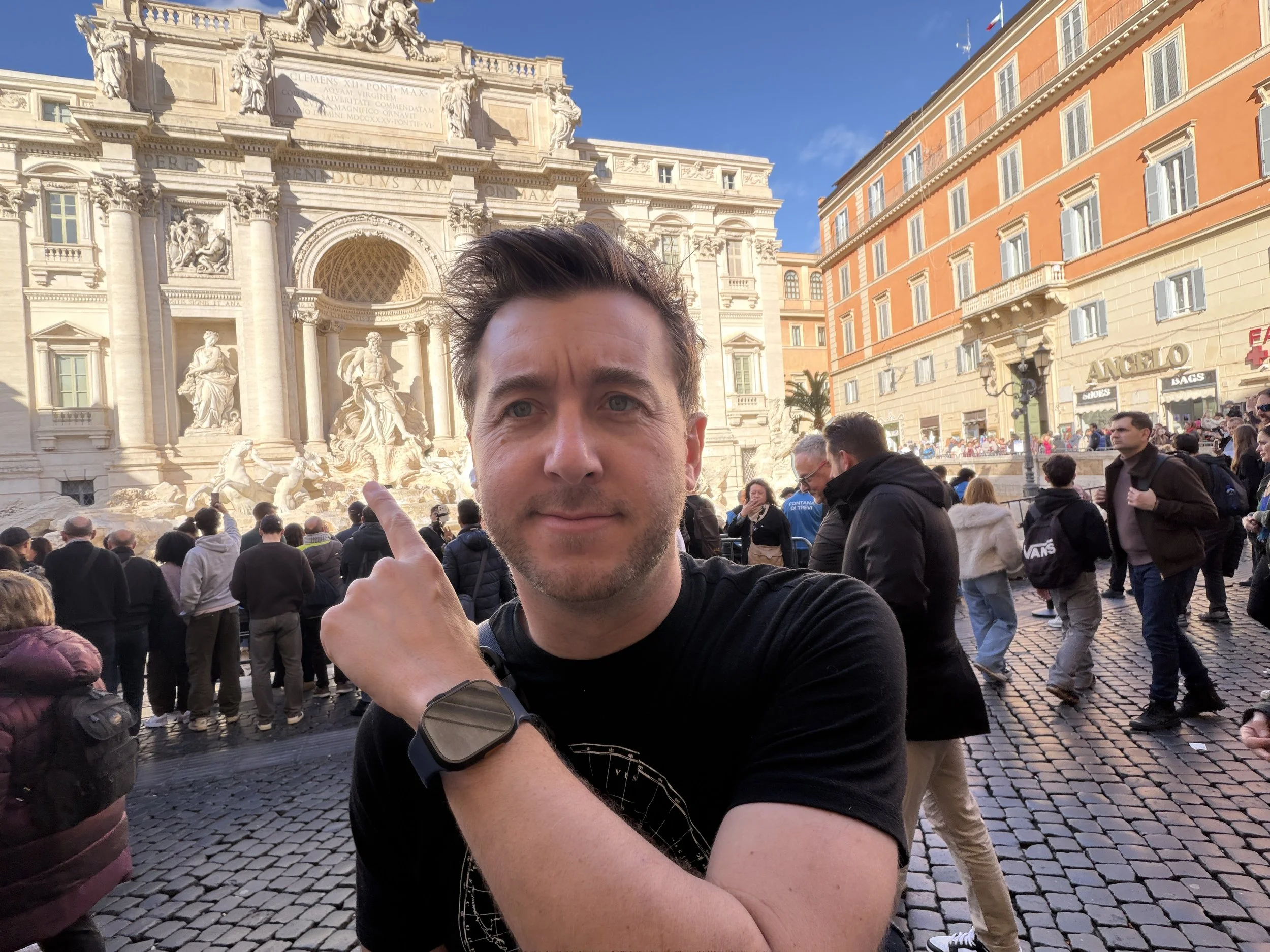
Rome is kind of like Instagram. You see the perfectly framed photo, but not the chaos just outside the shot. The reality is a million tourists, shoulder-to-shoulder, all trying to get their version of the same picture. March is considered “low season,” and yet it felt busy in a way that reminded me of San Diego Comic-Con — except Comic-Con has wide streets. Rome does not. Rome is narrow. And old. And crowded.
I had always wanted to go and had pretty high hopes, but I was honestly let down — not because Rome doesn’t have substance, but because the hype feels disproportionate to the experience. Don’t get me wrong: what Rome offers is what it has. Ancient ruins, churches, fountains, history layered on top of history. But at some point, you start asking… is it enough?
Grant always says, “Once you’ve seen one castle, church, mosque, etc., you’ve seen them all.” And I hate to admit it, but he might be right. I’ve seen a lot, and after a while, they all start to blend together. So, final rating? 5 out of 10.
The flight itself was hard to pass up: San Diego → Atlanta → Rome for about $500 round trip. That’s a steal. I wanted to do something fun for my birthday, this popped up a month early, and I figured, why not? (Still means I have to plan something else for my actual birthday, but future me can deal with that.)
On the way out, I realized I forgot a jacket and grabbed a San Diego sweatshirt at the airport. Comfy, practical, and screamed tourist. I weirdly loved it. First flight out the gate—Middle seat, back row — I knew what I signed up for.

Atlanta, despite being the busiest airport in the U.S., somehow has a terrible food selection in the international terminal. I ended up at TGI Fridays. If mozzarella sticks are available, I’m good. I also got potato skins and wings so I was sitting pretty.
Atlanta to Rome was about 9.5 hours. I had a window seat and sat next to a very strange guy. I briefly thought we might chat, but when someone wears a shirt that says “Think of the unborn children” and is simultaneously scrolling Star Wars Reddit threads… yeah, no. Headphones on. Prayers up he doesn’t want to talk to me!
Food was polenta and meatballs — surprisingly good. I scrapped the bottom of the packaging for every kernel of polenta. Took an Ambien, tried to sleep, but my seat mate was that one guy in the entire plane with his reading light on. Thank God for my eye mask and a second Ambien. When I knocked out, we had 7.5 hours left. When I woke up, only 1.5. That’s a win.
Before leaving the US, I downloaded FreeNow, which is basically Uber but with taxis and somehow connected to Lyft. Don’t ask — it works. You don’t have to negotiate with taxi drivers, which I heard can be problematic in places like Rome.
On the drive to the hotel, we passed a few landmarks, and I was genuinely excited. Rome looks impressive at first glance.
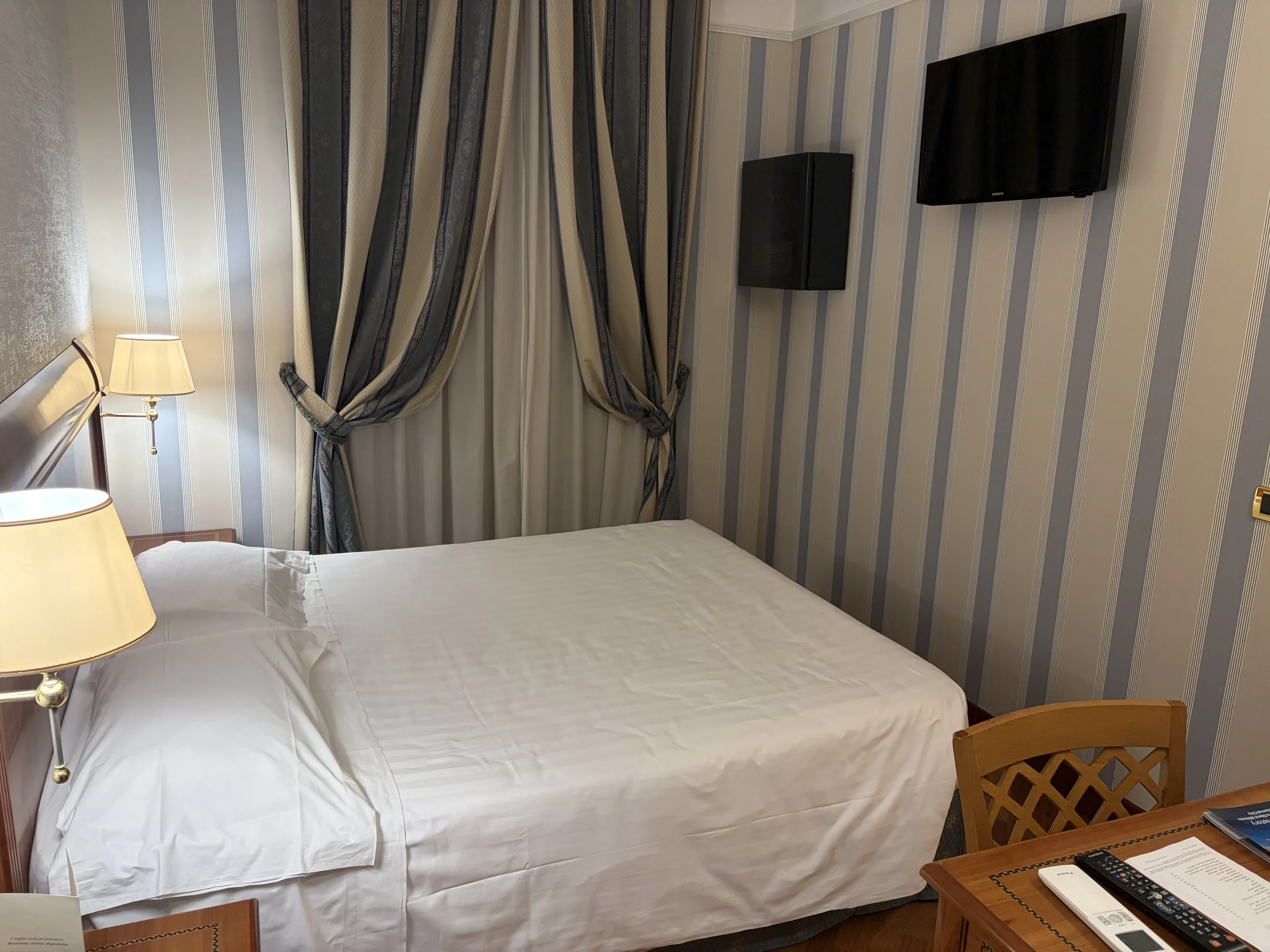
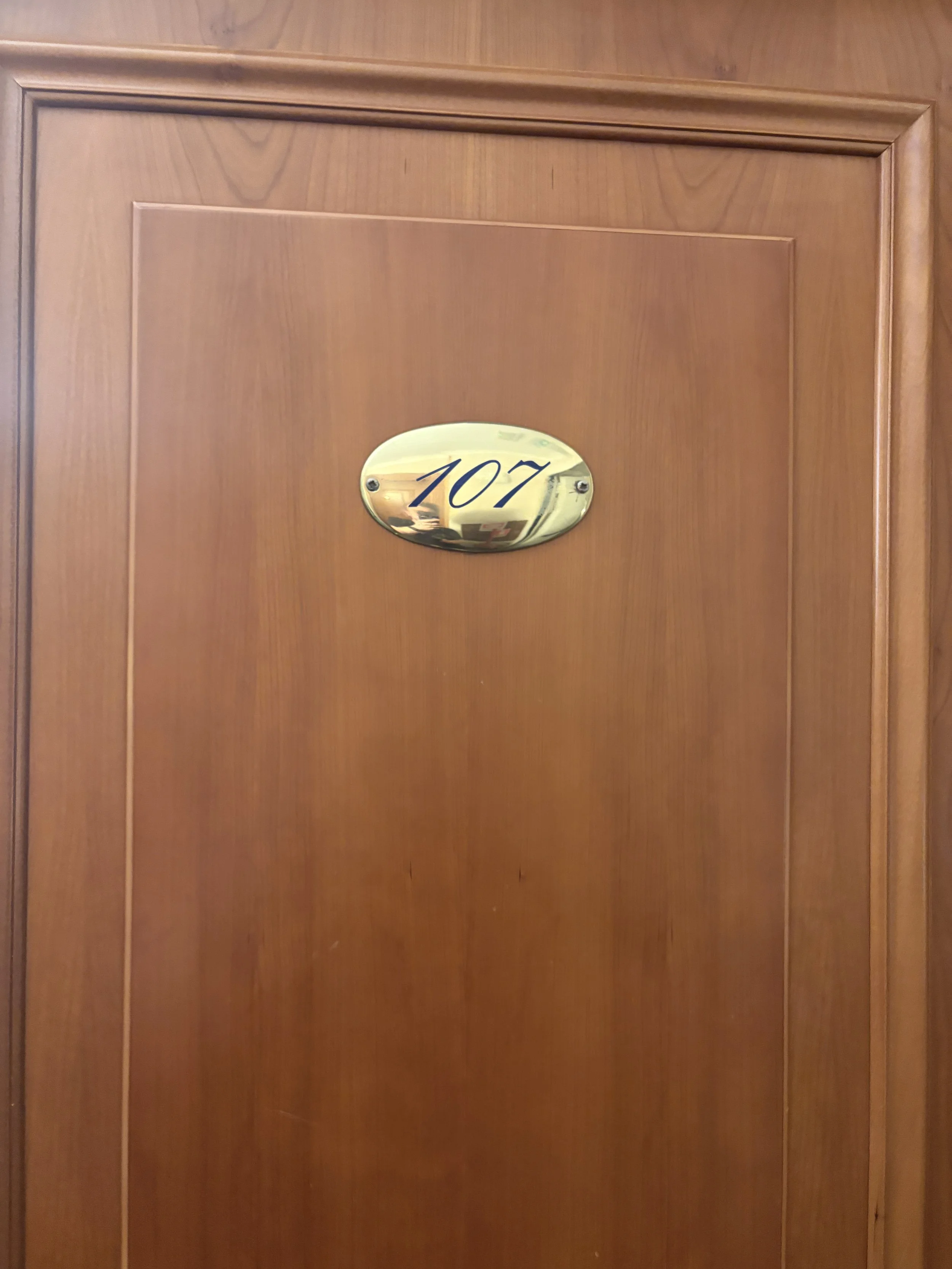
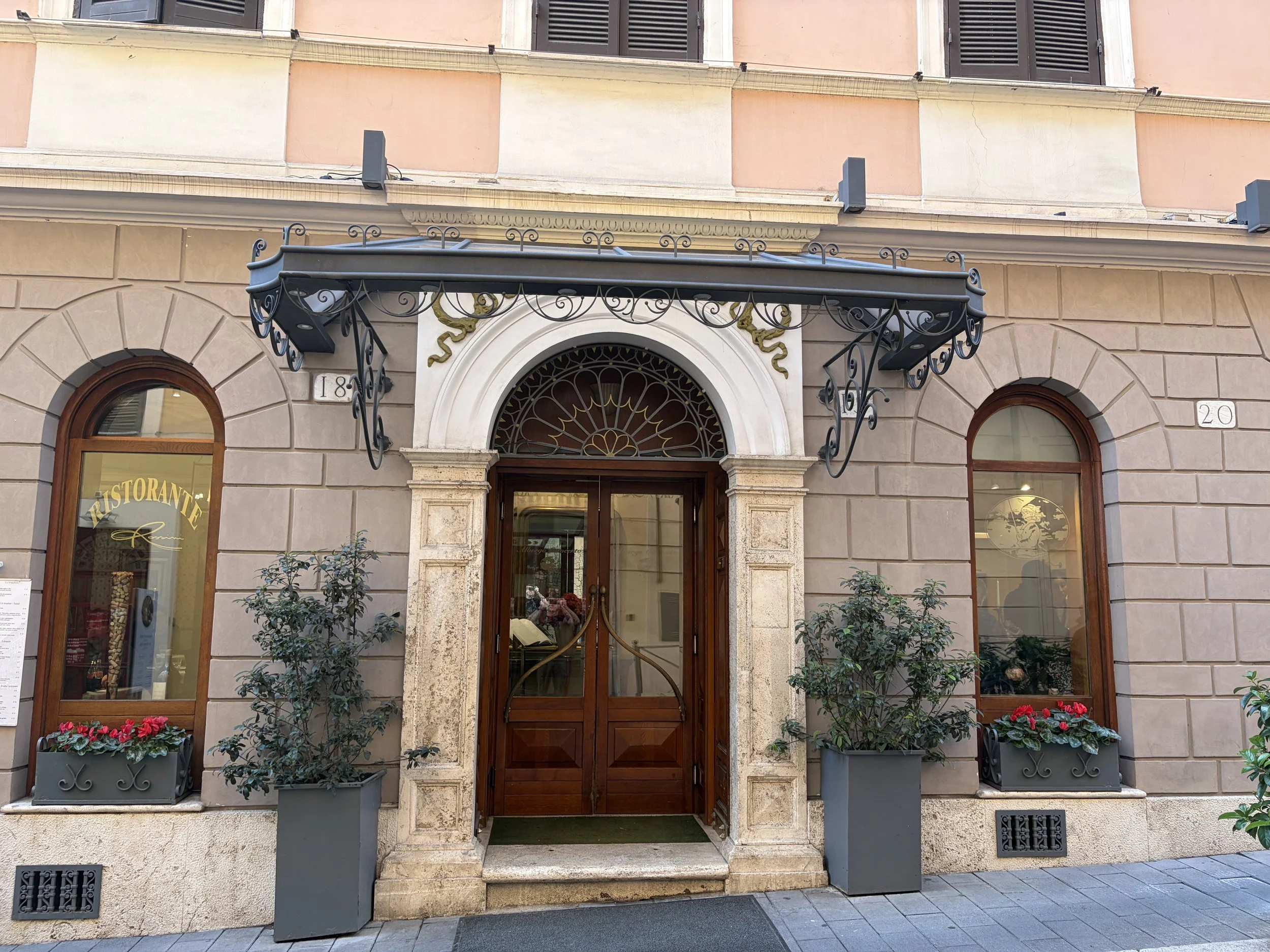
I stayed at Albergo Ottocento, which wasn’t my original booking. My first hotel canceled the week before, and Agoda stepped in with credit to help rebook. Not their fault — appreciated the assist.
The hotel was nice enough. Quaint. Serviceable. But they had this weird rule where you had to leave your room key at the front desk every time you went out. Someone was always there, but still… strange. The “Do Not Disturb” sign stayed firmly on my door. For some reason, I thought that would protect my stuff. I guess I’ll chalk that dumb thought up to jet lag. This was advertised as a 4-star, so I could only imagine what the hotel would look like if I got a 2 or 3-star. Yikes!
After unpacking, I followed an itinerary ChatGPT built for me. I usually spend hours mapping out sites and making sure I don’t double back needlessly. Honestly? Not bad. I tweaked it on the fly, but it gave me structure and really saved me time.
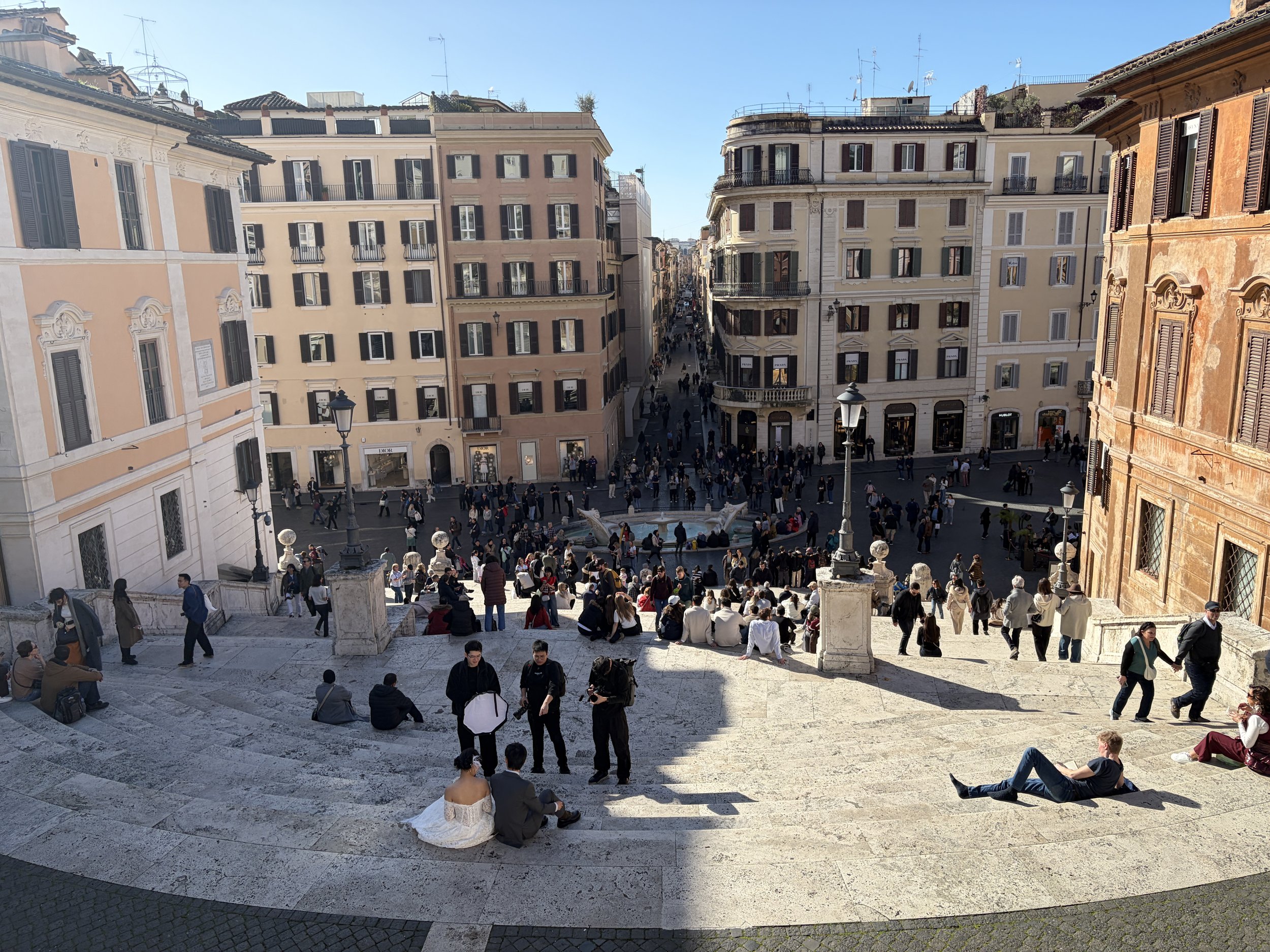
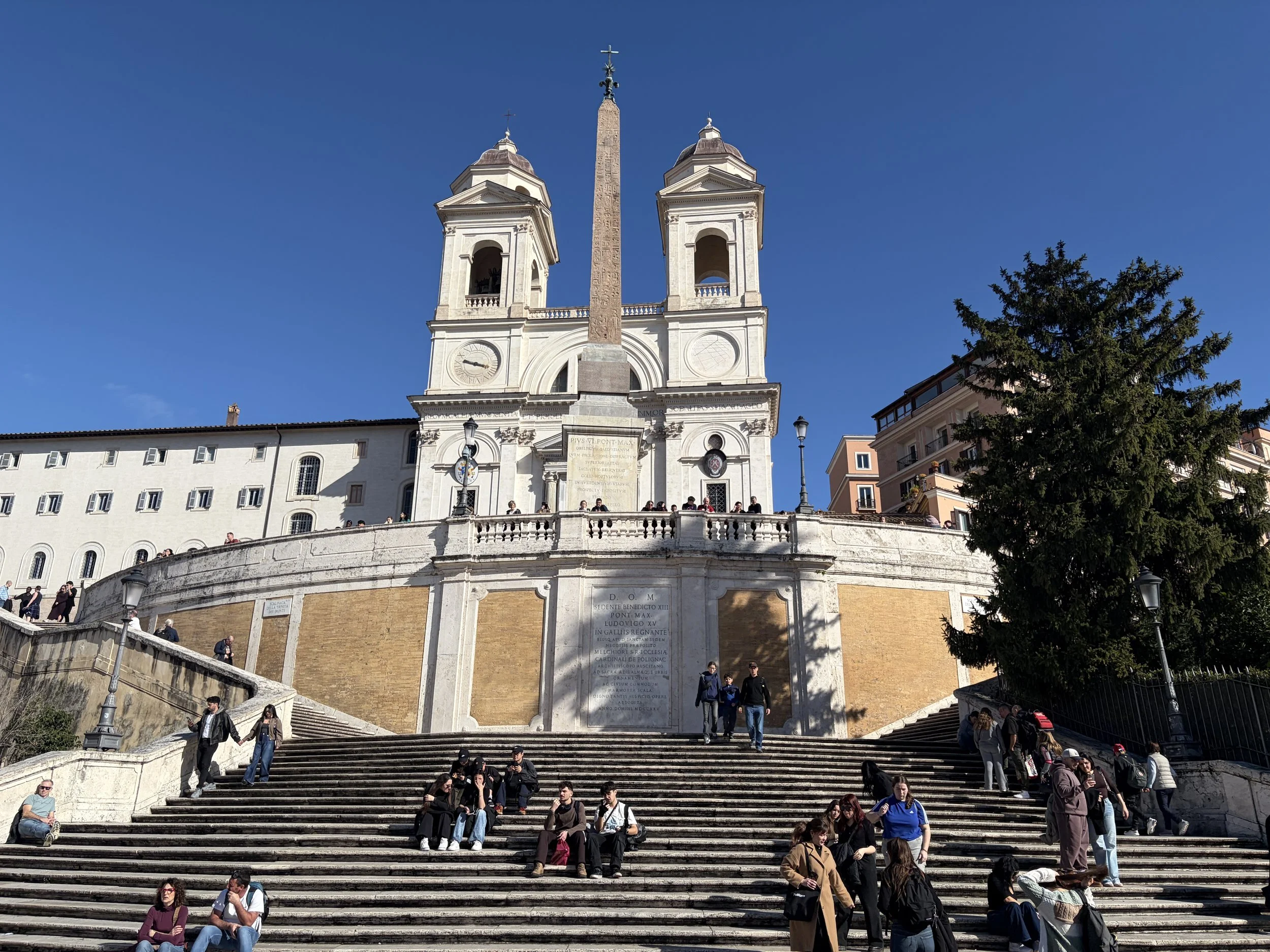
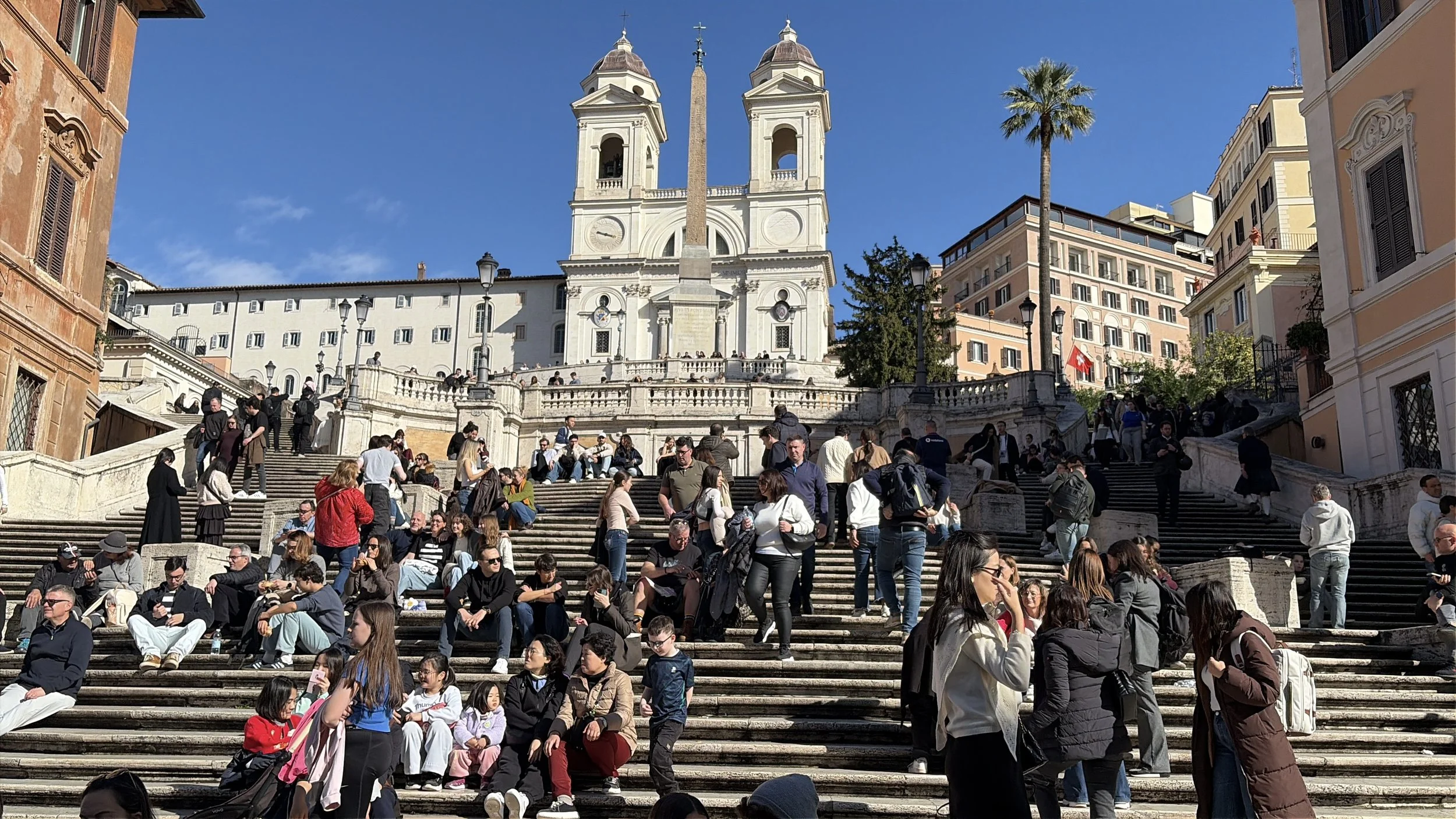
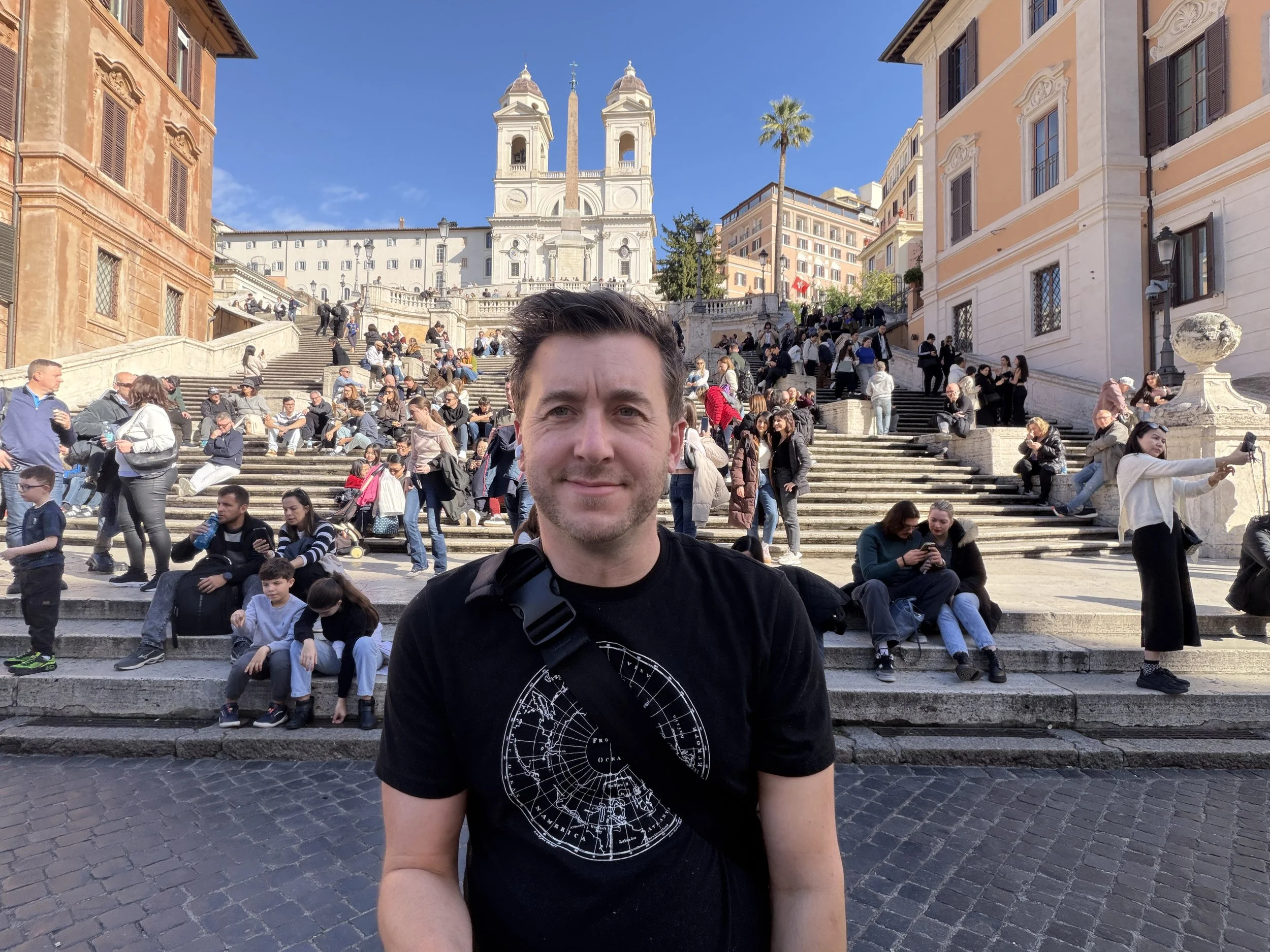
My first step…I mean stop was the Spanish Steps. The Spanish Steps are a grand 18th-century staircase that connects Piazza di Spagna to the Trinità dei Monti church. They were made famous by their heavy use in films. I thought it was James Bond, but it was actually The Talented Mr. Ripley. A bit underwhelming because you just look at them. Also full of people just sitting on the steps for no apparent reason, making it oddly difficult to walk down without stepping over bodies.
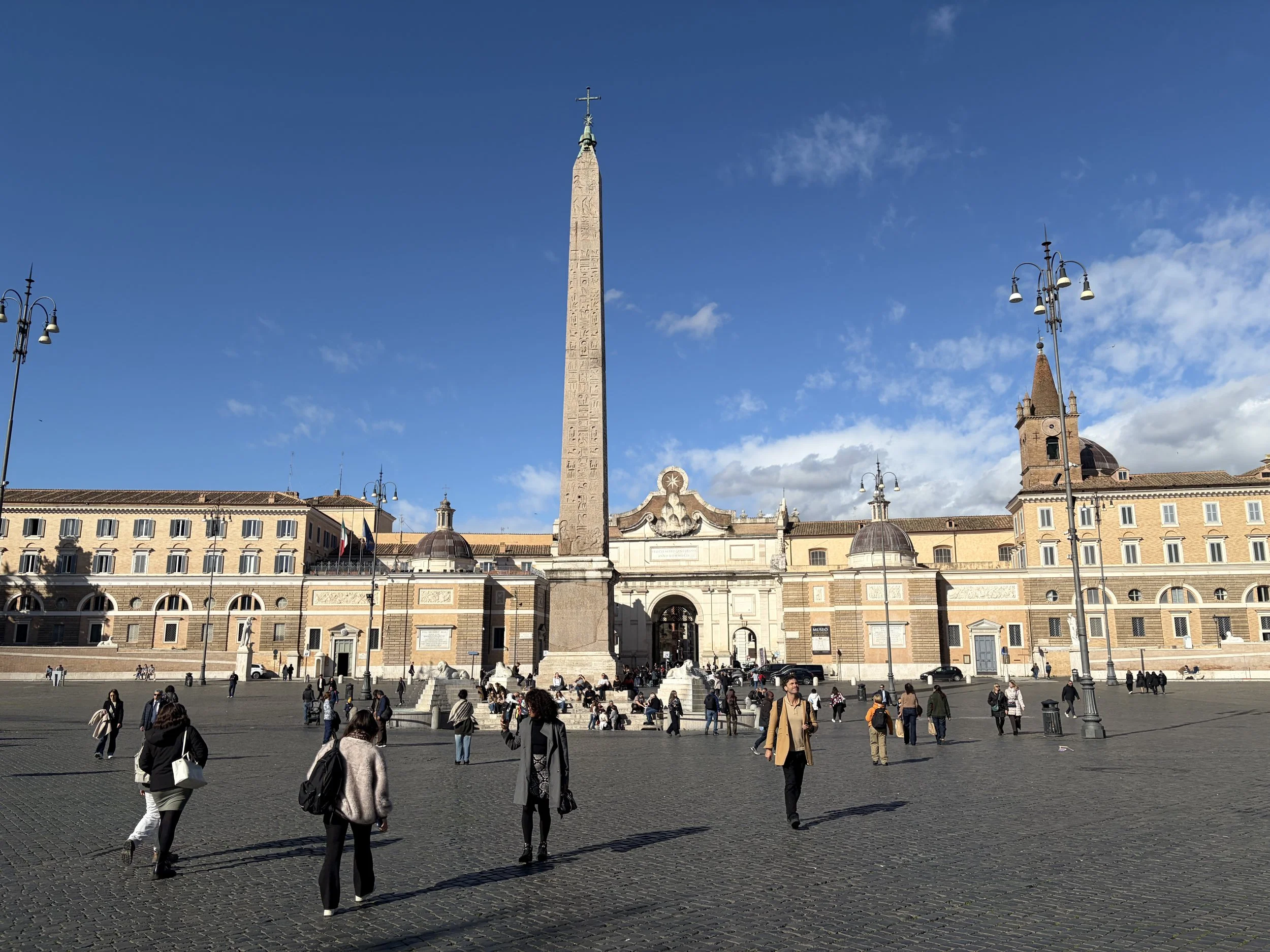
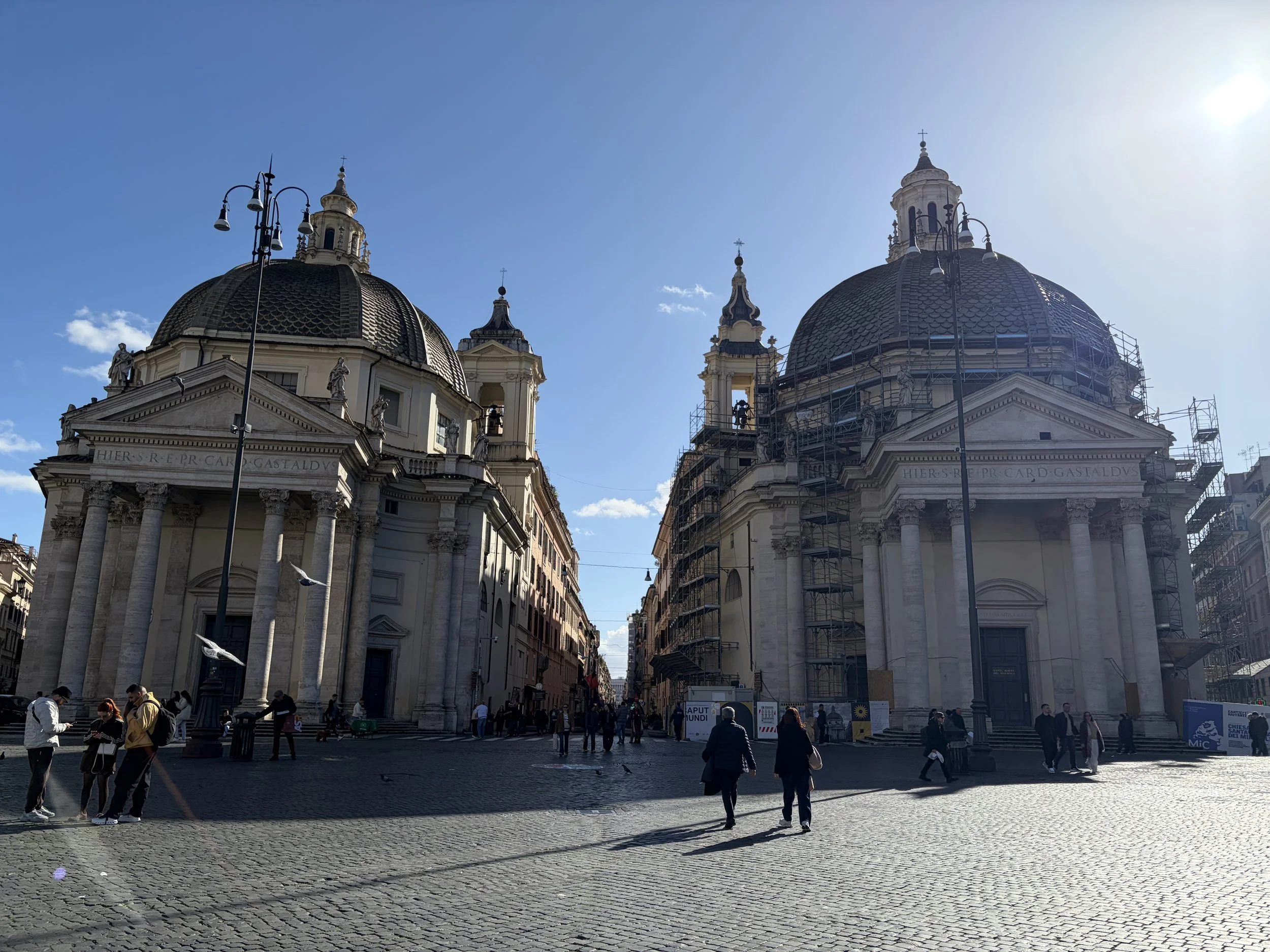
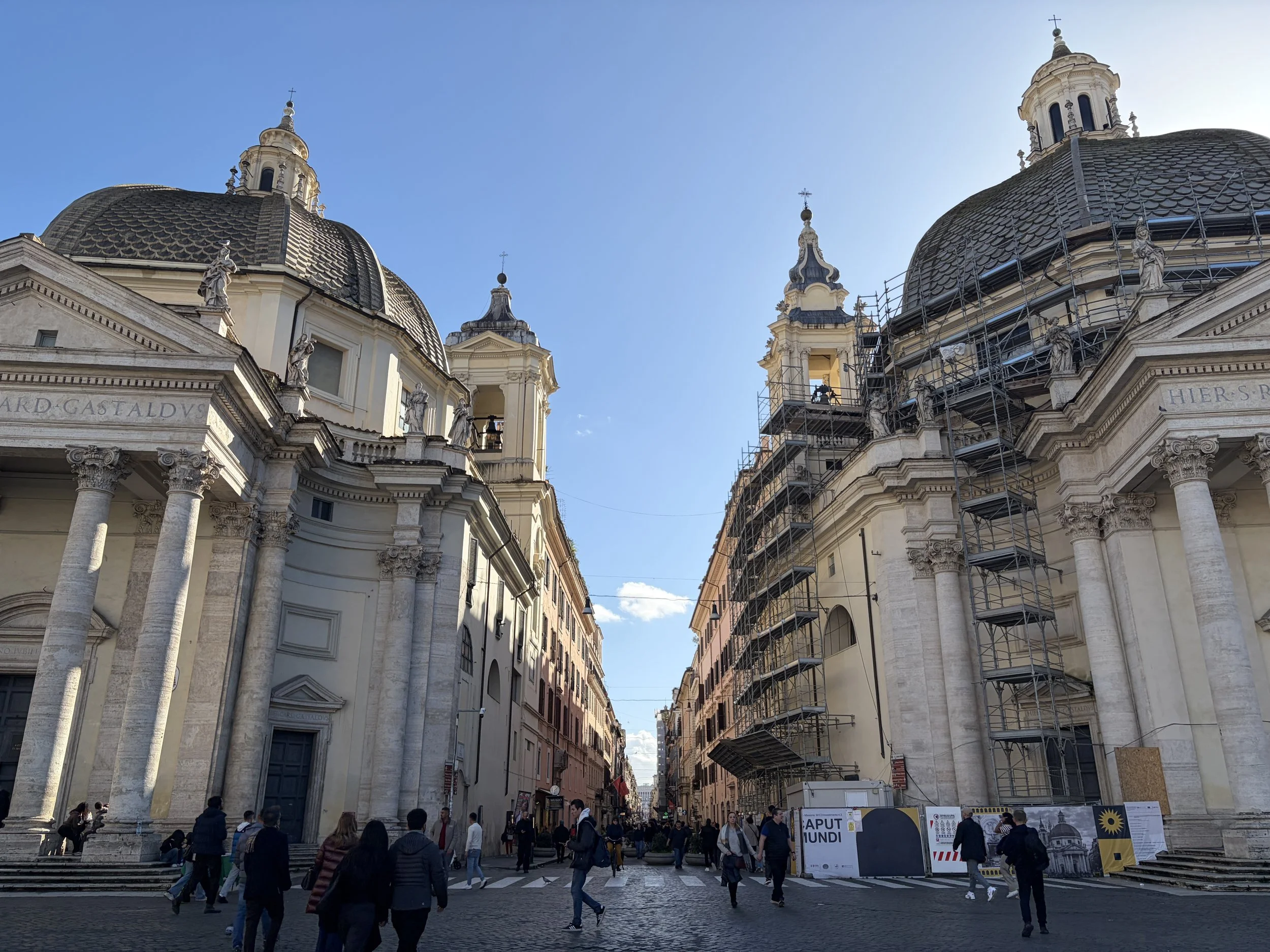
From there, I went to Piazza del Popolo, which is famous for being one of Rome’s grand “welcome” squares. The twin churches at the far end are meant to mirror each other (Rome loves a visual trick), and while one of the domes was under construction, it was still neat to see them.
That said, this is where the pattern really set in for me: a lot of Italy is stopping, staring, and absorbing history. So much history. Layer upon layer of it. And while that’s impressive, there’s a point where it starts to feel like drinking from a firehose—more history than I personally needed, or at least more than my brain was ready to process at that moment.
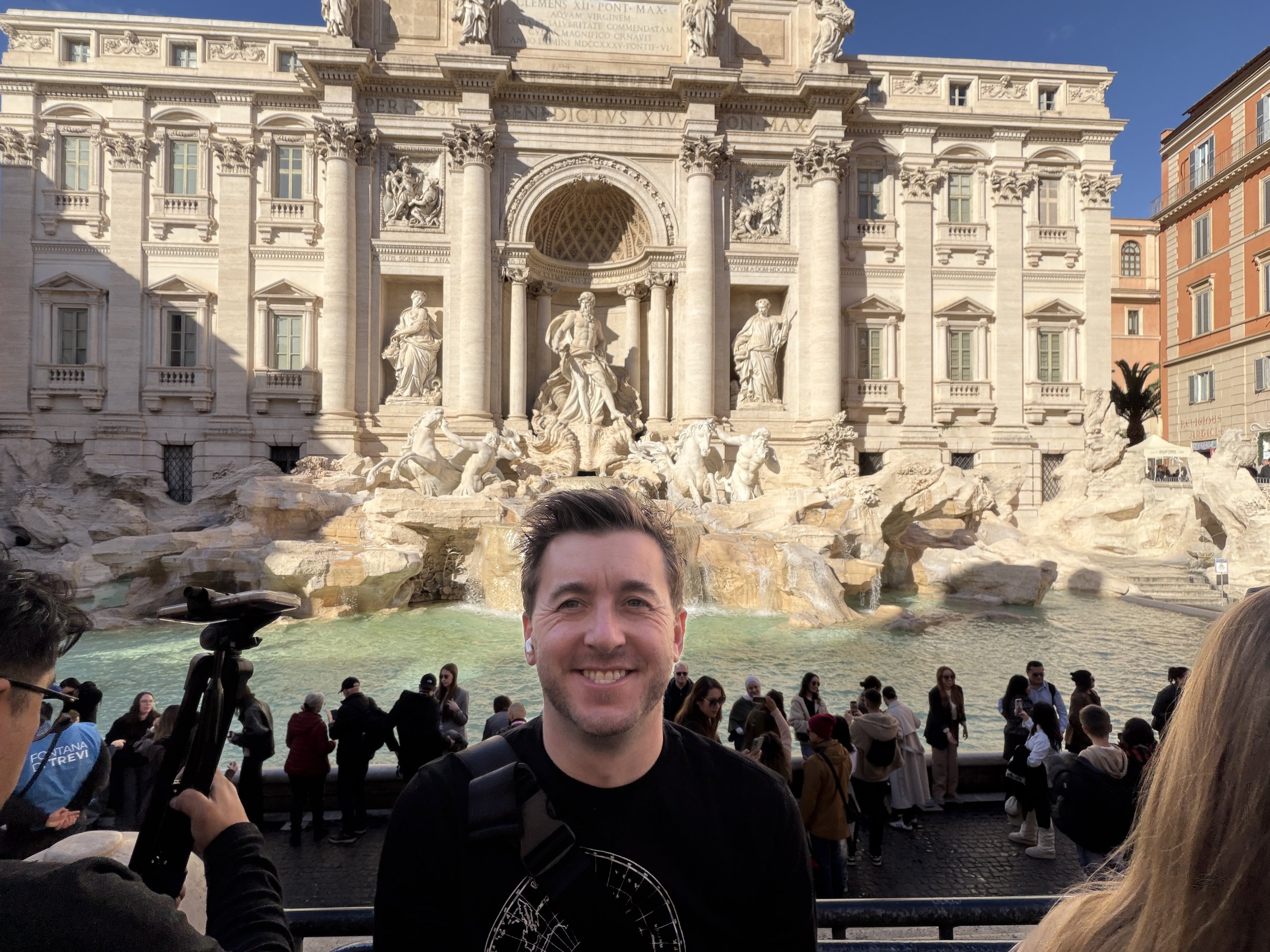
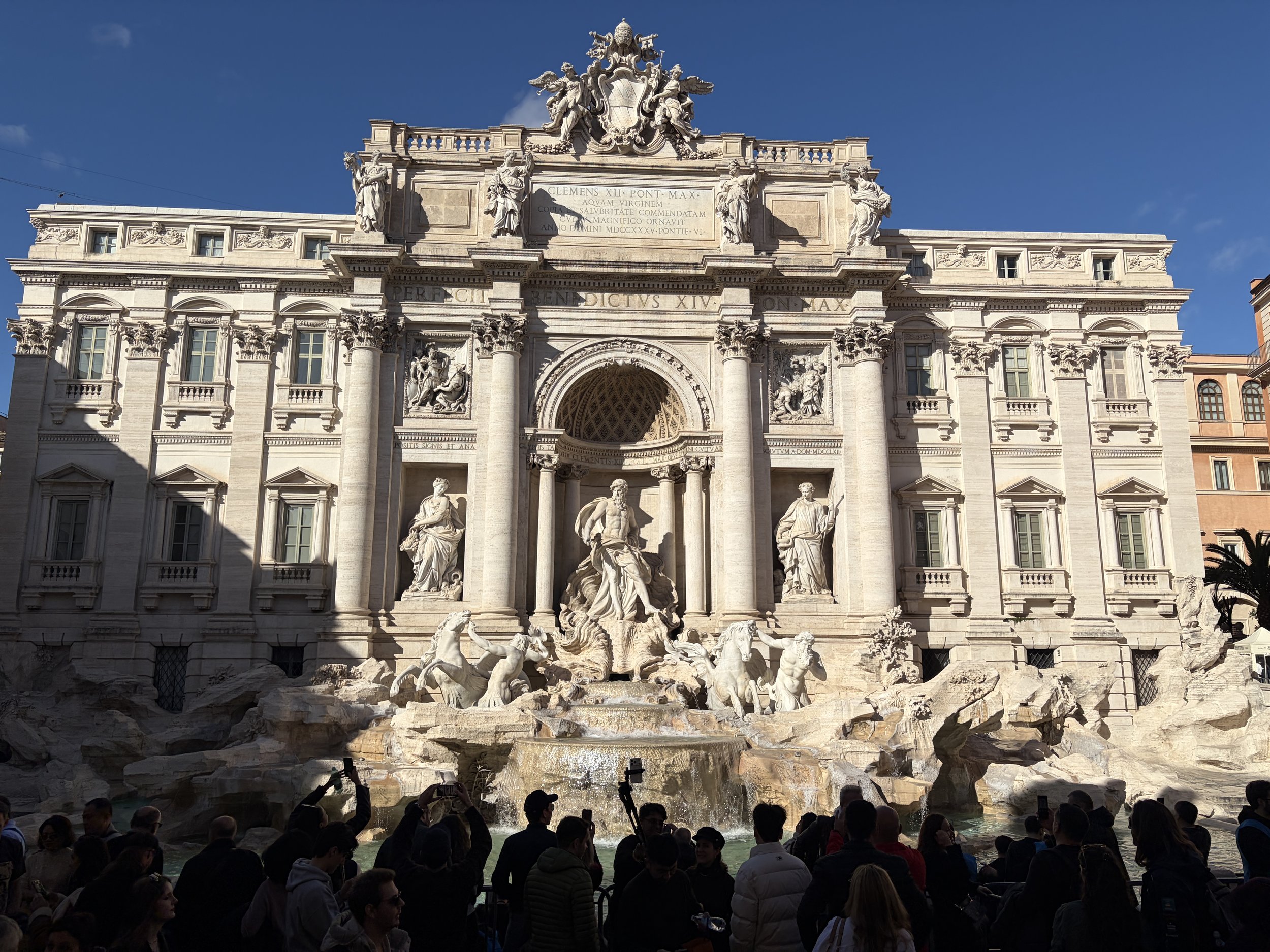
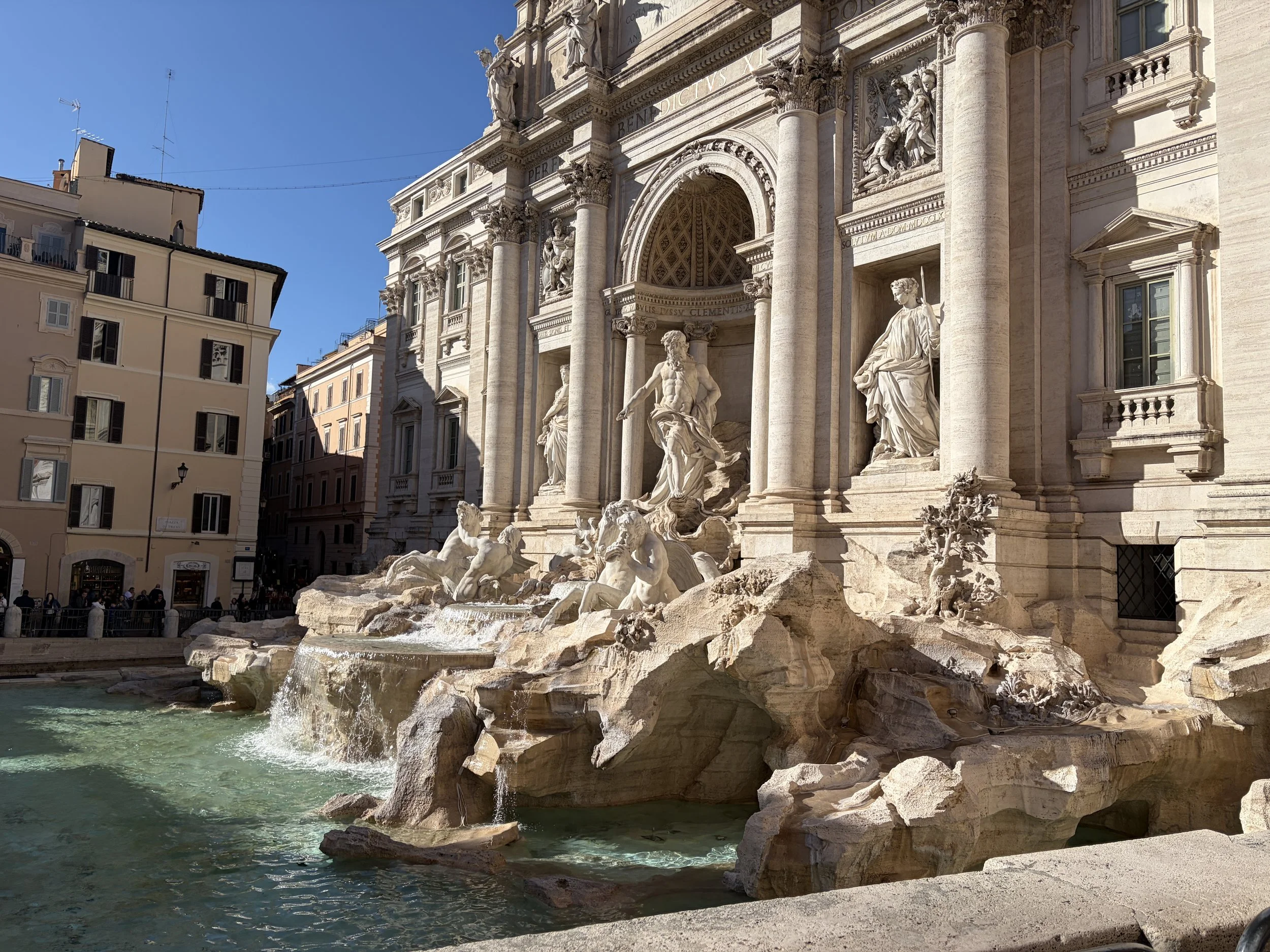
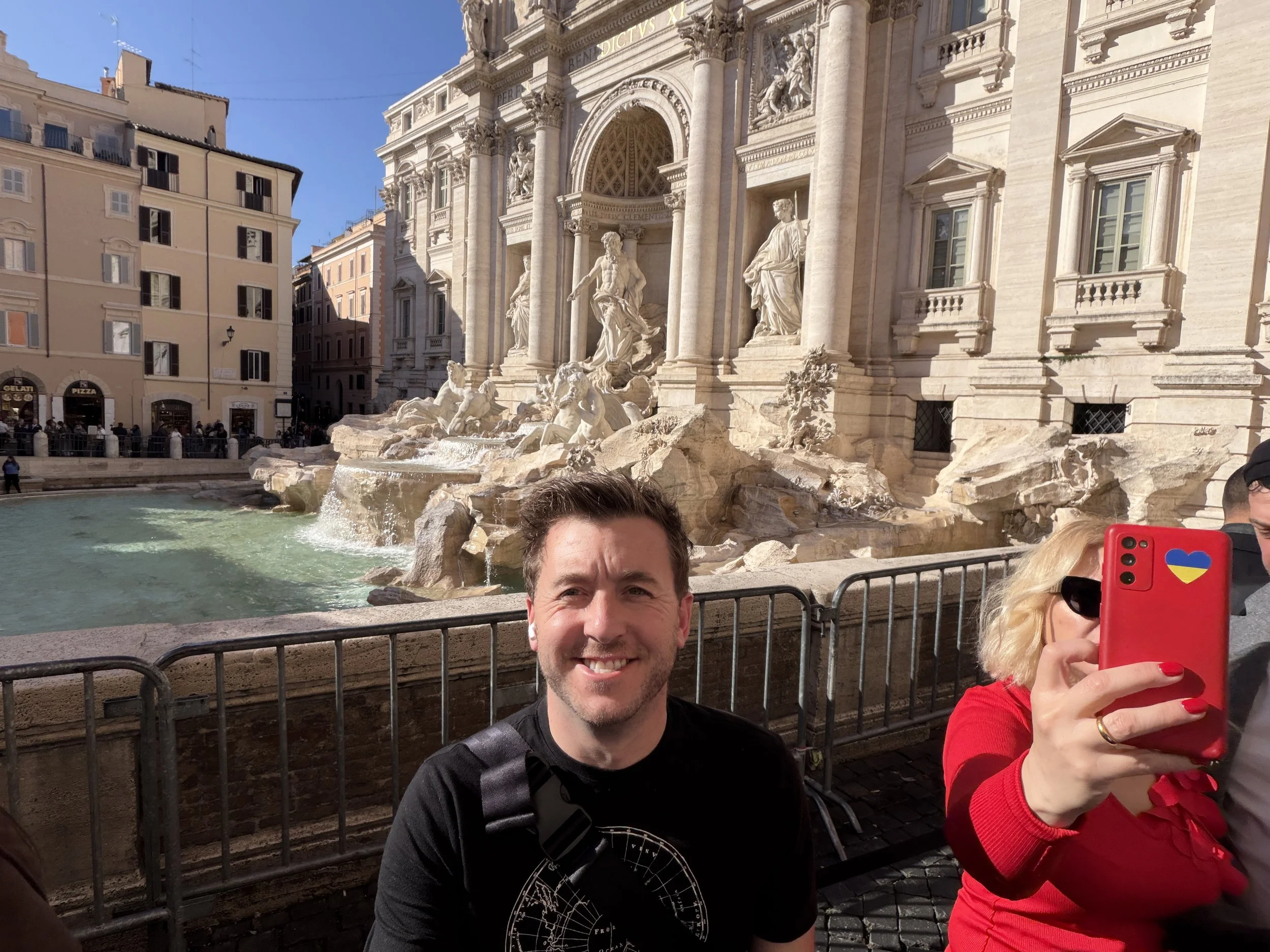
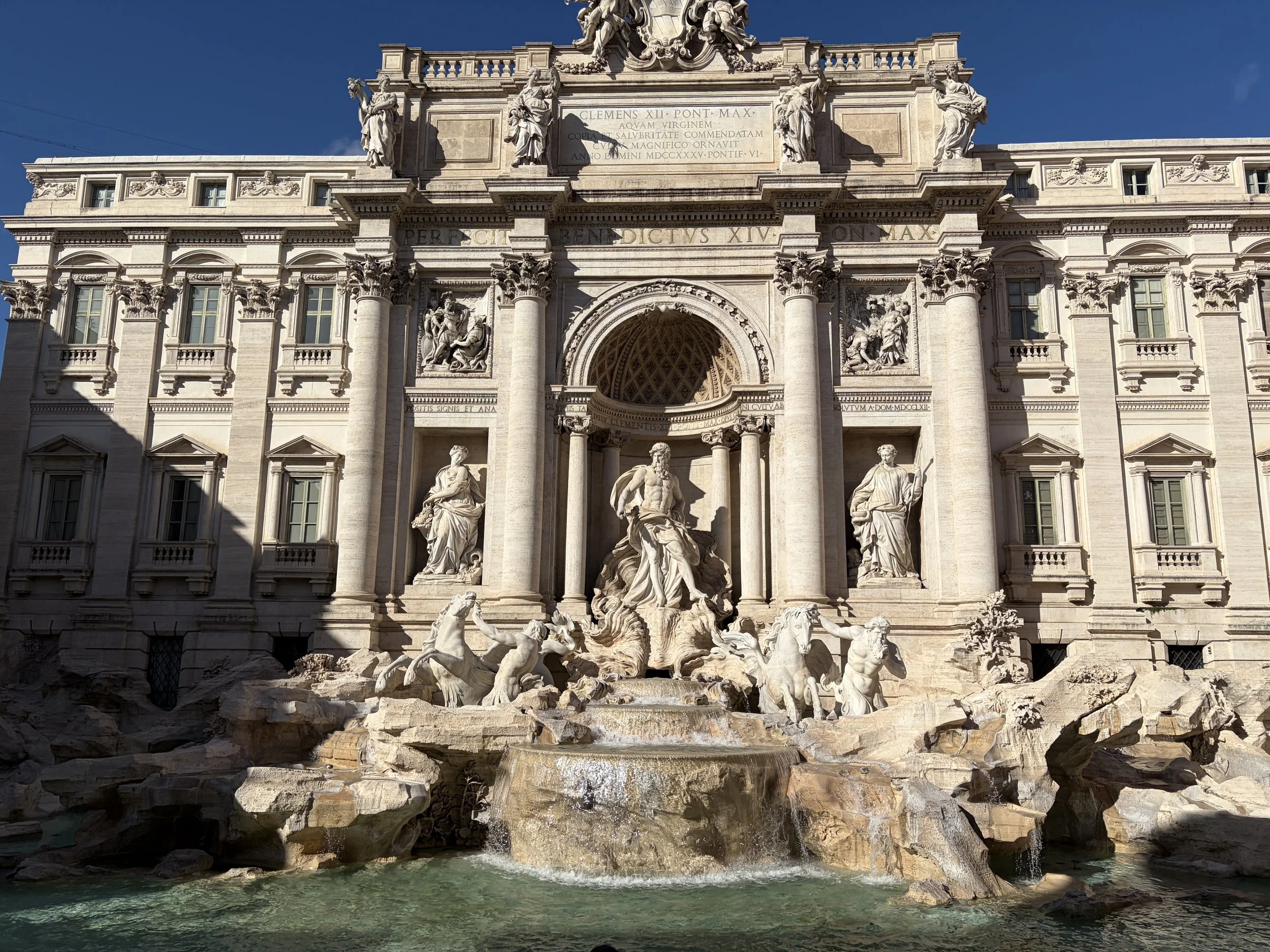
The next stop was one I had already seen before — Trevi Fountain. Fun fact: the whole coin-throwing tradition only took off after the movie Three Coins in the Fountain made it a thing. Today all that money is collected daily and donated to a church that uses it to feed the poor and homeless. Unfortunately, I happened to be there the very first weekend they rolled out a new €2 fee just to get close enough to throw a coin, and I simply could not bring myself to pay money to throw money away — though plenty of people happily did.
The area was completely packed with people who paid, people who refused, and people who were just aggressively lingering for photos, creating a kind of human gridlock. At one point, I had the idea to tell everyone to just go to Vegas because it looks identical and you can actually breathe there, but I decided against starting an international incident. I snapped my obligatory photos, escaped the crowd, and realized I hadn’t eaten nearly enough, which immediately moved “finding a snack” to the top of my priority list.
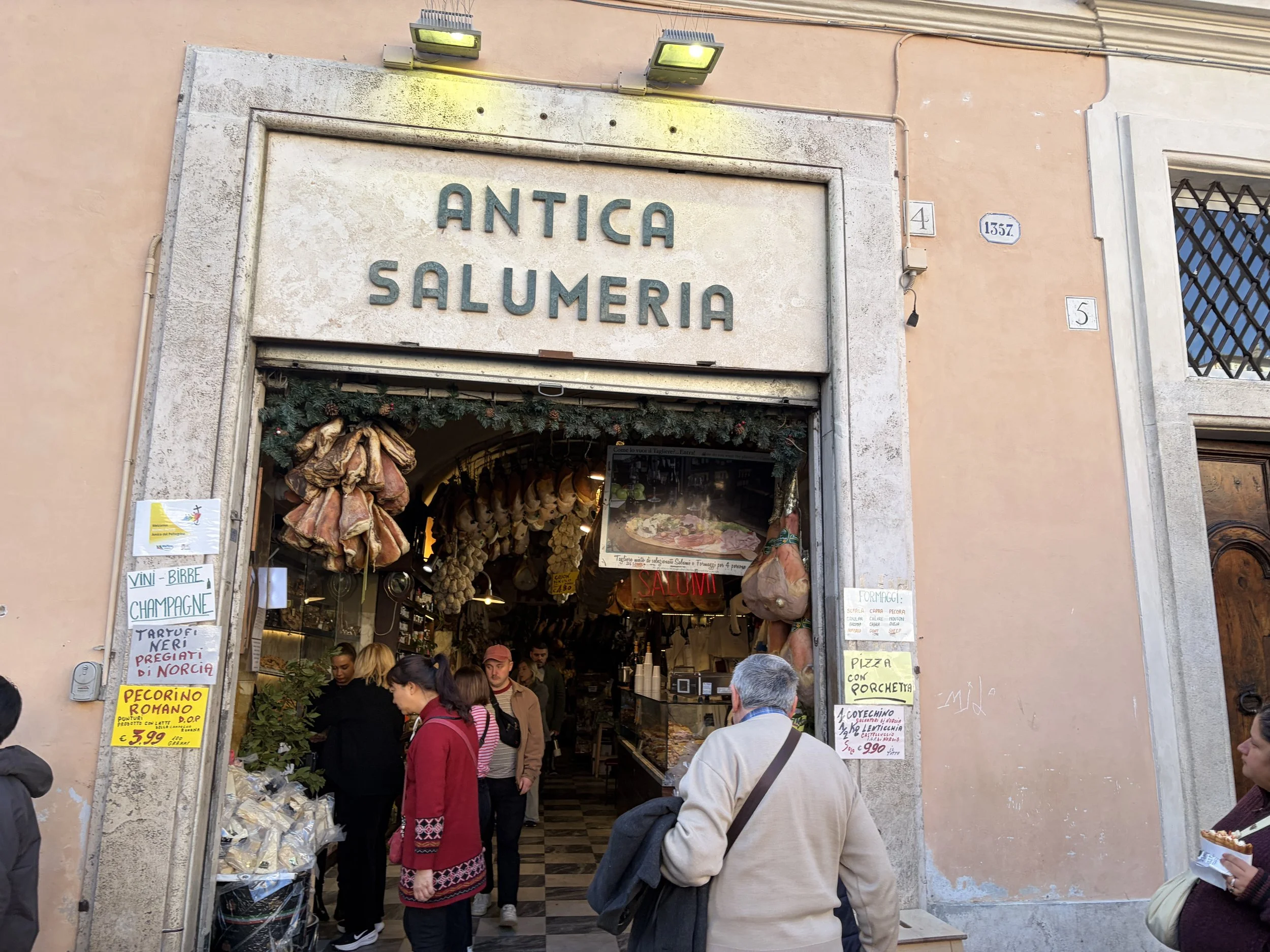
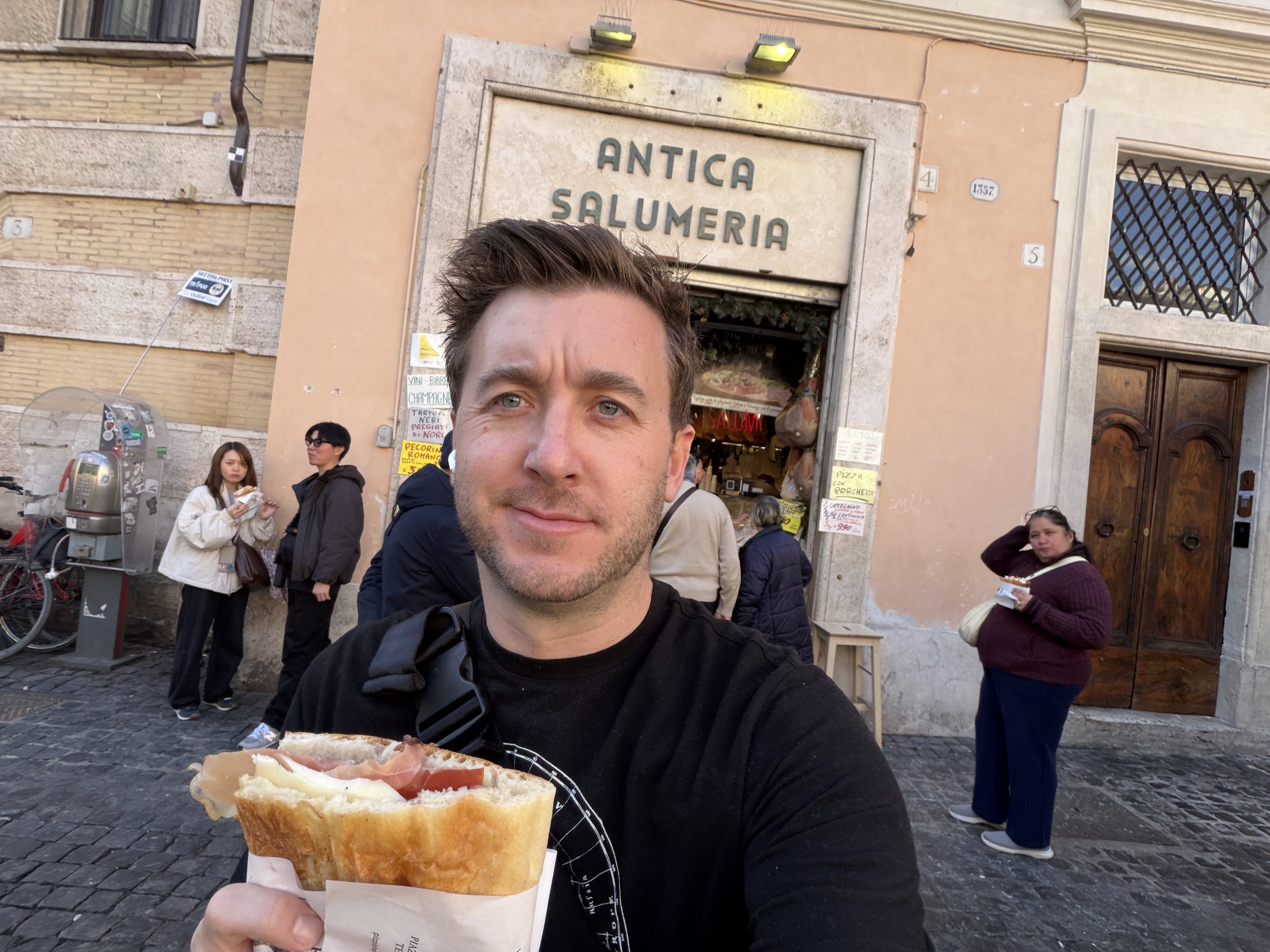
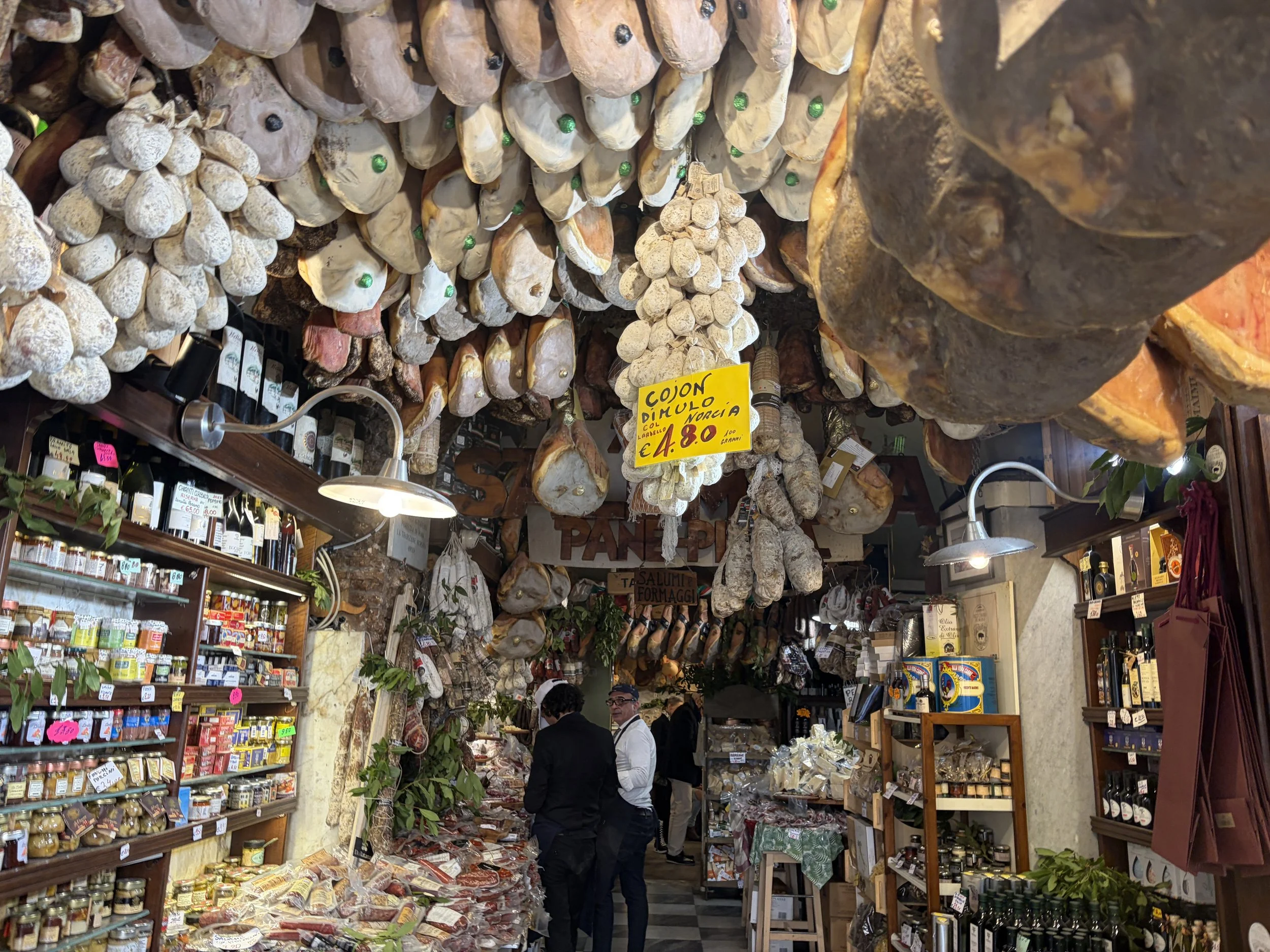
I was starving and on a mission for a prosciutto sandwich. I found Antica Salumeria near the Pantheon. I chatted with the staff, ordered some prosciutto and soft cheese, had it heated, and ate it while walking. A win.
Rome is incredibly walkable. You also walk a lot. I knew I’d taxi home later so I didn’t care how far I veered from the hotel. I just kept going.
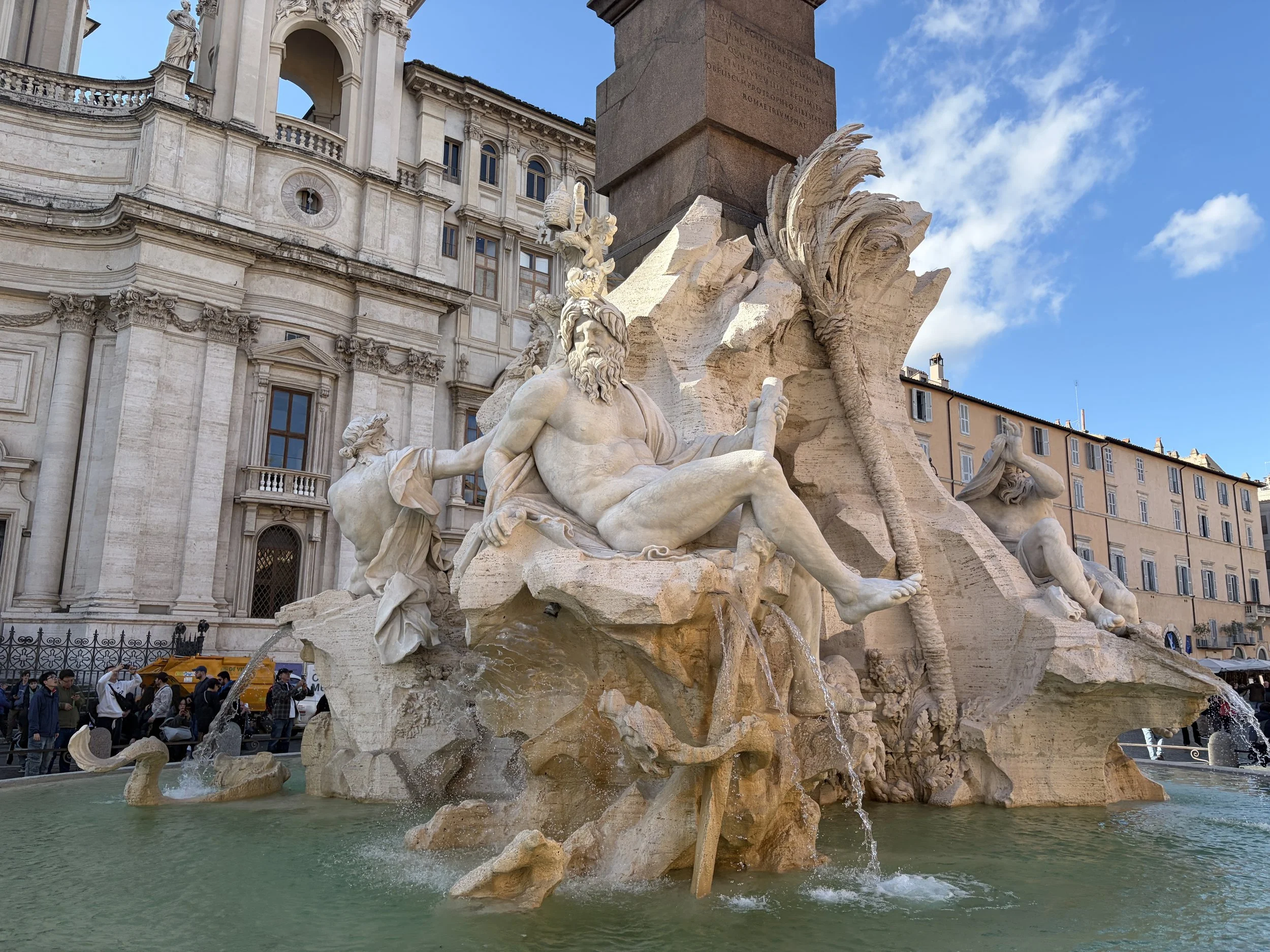
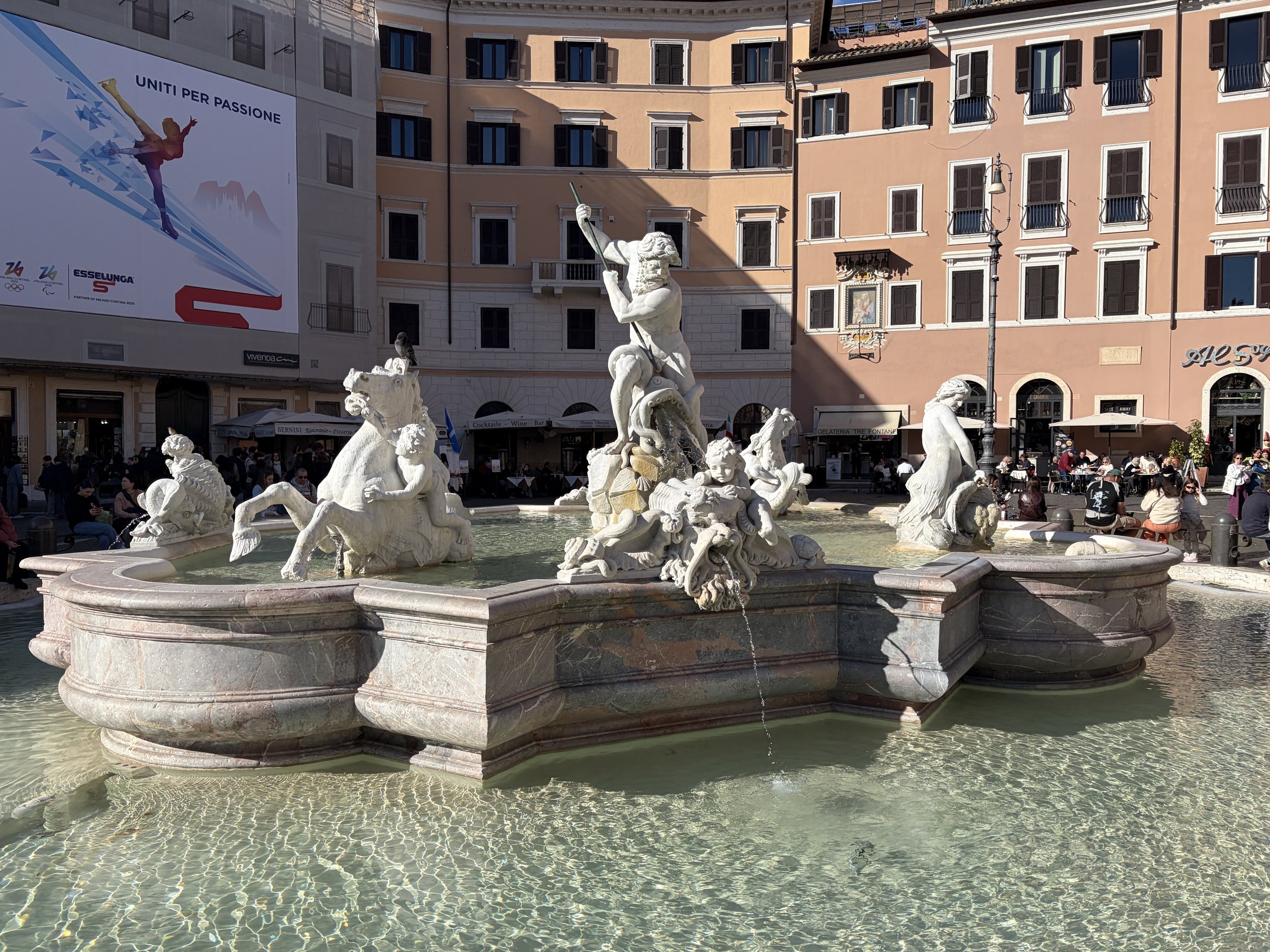
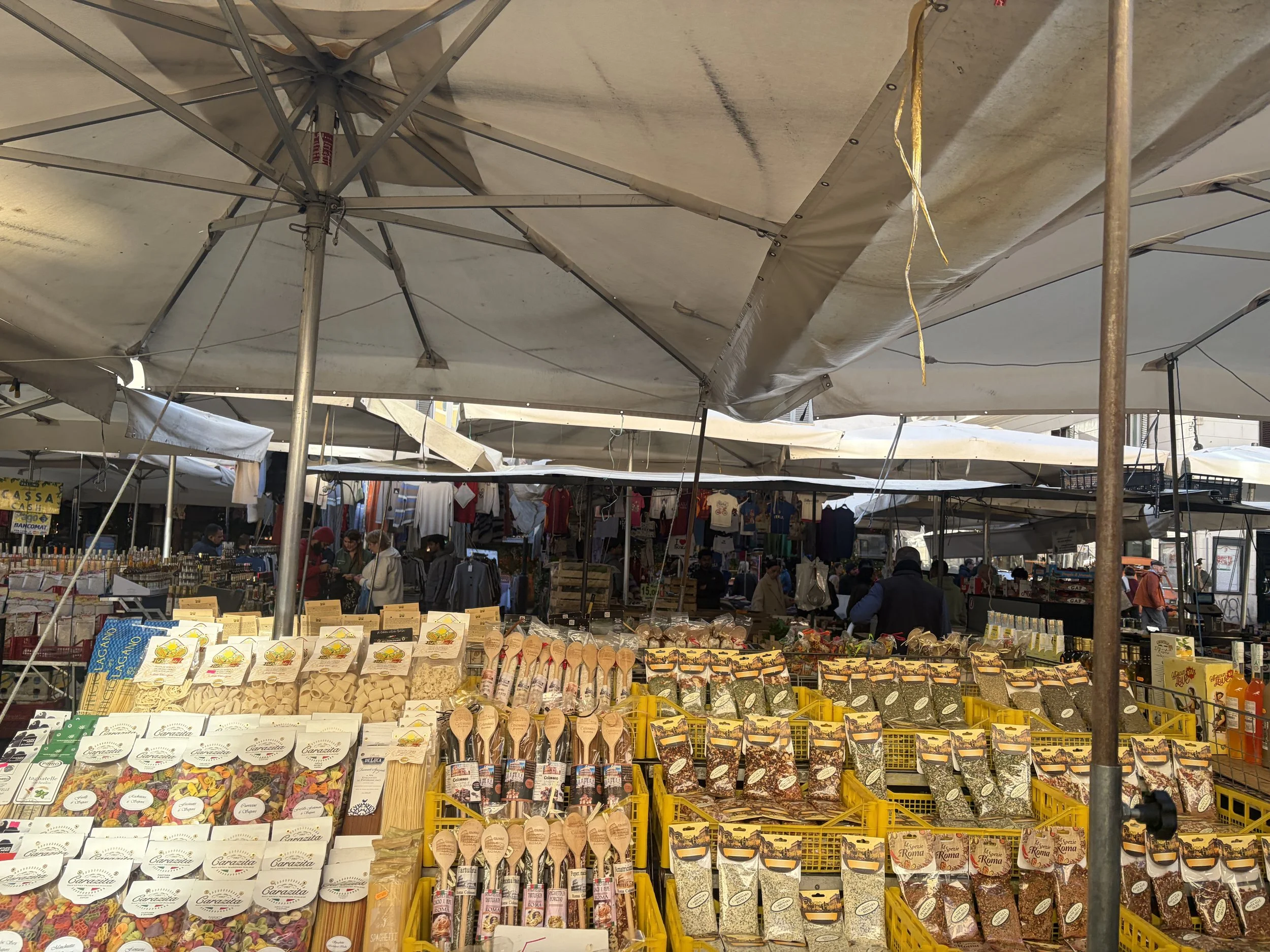
Next stop was Piazza Navona, a square built best known for its ornate fountains. More fountains, yeah? Then I went to Campo de’ Fiori? Mostly souvenir junk and a few fruit stands. Easy skip.
One thing I learned quickly about Rome is that you absolutely have to plan ahead. Buying tickets the day of, or even the week of, is a gamble, and after seeing the lines, I can confidently say you do not want to be stuck without a ticket. I had purchased my entry to the Pantheon before leaving and was very glad I did.
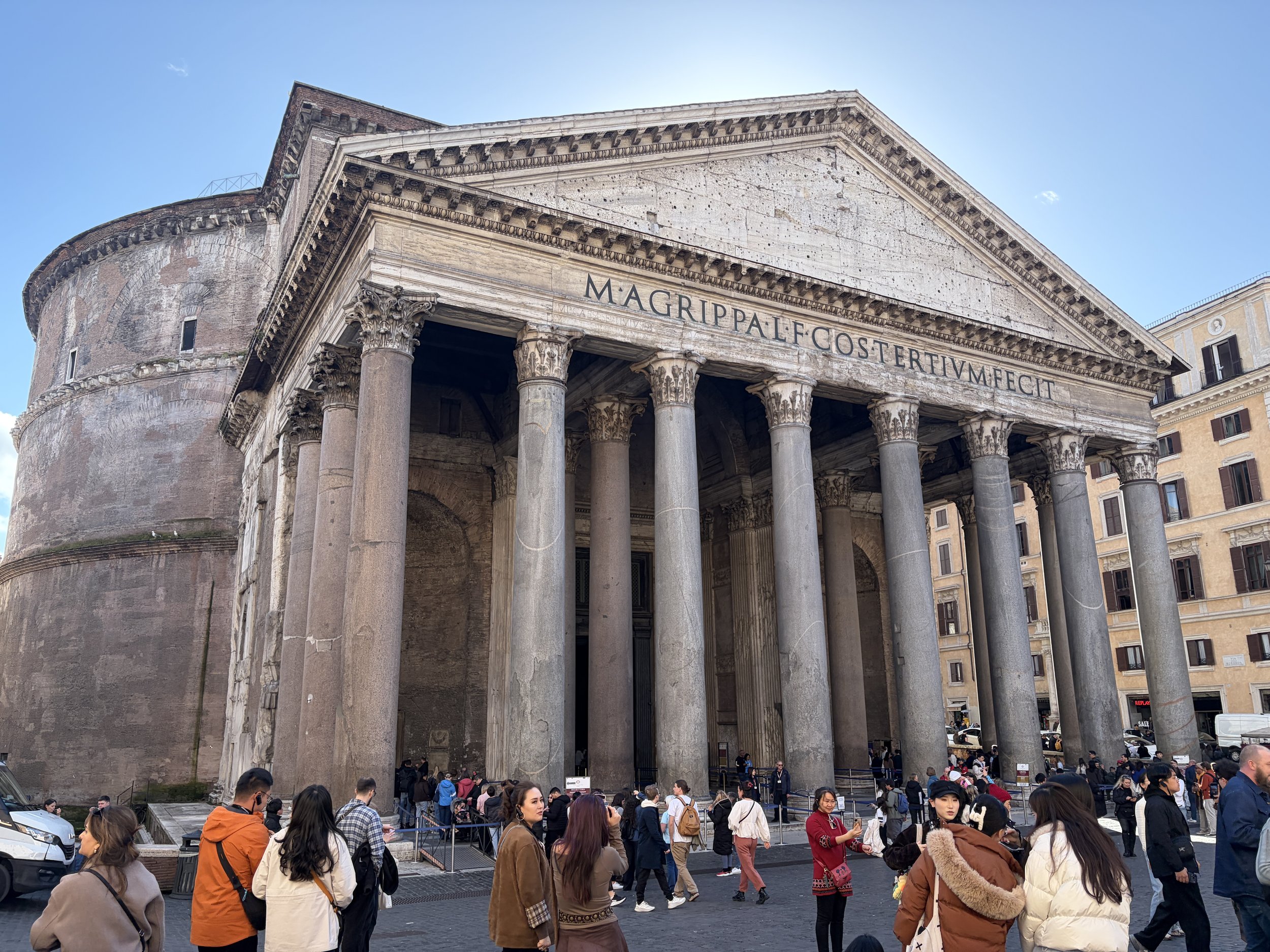
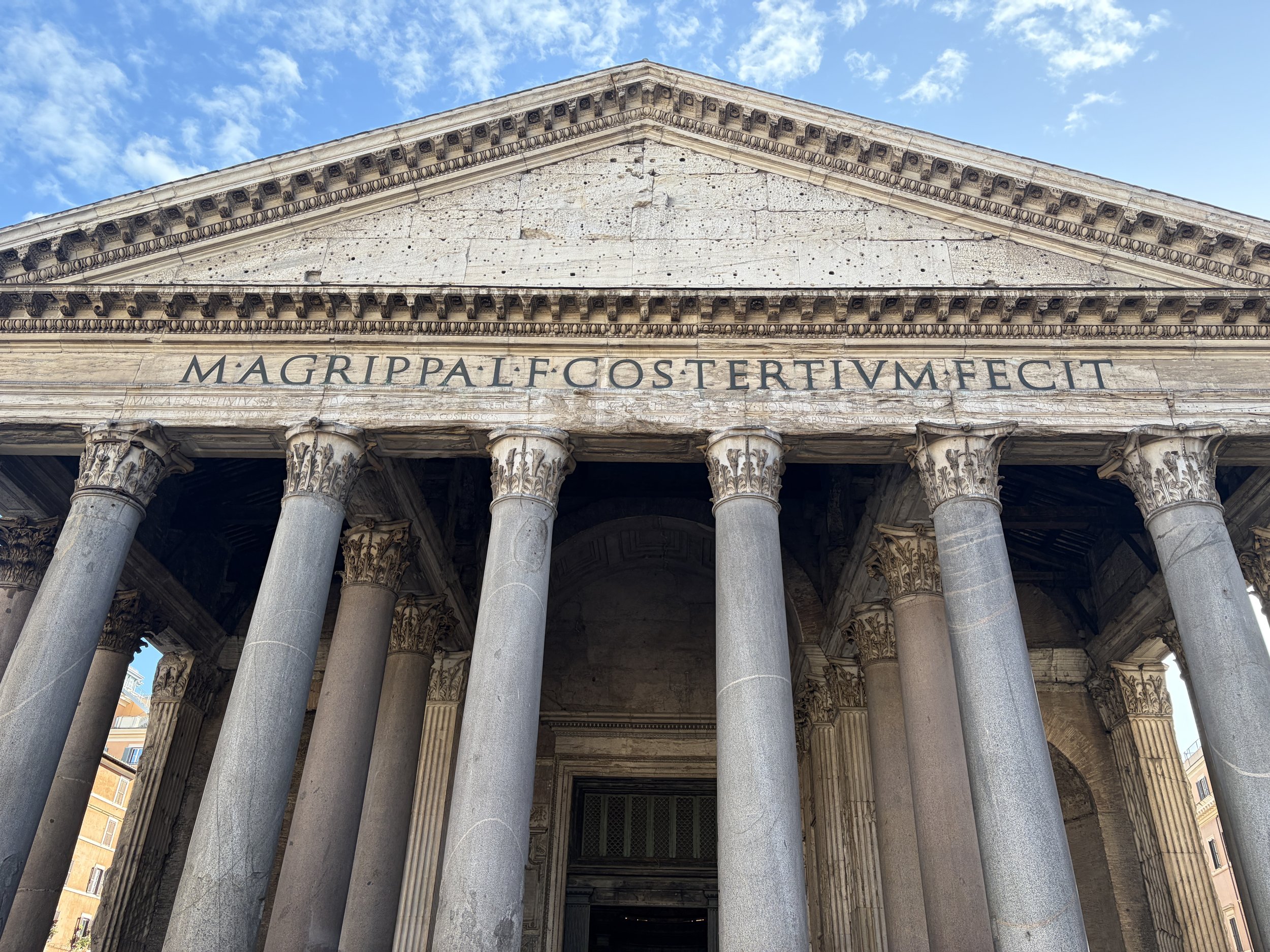
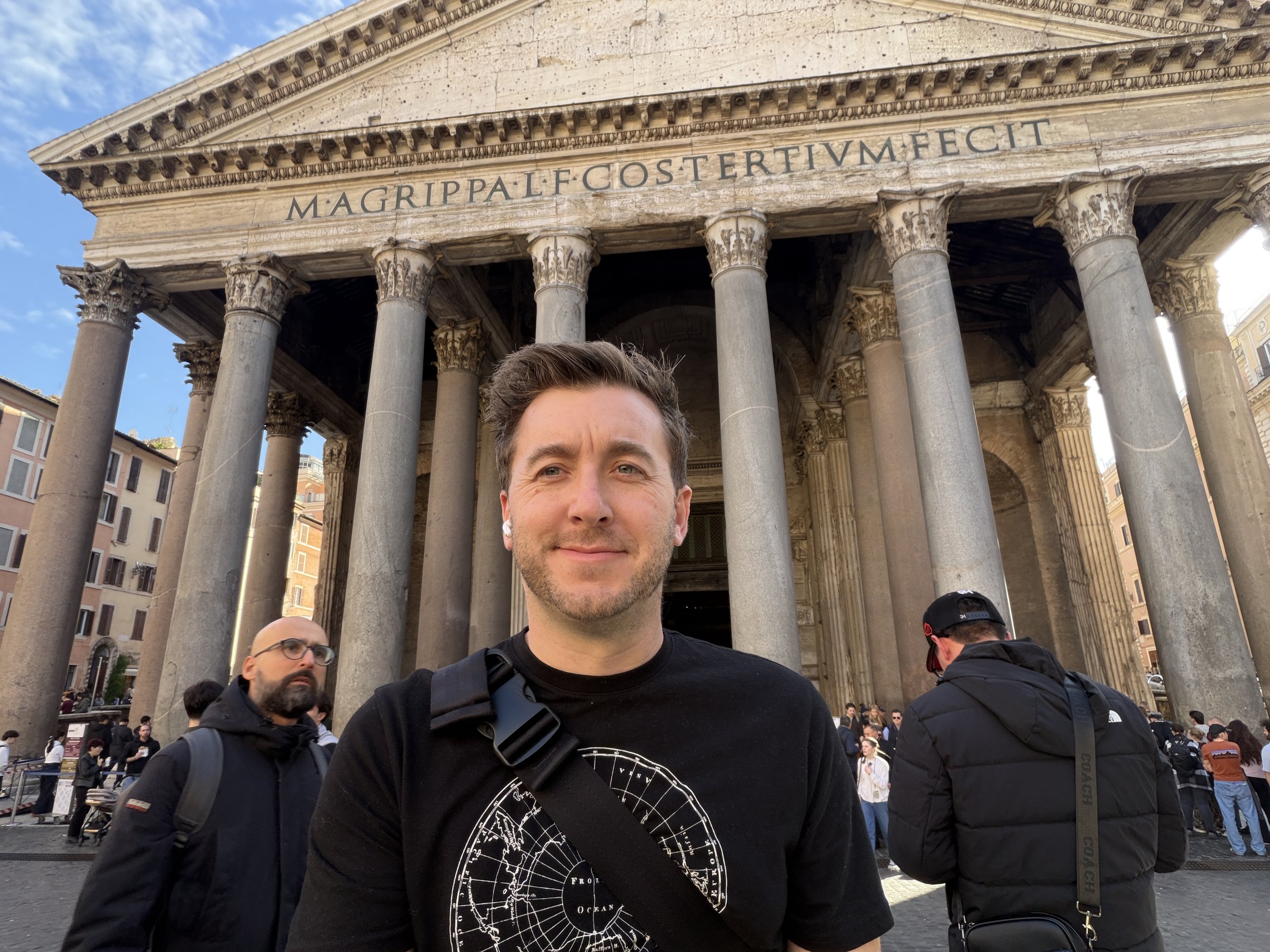
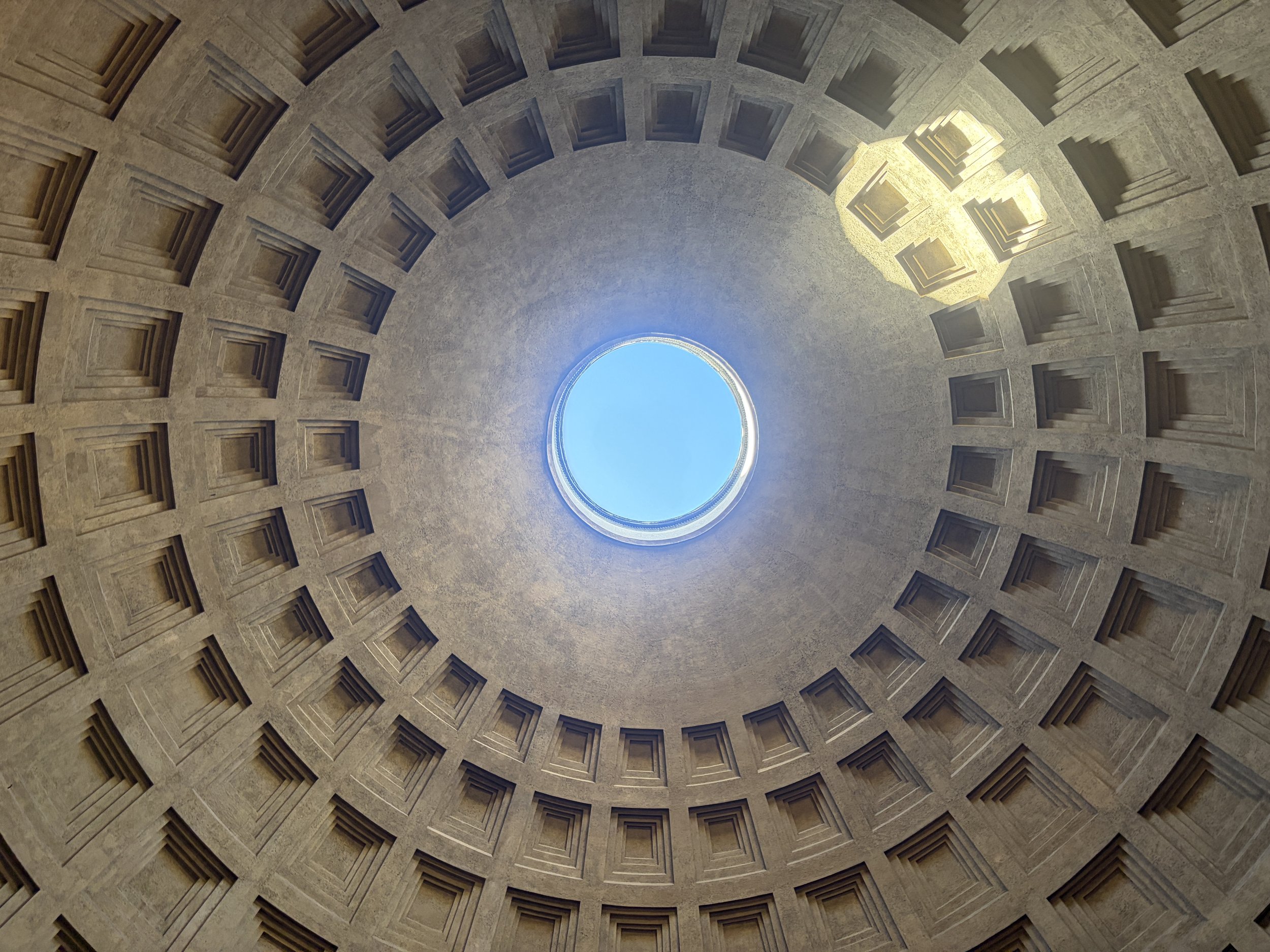
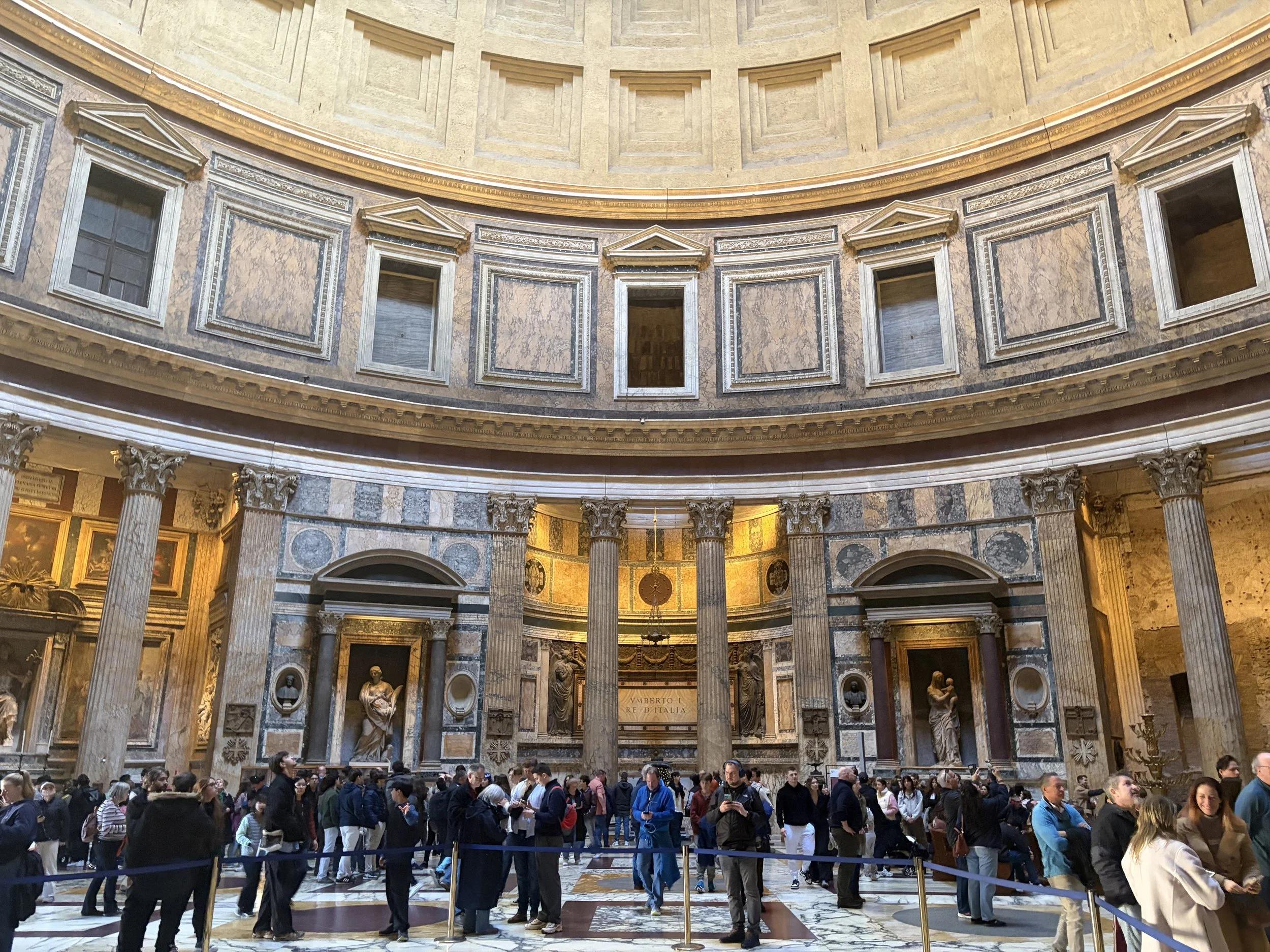
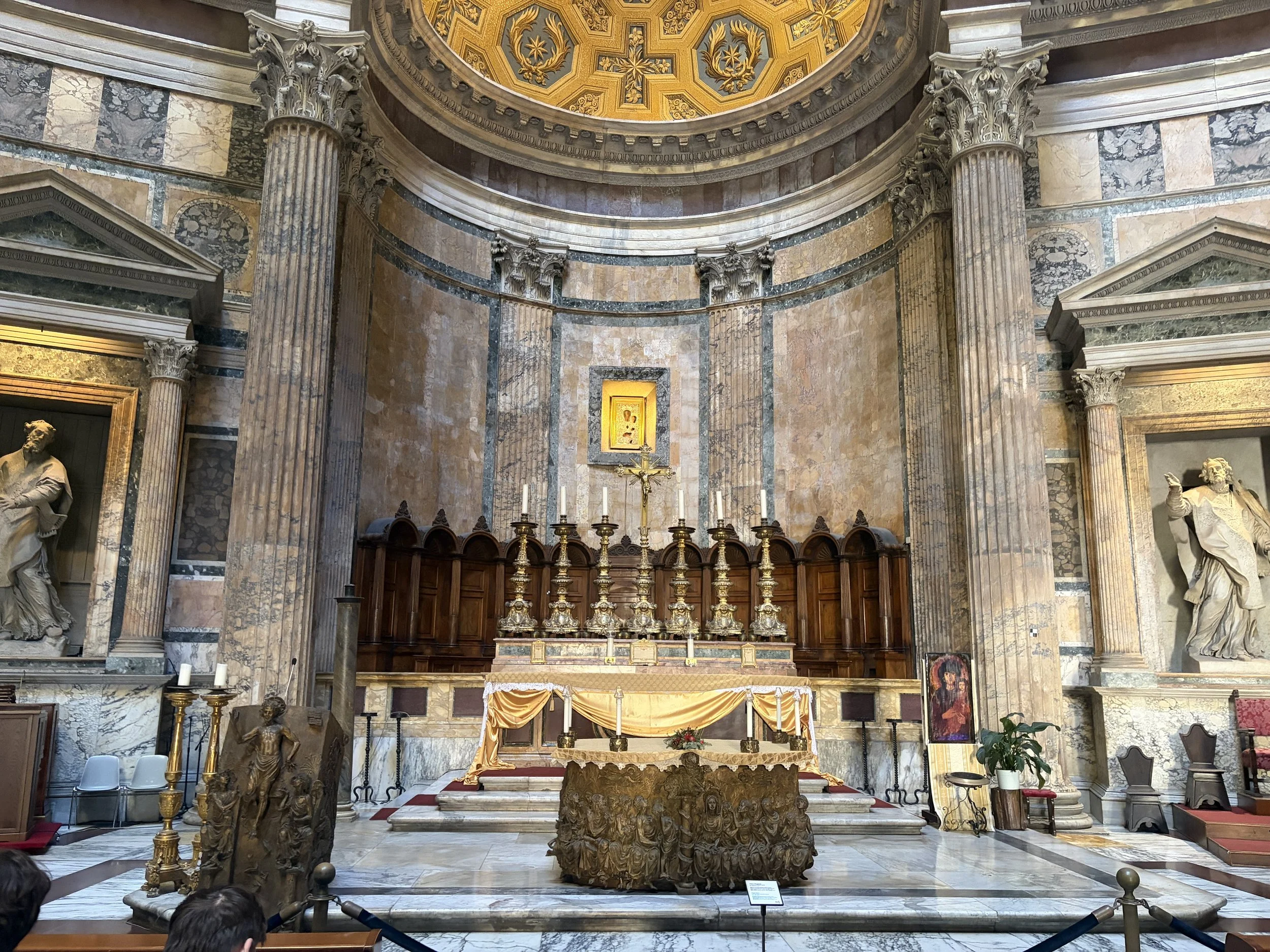
The Pantheon is famous for its massive concrete dome and the oculus at its center — an open hole to the sky that has been there for nearly 2,000 years and still somehow works structurally. Everywhere you go in Rome, ticketed sites push either a live tour guide or an audio option, and unless you’re deeply invested, I’d skip the live guide and go with the recording. I used a free app with a 30-minute walkthrough that told me exactly where to stand and what to look at, and honestly, it was perfect. The Rick Steves Audio Europe tours ended up guiding me through most of Rome and Vatican and I highly recommend.
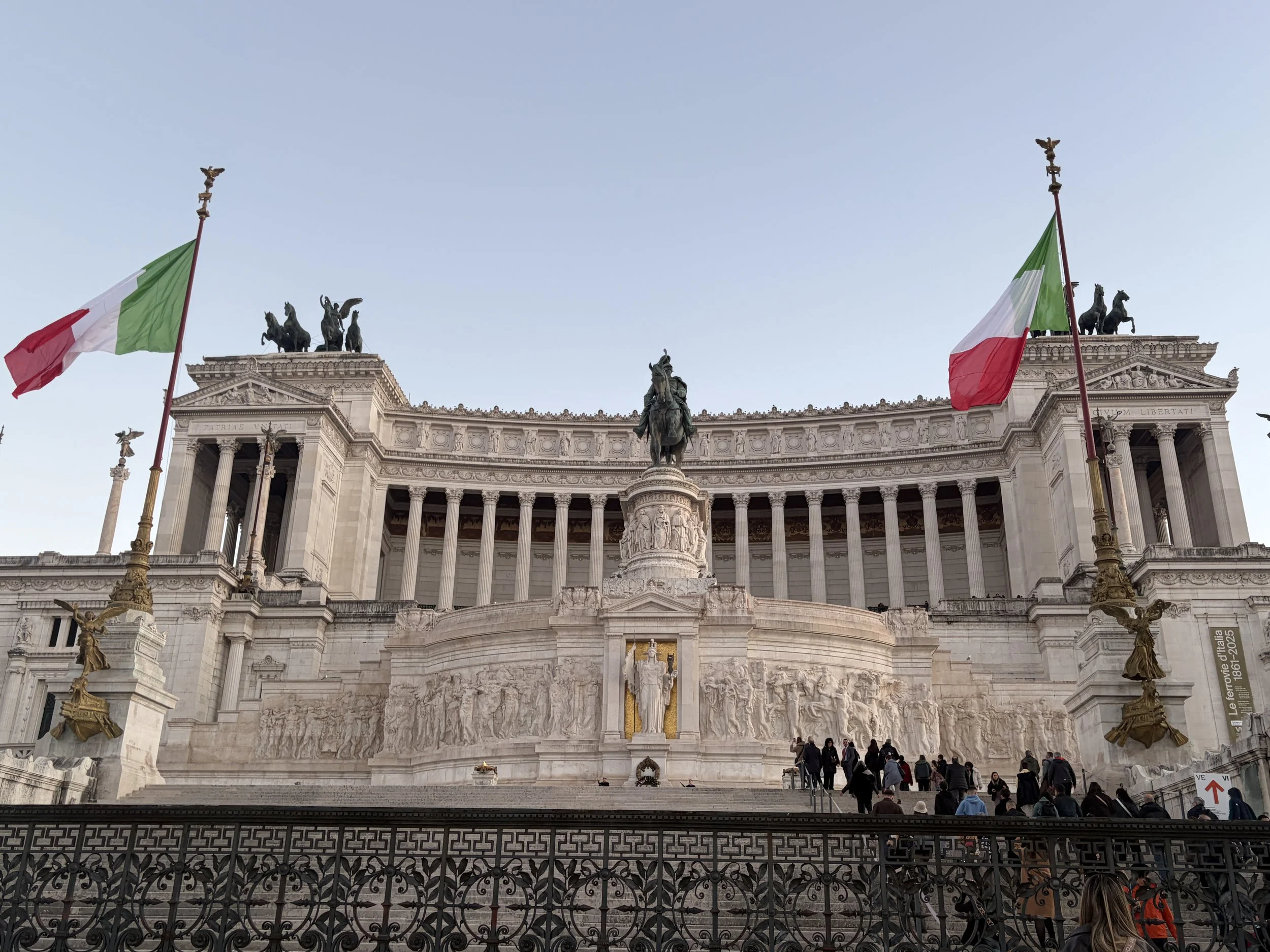
As you walk through Rome, there are endless opportunities to stop, stare, and absorb something. It’s impressive, but after a while it starts to feel like one uninterrupted history lesson. By that point, I was fully capped out and more than ready for the only professionally guided tour I had booked: a nighttime food tour in Trastevere. The concept was simple— bounce from stop to stop, eat, drink, laugh, and repeat until someone tells you it’s over.
I got to the meeting spot a little early and immediately started chatting with the rest of the group: a couple from Atlanta, a couple from Israel, and a family of six from Scotland who were in town for a rugby game. Everyone clicked instantly, to the point where the tour guide actually had to work to get our attention.
Introductions were made, and I was immediately razzed about where I was from thanks to my San Diego sweatshirt. The Scottish mom repeatedly asked me throughout the night where I was from, pretending to forget each time and finding it endlessly hilarious. Her kids told me to just go with it because “she does this to everyone,” and I felt unofficially adopted into the family right away.
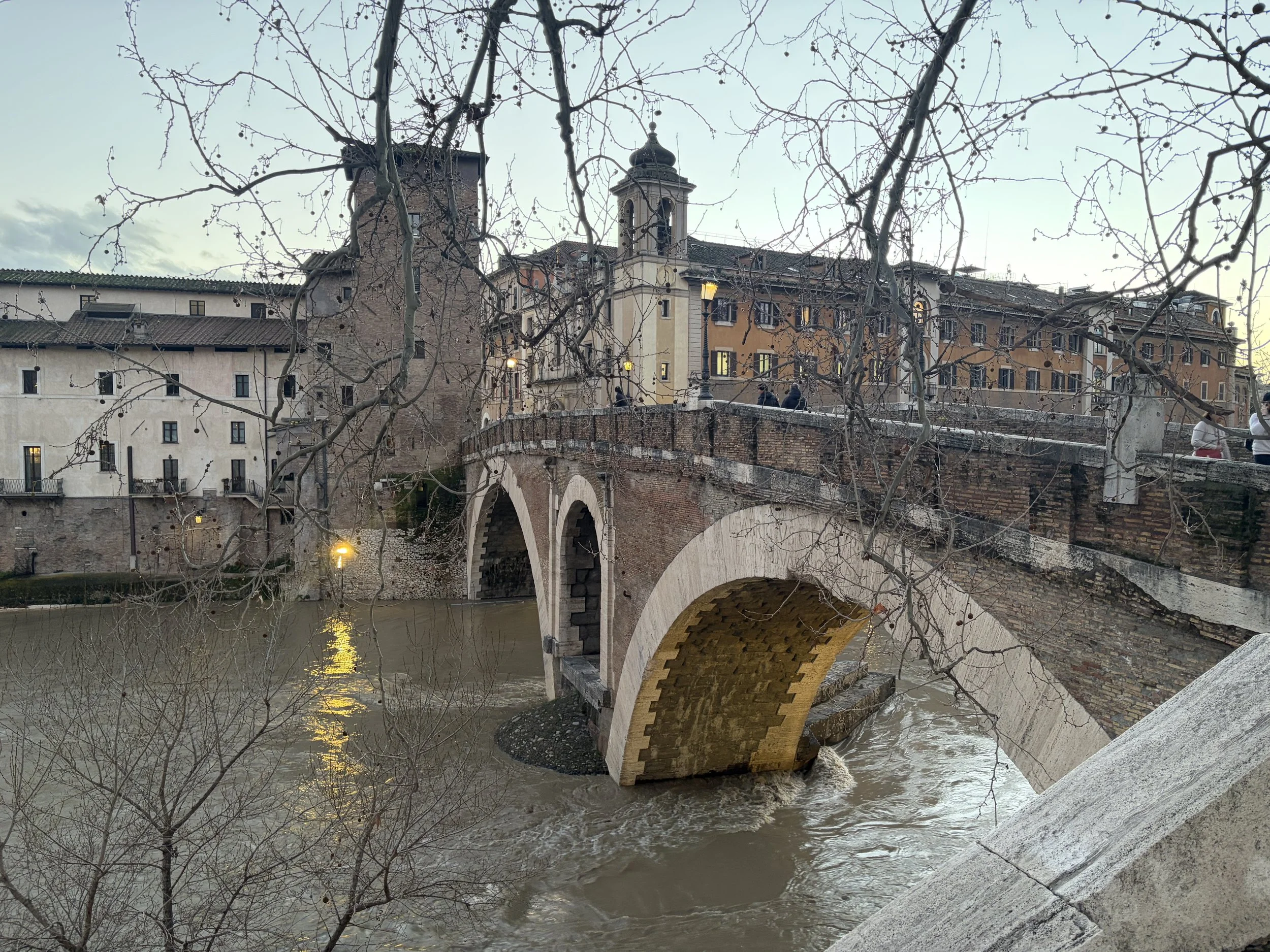
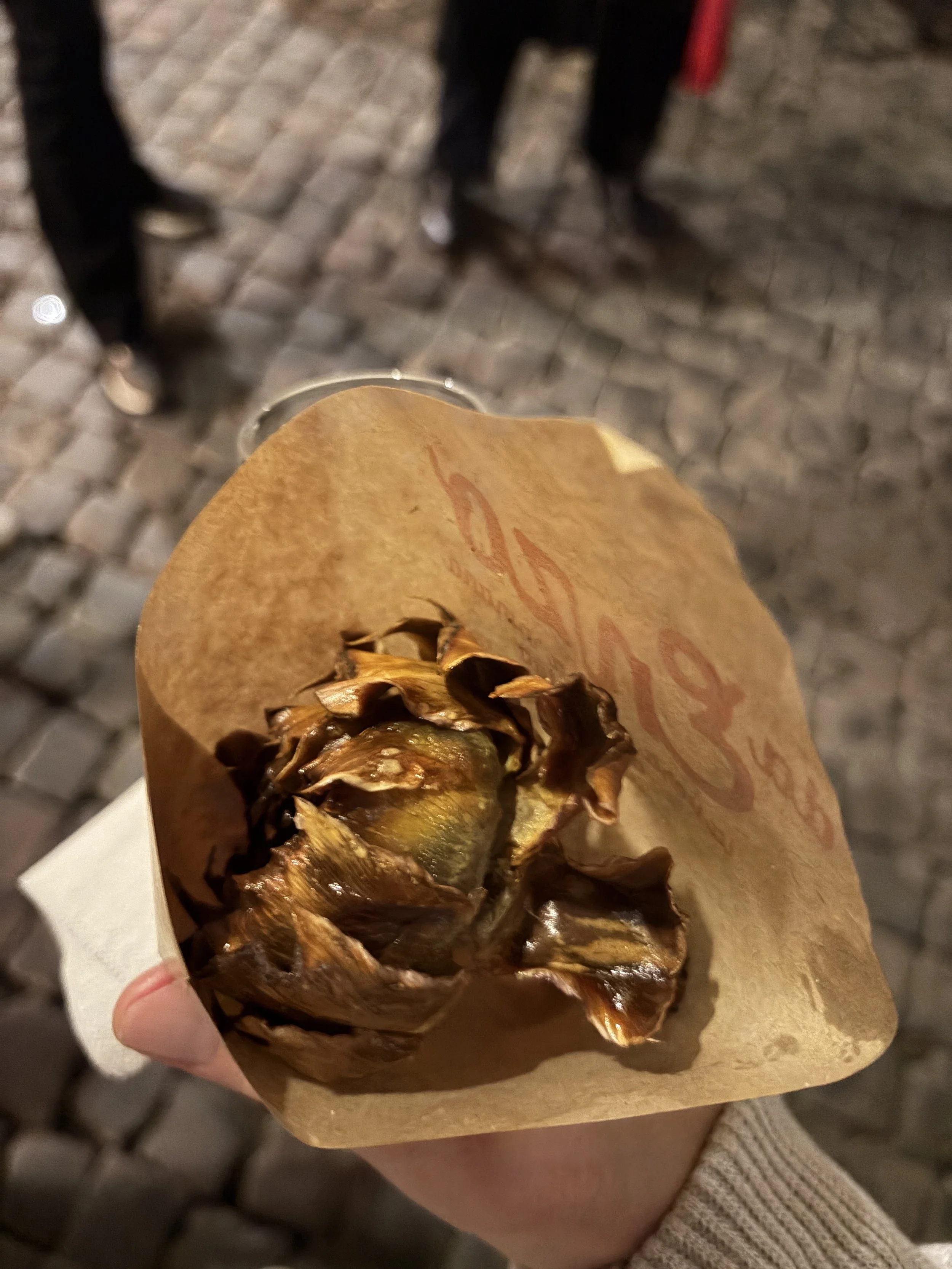
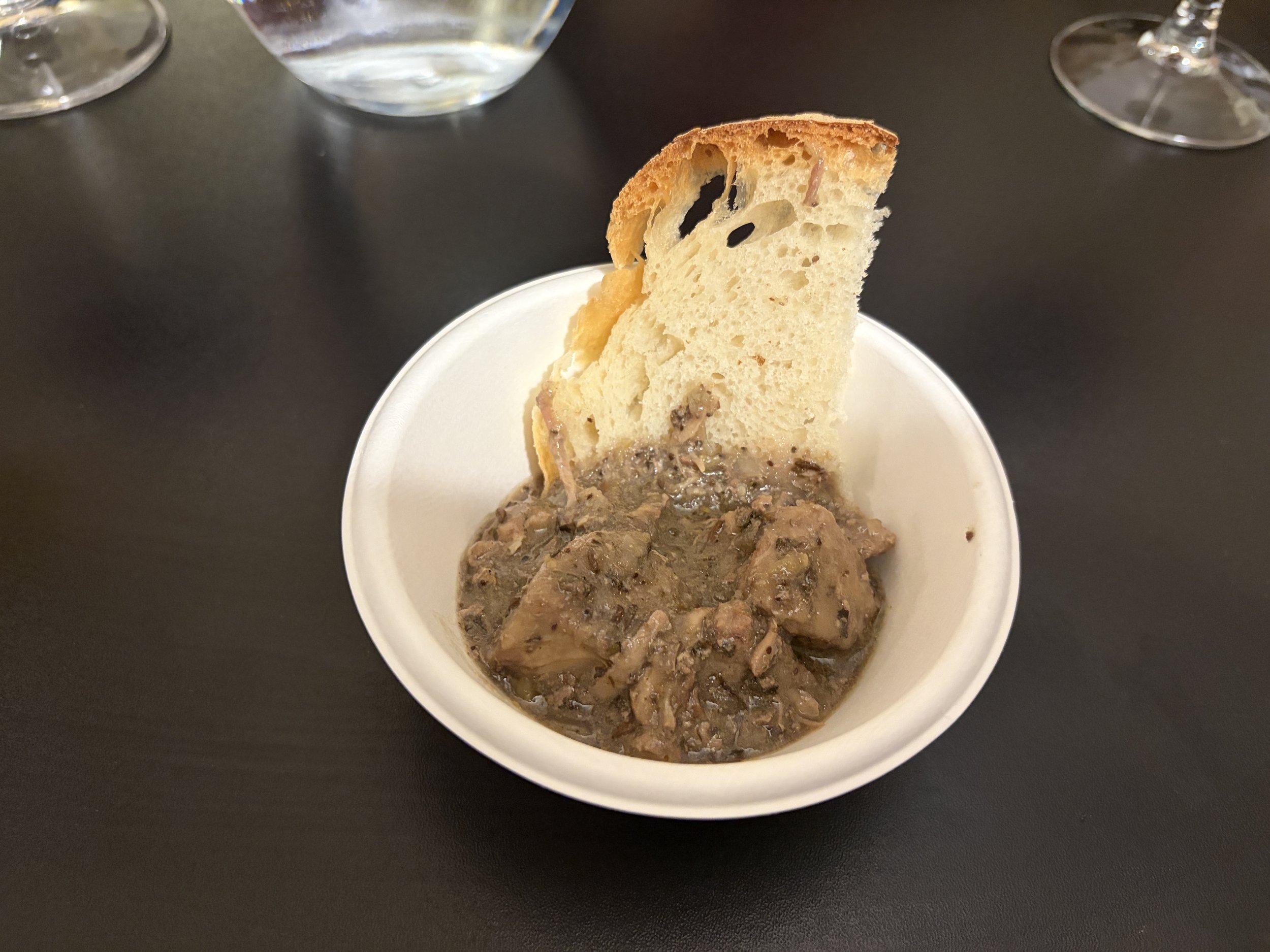
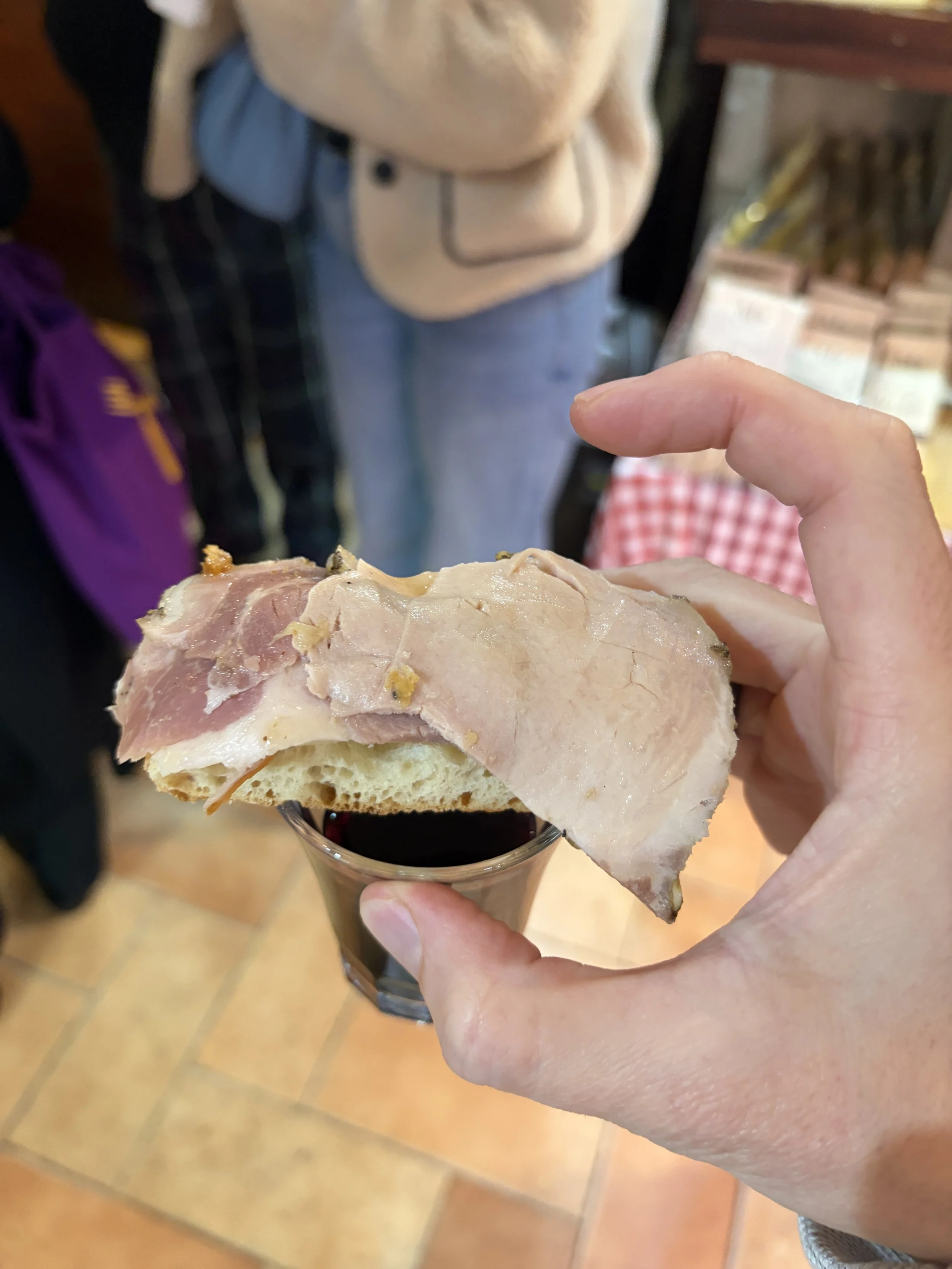
The food started strong: fried artichokes, which I surprisingly loved, followed by something billed as “Julius Caesar pork” likely a marketing gimmick, but still good. It was a little odd eating pork in a restaurant that used to be a synagogue, but when in Rome. Rome recycles everything rather than tearing it down. Unless you knew what you were looking for, you’d have no idea it was a place of Jewish worship. Next came arancini, then porchetta (my clear favorite of the night) and then on to dinner.
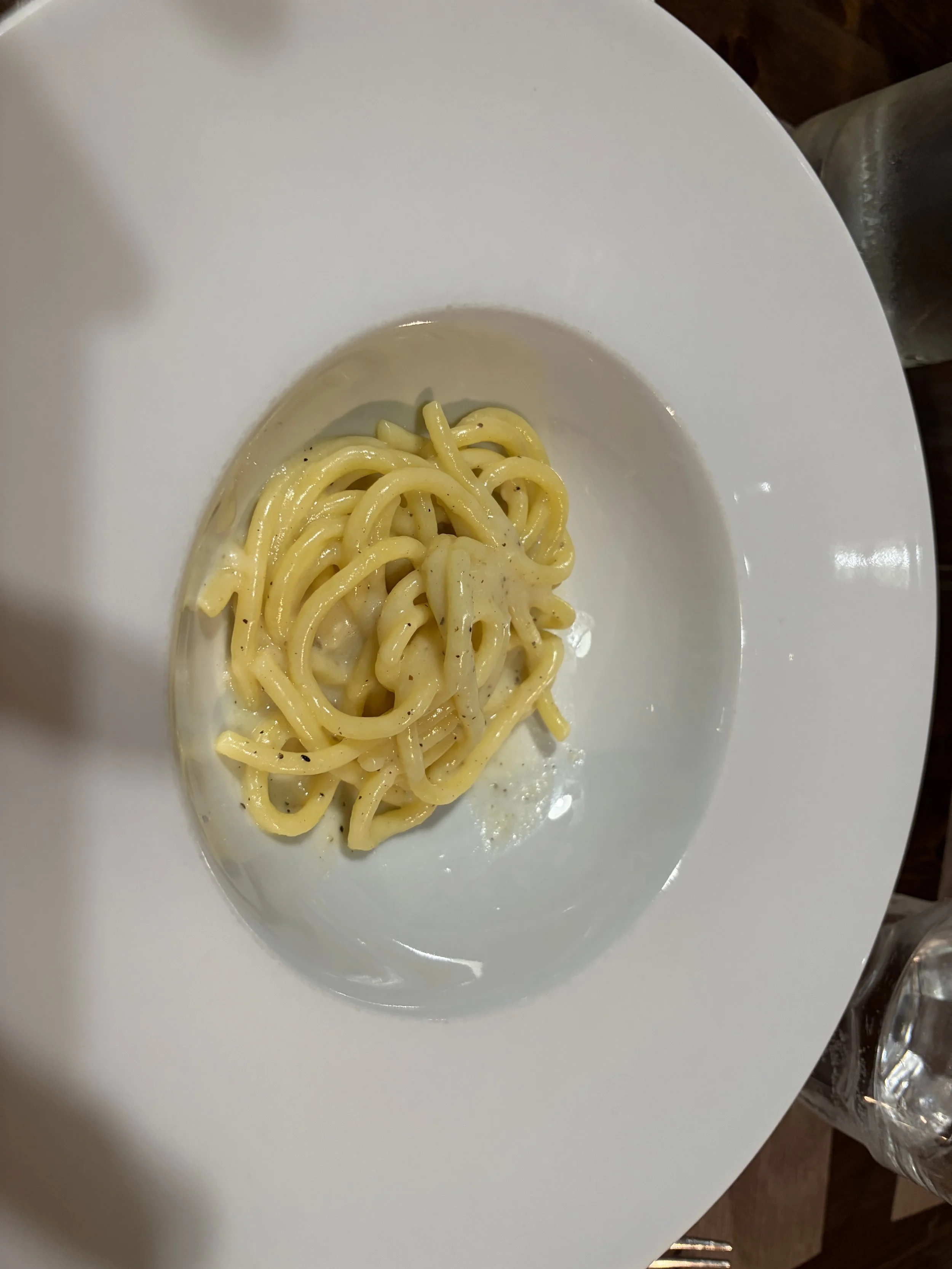
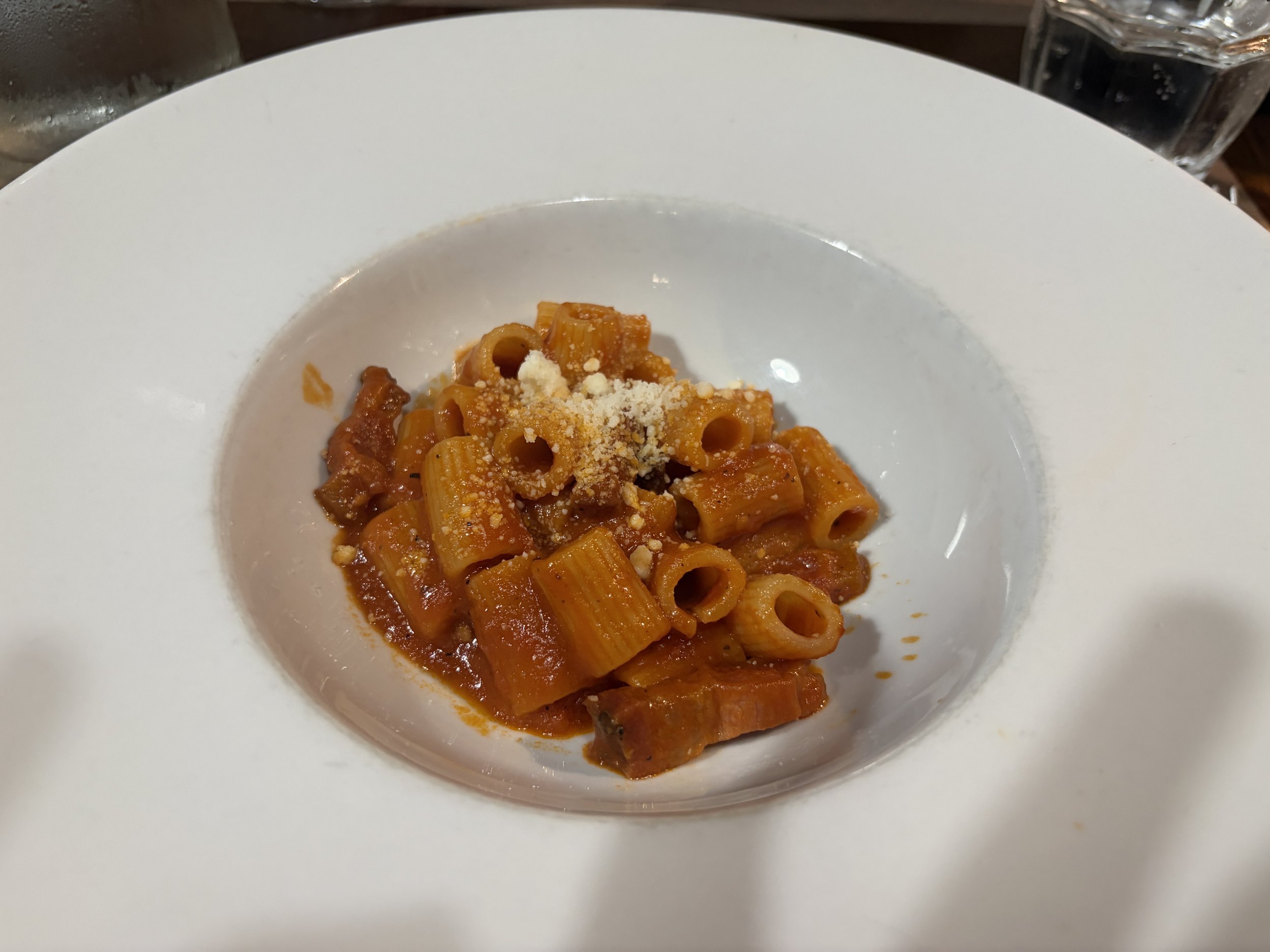
Dinner itself was pure chaos in the best way. By that point, we had stopped at four or five places, and every single one had poured wine. Low season meant a small group, but not smaller portions. We are talking about a bottle of wine split between two people at each stop. I sat next to the Scottish mom and the Atlanta couple and laughed nonstop. Pizza came out, then pasta, then more pasta just to make sure we were truly finished.
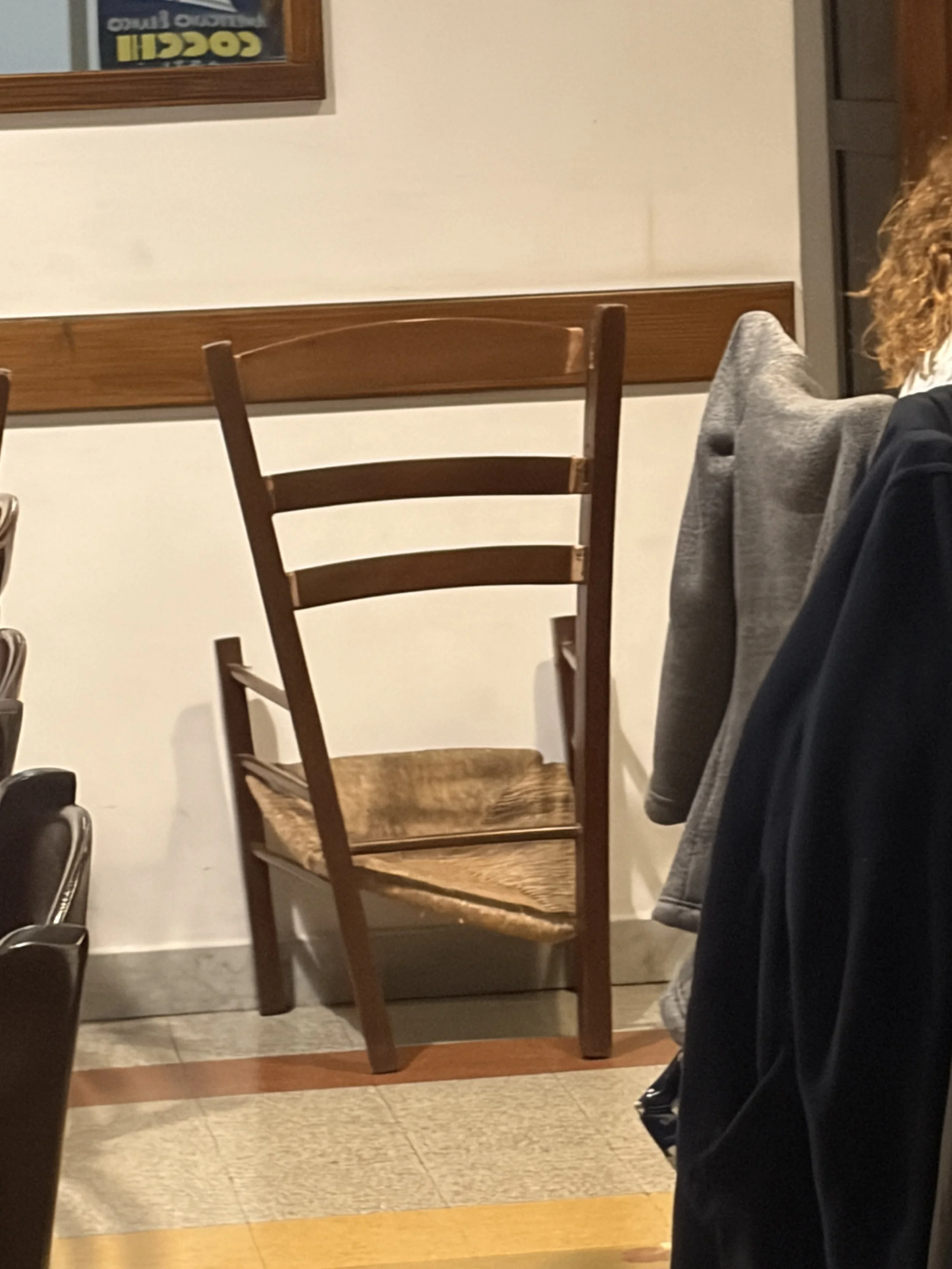
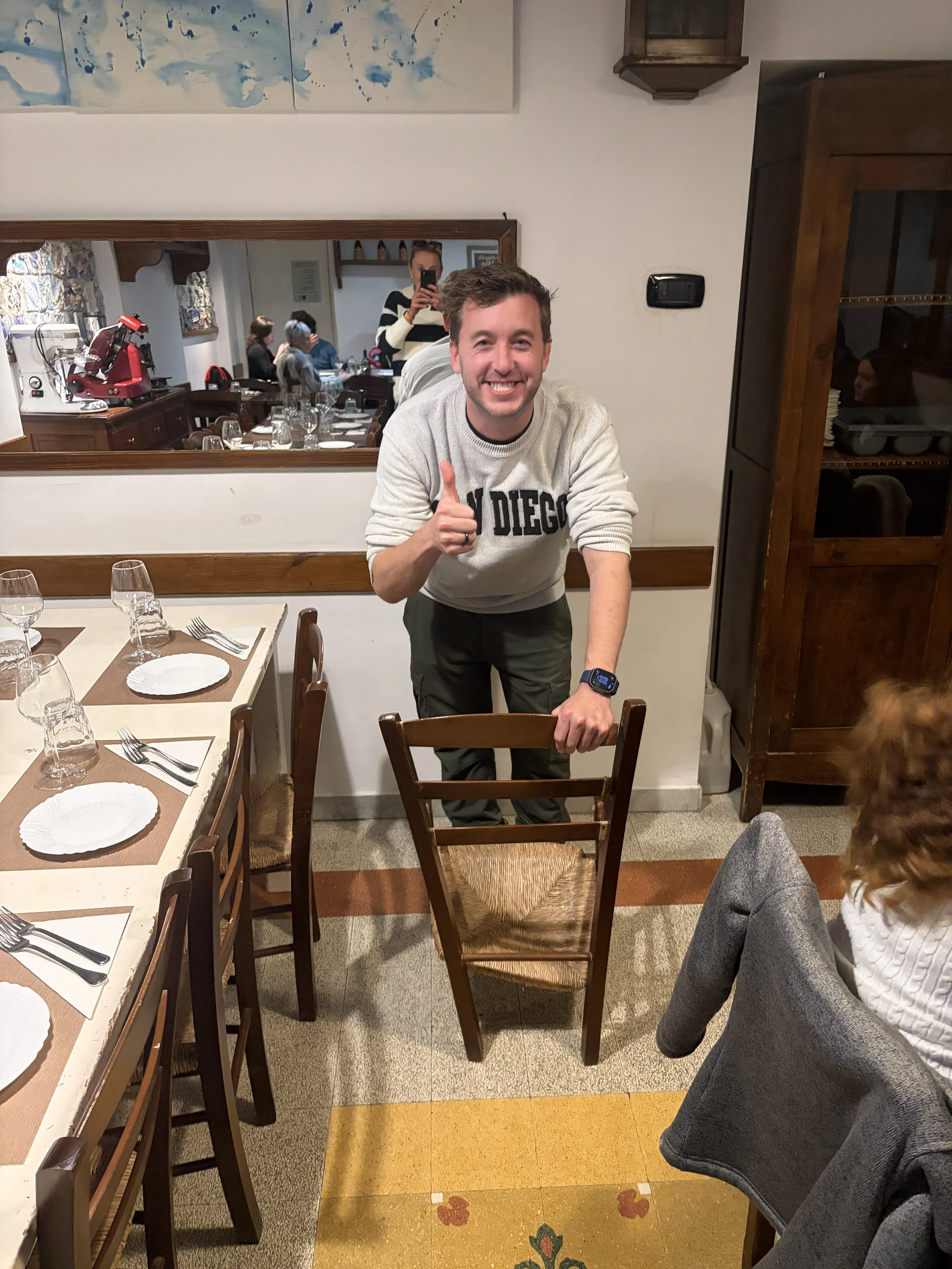
I hadn’t even taken my final bite of pasta when my chair suddenly gave out. I didn’t fall — I slowly sank, like the chair just decided it had had enough of me. I wasn’t even close to the heaviest person in the group, which somehow made it funnier. The tour guide nearly had a meltdown, the restaurant staff rushed over, replaced the chair, and as an apology brought out… more wine. The most Roman response possible.
No food tour would be complete without wine — I mean dessert. Dessert. We stopped for gelato, and I ordered two flavors that I absolutely cannot remember, thanks to the wine. We wrapped up the night with hugs, goodbyes, and a visibly relieved tour guide. I grabbed a taxi back to the hotel, full, happy, buzzed, and ready to attempt an early morning start the next day.
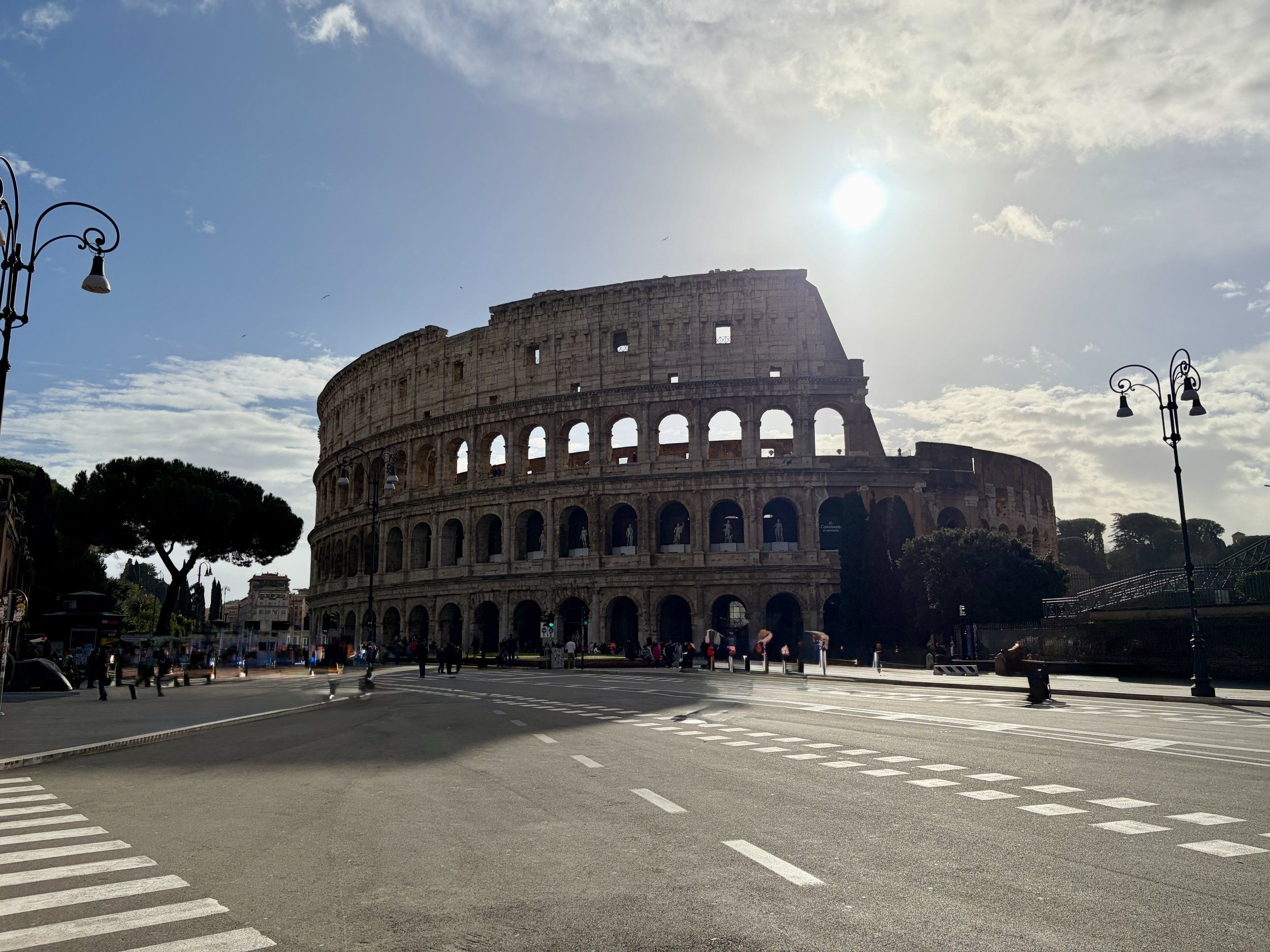
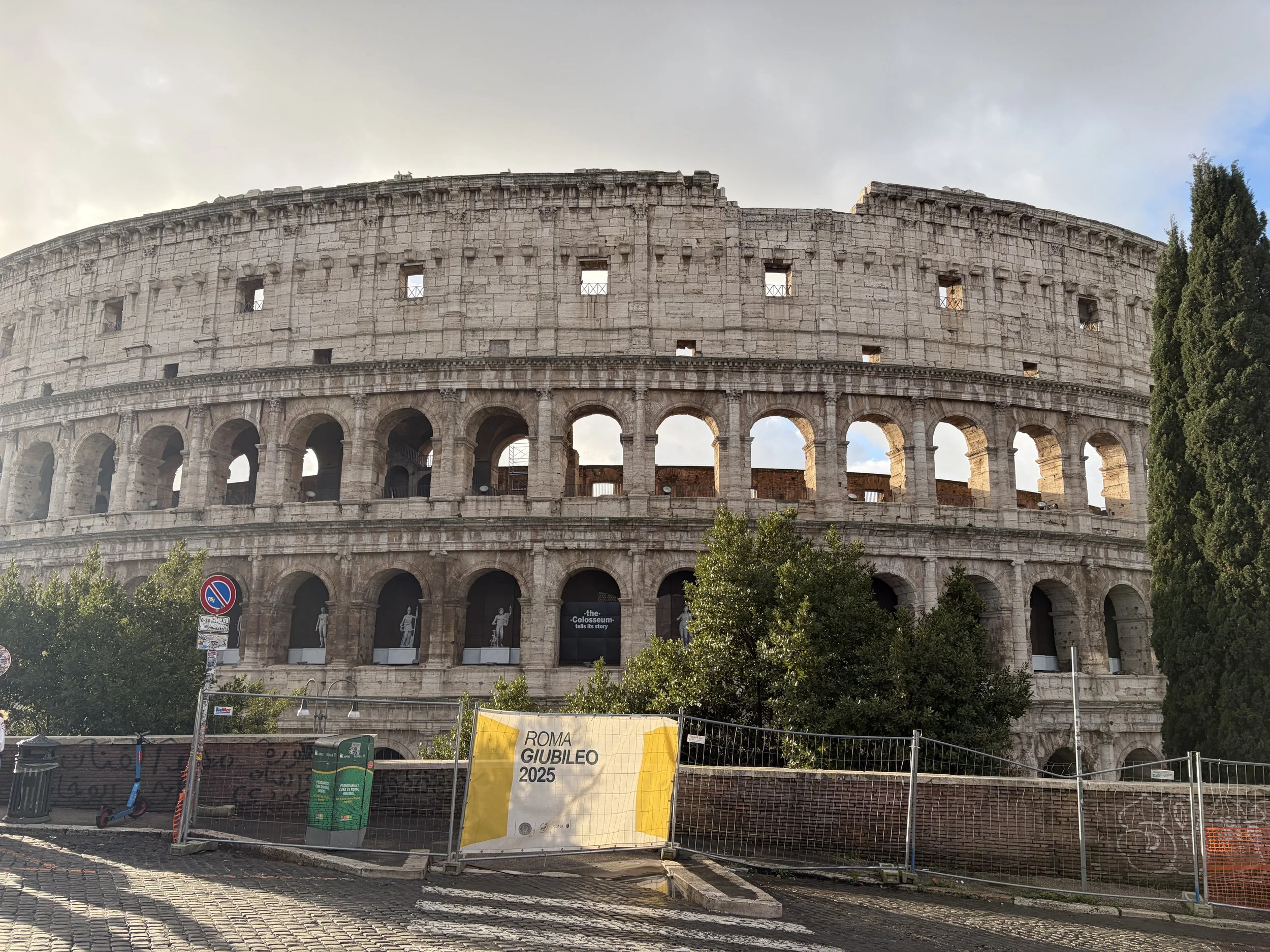
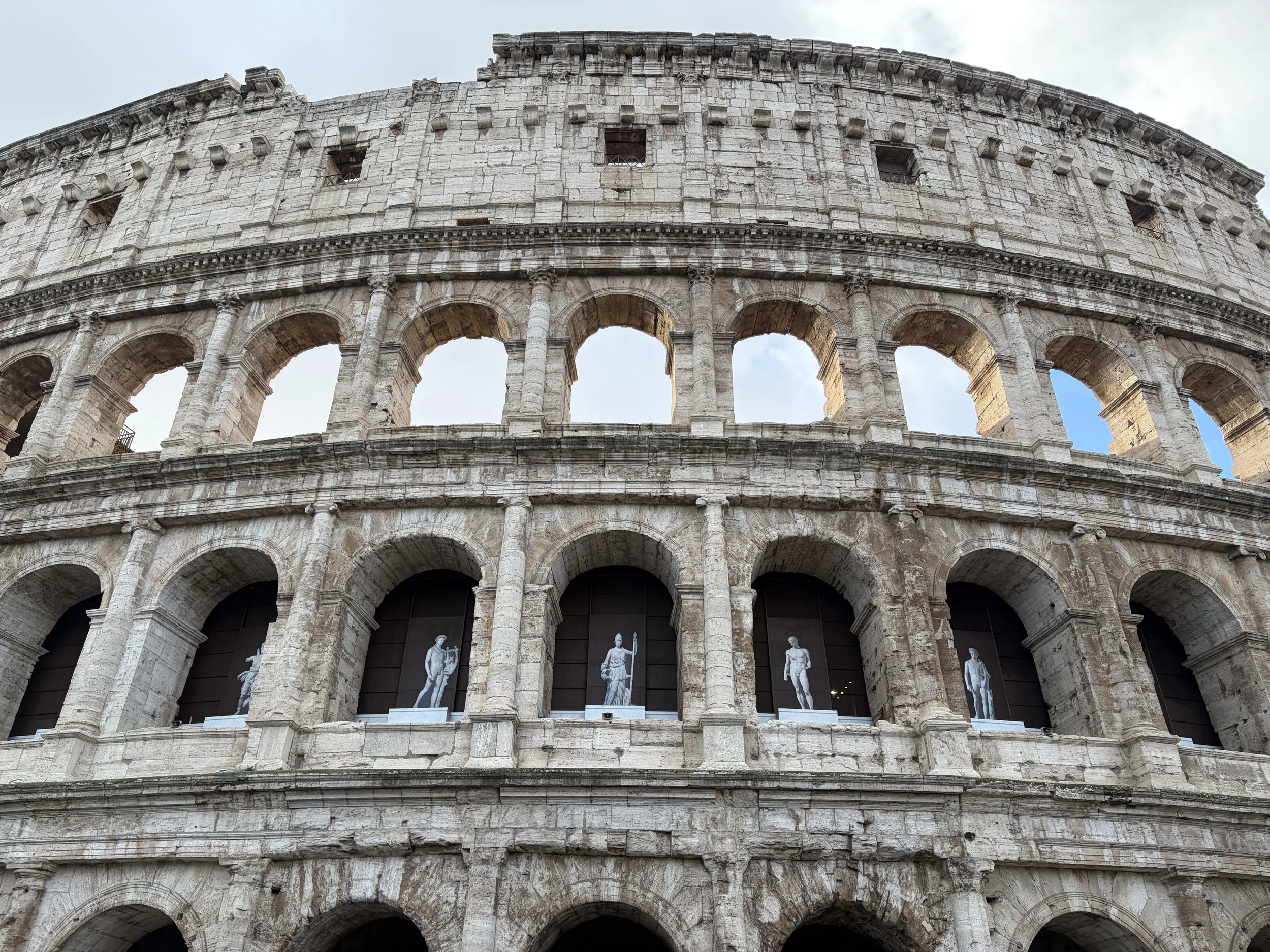
The next morning started with a freezing walk to the Colosseum, which is a massive amphitheater that once held around 50,000 spectators and hosted gladiator fights and executions. It dates back to around 80 AD, built during the reign of Emperor Titus. I had purchased my ticket in advance and was very glad I did as it was packed first thing in the morning. Just a heads up— there are all these shady “skip the line” gimmicks, but everything is times so there are no such thing. Just shady people trying to make a buck off your naivety.
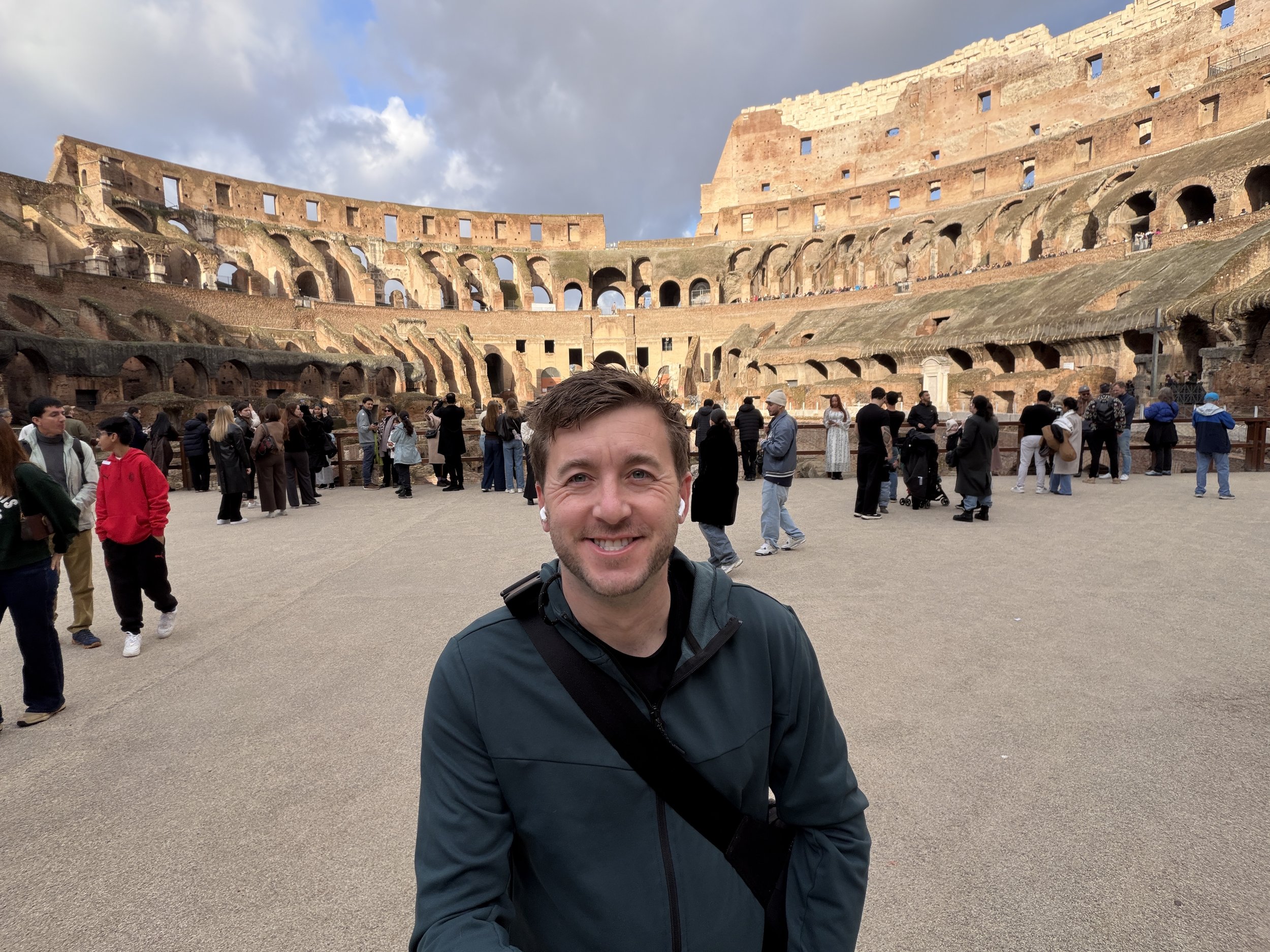
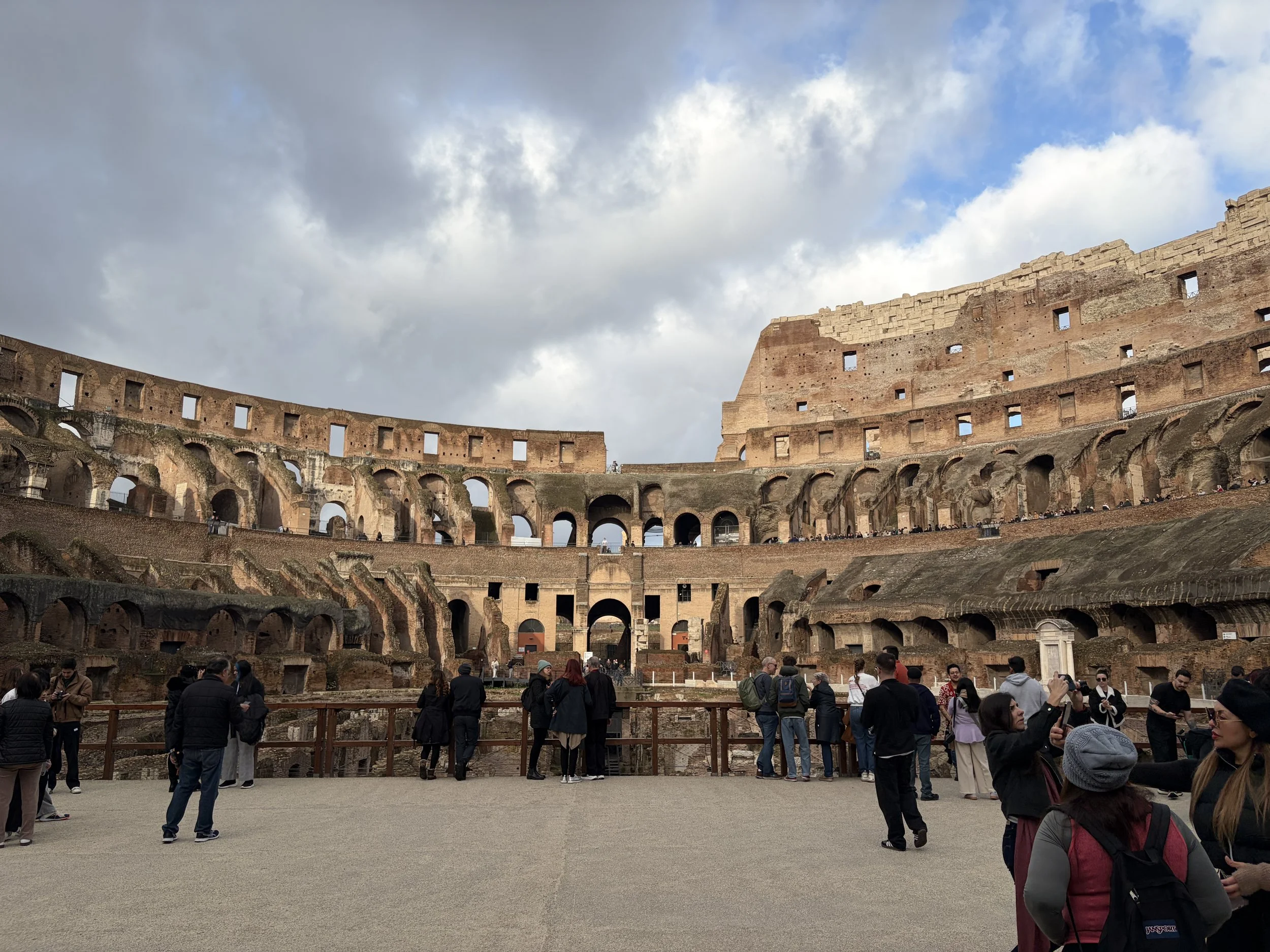
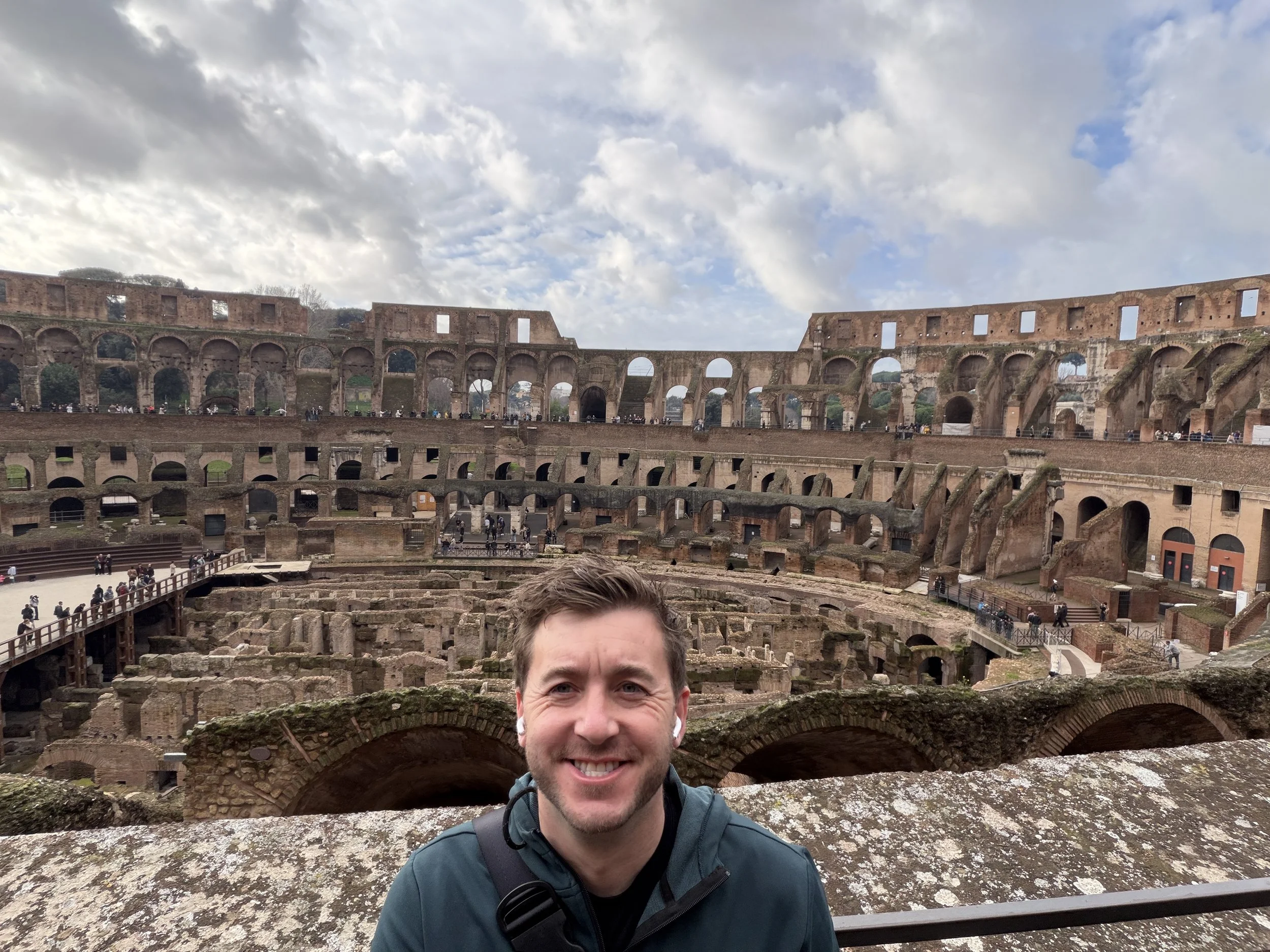
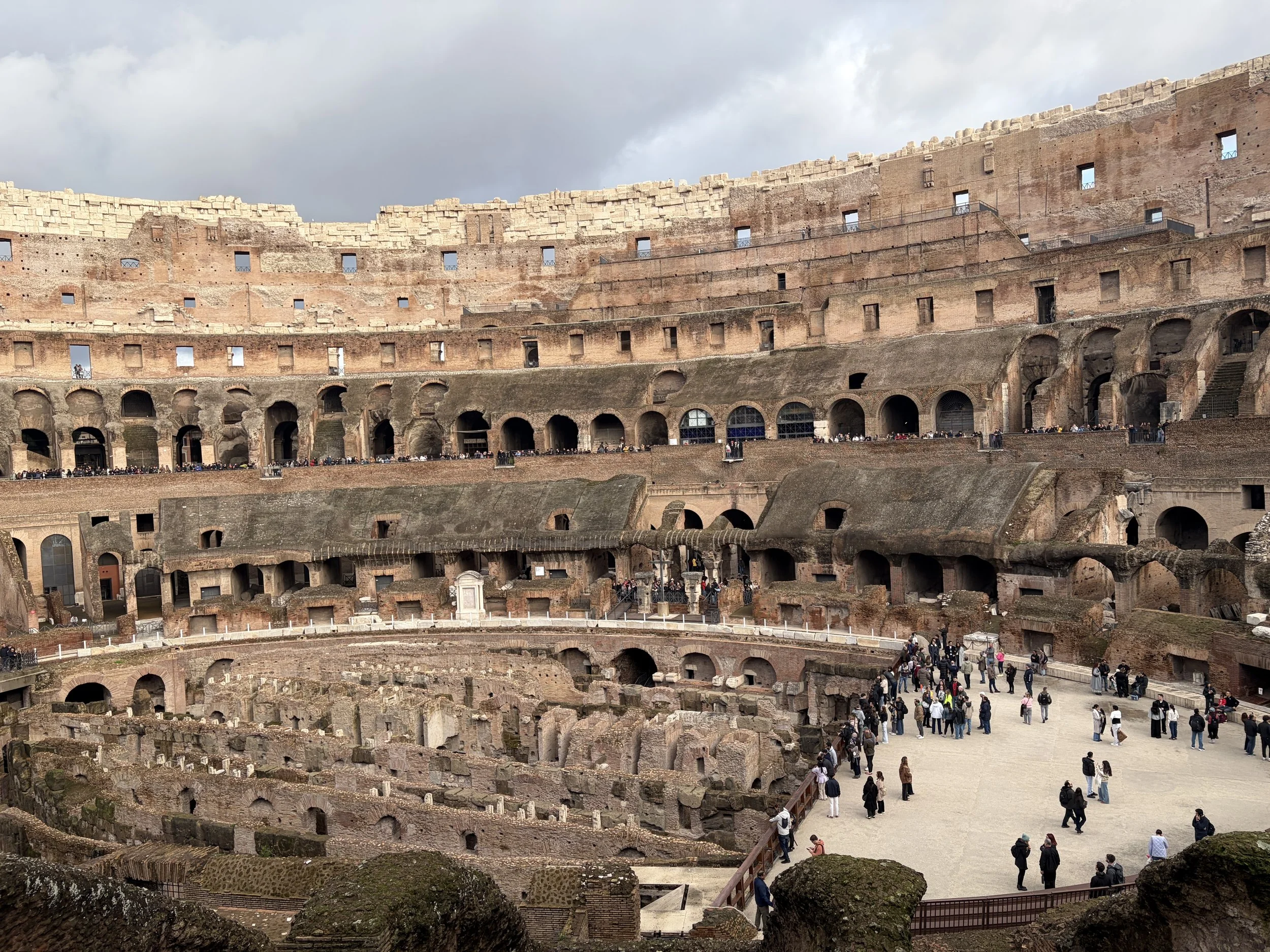
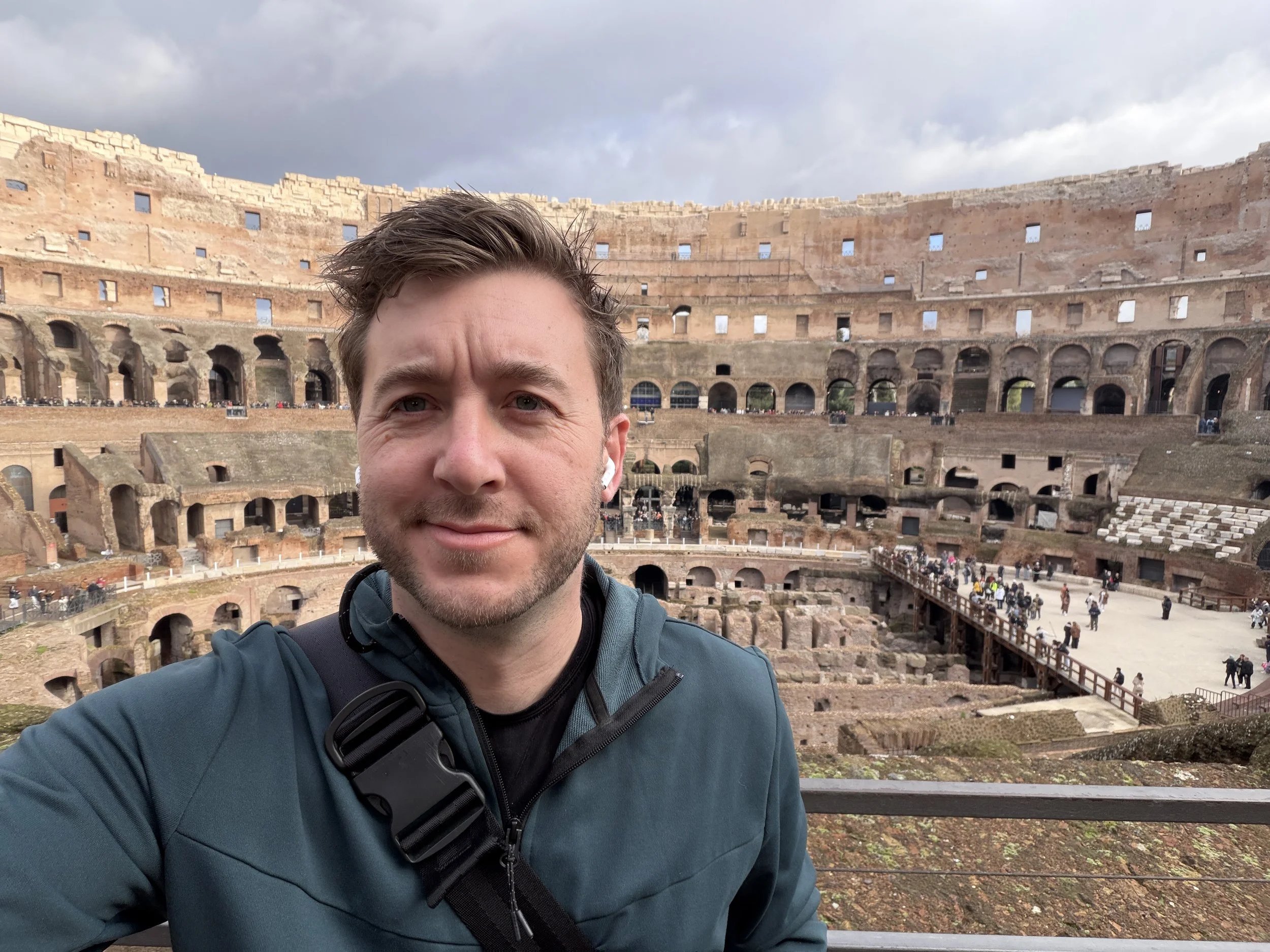
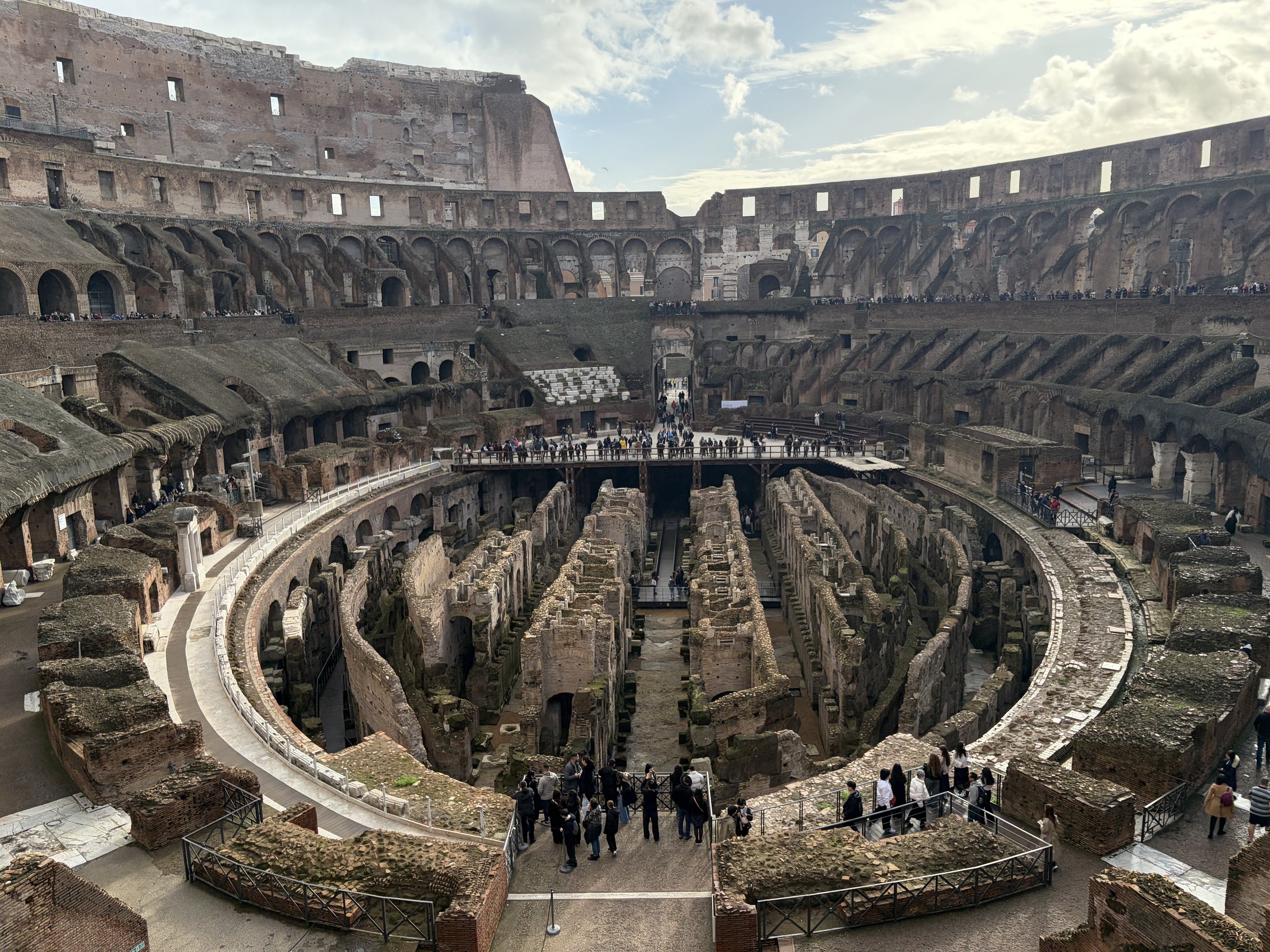
I had opted for the ticket that allowed access to the Colosseum floor, where the gladiators actually fought. It was cool to stand there, the novelty wears off quickly. There are plenty of other vantage points. In fact, I thought the second level, which is what you get with the basic ticket, was the best view overall.
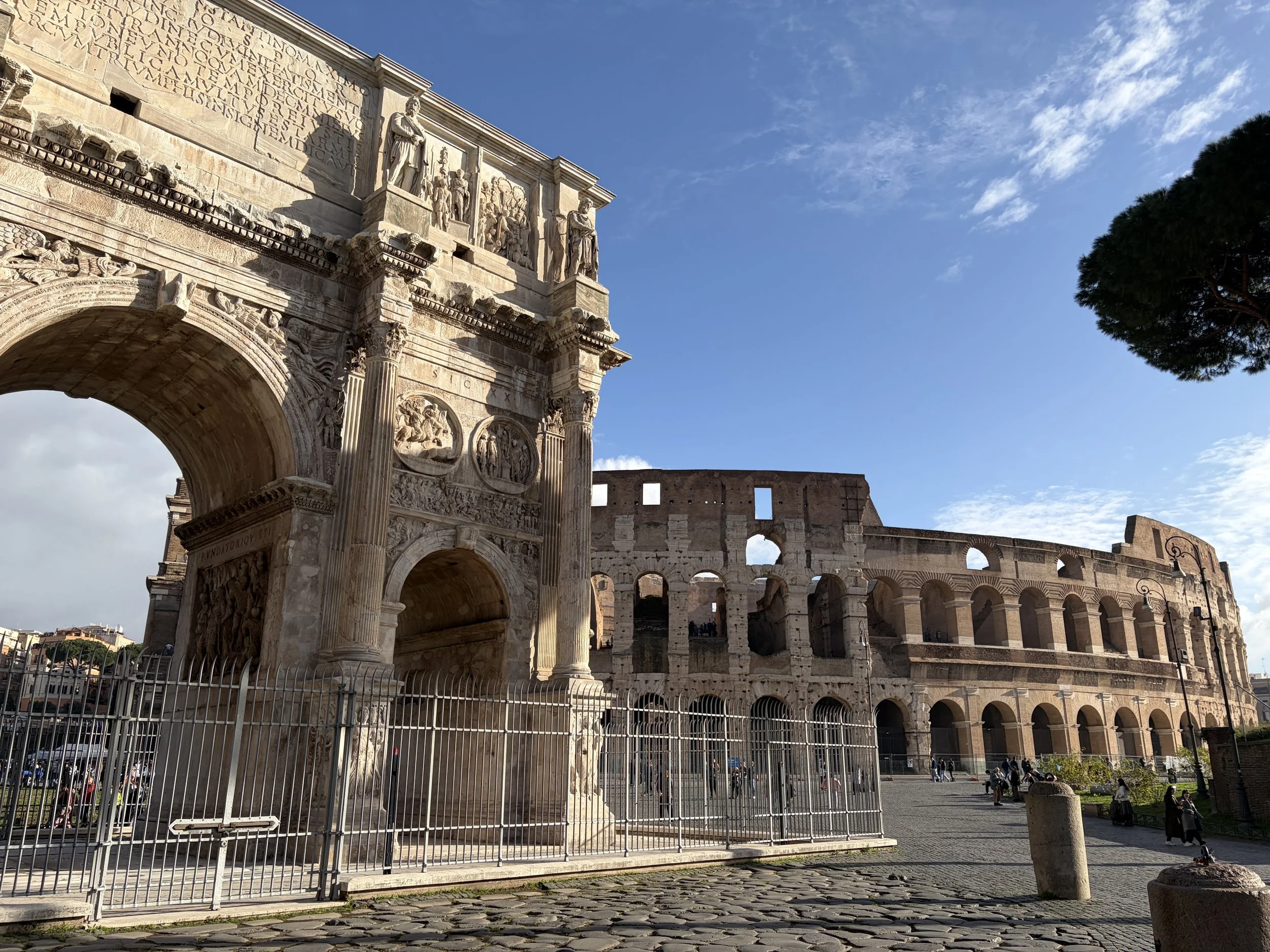
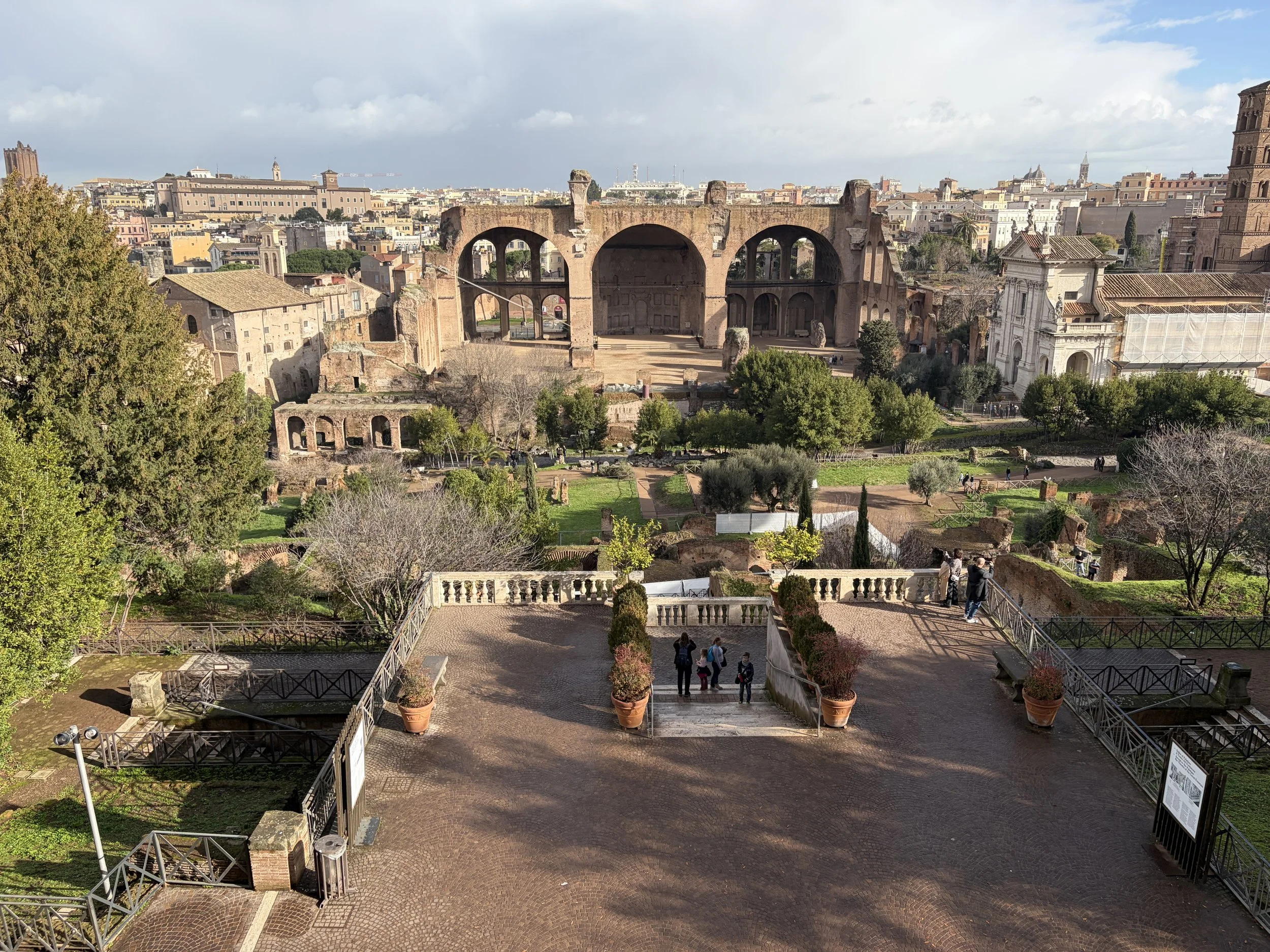
After getting my gladiator moment out of the way, I continued on to the nearby highlights: the Arch of Constantine, the sprawling ruins of the Roman Forum, and Palatine Hill. All were impressive in their own way, but by that point, they also blended into the million other old buildings.
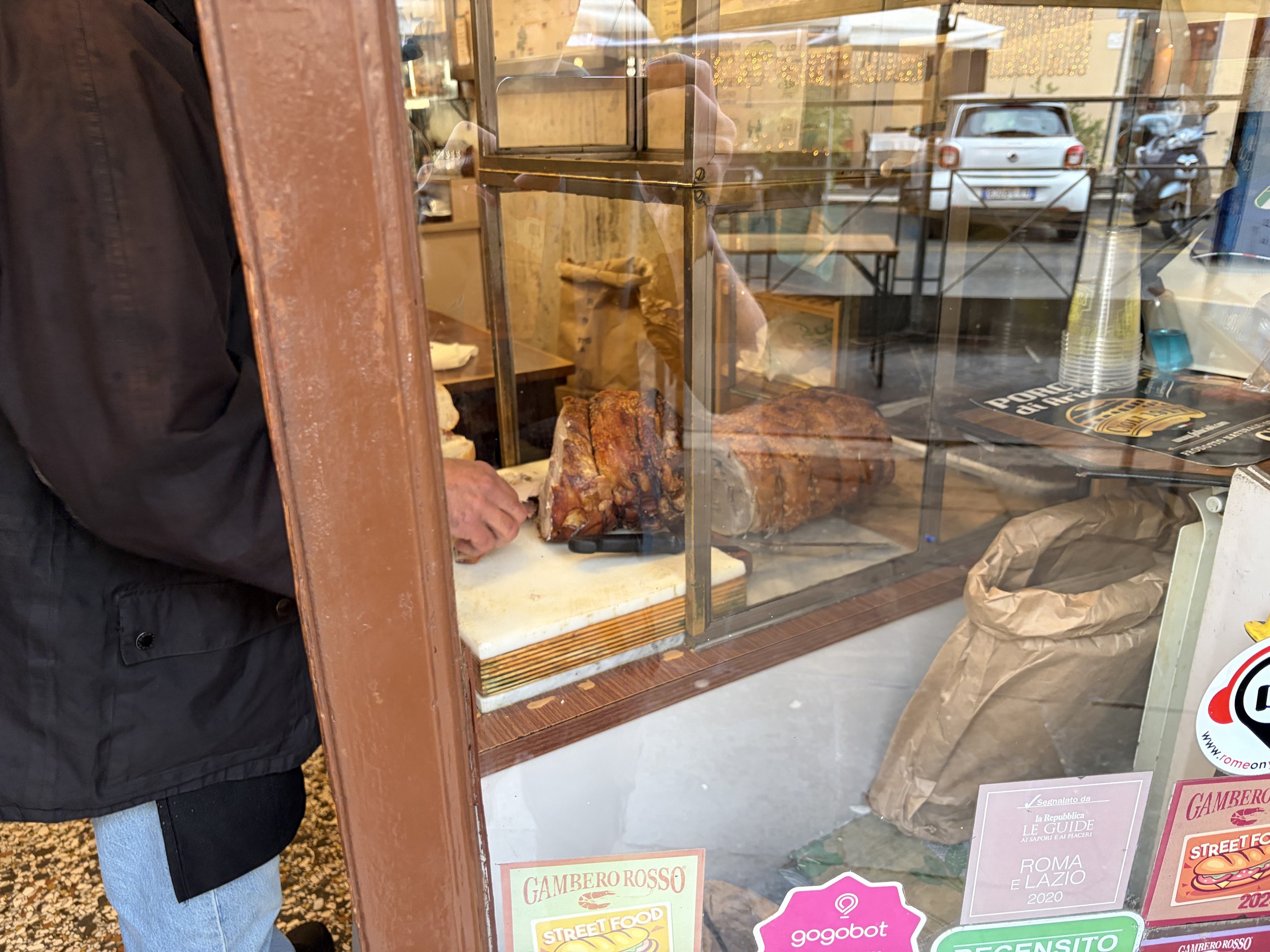
By that point, I had worked up an appetite and was fully committed to chasing the high of the porchetta from the night before. After a quick search, I landed on Er Buchetto, which was close to the hotel and supposedly known for its sandwiches. I hopped on the Metro, and the second I surfaced above ground, it started raining. As someone who lives in San Diego, rain is not something I actively plan for. When it rains back home, it’s an event. People talk about it. An inch of rain gets the same news coverage as a hurricane elsewhere. No one had mentioned rain, so I was completely unprepared and walked to the restaurant getting drenched.
The moment I stepped up to the counter, I knew this was a locals-only kind of place. The owner clearly did not want to chat, did not want to explain anything, and possibly did not want me there at all. I ordered anyway and was handed what may have been the saddest, driest sandwich I’ve ever encountered. Truly terrible. I pulled out the meat, took a few sad nibbles, and tossed the rest. Defeated, hungry, and damp, I walked back to the hotel to regroup and rethink my next steps.
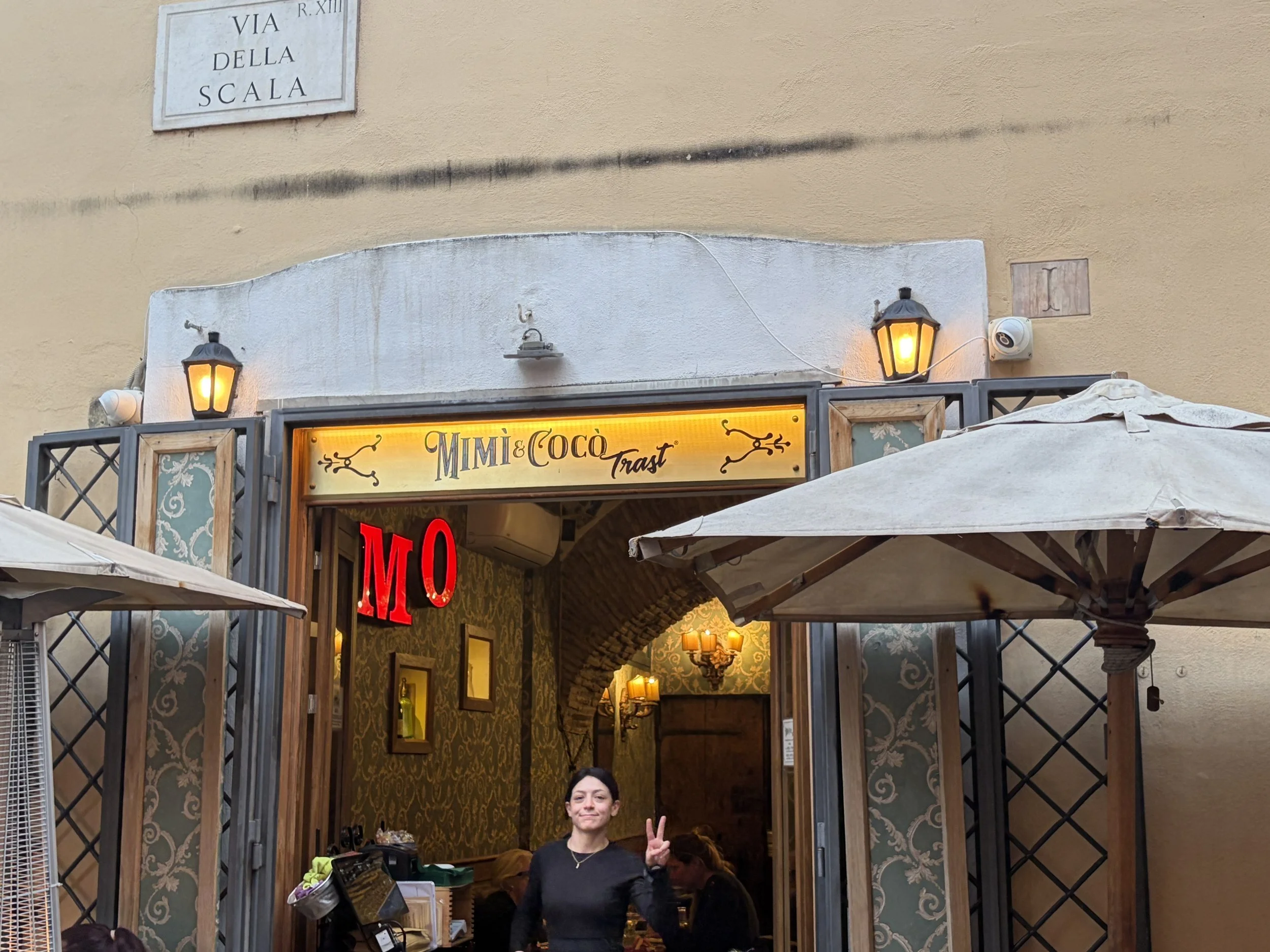
Back at the hotel, I found Mimi e Costa Trastevere and decided to give it a shot. I also wanted to find a unique gift shop, though Rome makes that harder than it should be. There are a million gift shops, and they all sell the exact same cheap souvenirs made in China. Hard pass. I did find a place that was supposed to sell handmade ceramics, which got my hopes up. With the rain still lingering, I grabbed a taxi, figured I’d eat first, then walk to the shop afterward with the hope the rain would let up.
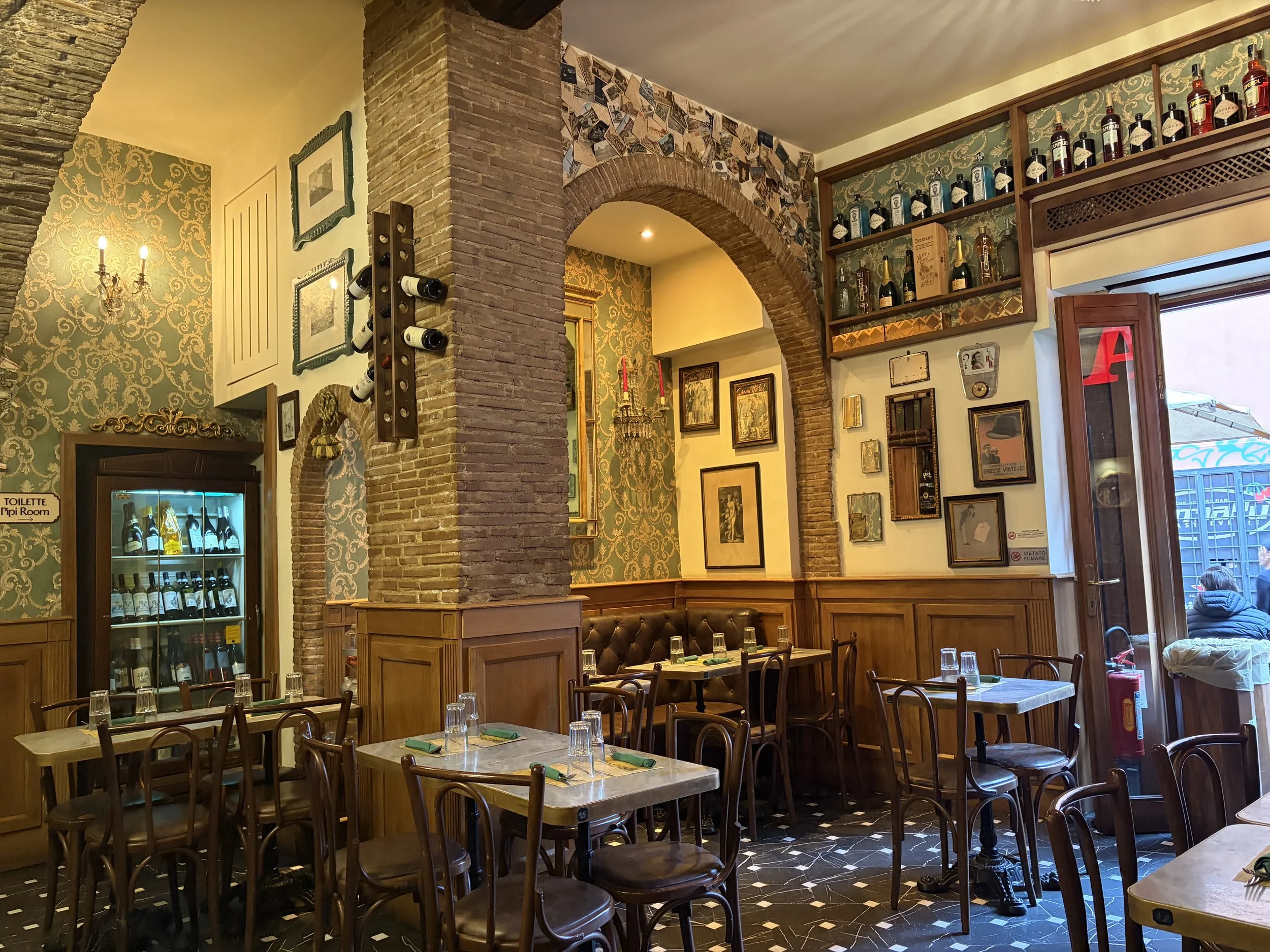
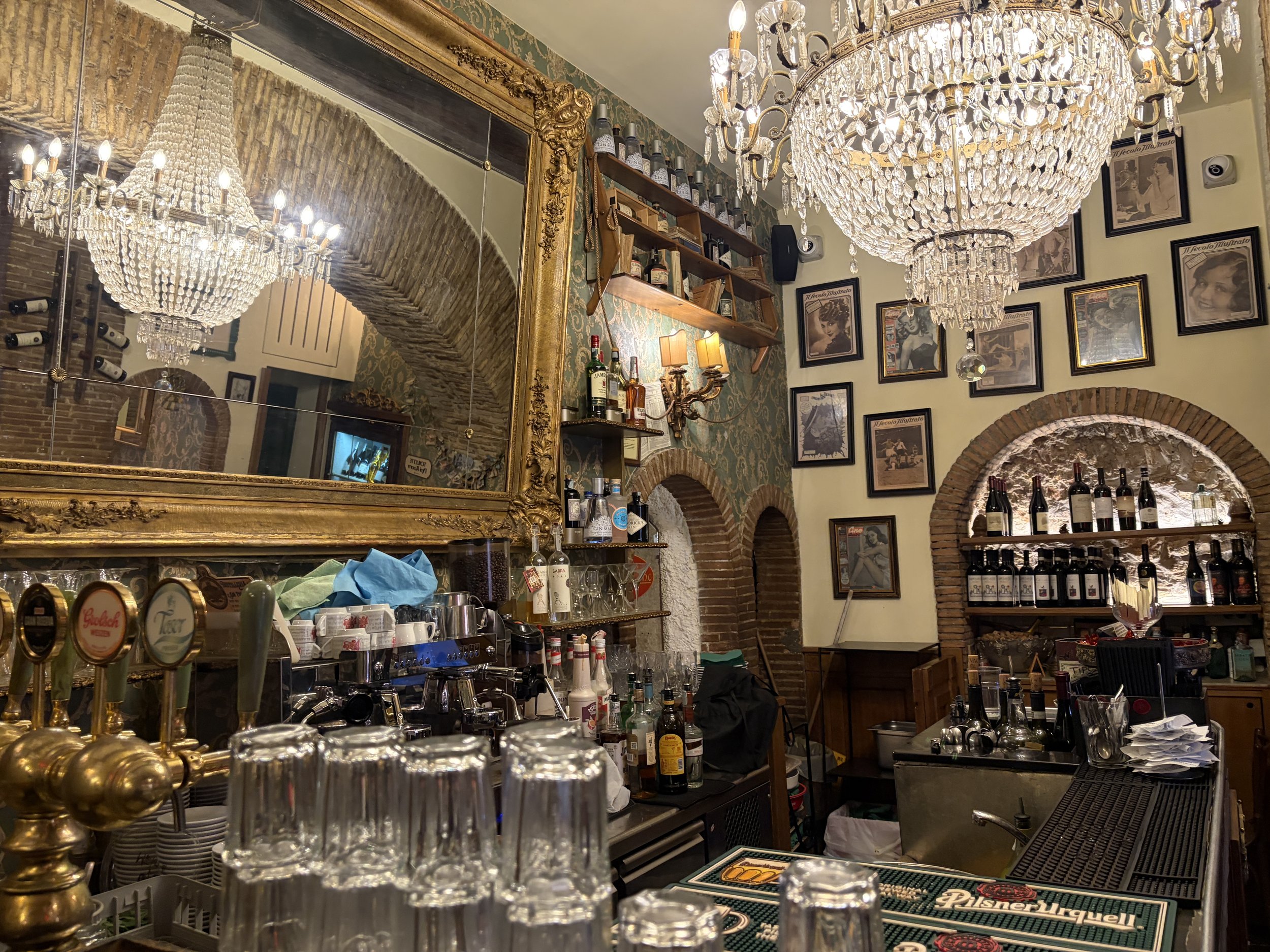
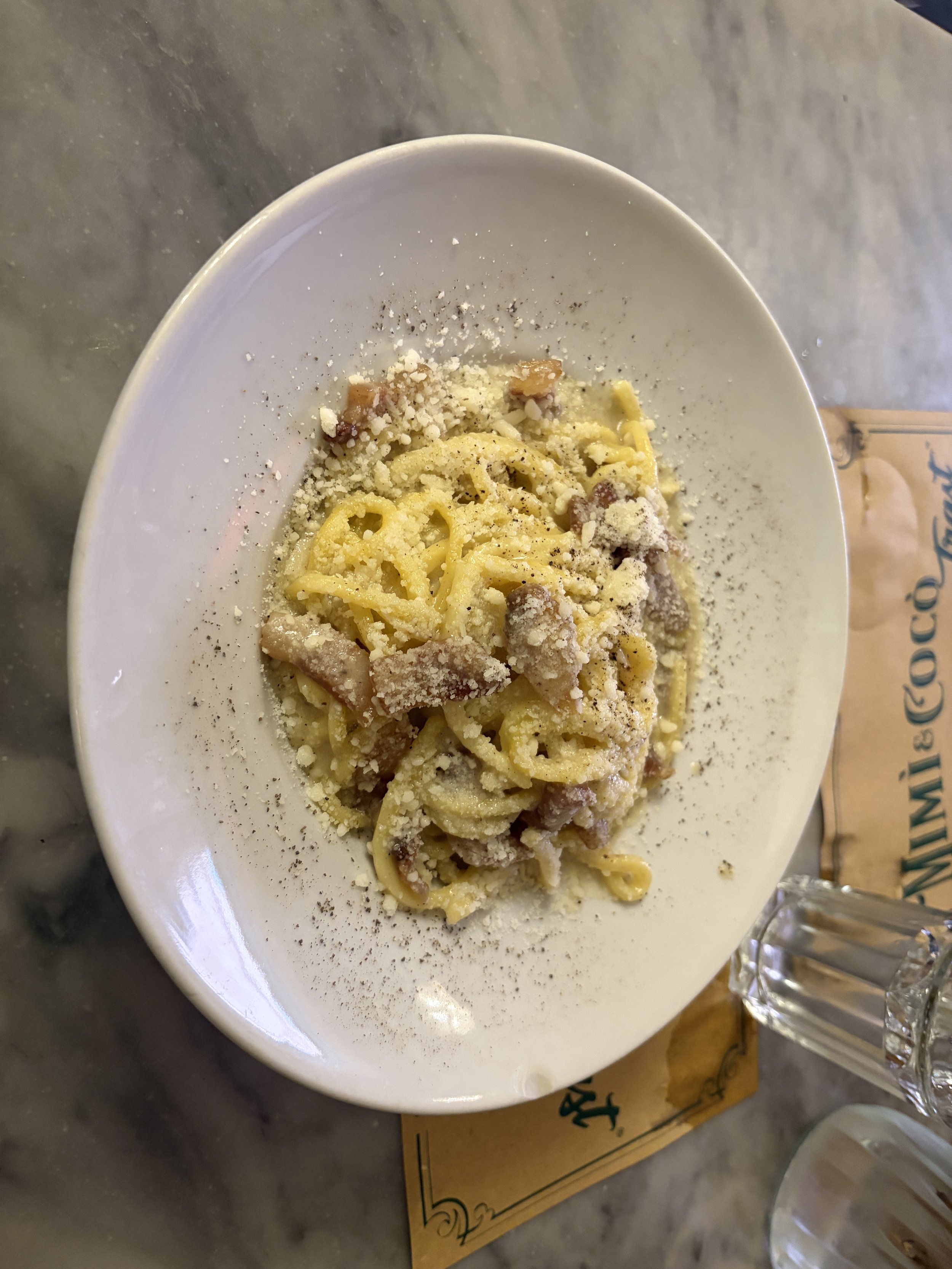
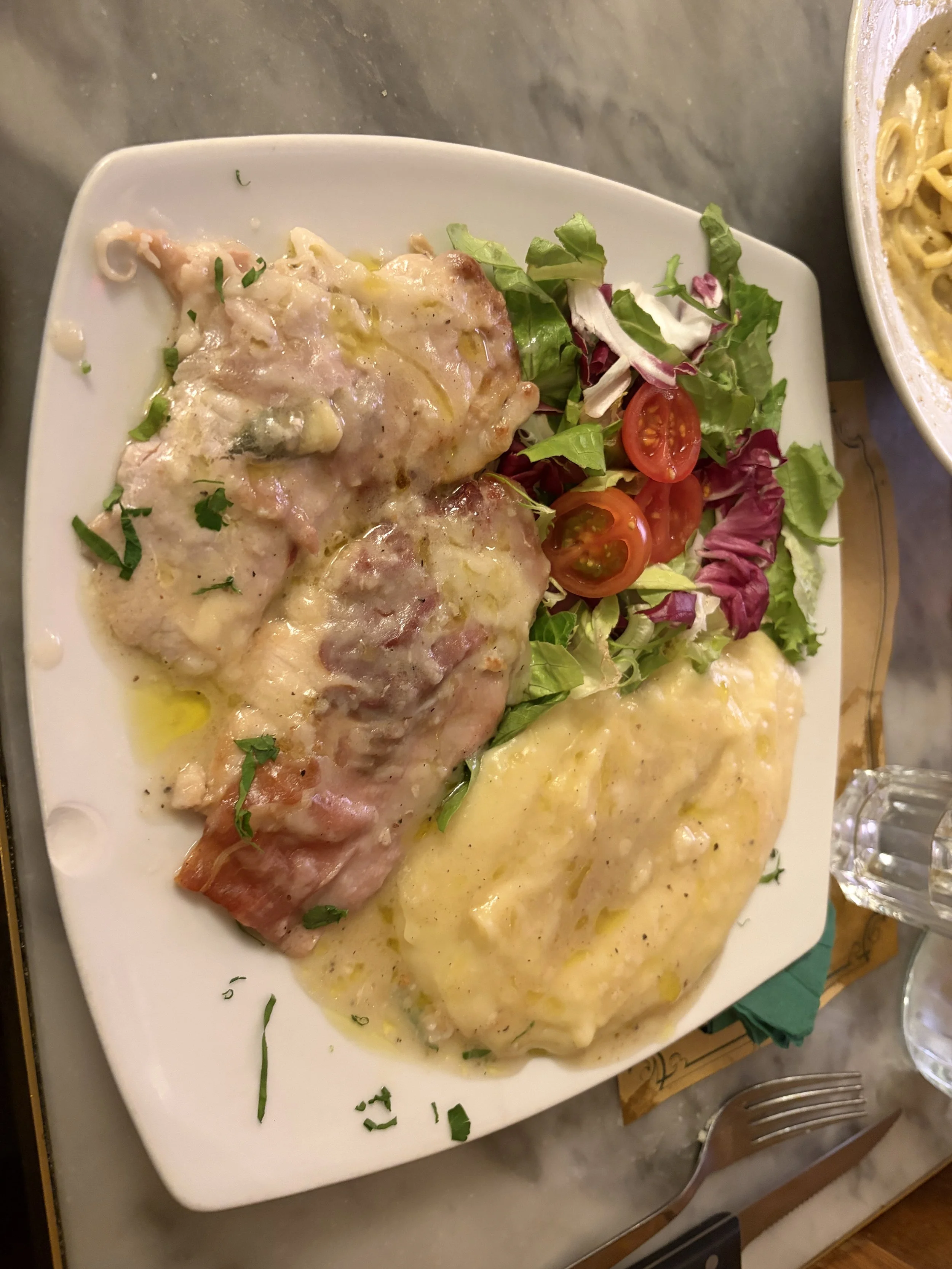
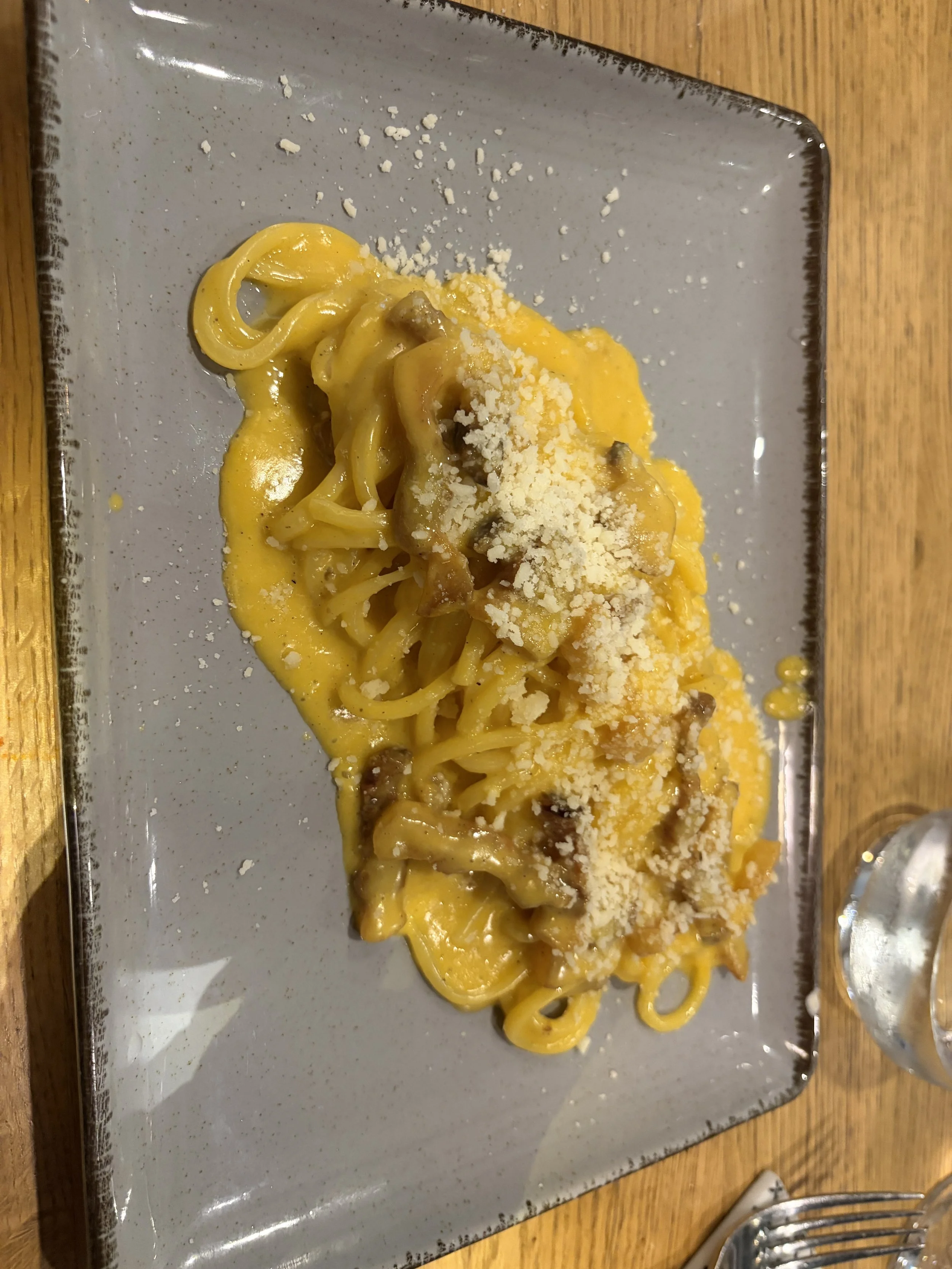
The food was better but still not great. I ordered carbonara and saltimbocca, and while everything looked beautiful, the flavors just didn’t deliver. I didn’t eat everything, so they came over and asked if everything was okay. Maybe it was the lack of wine, or maybe the night before had simply set the bar too high, but at this point, I was on a bit of a culinary losing streak.
The rain lightened up, so I set off to find the ceramic shop… except it didn’t exist. I followed the directions, double-checked the location, and still nothing. Just as the frustration peaked, the skies opened up with a full downpour — as if the gods themselves decided I needed to be humbled. I sprinted into a tacky souvenir shop, got absolutely fleeced on an umbrella, and resigned myself to the next stop: Vatican City.
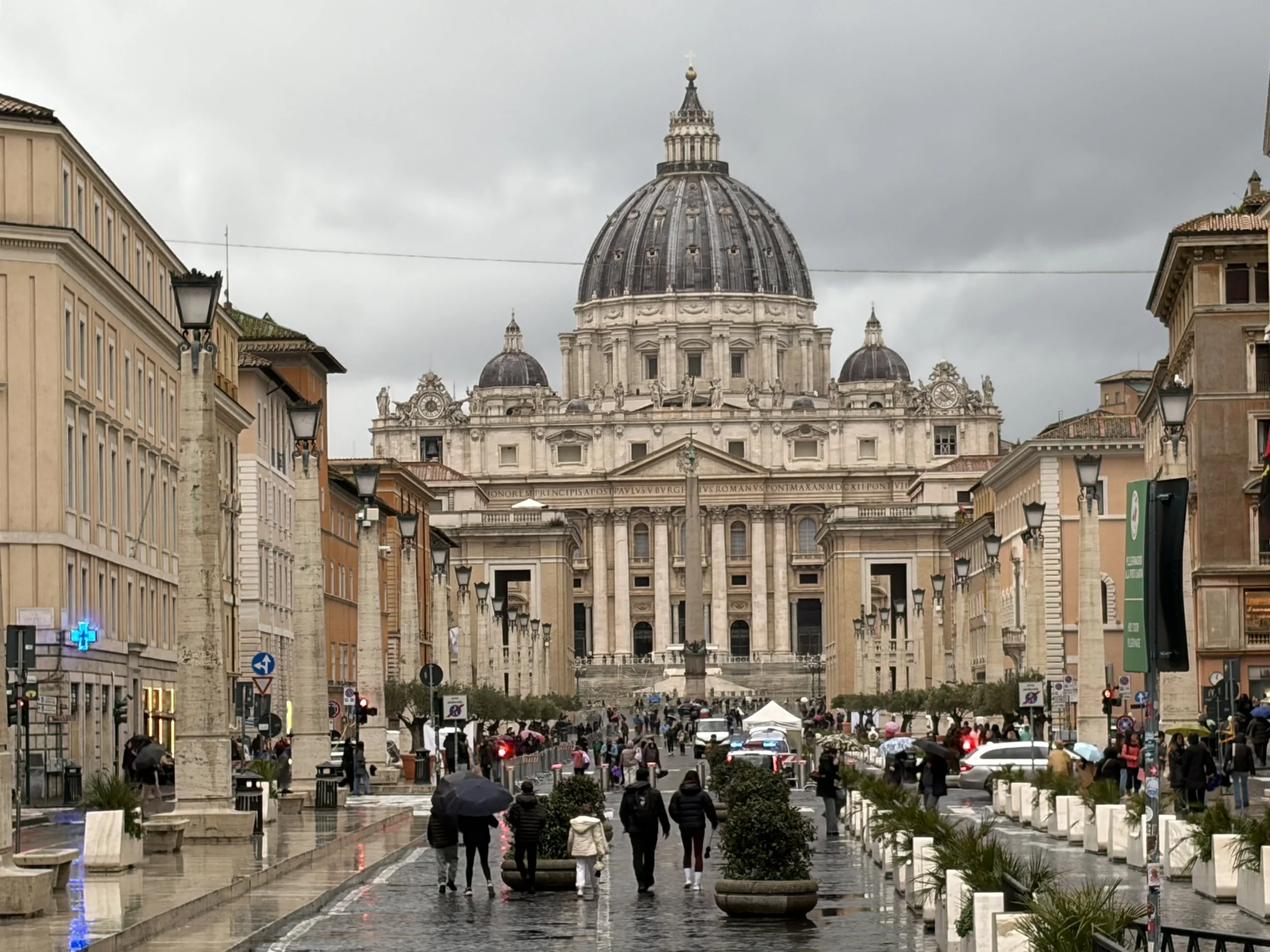
Vatican City is unique because it’s an independent country entirely contained within Rome — its own rules, its own governance, its own tiny footprint. I quickly learned that it’s essentially St. Peter’s Basilica, a stretch of gardens, and the Vatican Museums… and that’s basically the whole country.
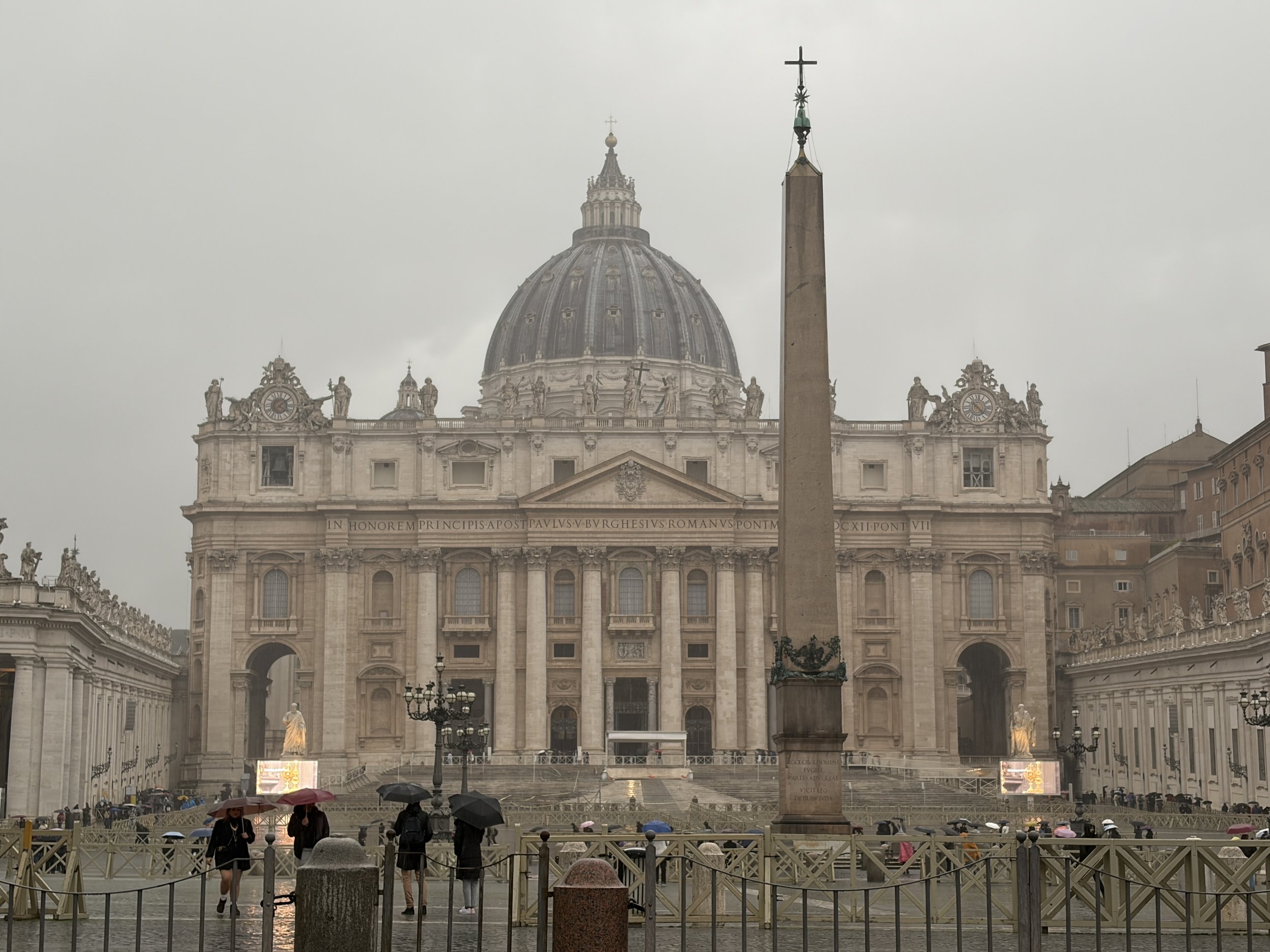
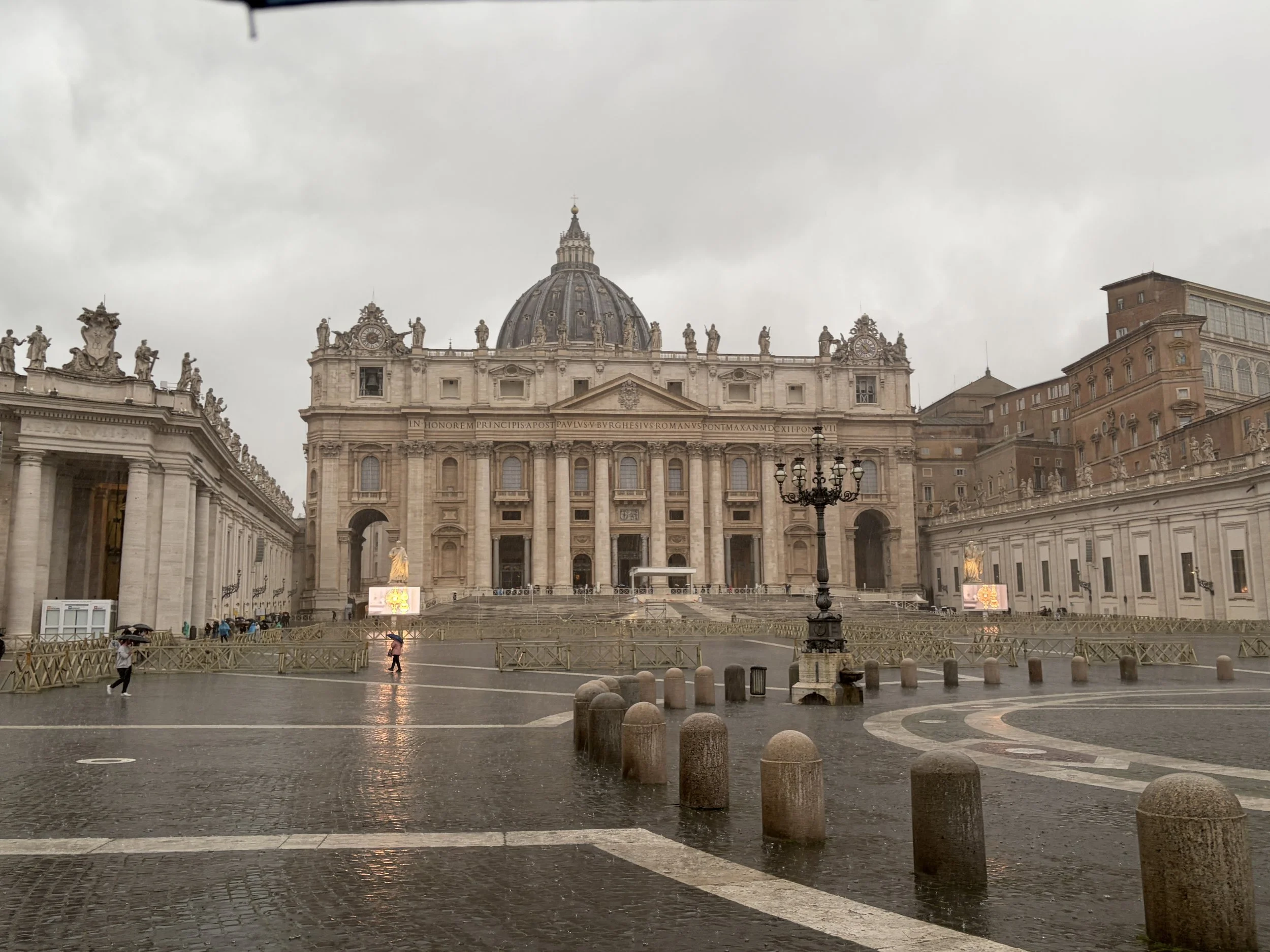
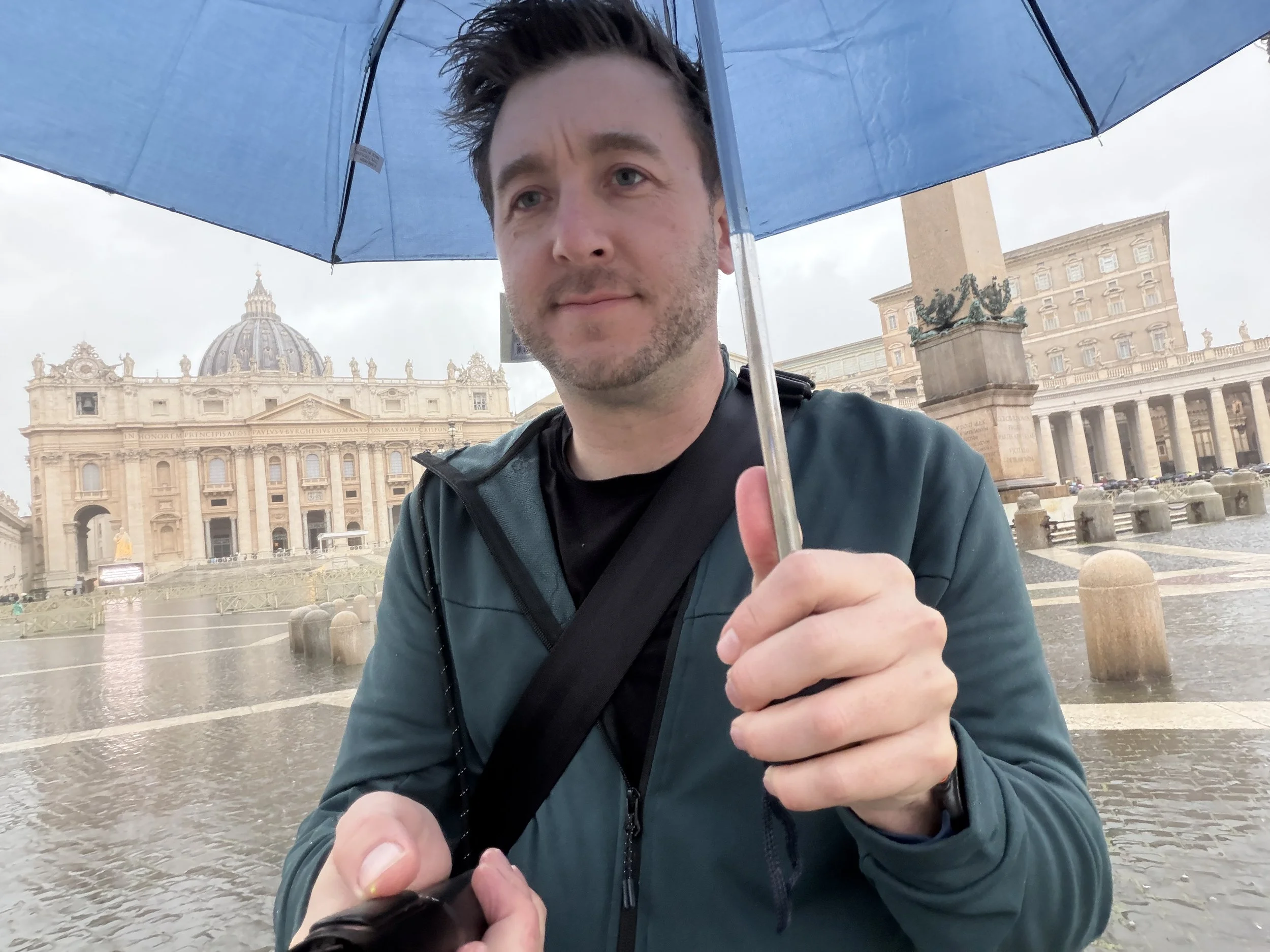
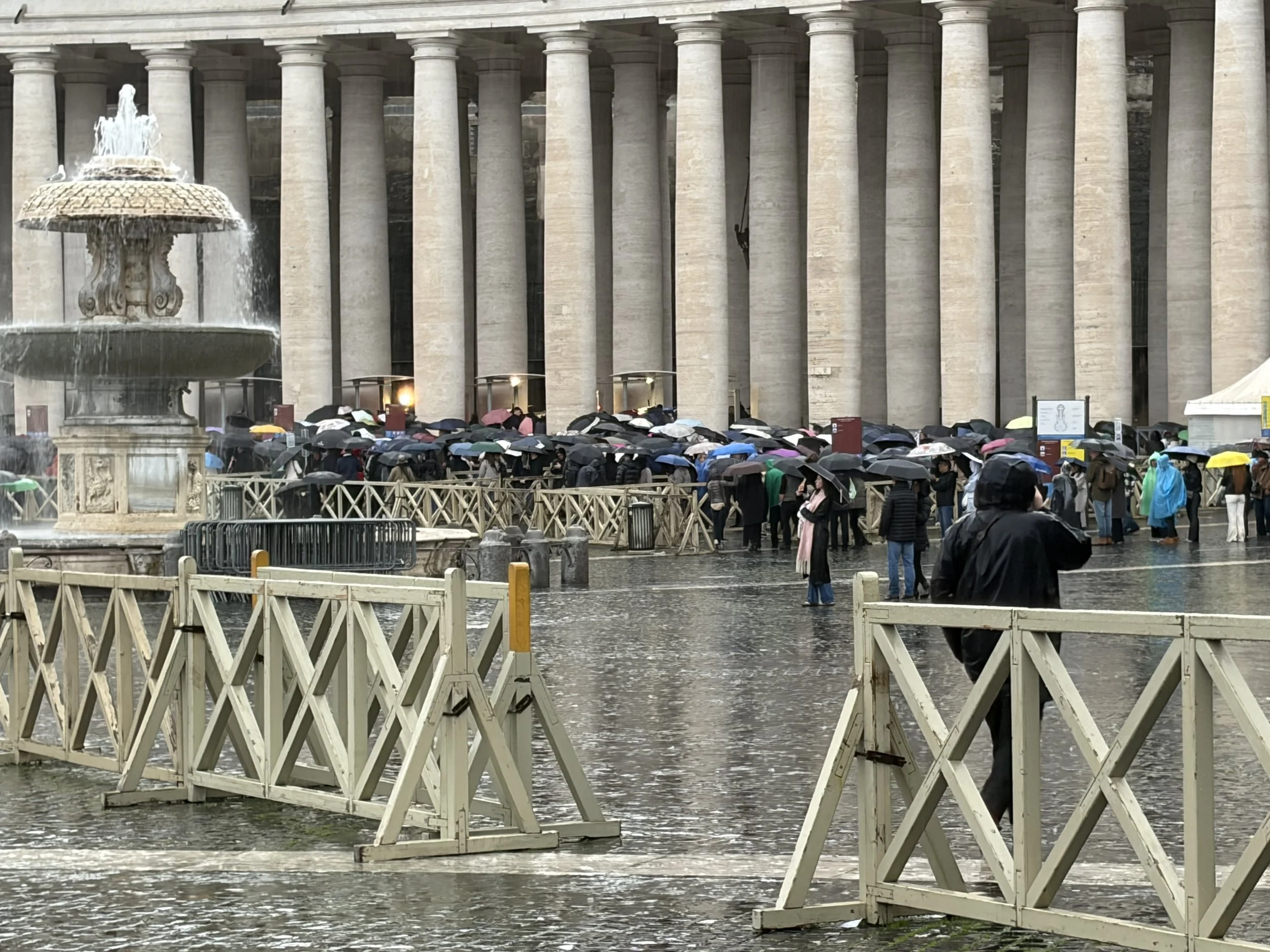
By the time I arrived, the rain was coming down hard. Everyone was getting rained out and umbrellas were being tested to their limits. I briefly considered going into St. Peter’s Basilica, but the line was painfully long, barely moving, and entirely exposed to the rain. I decided this was one moment where I’d let the truly devoted Catholics endure the elements for their religious epicenter and moved on.
Instead, I leaned into a small miracle: I had somehow managed to snag a last-minute Vatican Museum ticket the night before. This probably only happened because it was a single ticket. Even then, buying it was an ordeal — it kept showing as available, then disappearing, over and over again. I had to switch to my iPad to finally secure it.
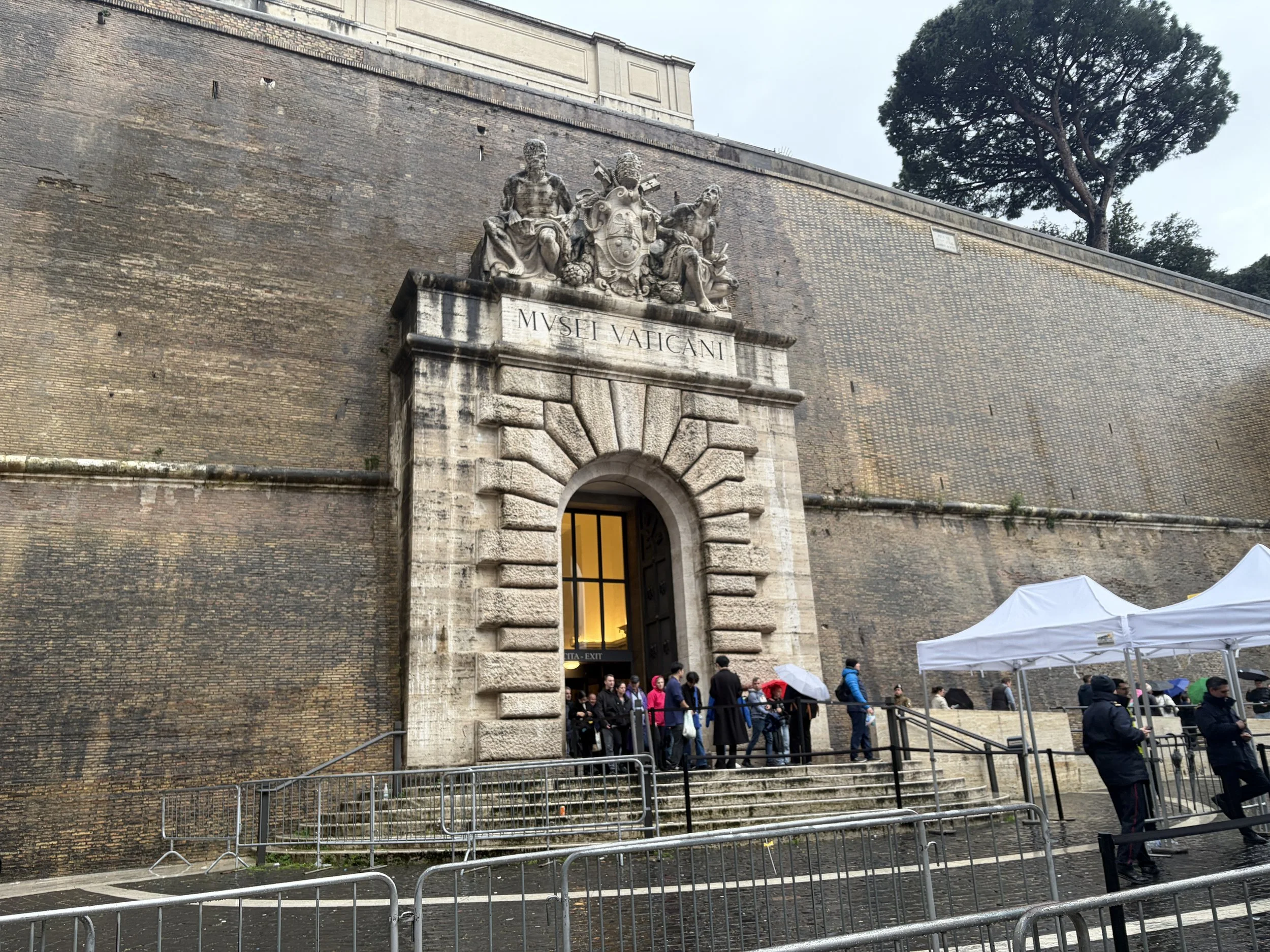
Getting into the Vatican Museums was chaos. Lines everywhere. Guards who were clearly done answering questions for the day. Multiple checkpoints, security screenings, and moments of wondering if I was even in the right place. Eventually, I made it inside and immediately understood why people talk about this place the way they do. It’s massive. In fact, the Vatican Museums take up about 16% of all of Vatican City.
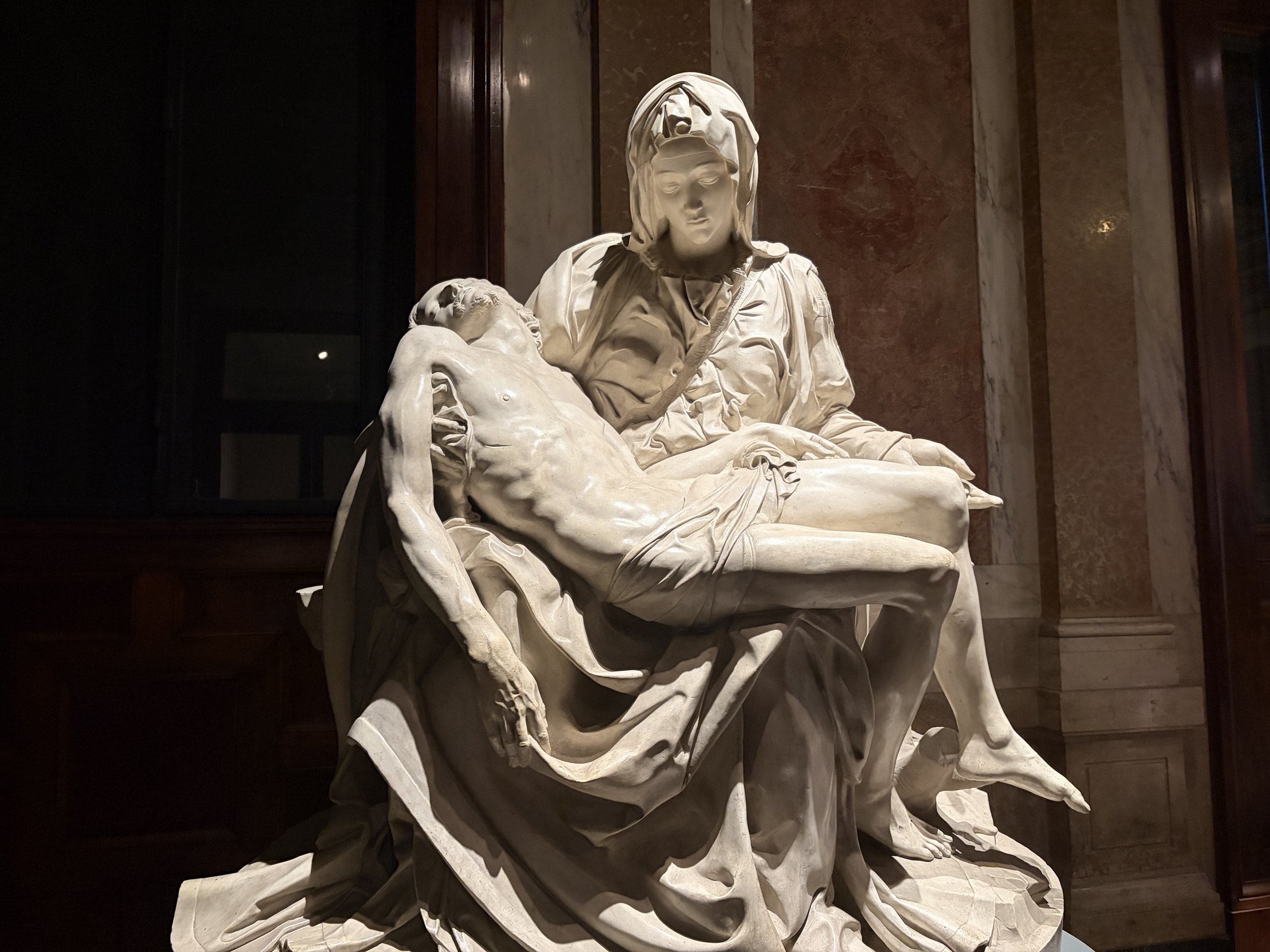
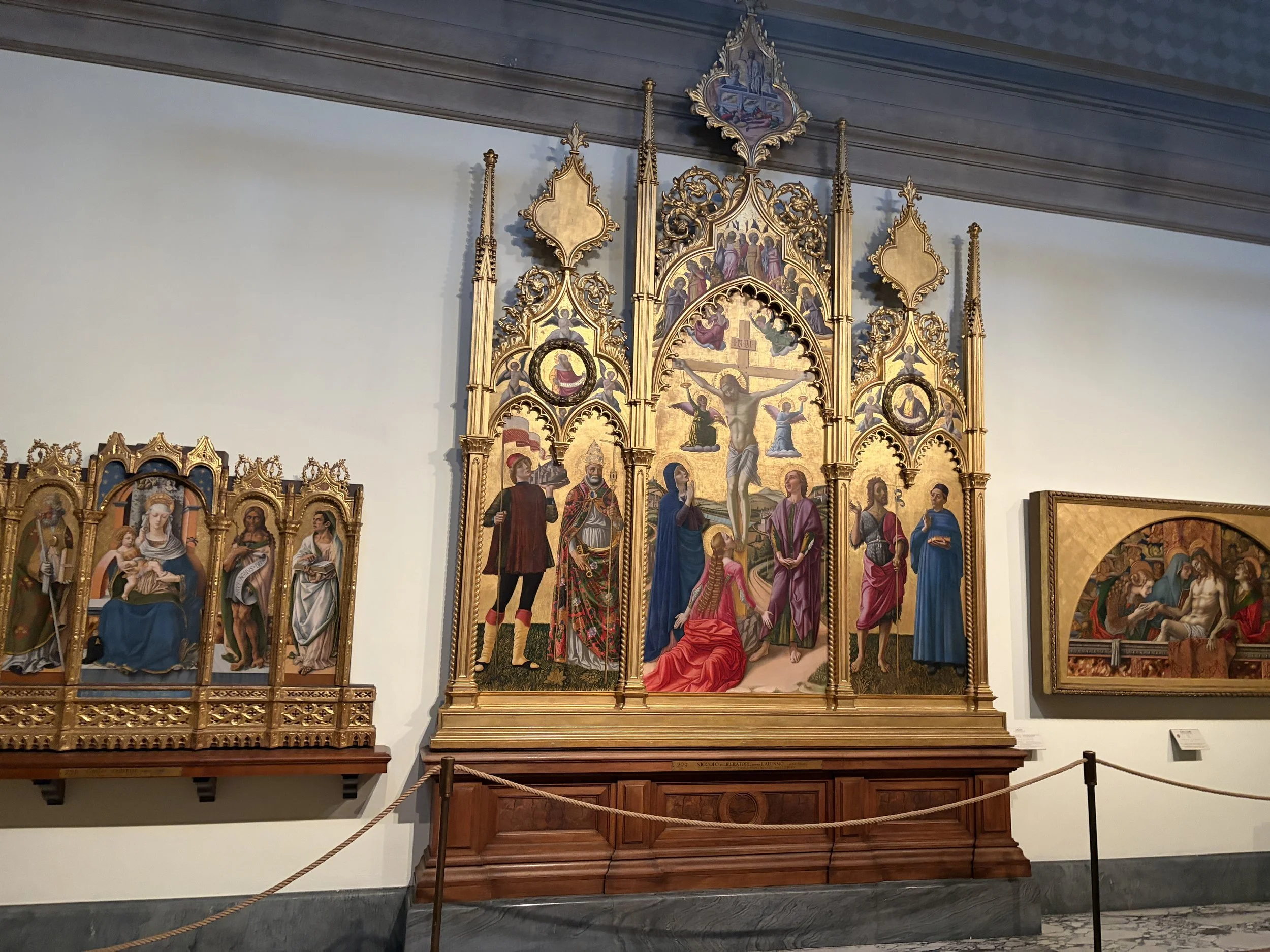
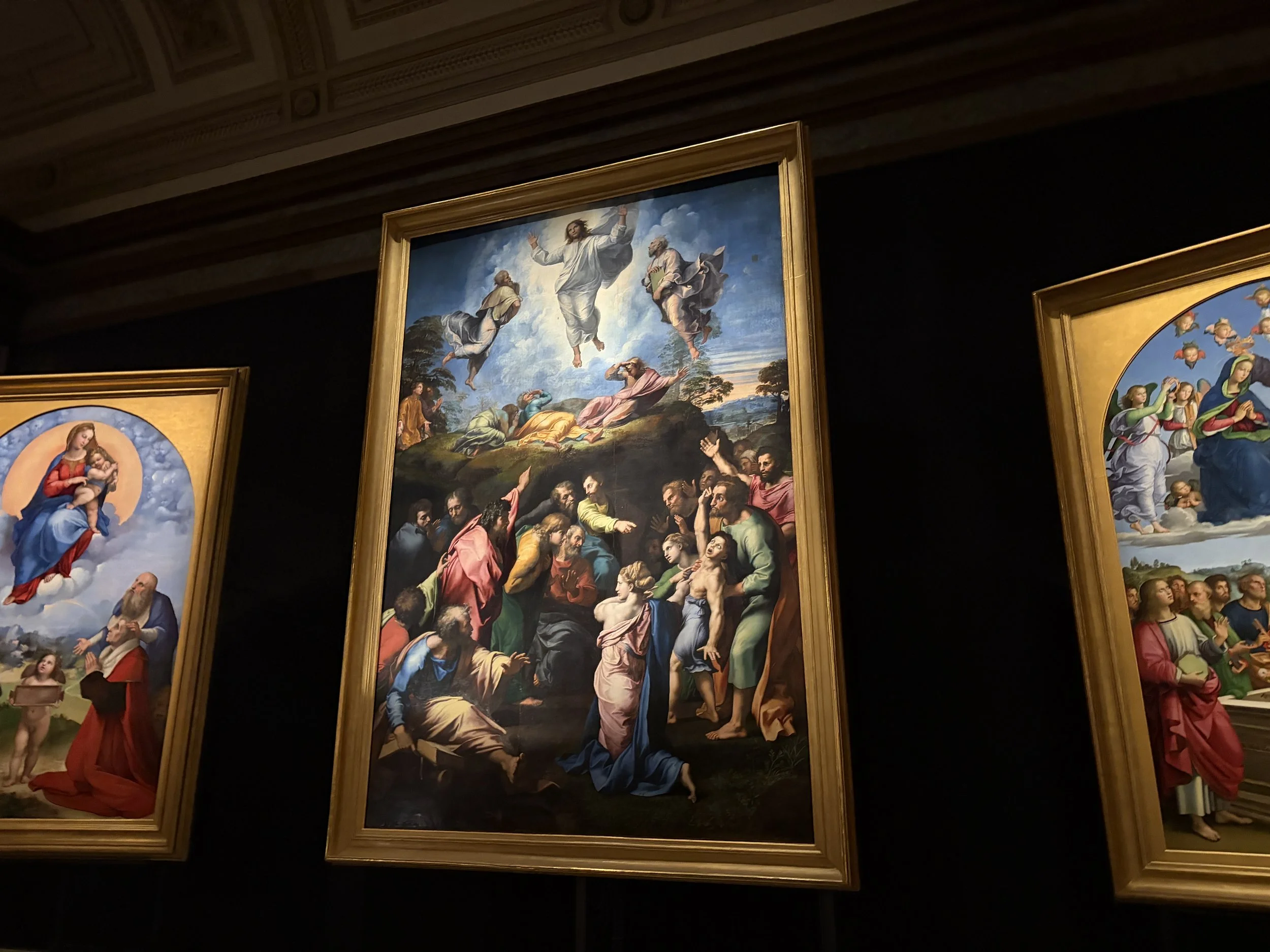
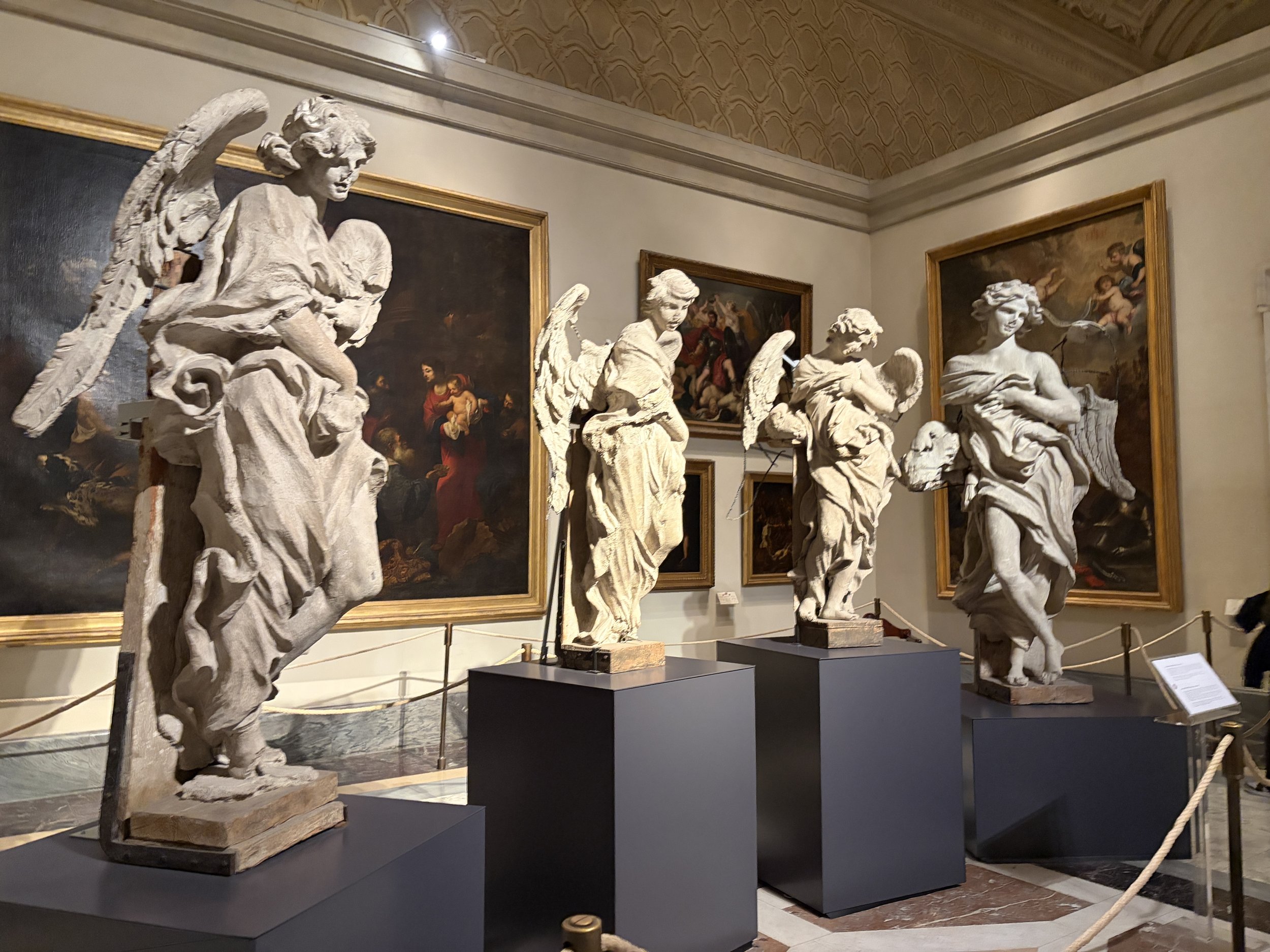
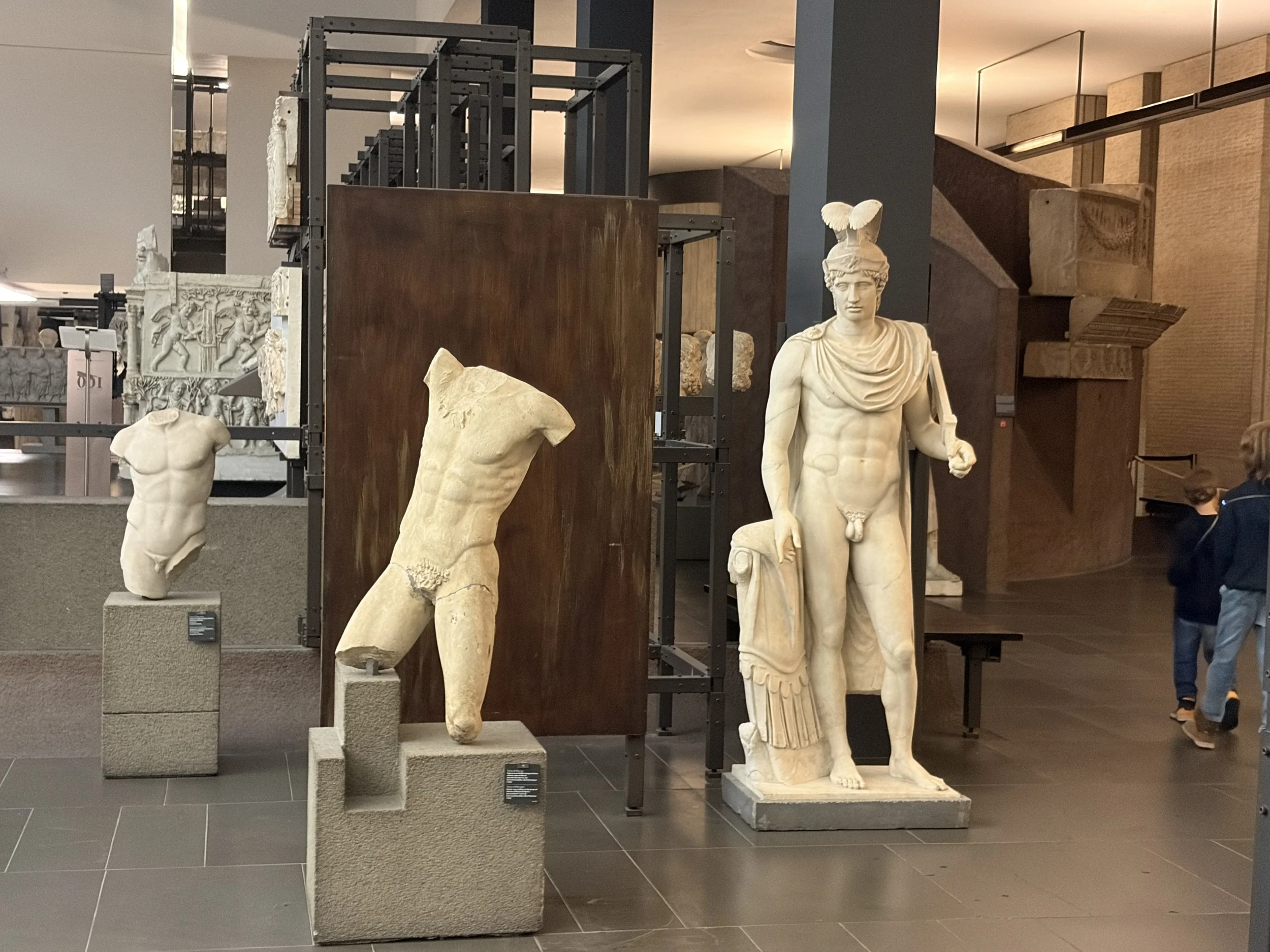
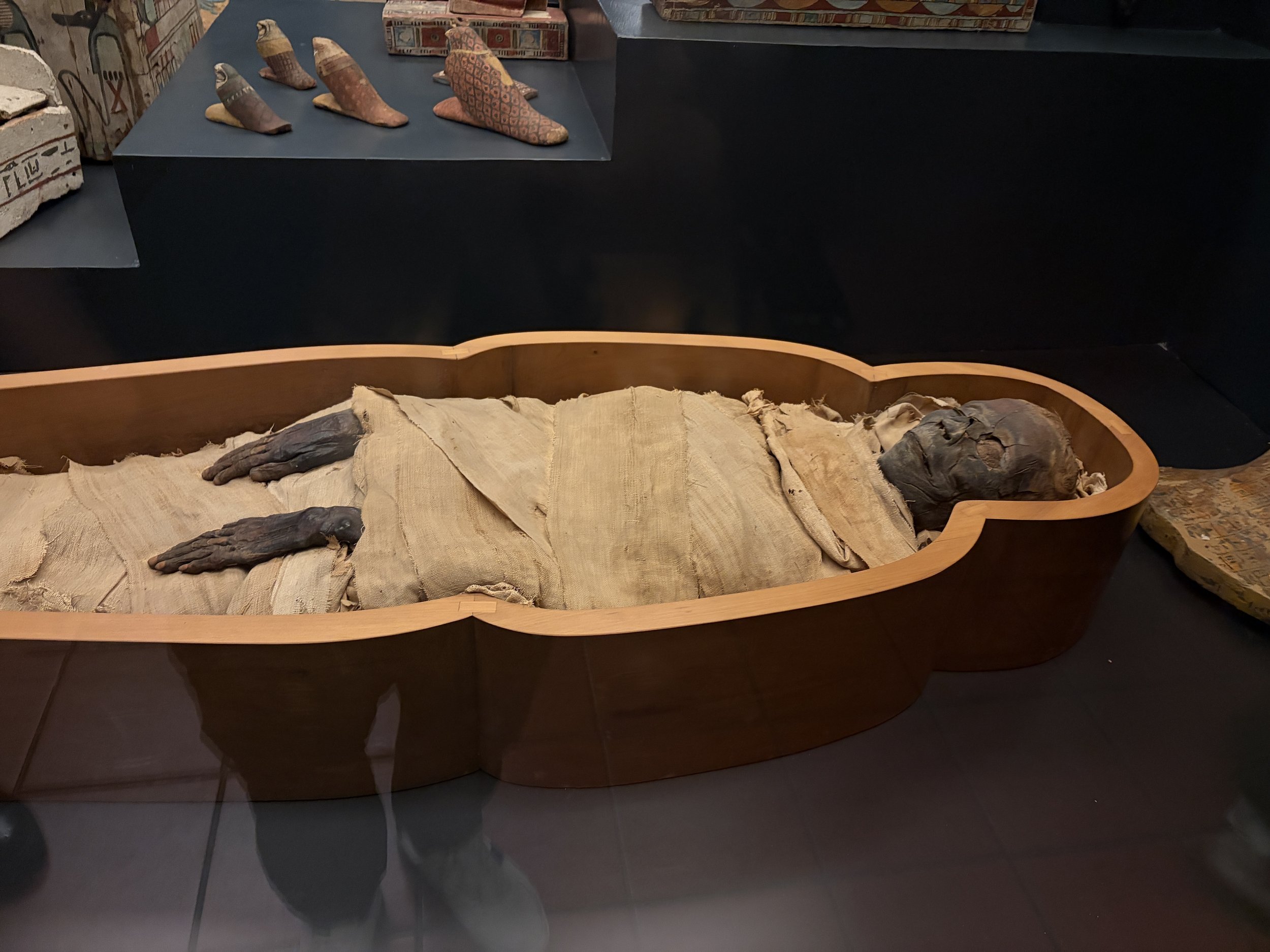
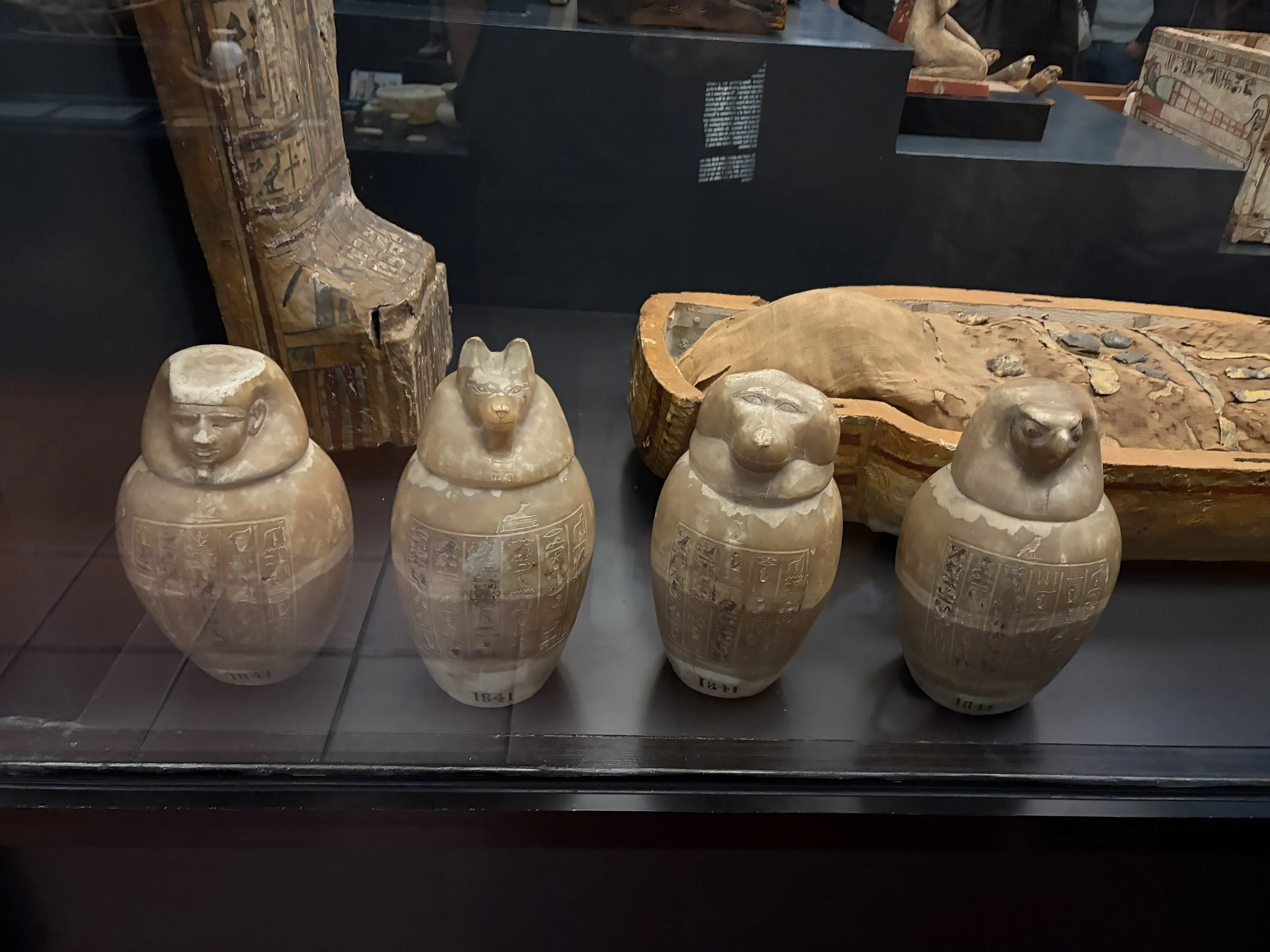
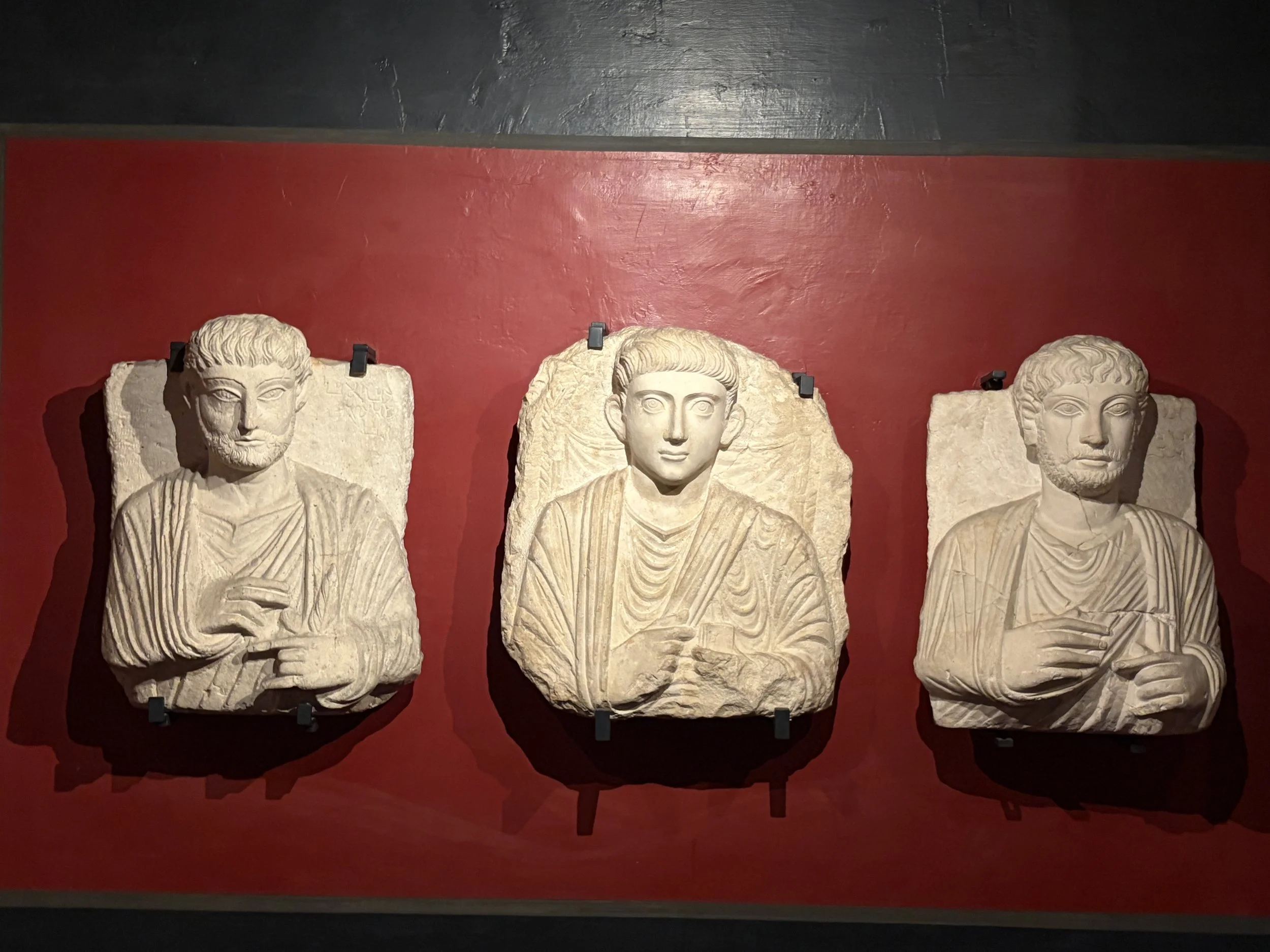
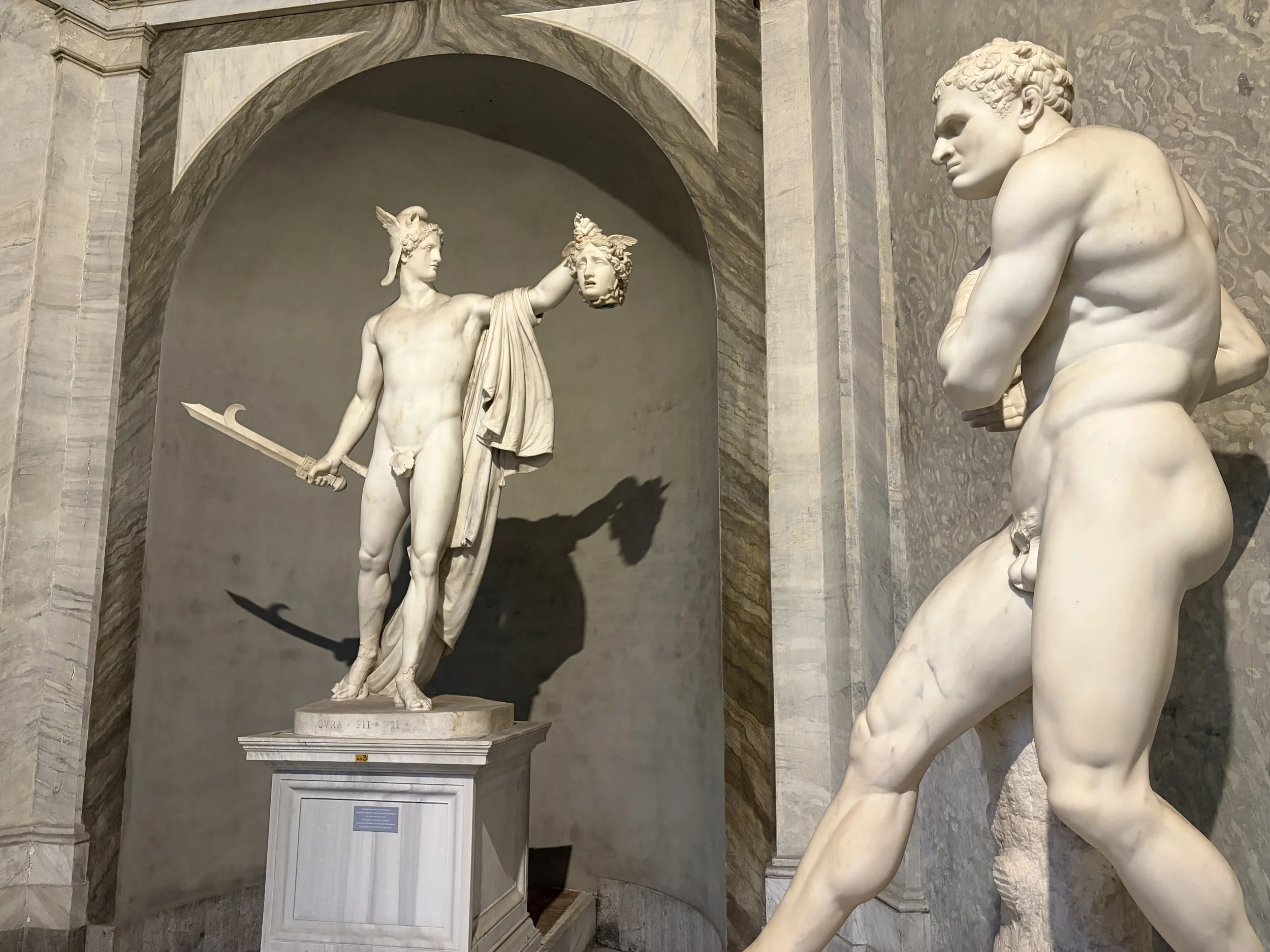
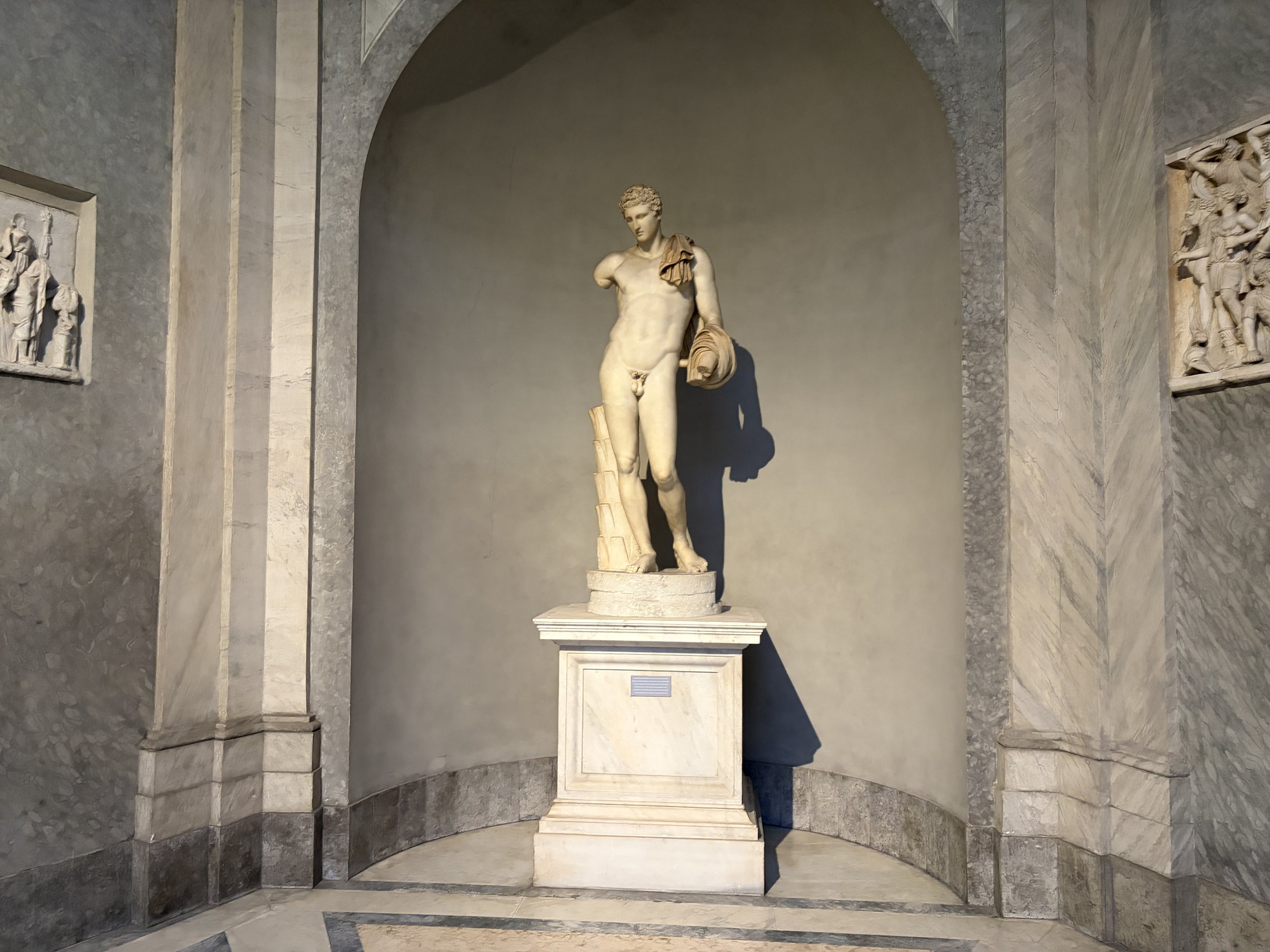
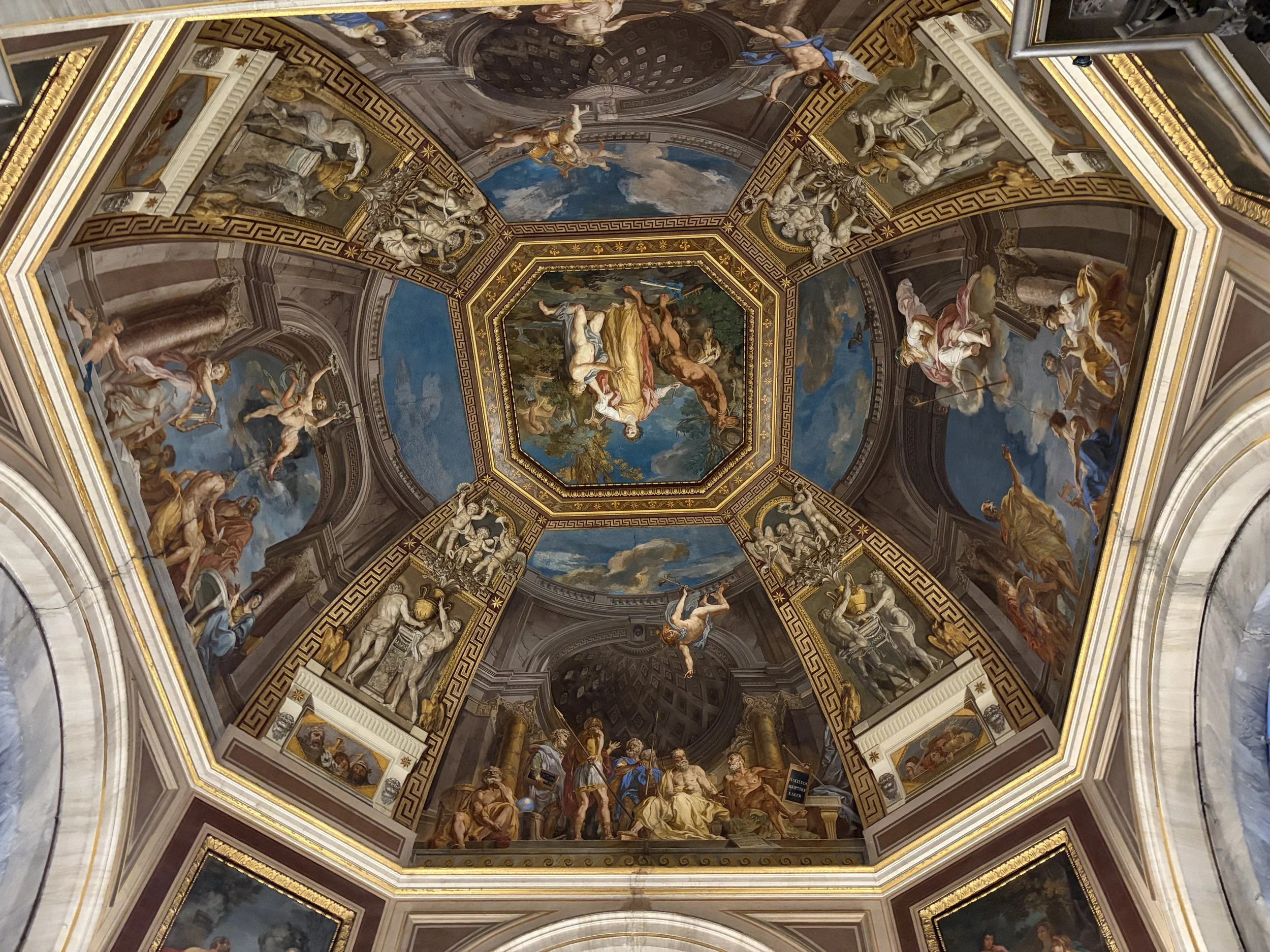
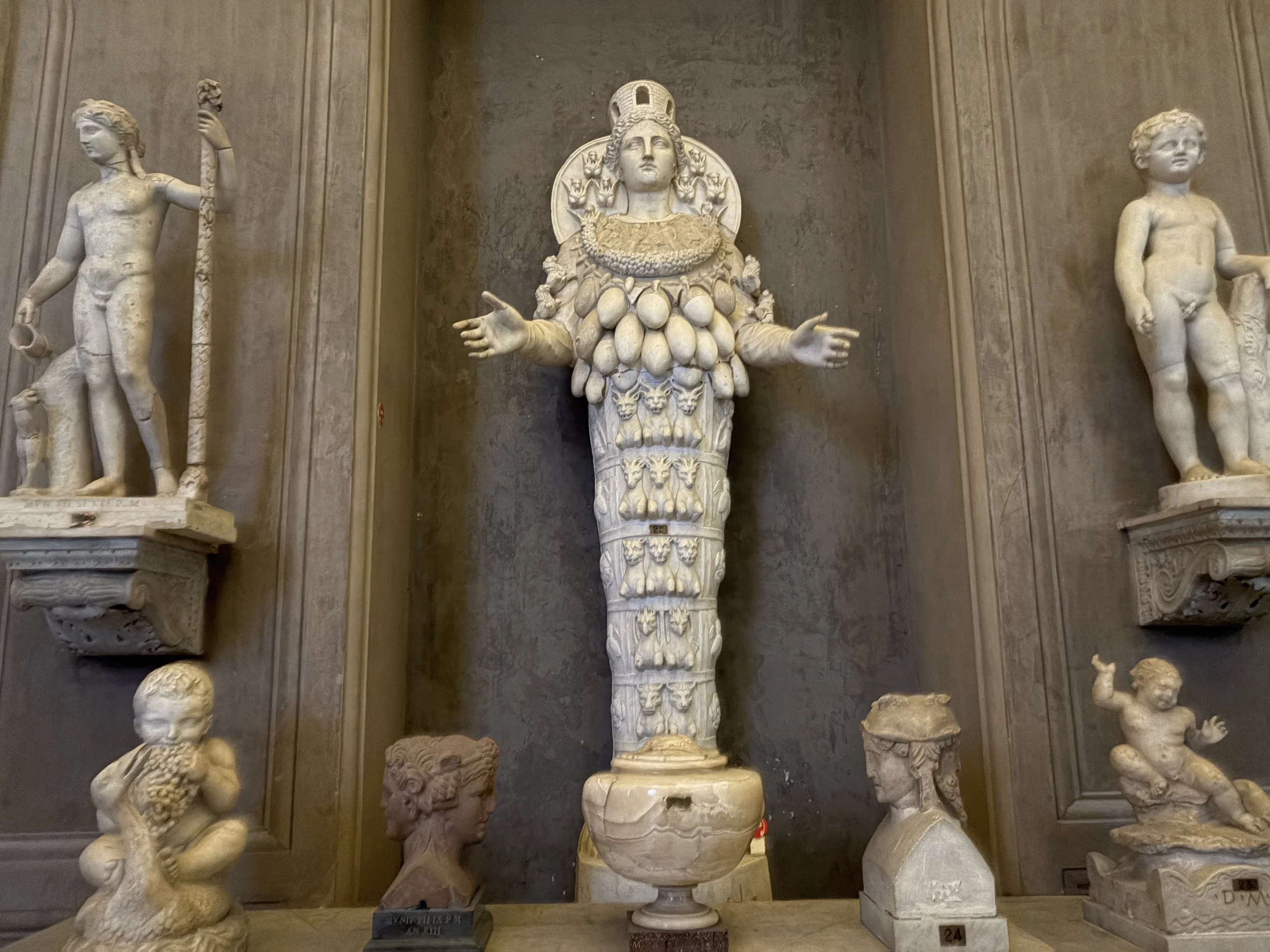
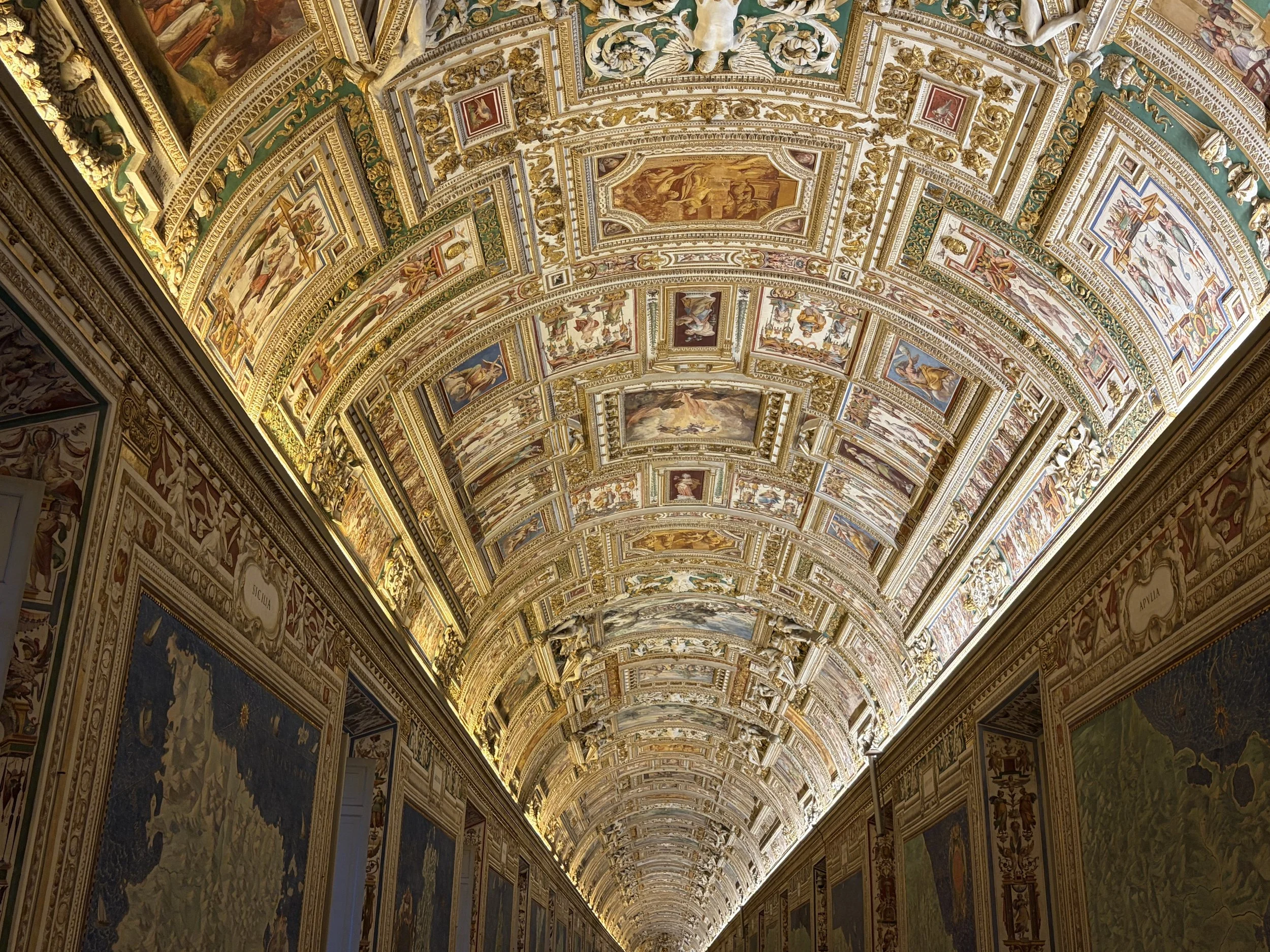
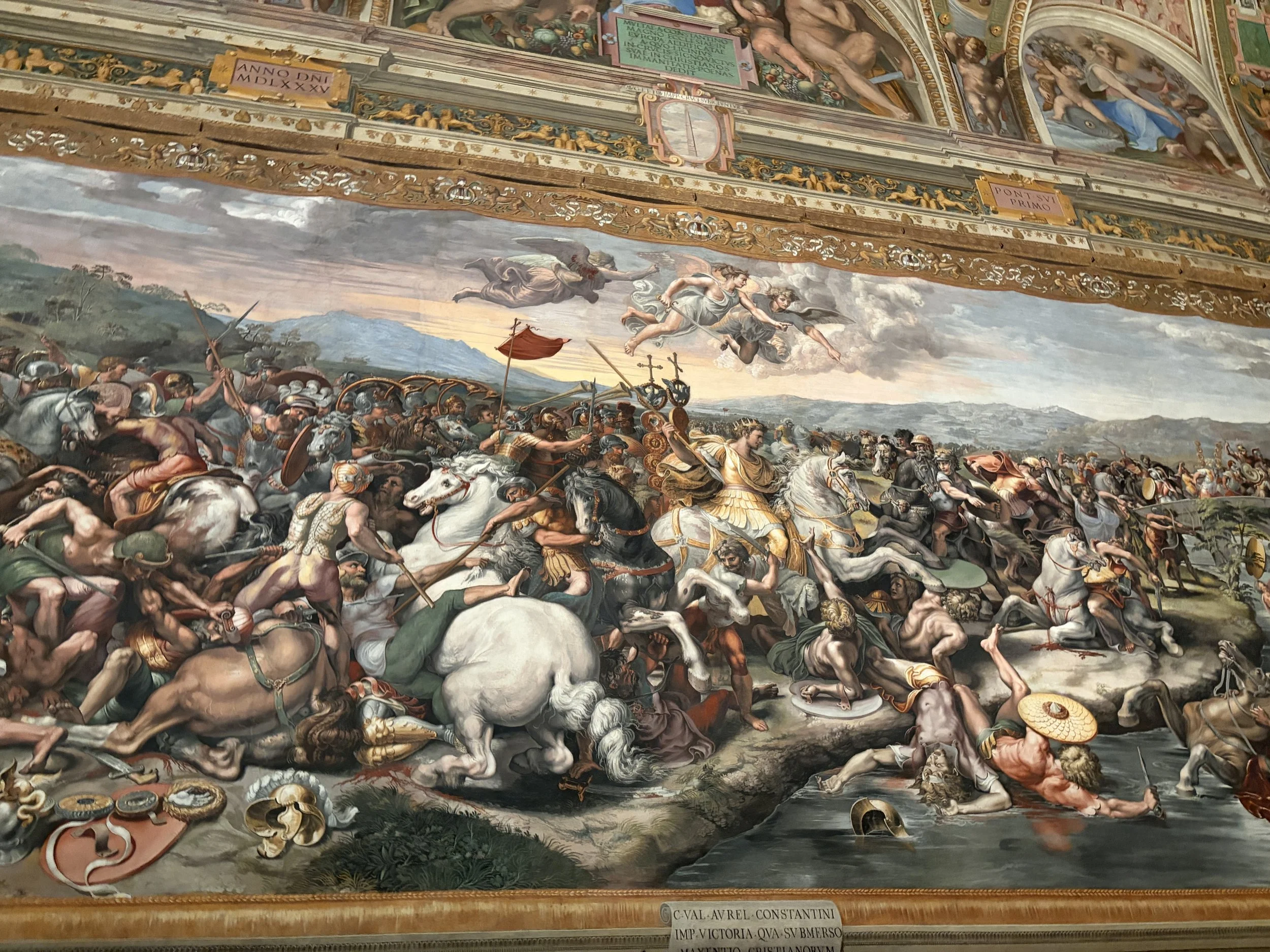
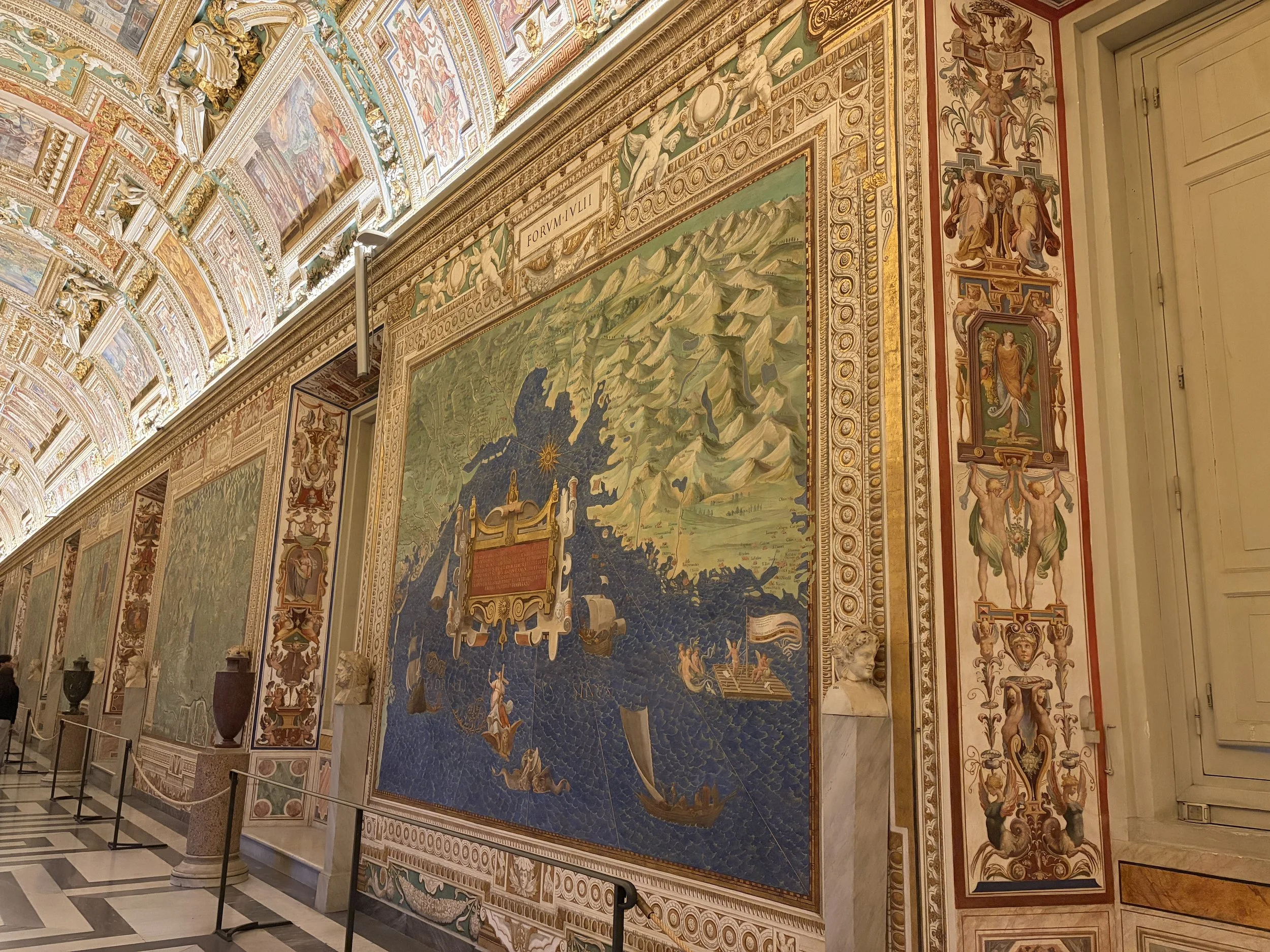
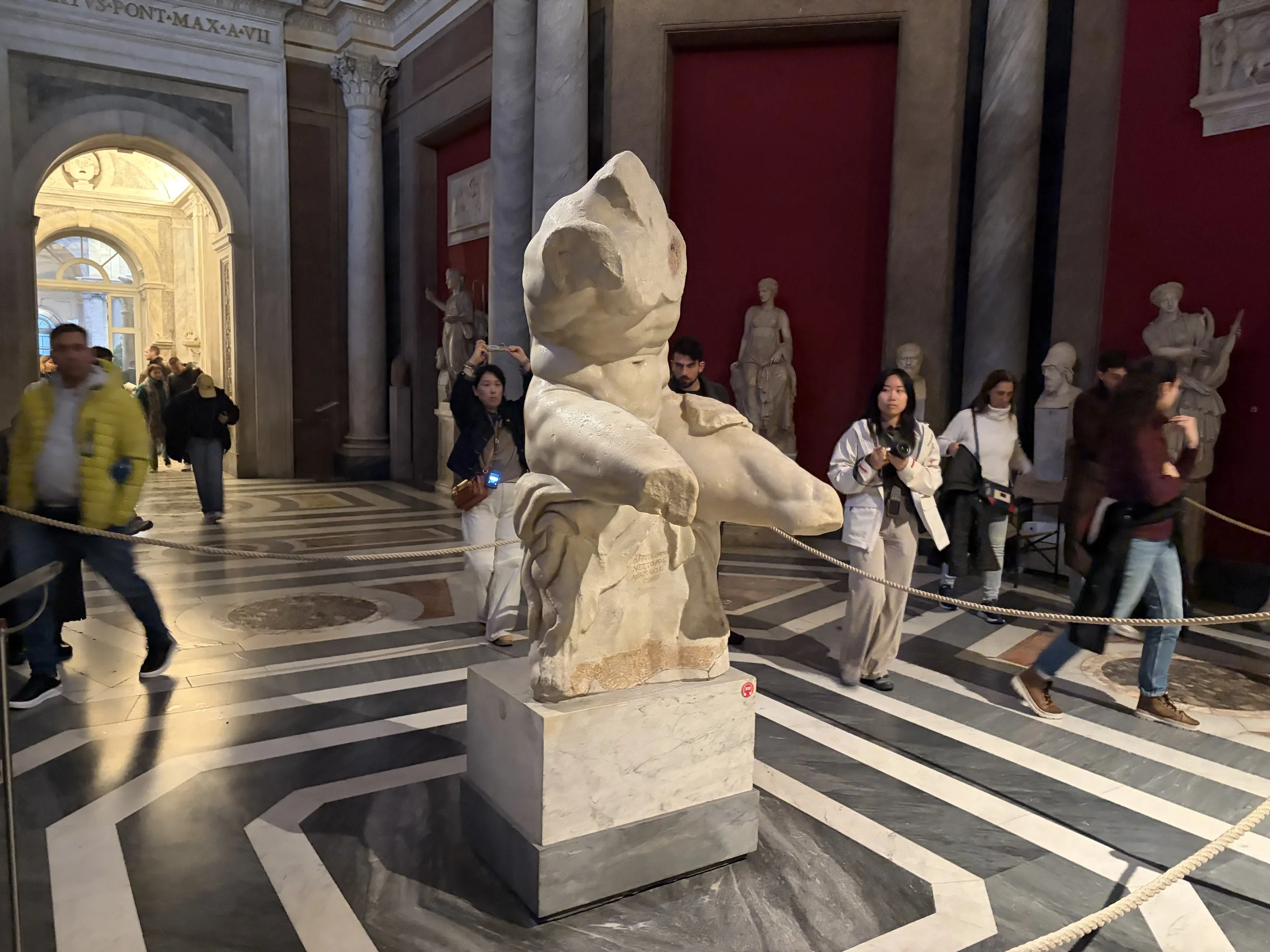
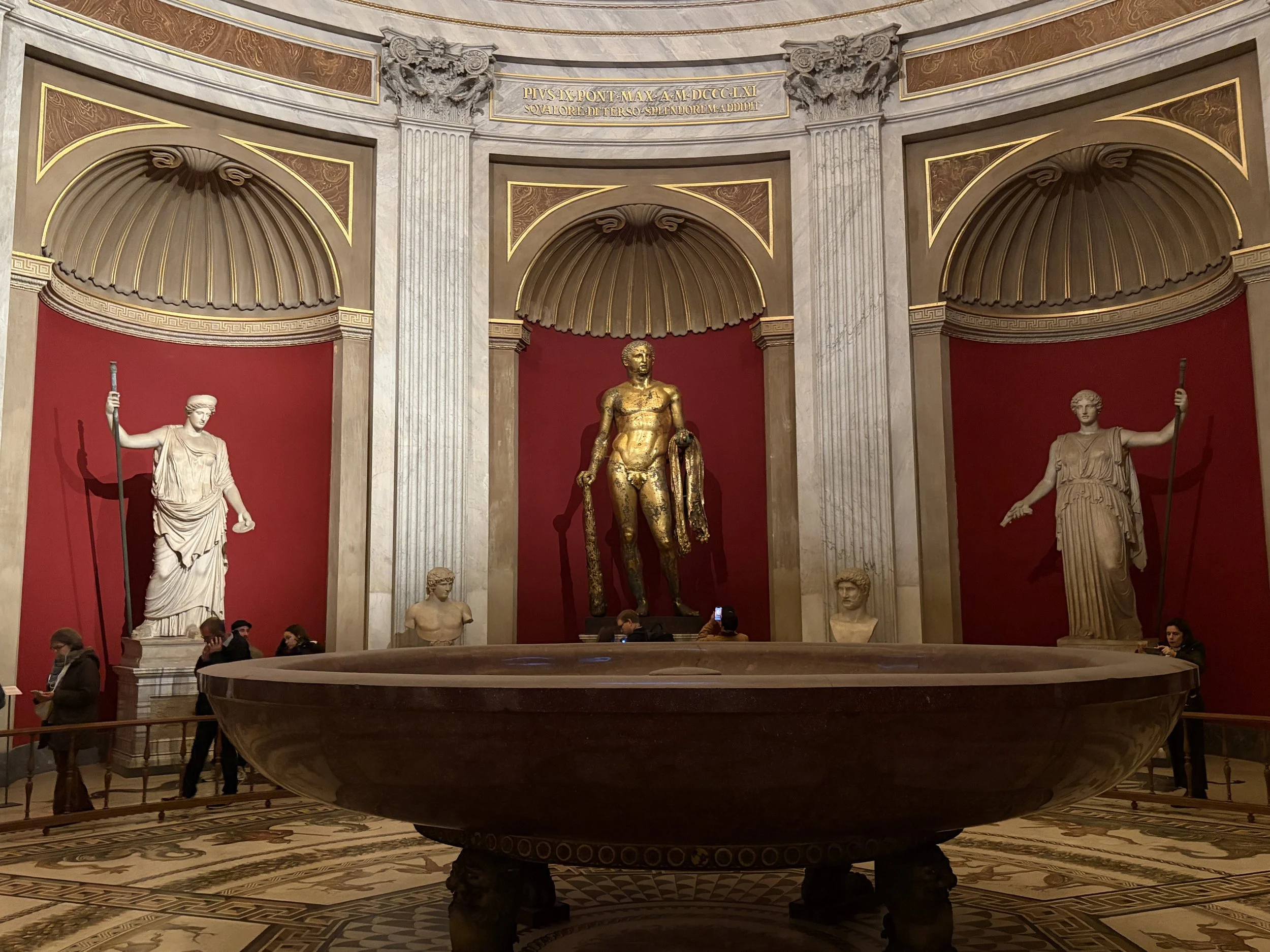
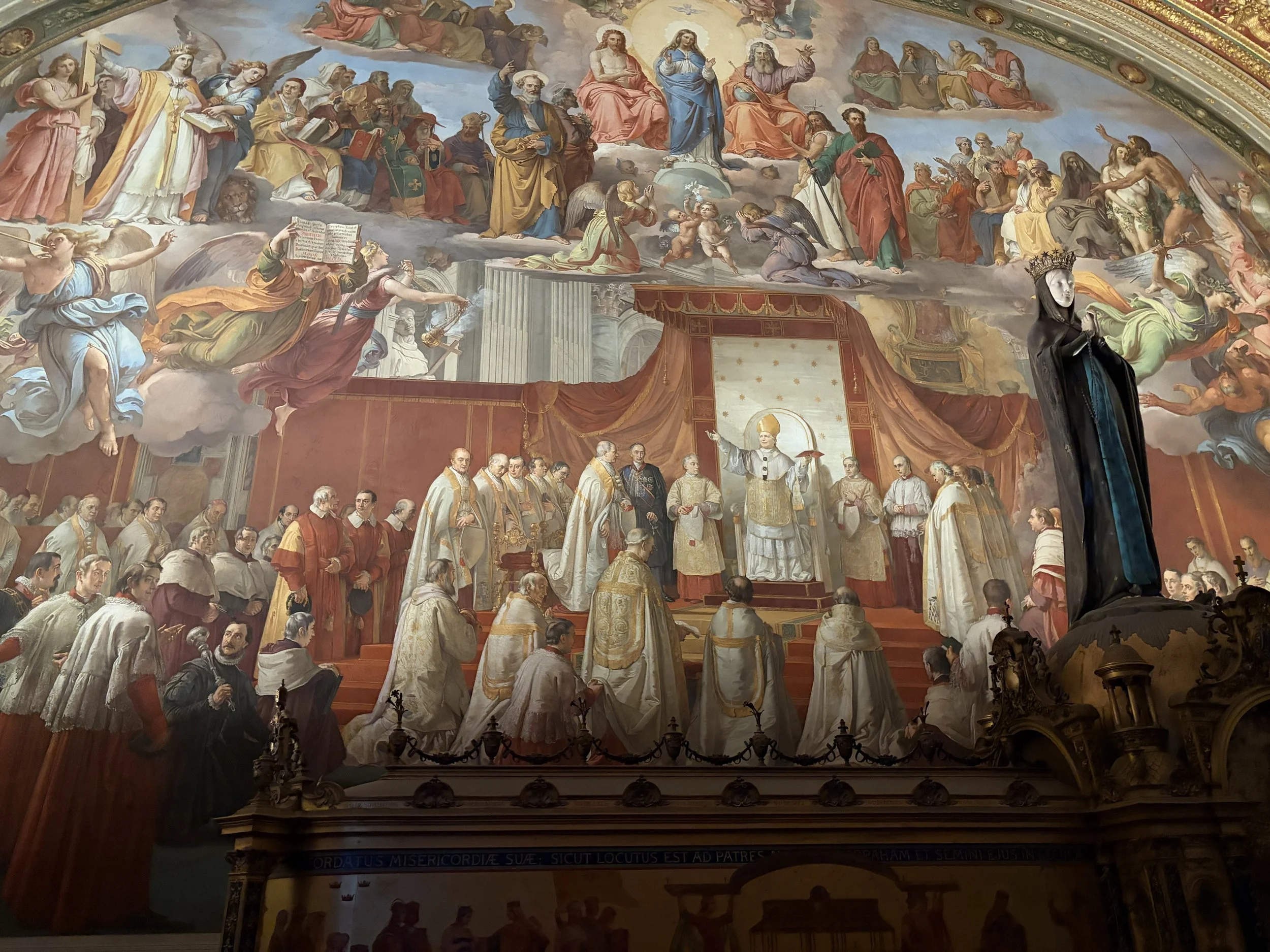
There is an overwhelming amount to see, so once again I relied on my trusty audio guide app, which led me through a focused 1.5-hour route.
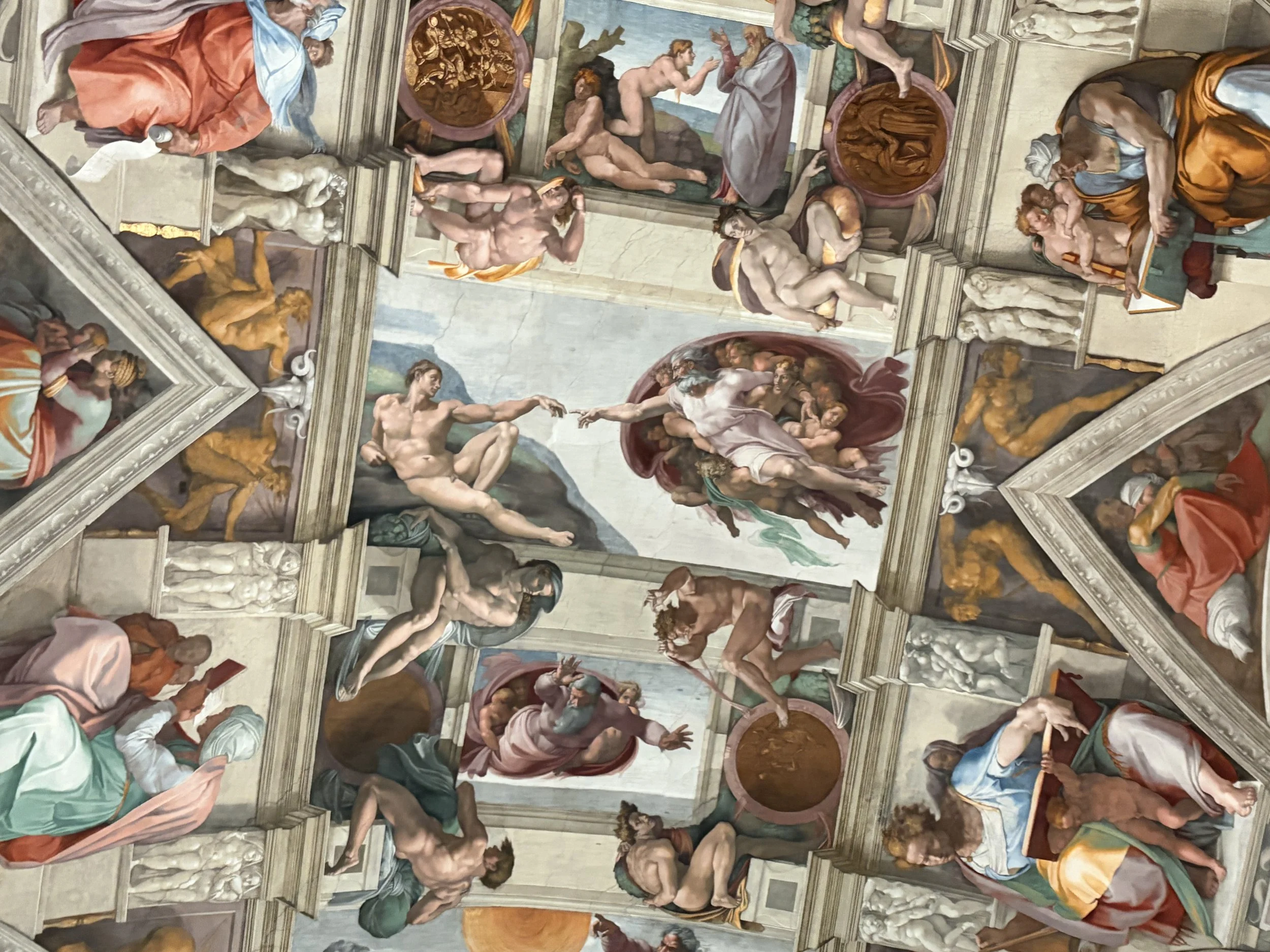
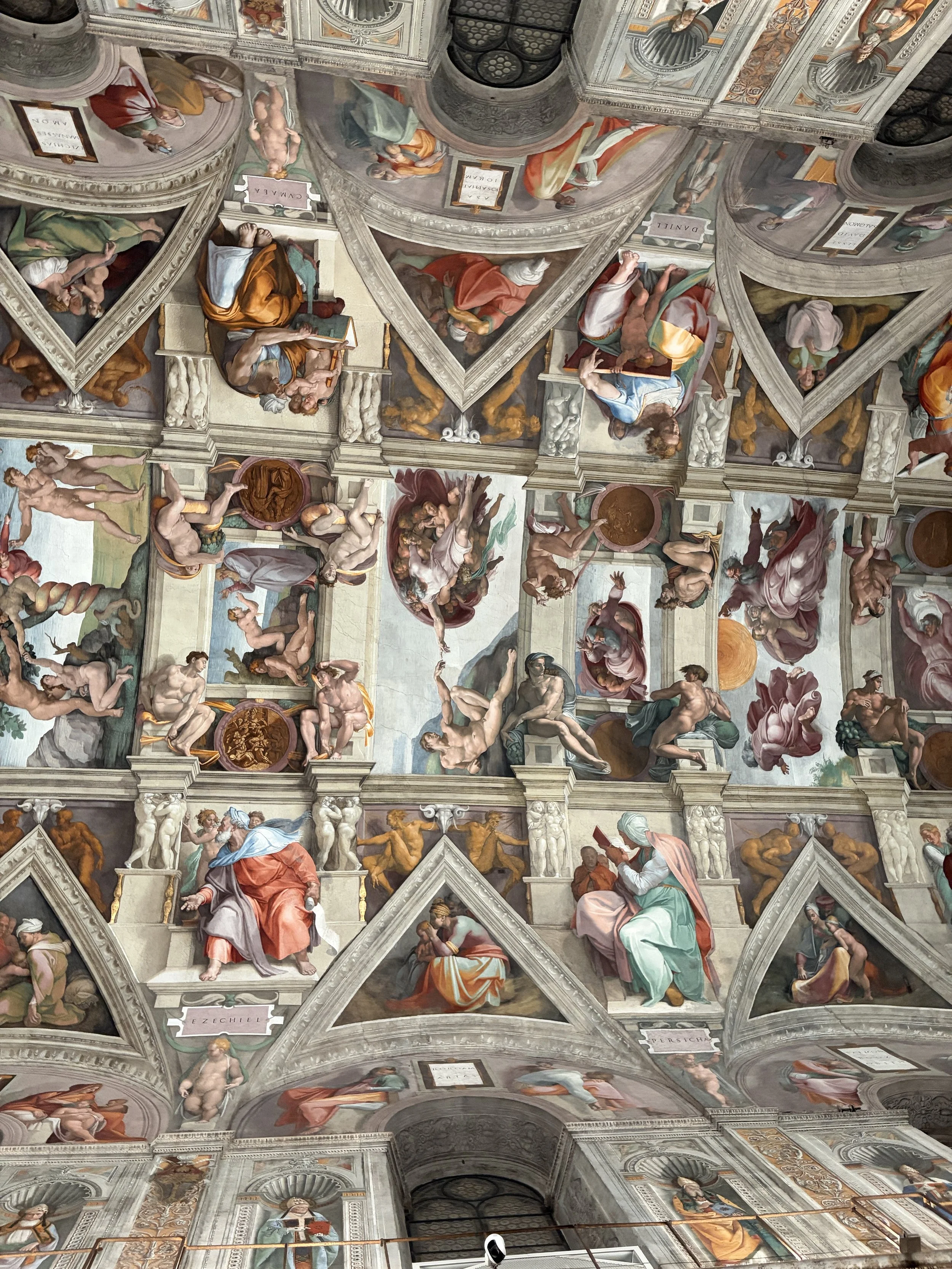
The grand finale — the pièce de résistance — is the Sistine Chapel. It’s famous for Michelangelo’s ceiling, particularly The Creation of Adam, where God and Adam reach toward each other with nearly touching fingers. Seeing it in person is genuinely striking, even with guards constantly reminding everyone to be quiet and not take photos. No matter how many times you’ve seen it reproduced, it still lands.
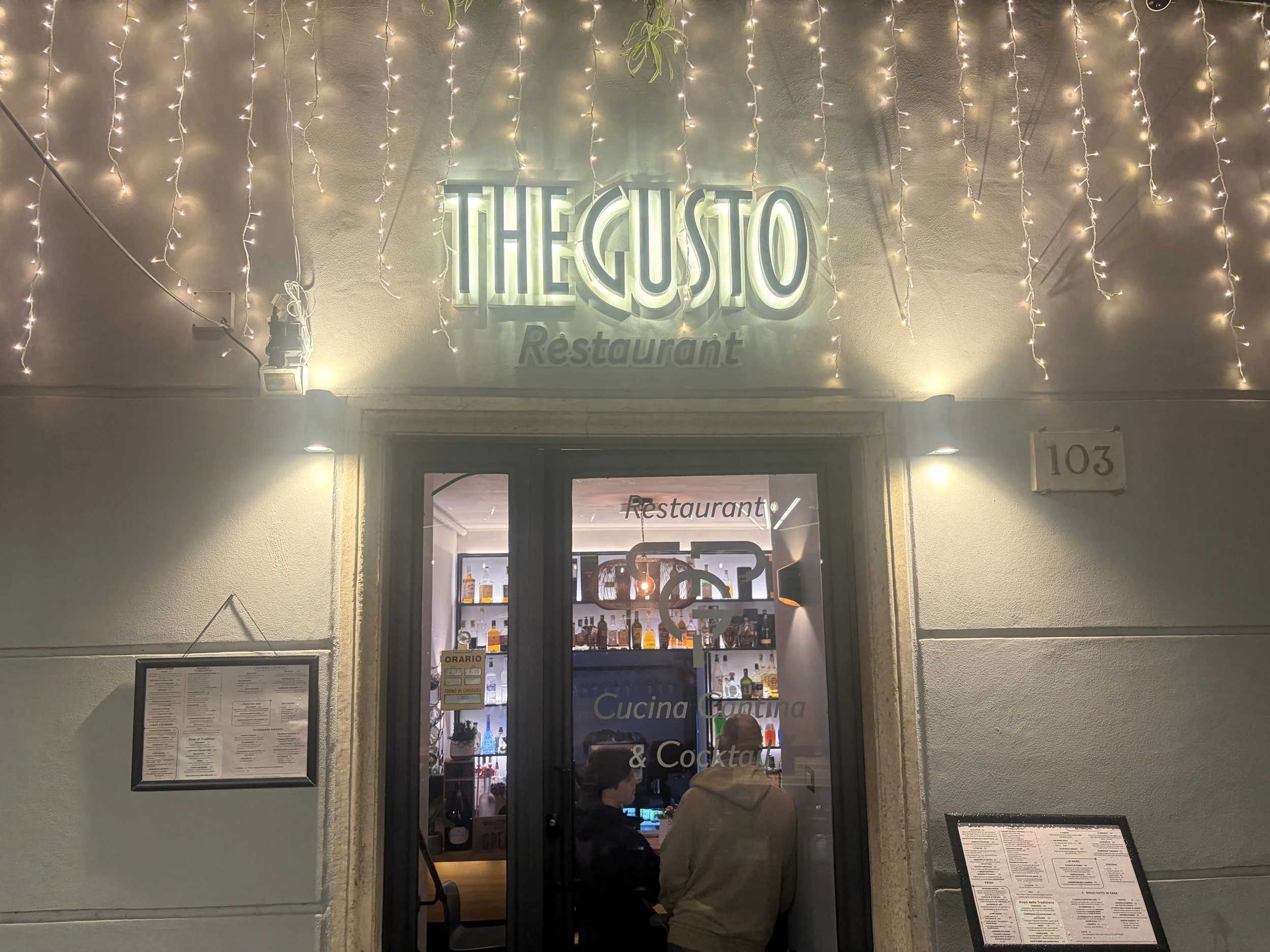
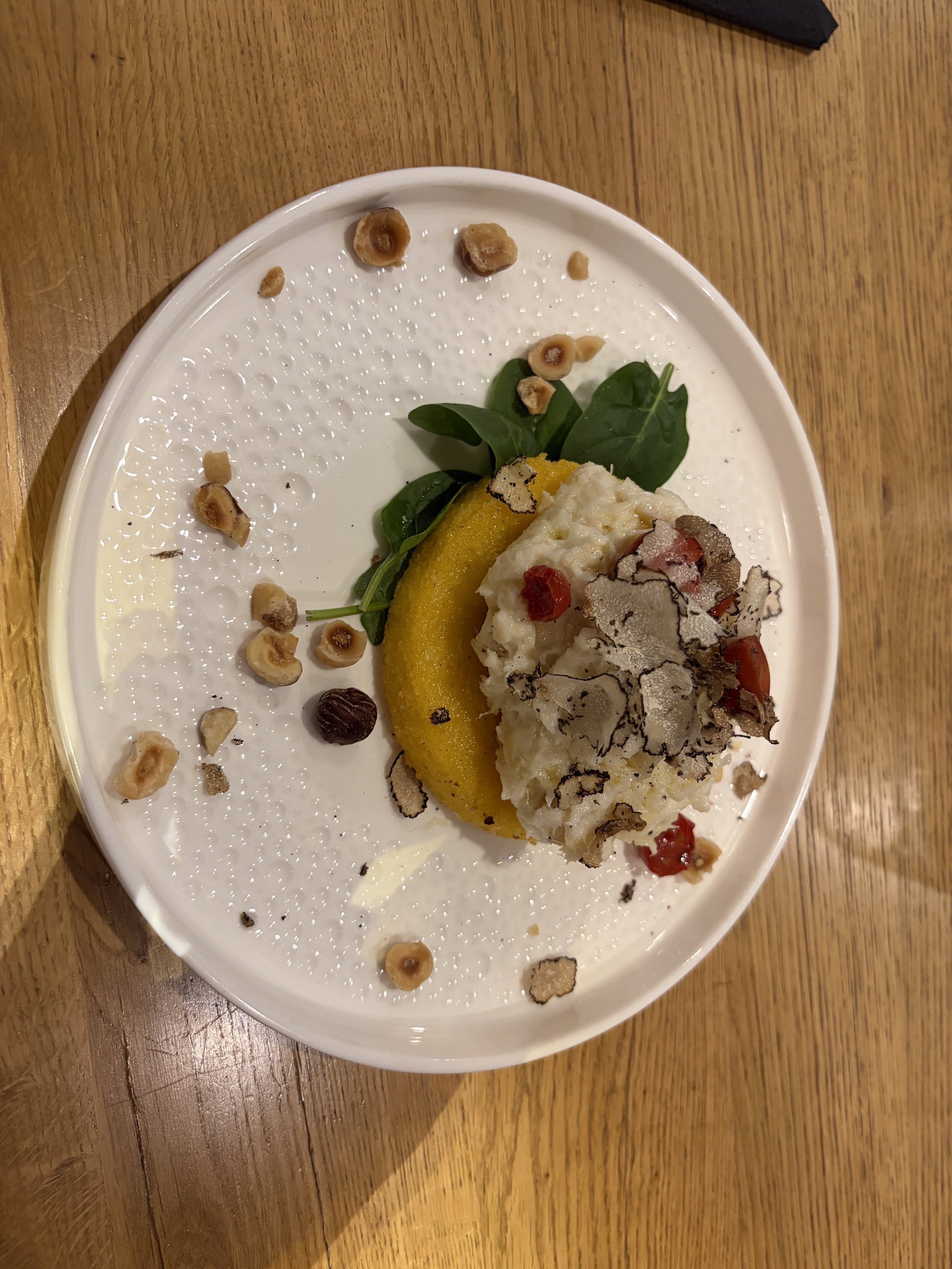
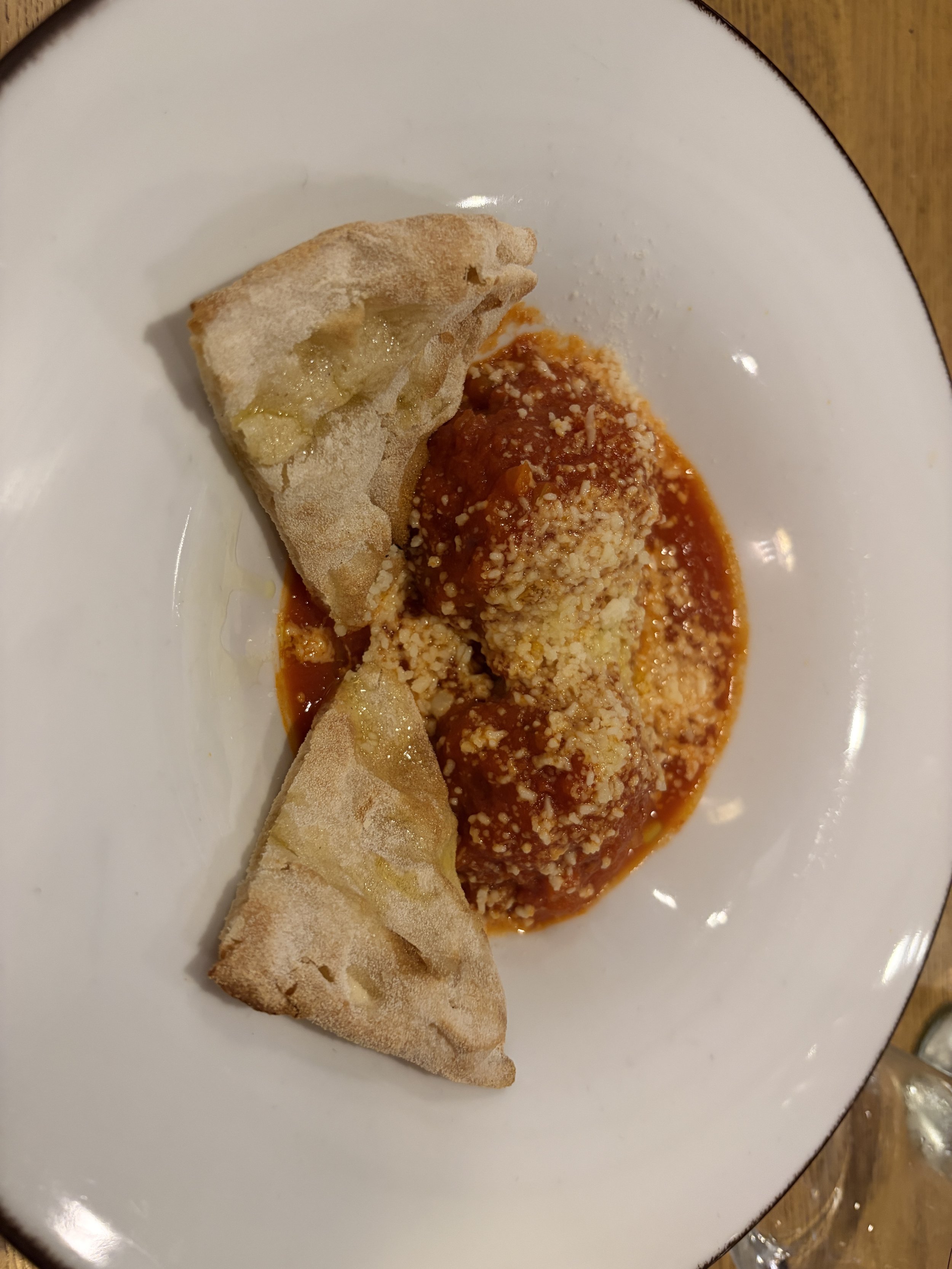
All that walking made me starving. I was in a new area, so I did what anyone does and went with the place that had the best reviews nearby: The Gusto. Unfortunately, it was terrible. My first course was supposed to be polenta with cheese and pears; instead, it arrived as polenta with fish, truffle, and nuts. I took one bite and immediately knew this wasn’t happening. When I flagged down the waiter and explained, he confidently told me, “This is better.” I explained that I don’t like fish. He pivoted to, “But you already took a bite.” It took me getting firm — and the entire restaurant slowly turning to look — before he finally agreed to take it back. The rest of the meal didn’t recover from there.
I took the Metro back, got on some dry clothes and called in a night. Rome has a saying “the walls listen.” It’s a half-joke, half-warning that in Rome with thin walls, echoing courtyards, and buildings stacked tightly together you can hear everything. At midnight, I experienced it— that night it was car alarms, bagpipes surely from the high Scottish population, and the people next to me “testing out the bed.”
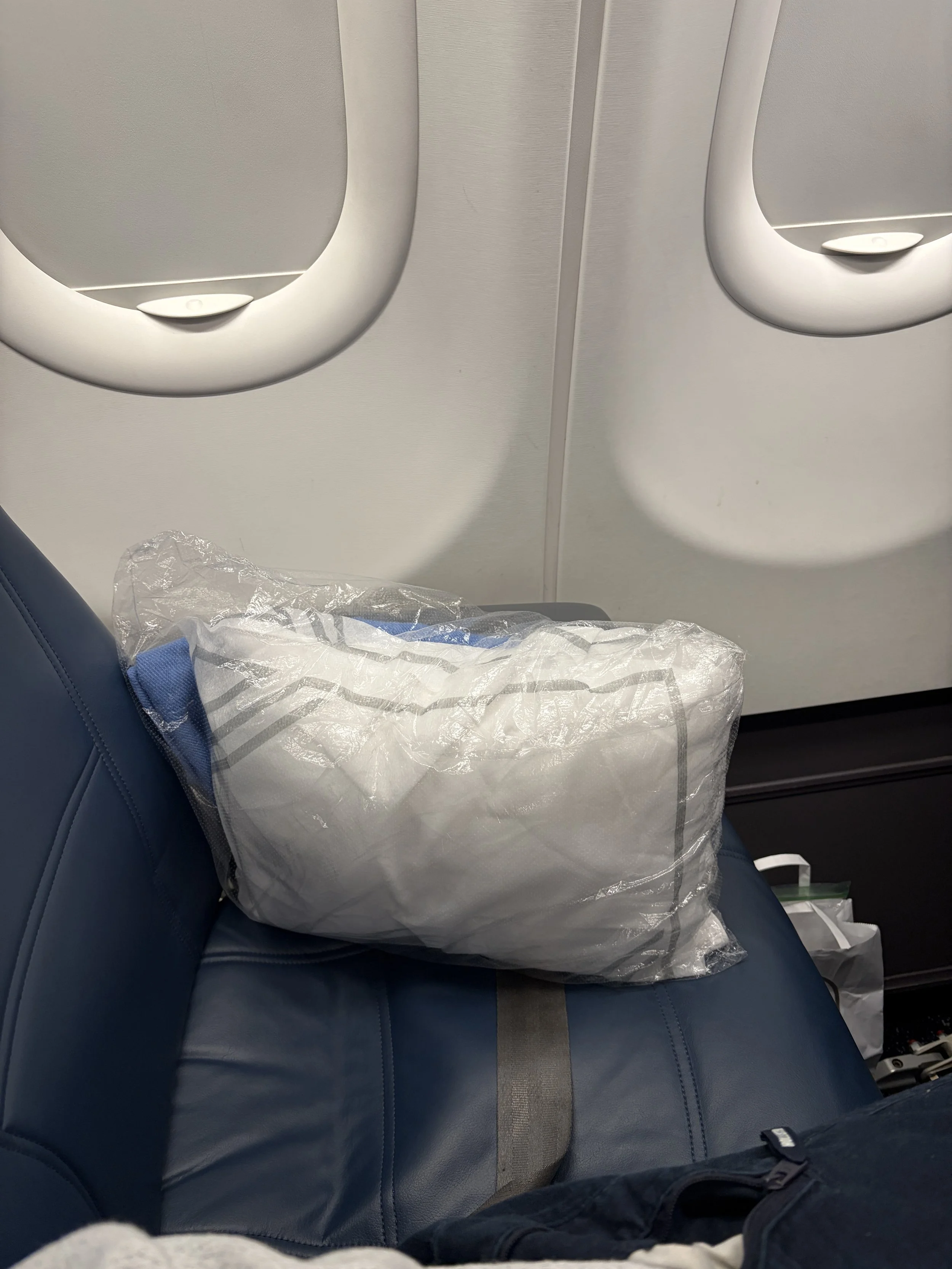
In the morning, I got up and packed and took a taxi to the airport. Delta put me in a row with 4 other people in the middle. I checked and there was a window seat open so I purchased row 48A for $89, which is ridiculous. At least I thought so until I was on the flight and had the seat next to me open. Definitely money well spent! I was able to ride standby on an earlier flight and get home on time for bed.
Rome is old. That’s its entire identity. And while that’s impressive, it also gets old — quickly. I don’t regret going. The history is real, the sights are iconic, and checking Rome off the list feels good. But it’s not a place I feel pulled to revisit. Once you’ve seen the fountains, the ruins, the churches, and the millionth history lesson, you start craving anything else.
Rome is a city you respect more than you love.
And sometimes, that’s okay.